Key Takeaways
Selecting the right recording environment is a critical step in building a long-term content strategy for your brand. This guide highlights the essential factors to consider when you evaluate potential creative spaces in the Florida market.
- Define your podcast format and visual needs early to streamline equipment selection.
- Look for studios that prioritize acoustic treatment and high-fidelity signal paths.
- Proximity to your team and logistical ease contribute significantly to recording consistency.
- Evaluate the included professional support staff versus DIY hourly rental models.
- Factor in post-production workflows to ensure your final assets are ready for distribution.
Understanding your production needs
Choosing a space for your show requires a clear vision of what you want to achieve through your episodes. You need a setup that aligns with your specific goals, whether you are building brand trust or engaging a local community. Defining your operational requirements early saves time and helps you move from planning to execution with confidence.
Identifying the format of your podcast
Your format dictates the technical and spatial requirements for your recording sessions. Solo storytelling, round-table debates, and scripted narrative shows all demand different room configurations and microphone placements. Clarifying this upfront prevents you from paying for space or equipment that does not serve your specific creative narrative.
Deciding between audio-only and video recording
Adding video to your podcast recording process shifts your requirements from simple acoustic control to comprehensive studio design. When you commit to a visual format, you must factor in camera placement, lighting, and set design to maintain a professional look. For creators who want to build a content strategy, the team at VG Creations suggests aligning your visual assets with your broader business objectives for maximum impact.
Assessing the number of guests you need to accommodate
Guest count directly impacts the physical footprint you require for your recording session. A cozy solo setup will not work for panel discussions or group interviews where spacing and sightlines are essential for a natural conversation. Use the following table to estimate what your production might require:
| Setting |
Capacity |
Ideal Gear |
| Solo Booth |
1 Person |
1 Mic, boom arm |
| Interview Room |
2-3 People |
2-3 Mics, mixing board |
| Panel Studio |
4+ People |
Multi-channel interface |
Matching your studio choice to the number of people in the room ensures everyone has access to high-quality audio capture without infringing on their neighbor’s space.
Defining your long-term content strategy and frequency
Consistency is the hallmark of any successful podcast. If you plan to record weeks of content in a single session, you will need a space that supports long hours of production without compromising on comfort. This aligns with a strategic approach to video production, where every recording is treated as a long-term asset for your brand.
Essential equipment to look for in a professional studio
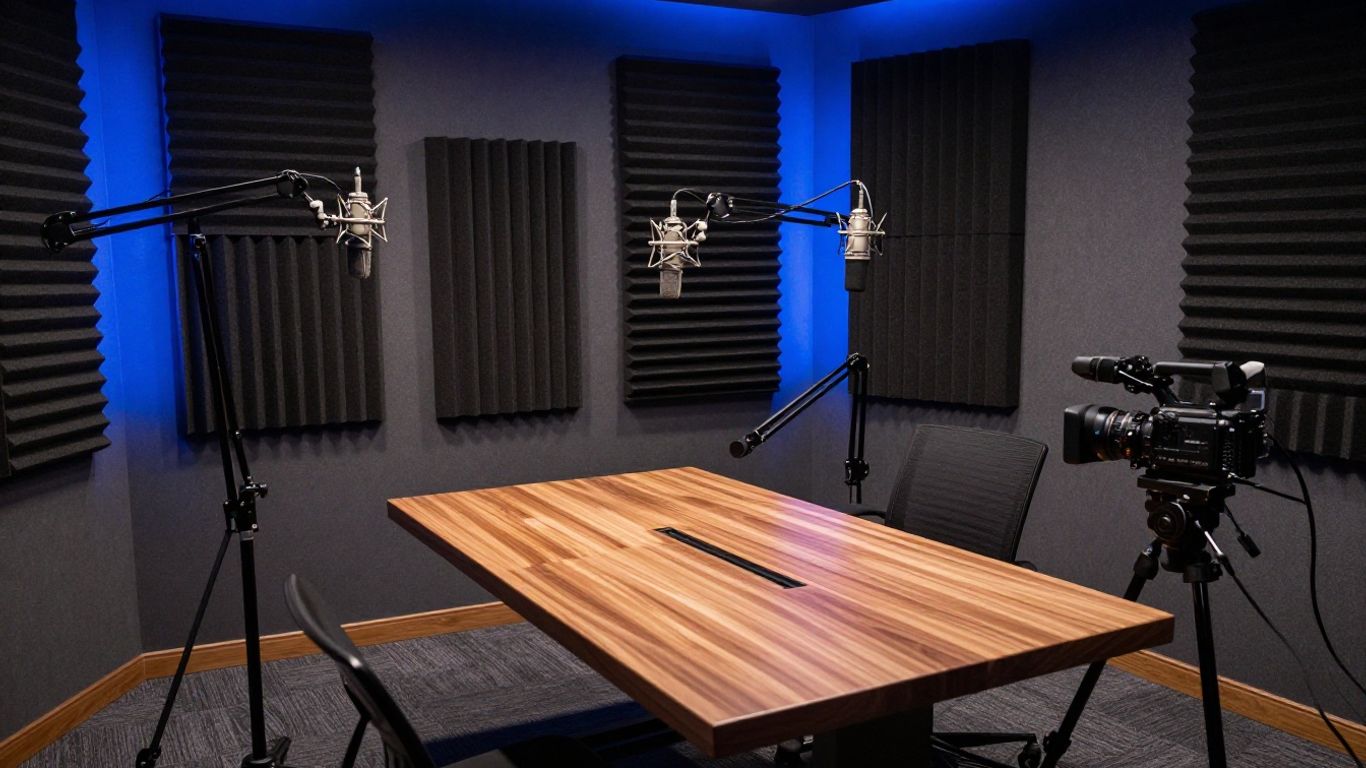
Finding a facility with current, well-maintained equipment is essential for a professional output. You should ensure that the studio is not just a room, but a space specifically designed for the demands of high-quality digital media. A top-tier podcast studio tampa environment should support your workflow, not complicate it.
High-fidelity microphones and audio mixers
High-quality broadcast microphones and responsive audio mixers are the backbone of your recording. These tools capture the nuances of your voice and provide clear, professional audio that stands out to your listeners. Without the right converters and preamps, even the best microphone will struggle to deliver the professional sound you envision.
Professional lighting setups for video podcasts
Lighting should be considered a non-negotiable for video-based podcasts as it dictates the mood and clarity of your footage. Soft, studio-grade lighting helps minimize harsh facial shadows and creates a polished, high-end appearance on camera. An intentional lighting approach makes it easier for your audience to connect with you.
Reliable camera gear and multi-angle filming options
Multi-angle recording adds a layer of depth to your story that single-camera setups cannot replicate. By utilizing professional cinema cameras, you ensure consistent frame rates and clear images for your final edit. A diverse camera setup allows you to cut between perspectives, which is vital for keeping long-form content dynamic.
Sound treatment and recording environment quality
Soundproofing is the barrier between a professional production and a noisy recording that requires hours of cleanup. High-quality studios utilize acoustic paneling to control echoes and outside interference, creating a neutral space for your audio to flourish. This attention to detail saves time during the edit and improves the final quality of your work.
Available software and recording interfaces
Robust recording interfaces provide the stability needed for reliable multi-track capture. Look for facilities that utilize modern software capable of handling separate audio and video streams for every participant. Reliable systems are essential for preventing data loss and ensuring that your raw footage is pristine when you move into the post-production stage.
Evaluating accessibility and location factors
Selecting a location is often a matter of logistics that affects your consistency over time. If a studio is difficult to reach or impossible to get equipment into, you will eventually find reasons to skip your recording window. Prioritize a location that makes the act of showing up a seamless part of your schedule.
Importance of proximity to central Tampa
Convenient access to your recording hub is a force multiplier for a busy creator. Being close to the major transit routes in your area means less time in traffic and more time in the creative seat. Choosing a studio like the Tampa Studio Collective ensures you are placed in a central area tailored for efficient production.
Parking availability and building access
Secured building access and dedicated parking remove the mental friction often associated with visiting a studio. You should not have to hunt for parking or worry about the security of your bags and equipment when you arrive. A space that is easy to enter and exit lets you focus entirely on your show.
Ease of equipment loading and unloading
If you are bringing your own gear or dealing with a guest with mobility needs, the logistics of loading and unloading become very important. Consider the following criteria when you look for a studio:
- Ground-level access points for heavy gear carts
- Wide doorways to move equipment without friction
- Secure loading zones away from busy street traffic
- Proximity of the studio room to the building entrance
These logistical considerations ensure you start your day focused on content rather than fighting with the physical building.
Operating hours that fit your recording schedule
Flexible recording hours are vital for creators working around professional careers or remote guest schedules. Studios that accommodate evening or weekend sessions provide the necessary freedom to produce your content on your own timeline. Reliable access to your recording space helps maintain your production rhythm.
Assessing technical support and post-production services
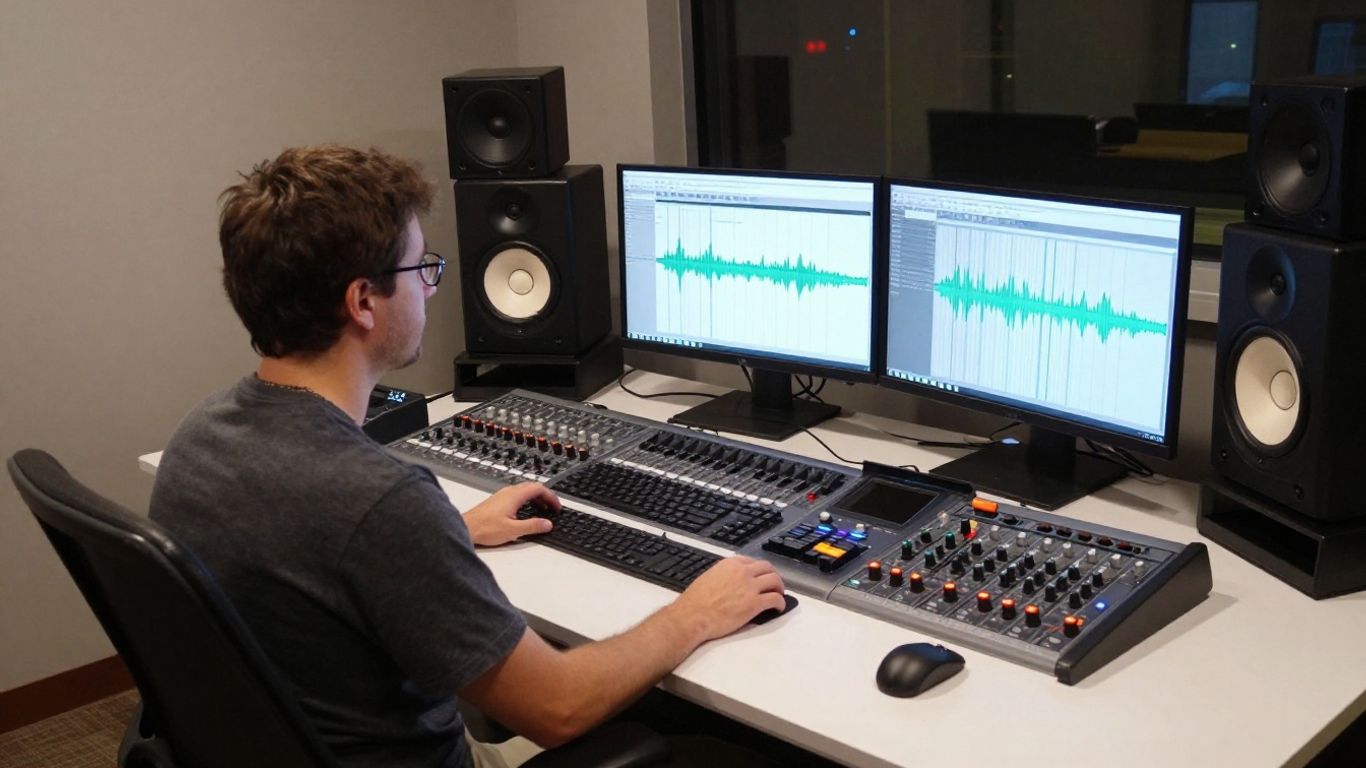
Technical support is the difference between a self-managed headache and a streamlined production experience. Having a sound engineer or a technician on-site allows you to focus solely on your interview guests rather than the technical equipment dashboard. This level of service enhances the overall quality and reliability of your final product.
Availability of on-site sound engineers
An on-site engineer acts as a safety net during your session, monitoring audio levels and ensuring that every mic signal is balanced in real time. They handle the technical heavy lifting, allowing you to engage deeply with your audience. This professional support ensures that potential audio distortions are caught before they reach your finished file.
Professional video editing and clipping for social media
Post-production is where your raw recording becomes a polished strategic asset. A studio providing editing services understands how to extract short-form clips or highlights from your longer episode for social media distribution. This service is essential for expanding your reaches and keeping your brand present across multiple digital platforms.
Export requirements and file delivery timelines
Knowing when you will receive your files allows you to plan your content release calendar properly. Look for providers that offer quick turnaround times, as speed is often critical in maintaining a relevant media presence. Reliable delivery ensures that you can move your content from the studio to your audience seamlessly.
Technical support for live-streamed episodes
Live-streaming requires a robust, glitch-free internet connection and dedicated monitoring for the duration of the broadcast. On-site technical support can manage the software settings and live-broadcast platforms to ensure your signal maintains steady quality. This support provides the peace of mind you need to broadcast with confidence.
Determining your budget and rental structure
Financial clarity helps you view your podcasting efforts as an investment rather than a recurring cost. You should evaluate different pricing models to find the balance that suits your production volume and budget constraints. Understanding the structure helps you maximize your resources while maintaining professional quality.
Hourly rental rates versus membership packages
Hourly rates offer the maximum flexibility if you have irregular recording needs, while memberships are better for those following an established production schedule. Comparing these options side-by-side helps you determine where your spending will yield the highest return over the long term. Choose the model that matches how frequently you actually use the studio space.
Hidden costs to watch out for in contracts
Always ask for a transparent breakdown of what is included in your booking. Sometimes, basic rental fees exclude essential services like media storage, setup time, or post-production edits, which can quickly inflate your expenses. Getting clarity early avoids unexpected line items on your invoice.
Discounts for bulk booking or recurring time slots
If you know your production schedule well in advance, you can often negotiate better rates through long-term booking commitments. Taking the time to secure a recurring slot shows your dedication to the studio and often rewards you with a lower per-session cost. These savings add up significantly when you plan your work for the entire year.
Value-added services included in the base price
Some studios include extras like file hosting, client refreshments, or basic graphic overlay templates in their base fee. These small additions can simplify your workflow and provide extra value to your guest experience. Always evaluate what is inside the price tag today to get the most for your investment.
Checking for additional amenities and studio atmosphere
Your chosen studio environment affects the energy you bring to every episode. When you feel comfortable in a space, you are more likely to perform at your best and maintain a productive cadence. The ambient atmosphere and available amenities play a larger role in your professional success than most creators initially realize.
Comfortable lounge areas and guest waiting spaces
Having a dedicated space for guests to sit and relax before your recording starts creates a welcoming professional environment. It allows your guests to settle in, adjust, and prepare for the conversation, ensuring they are at ease when the microphones go live. A thoughtful waiting space speaks volumes about the value you place on your interview partners.
In-studio branding opportunities and set customization
Custom set features offer an opportunity to align the studio with your brand identity visually. Whether it is specific lighting colors, wall branding, or decor choices that match your business aesthetic, customization helps your audience recognize your show instantly. A studio that allows for this flexibility is a stronger partner for your brand growth.
High-speed internet reliability for remote guest integration
Reliable, high-speed connectivity is the primary factor in successful remote guest integration. You cannot afford to lose a connection during an interview because your studio internet dropped out. Verify that the studio uses hard-wired, high-speed lines that guarantee stability throughout your broadcast segments.
Refreshments and general client comfort considerations
Small comforts like clean facilities, water, or coffee for clients go a long way in creating a positive production experience. When your team and your guests are cared for physically, they are more focused on the conversation. These subtle details contribute to a supportive and creative atmosphere that keeps everyone invited back.
Conclusion
Finding the right studio in Tampa is about aligning your long-term content strategy with a space that provides technical excellence, logistical convenience, and a professional environment. By focusing on essential equipment, testing support, and transparent rental structures, you create a foundation for your show to grow. Use these criteria to select a partner that helps you turn every recording session into a high-quality asset that builds trust and authority within your industry.
Frequently Asked Questions
Why is acoustic treatment so important for a podcast?
Acoustic treatment prevents sound waves from bouncing off hard surfaces and creating distracting echoes. It ensures that the recording is crisp, clear, and professional, making it much easier for your audience to follow the conversation.
Should I prioritize a studio with an on-site engineer?
Yes, an engineer is highly beneficial because they handle technical adjustments, sound levels, and software management. This allows you to focus entirely on your content and your guests, significantly reducing the stress of a recording session.
How many camera angles do I typically need for a video podcast?
Two to three angles are standard for a professional look, as they allow for cuts between the host and the guest. This adds movement and engagement to your video output, preventing the edit from feeling static.
What are the hidden costs I should look for in rental contracts?
Watch for extra fees for hardware rentals, data storage usage, post-production editing services, or mandatory late-night service surcharges. Always request a clear summary of all potential line-item charges before you sign a studio agreement.
Can I rent a studio for a single session if I do not have a podcast membership?
Most studios offer flexible, hourly rental rates for individual sessions. While memberships often offer lower per-hour pricing for frequent creators, you can typically book studio time as needed to test the format before making a longer commitment.
How important is site parking in a busy urban area?
Reliable parking is a significant logistical advantage that reduces pre-recording anxiety and ensures your guests arrive on time. It is a critical factor for maintaining a consistent and professional production workflow.
How far ahead should I book my studio time?
It is best to book your studio time several weeks in advance to ensure you get your preferred time slots. Popular studios tend to fill up quickly, and having a set schedule helps you maintain a consistent content release timeline for your audience.
