Key Takeaways
Strong audio and video production begins with a clear business goal, not a camera purchase. The best results come from thoughtful planning, controlled recording, and a workflow that connects creative choices to measurable outcomes.
- Define the audience, message, format, and desired action before production begins.
- Treat clean audio, intentional lighting, and purposeful framing as essential—not optional.
- Use scripts, storyboards, shot lists, and timelines to reduce uncertainty on set.
- Edit for clarity and attention while preserving an authentic sense of the people and brand.
- Measure performance through business outcomes, not views alone.
What audio and video production includes
Audio and video production brings together planning, recording, visual storytelling, sound design, editing, and delivery. It can be a short social clip, a detailed corporate story, a podcast, an event film, or a campaign built from several connected assets. The format changes, but the central task remains the same: turn an idea into media that people can understand, remember, and act on.
Good production is not only about polished equipment. It is about making creative decisions that serve the audience and the message, then carrying those decisions consistently from the first brief through final delivery.
The role of audio in audience engagement
Audio guides attention in ways viewers often feel before they consciously notice them. Clear speech makes information easier to follow, while well-chosen music and sound effects can establish pace, mood, and emotional context. A strong recording also gives editors room to shape the story without fighting distortion, echo, or distracting background noise.
For interviews and educational content, intelligibility usually matters more than visual ornament. Listeners should not have to strain to understand a speaker, especially when the content is watched on a phone, played in a busy office, or consumed through small earbuds.
The visual elements that shape a production
Visual storytelling is built from more than camera resolution. Composition, color, movement, texture, wardrobe, locations, and the relationship between foreground and background all affect what the audience notices first. A product video may need precise details and clean surfaces, while a company story may benefit from natural interactions and recognizable working environments.
Cinematography should make the intended message easier to feel and understand. Repeated visual choices can also create continuity across a campaign, giving separate pieces a shared identity without making every scene look identical.
Common production formats for brands
Businesses often combine several formats rather than relying on one large flagship video. Commercials can introduce an offer, corporate videos can explain an organization, testimonials can add a customer perspective, and social edits can keep the message active between larger campaigns. A practical video marketing planning guide can help connect those formats to goals, audiences, and distribution channels.
The right format depends on the job the content needs to do. A useful starting point is to ask whether the audience needs to learn, trust, compare, feel, or take immediate action.
How production quality affects brand perception
Production quality influences whether an audience experiences a business as prepared, credible, and attentive to detail. This does not mean every video must look extravagant. It means the sound, image, pacing, and message should feel appropriate to the promise being made.
Consistency builds recognition over time. When a brand maintains a coherent visual and sonic standard, each new asset can reinforce the last one and contribute to a more reliable experience across websites, social channels, presentations, and sales conversations.
How to plan an effective production
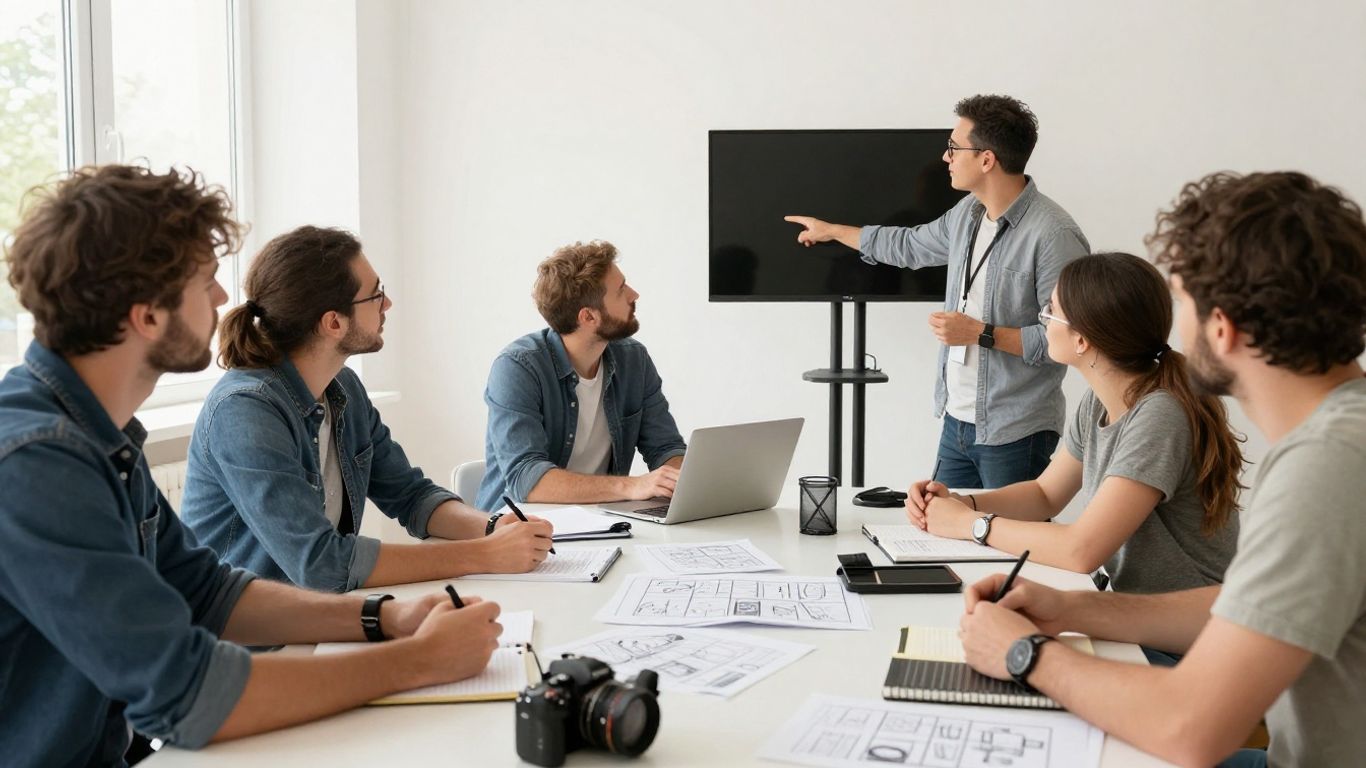
Planning turns a broad idea into a production the team can actually execute. Before anyone records, clarify the business purpose, the audience, the format, the available resources, and the path from approval to distribution. This is where creative ambition meets practical limits, and where many avoidable problems can be solved early.
A strong brief does not eliminate creativity. It gives creativity a useful direction, so the finished piece feels intentional rather than merely attractive.
Defining goals, audiences, and key messages
Start with the result the content should support. That might be awareness, qualified inquiries, event attendance, employee understanding, customer confidence, or sales enablement. Then describe the audience in concrete terms: what they already know, what they need, what concerns them, and what action should follow.
Keep the central message narrow enough to remember. If a video tries to explain every feature, answer every objection, and tell the entire company history at once, the audience may leave without a clear takeaway.
Choosing between studio, location, and hybrid production
A studio offers control over sound, lighting, schedule, and background. A location adds context, personality, and visual evidence of how a business operates, but it also introduces variables such as traffic, weather, room noise, and access. Hybrid production can combine a controlled interview setup with location footage and supporting details.
Choose the setting based on the story rather than habit. A healthcare explanation may benefit from a calm, controlled environment, while an event recap needs the energy and surroundings of the occasion itself.
Building a realistic production timeline
A timeline should include more than the shoot date. Allow time for discovery, creative development, location checks, participant coordination, recording, editing, review, revisions, captions, exports, and delivery. The more stakeholders involved, the more clearly the approval path should be documented.
Work backward from the publishing or campaign date and identify dependencies early. Guest availability, legal review, brand approvals, and access to locations can affect the schedule more than the filming itself.
Preparing scripts, storyboards, and shot lists
A script gives spoken content a structure, while a storyboard helps the team imagine how that content will be seen. A shot list translates the concept into practical coverage: interviews, demonstrations, establishing views, close details, transitions, and alternate takes. These documents are especially helpful when a production must generate several edits from one shoot.
Before filming, confirm names, pronunciation, key claims, brand terminology, and any required visual elements. A short rehearsal often reveals awkward phrasing and helps contributors sound natural without memorizing every word.
Essential audio production considerations
Audio deserves attention before the first take because many sound problems are difficult or impossible to repair completely later. Microphone choice, placement, room treatment, monitoring, and recording levels all shape the raw material. A visually impressive video can still lose trust when speech is muffled, uneven, or buried beneath music.
The goal is not to make every recording sound identical. It is to capture a clean, appropriate signal that supports the setting, speaker, and intended audience.
Selecting microphones for different environments
Microphone selection depends on distance, movement, room conditions, and the desired visual style. A lavalier can keep an interview subject visually unencumbered, a boom microphone can provide a more focused sound from outside the frame, and a handheld microphone may suit a live event or energetic field segment.
Test the microphone where the recording will happen, not only in a quiet preparation room. Clothing movement, air conditioning, reflective walls, and nearby conversations can change the result quickly.
Recording clear dialogue and interviews
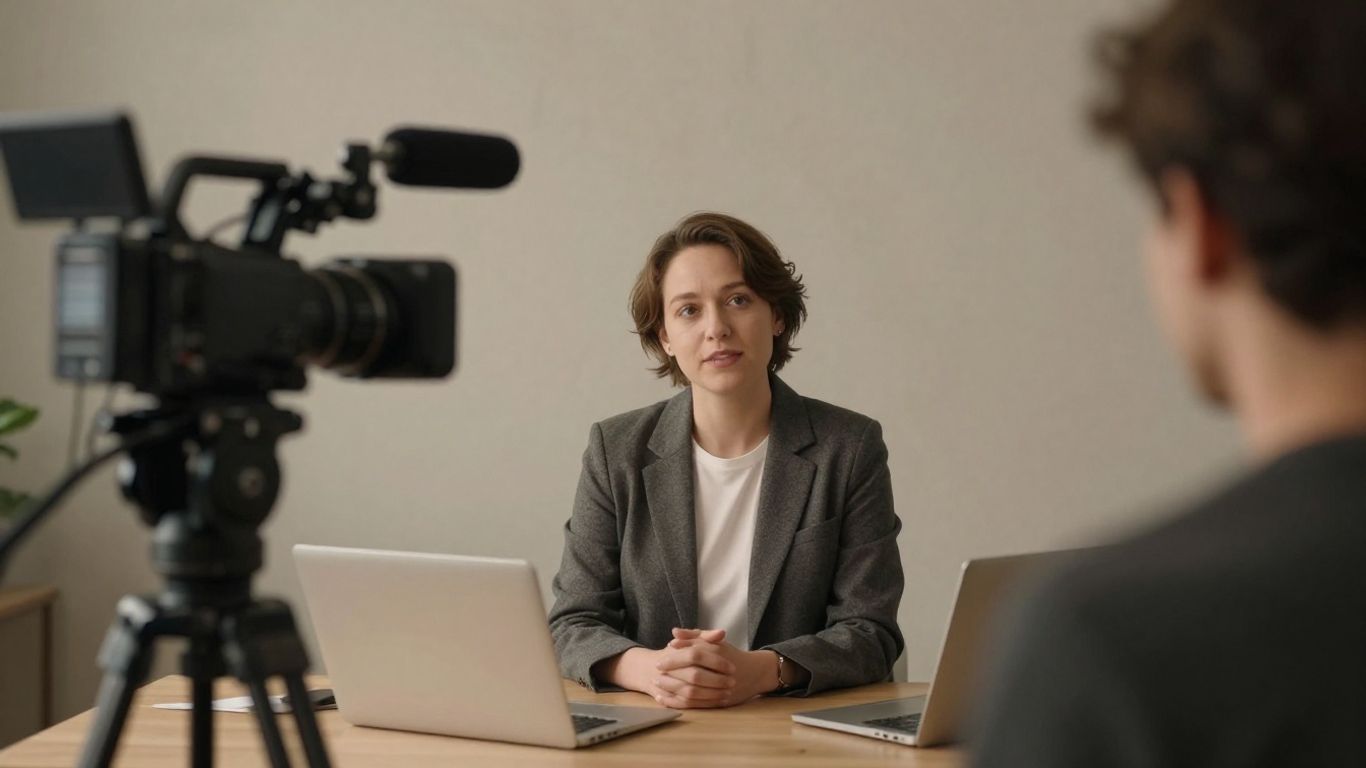
Clear dialogue begins with placement and monitoring. Keep the microphone close enough to capture the voice directly, watch recording levels, and record room tone so the editor has a natural layer for transitions. Interviewers should also leave a moment of silence before and after answers, which makes editing cleaner.
The conversation itself matters just as much as the equipment. Thoughtful questions, comfortable pacing, and permission to pause can produce answers that sound genuine rather than rehearsed.
Managing background noise and room acoustics
Rooms with hard, parallel surfaces often create reflections that make voices sound distant or hollow. Soft furnishings, carefully placed sound blankets, and a change in microphone position can reduce those reflections. If the location has unavoidable noise, schedule around it or select a quieter nearby space.
Use headphones throughout the recording. The person behind the camera may not hear a refrigerator hum, clothing rustle, or intermittent construction noise until the footage reaches the edit.
Balancing music, voice-over, and sound effects
A mix should make the message easy to follow while still giving the production a sense of movement and feeling. Voice-over normally needs a stable place in the mix, with music shaped around the words rather than competing with them. Sound effects work best when they have a clear purpose and do not draw attention away from the story.
The final mix should be checked on more than one listening setup. Small speakers, headphones, and a typical phone can reveal different problems in volume, bass, clarity, and transitions.
Essential video production considerations
Video production combines technical choices with observation. The camera, lens, lighting, framing, and movement should all support what the viewer needs to notice. Even a modest setup can produce compelling work when the team controls exposure, keeps the subject comfortable, and gathers enough coverage to shape the story in post-production.
Visual quality is most useful when it improves comprehension or creates a feeling that supports the message. Decorative shots alone cannot carry a weak concept.
Choosing cameras, lenses, and accessories
Choose camera and lens combinations according to the environment, subject, movement, and delivery requirements. A wide lens can establish a space, while a longer lens can isolate a speaker or compress a busy background. Accessories such as tripods, gimbals, reflectors, spare batteries, and media cards support consistency and reduce interruptions.
The production should also account for resolution, frame rate, color workflow, storage, and backup. The most advanced camera is not automatically the most suitable choice if it slows the team down or complicates delivery.
Using lighting to create the right mood
Lighting establishes visibility, depth, and emotional tone. A soft key light can flatter an interview subject, practical lights can add context, and controlled contrast can create a more dramatic commercial look. Watch for mixed color temperatures and changing daylight, particularly when filming near windows.
Light the subject in relation to the background rather than treating the face as the only concern. Separation, texture, and negative space help the frame feel deliberate without becoming artificial.
Framing interviews, products, and events
Framing should reflect the purpose of the shot. Interviews benefit from comfortable headroom, an intentional eyeline, and enough space in the direction of the subject’s gaze. Product footage needs clean angles and useful detail, while event coverage requires a mixture of wide context, speaker reactions, audience participation, and close moments.
Capture both predictable and unexpected material. Planned coverage explains what happened; small gestures, interactions, and environmental details often explain why it mattered.
Capturing cinematic movement and visual details
Movement should have a reason. A slow push can create intimacy, a lateral move can reveal a setting, and handheld footage can bring immediacy to an event. Keep the movement physically achievable and consistent with the tone established by the rest of the production.
Record details that can bridge edits: hands at work, tools, textures, entrances, transitions between spaces, and reactions. These shots give the editor flexibility and help the finished piece breathe.
The audio and video production workflow
A reliable workflow reduces friction without making the creative process rigid. It creates shared expectations about what happens before the shoot, who makes decisions on set, how files are organized, and how feedback becomes a final cut. The exact sequence varies by project, but the handoffs should remain visible to everyone involved.
A streamlined process also protects the audience experience. Problems caught during planning are usually less expensive than problems discovered after delivery.
Pre-production planning and creative direction
Pre-production begins with discovery and develops into a brief, concept, schedule, script, shot list, and production plan. Creative direction sets the tone for performance, composition, pacing, music, and visual references. It should give the crew enough clarity to work confidently while leaving room for genuine moments.
Confirm responsibilities before the shoot. Decide who handles talent, locations, releases, equipment, data management, client communication, and approvals so important tasks do not become assumptions.
Filming, recording, and on-set coordination
On set, coordination keeps the day moving while protecting quality. The team checks lighting and sound, confirms framing, communicates changes, and records alternate takes when needed. A calm environment helps non-professional contributors relax and often leads to more natural performances.
Use a consistent system for file names, card changes, notes, and backups. If the production includes multiple cameras or audio sources, matching time references and labeling takes carefully will save substantial effort later.
Editing footage and refining the narrative
Editing is where individual recordings become an argument, story, or experience. The editor selects the strongest moments, removes repetition, shapes pacing, balances sound, and uses supporting footage to clarify what the speaker means. Color correction, captions, graphics, and music should serve that structure rather than cover gaps in it.
A useful first cut prioritizes meaning before polish. Once the narrative works, finishing decisions can refine rhythm, visual continuity, and the final emotional note.
Reviewing cuts and managing revisions
Feedback is most productive when it is consolidated, specific, and tied to the agreed goal. Comments such as “make it pop” are difficult to act on; comments about a confusing claim, slow section, missing shot, or inaccurate caption are much clearer. Assign one person to gather stakeholder input where possible.
Review the cut in its intended context, including the opening seconds, mobile framing, captions, audio levels, and call to action. A disciplined review process keeps revisions focused and protects the production schedule.
Production services for business and marketing
Business production can support many stages of the customer and employee journey. The same organization may need a brand story for credibility, an event recap for reach, a training video for consistency, and short social edits for continued visibility. A production partner should understand how those pieces relate instead of treating every deliverable as an isolated project.
VG Creations provides video production services that include short educational videos, commercial ads, video testimonials, IT training videos, event coverage, and branding video production. The best service mix still depends on the audience, message, distribution plan, and available evidence of success.
Corporate and commercial video production
Corporate videos can explain a company, introduce its people, or communicate a point of view. Commercial videos usually need a sharper hook, a clear offer, and a strong relationship between creative treatment and marketing objective. Both benefit from a focused message, confident direction, and visuals that feel specific to the business.
Avoid making a corporate piece sound like a list of accomplishments. Show the people, decisions, processes, or customer moments that make the organization credible.
Video podcast and interview production
Video podcasts and interviews depend on a comfortable conversation as well as repeatable technical setup. Consistent camera positions, clean audio, controlled lighting, and a reliable editing template make episodes easier to produce and easier for an audience to recognize. Short clips can extend the value of a longer conversation when they preserve enough context to remain meaningful.
VG Creations describes podcast production as covering setup through post-production for audio and video podcasts. That scope makes the format useful for businesses that want a recurring way to share expertise without treating every episode as a completely new visual system.
Event, conference, and live streaming coverage
Event coverage requires preparation for change. Build a flexible shot list, identify priority sessions and people, plan audio access, and establish how files will be handled during a long day. A conference film may combine key moments, attendee reactions, speaker footage, and atmosphere; a live stream adds the demands of monitoring, switching, connectivity, and real-time troubleshooting.
VG Creations lists event and conference coverage and live streaming among its production services. Whichever team handles the work, define the intended outputs before the event so the crew knows whether the priority is a same-day recap, a library of sessions, promotional clips, or a complete broadcast.
Training, healthcare, and e-commerce videos
Training videos should make procedures easy to follow, with clear objectives, concise instruction, and visuals that show the relevant action. Healthcare content requires particular care with privacy, accuracy, accessibility, and tone. E-commerce videos should help viewers understand a product through demonstrations, useful details, and a direct connection between the visual story and the buying decision.
These formats reward clarity over clutter. When the viewer knows what to look at and what to do next, the production becomes more useful as a long-term business asset.
How to choose an audio and video production partner
Choosing a partner is partly a creative decision and partly an operating decision. A strong portfolio matters, but so do discovery, communication, planning, file handling, revision practices, and the ability to understand business goals. You are not only commissioning footage; you are establishing a process that may affect deadlines, approvals, and future content.
Ask for examples that resemble your audience, setting, tone, and intended distribution. Then ask how the team arrived at the creative decisions visible in those examples.
Reviewing portfolios and production capabilities
Look for evidence of range and consistency. A portfolio should show how the team handles dialogue, movement, lighting, event conditions, product details, and different levels of production complexity. Pay attention to sound as carefully as the images, and consider whether the work communicates something clearly rather than simply looking attractive.
A portfolio review is also a chance to check whether the partner offers the type of production your project needs, from interviews and corporate stories to podcasts, events, or social content.
Comparing communication, turnaround, and revisions
Ask who your day-to-day contact will be, how feedback is collected, how quickly questions are answered, and what happens when the scope changes. Confirm the number of review rounds, the expected response times, and the format in which notes should be delivered. These details can determine whether a project feels calm or constantly improvised.
A partner should be comfortable explaining tradeoffs. Clear communication is not merely pleasant; it protects the quality of the work when time or budget becomes constrained.
Evaluating pricing, deliverables, and usage rights
Compare proposals by looking beyond the headline price. Check what pre-production, crew, equipment, editing, captions, music licensing, travel, storage, exports, and revisions include. Also clarify the deliverables, aspect ratios, resolution, source files, usage rights, and whether future adaptations are covered.
The following questions help make proposals easier to compare:
- What exactly will be delivered, and in which formats?
- How many filming days, locations, and contributors are included?
- What editing rounds and approval milestones are part of the scope?
- Who owns or may use the footage, music, graphics, and final exports?
These answers reveal differences that a simple project total can hide. They also reduce the chance of discovering an important limitation after filming has finished.
Measuring production success through business KPIs
Views can be useful, but they are only one signal. Choose measures that reflect the job of the content: qualified inquiries, landing-page actions, event registrations, watch time, completion rate, sales-assist influence, learner progress, or reduced support questions. Establish a baseline and decide when the results will be reviewed.
Connect each deliverable to a distribution and measurement plan. A polished video that never reaches the intended audience cannot create much value, while a modest asset used consistently in the right context may perform well over time.
Conclusion
Audio and video production works best when creative craft and business intent move together. Clear goals shape the story, careful recording protects the message, and thoughtful editing turns raw material into content people can use and remember. With a practical plan, a reliable workflow, and measures tied to real outcomes, each production can become more than a single finished video—it can become a durable part of how a business builds trust.
Frequently Asked Questions
What is audio and video production?
Audio and video production is the process of planning, recording, editing, finishing, and delivering media that combines sound and visual storytelling. It can include interviews, commercials, podcasts, event coverage, training content, and many other formats.
What happens before filming begins?
Pre-production usually includes defining goals and audiences, developing the concept, writing a script, preparing a storyboard or shot list, confirming locations and contributors, scheduling the crew, and planning equipment and approvals.
Why is audio quality so important in video?
Viewers may tolerate a simple image more readily than unclear speech. Clean, intelligible audio helps people follow the message, feel comfortable with the content, and stay engaged through the full piece.
How long does a production take?
Timing depends on the concept, number of locations, contributors, deliverables, review process, and level of post-production. A short shoot can still require substantial planning and editing, so the complete timeline should include every stage from brief to delivery.
Should a business film in a studio or on location?
A studio offers control and consistency, while a location can provide context and authenticity. The best choice depends on the story, sound conditions, visual needs, schedule, and comfort of the people appearing on camera.
What should a production brief include?
A useful brief covers the objective, audience, key message, format, tone, distribution channels, deliverables, schedule, budget range, stakeholders, approval process, and success measures. It may also include visual references and required brand elements.
How can video production support business results?
Video can help explain complex ideas, build credibility, support sales conversations, promote events, improve learning, and maintain audience attention. Its value is easiest to assess when each asset has a defined purpose and is measured against an appropriate business KPI.