Key Takeaways
Creating high-quality content requires a blend of intentional planning and technical precision. This guide outlines how to align your creative output with your business goals to ensure lasting marketing impact.
- Define clear audience demographics before beginning production.
- Implement a robust pre-production strategy to save time.
- Prioritize high-fidelity audio to maintain professional standards.
- Utilize post-production workflows to sharpen your narrative focus.
- Measure performance metrics to continually improve your ROI.
Defining your brand’s audiovisual goals
Establishing a clear vision for your content is the fundamental starting point for any creative endeavor. You must ensure that every frame serves a specific business purpose, whether that is building trust or increasing conversion rates. By grounding your creative choices in strategy, you turn simple visuals into a reliable engine for growth.
Identifying target audience demographics
Knowing who is watching is more vital than the raw aesthetic of your footage. You should analyze where your viewers spend their time and what specific problems they are trying to solve. When you tailor your messaging to their unique pain points, you create an environment where VG Creations can help you establish authority and build genuine rapport with your prospects.
Choosing the right video format for your message
Selecting the correct delivery method is essential for keeping your audience engaged throughout your narrative. If you are aiming for deep expertise, a long-form interview or documentary might be the best path, while quick social clips serve better for immediate brand awareness. Carefully assessing your project needs ensures your budget is spent on formats that directly support your goals.
Aligning production value with brand identity
Your production style should consistently mirror how you service your own clients. Whether your brand is bold and energetic or refined and corporate, the visuals must reflect those values without deviation. When the aesthetic matches the identity, you increase brand trust and recognition across every channel.
Planning a streamlined production workflow
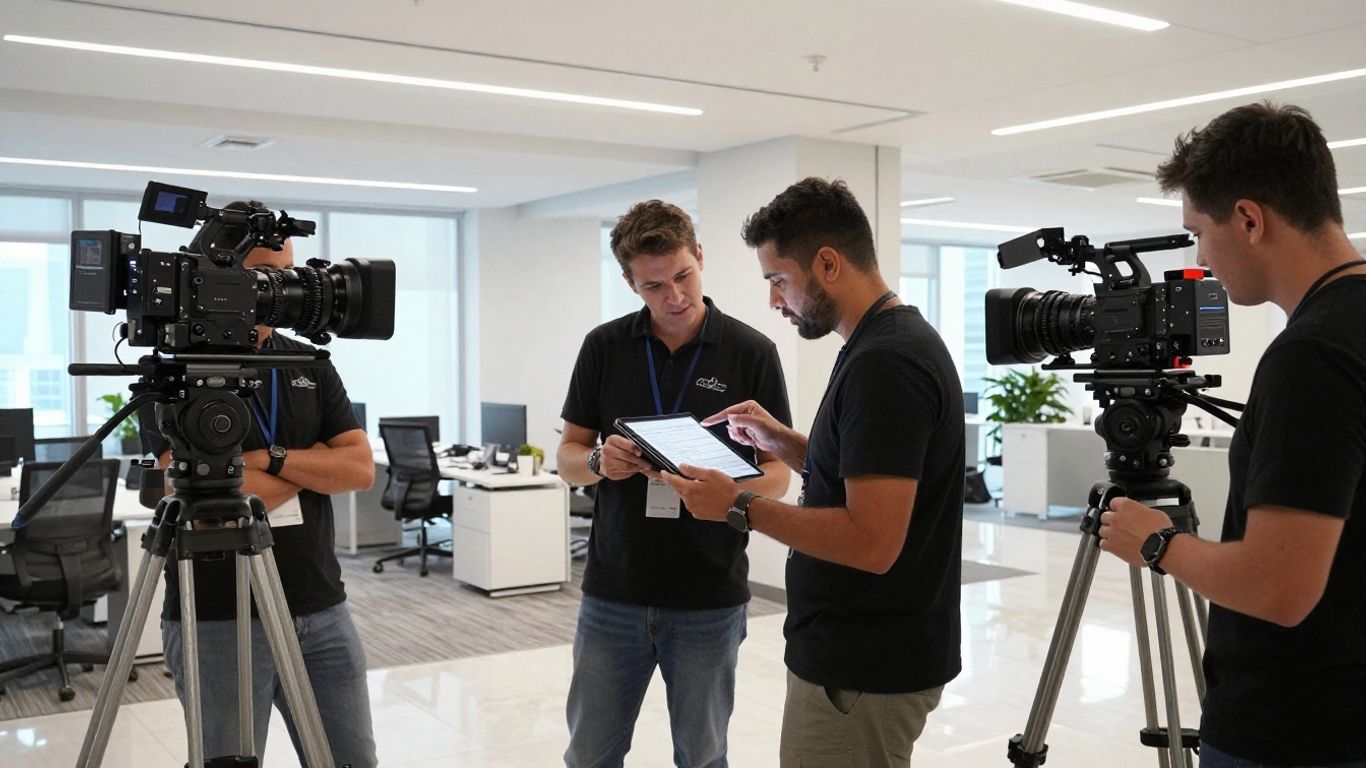
An efficient production pipeline allows your team to move quickly without sacrificing quality. By defining every step during the planning phase, you reduce friction and avoid the common pitfalls that cause delays. This is where VG Creations often helps partners manage logistics so that the creative vision remains the primary focus.
Pre-production strategy and scripting
Effective storytelling begins long before the camera starts rolling. You should map out every shot and script every line to ensure the core message is concise and impactful. This preparation helps you avoid unnecessary reshoots and keeps your message aligned with your broader objectives.
Allocating resources and scheduling shoots
Time management is a critical component of successful audio and video production for any growing business. You must coordinate your crew, equipment, and subjects with precision to minimize dead air on set. When you treat scheduling with the same attention as the creative aspects, you ensure a smoother shoot day for everyone involved.
Minimizing revision cycles through clear communication
Protocols that keep feedback loops short are the best way to keep projects moving forward. You want to establish clear touchpoints with your stakeholders to confirm project alignment before moving to the next stage. This proactive approach saves time and keeps your team focused on delivering high-quality results.
The role of cinematography and technical execution
Mastering the technical side of your craft requires a deep understanding of how light and sound shape the viewer’s emotional experience. When you commit to a high standard of technical execution, you create a polished final product that demands attention. You can view this level of detail as the bedrock of professional videography standards.
Selecting appropriate lighting setups for various environments
Good lighting is not just about visibility; it is about setting the mood for your narrative. You can adapt your setups to suit everything from bright, airy office interviews to dark, dramatic ambient settings. By understanding how light falls on your subject, you add depth and professional character to each frame of your video assets.
Importance of high-quality audio recording
Viewer tolerance for poor audio is significantly lower than for poor video quality. You must invest in high-fidelity microphones to ensure your message is delivered with absolute clarity. Crisp audio is a hallmark of professional events video production and prevents the distracting noise that often hurts brand credibility.
Framing and composition for cinematic impact
Composition guidelines allow you to guide the viewer’s eye toward what truly matters on screen. Beyond just keeping subjects in focus, you should experiment with different depths of field and camera angles to create a cinematic look. This visual structure separates amateur footage from high-end, brand-defining content.
Elevating content with professional post-production
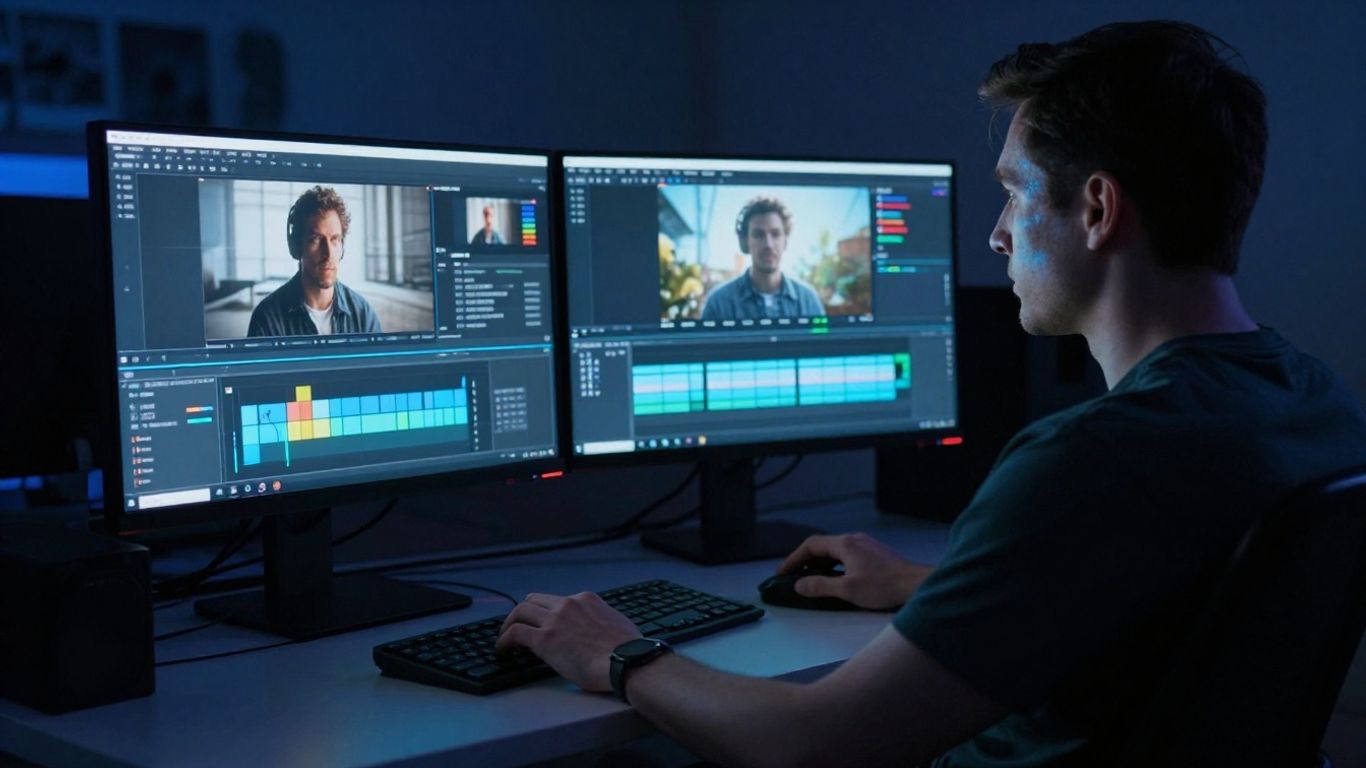
Editing is the final stage where the raw intent of your project actually comes together to tell a story. It requires a quiet, focus-driven environment where you can refine pacing, color, and audio balance to perfection. Outsourcing your editing can be a smart move if you want to ensure your content meets the high standards of professional video editing services.
Enhancing visual stories through color grading
Color grading allows you to unify the look of your project and inject color emotions that sync with your brand identity. Rather than leaving the image flat, you can use color to delineate scenes or highlight your specific brand colors. This visual polish makes the difference in whether your content feels like a cohesive brand asset.
Professional sound mixing and mastering
Sound design involves more than just balancing voice levels; it includes layer music or ambient sound to build the right atmosphere. Mastering ensures your volume levels remain consistent across all devices, from a desktop speaker to a phone screen. Poorly mixed audio is one of the quickest ways for a potential customer to tune out.
Strategic editing for audience retention
Your editing strategy should aim to keep retention rates high by removing distractions and speeding up the pacing of your narrative. When you edit with intention, every cut serves to move the viewer closer to the final call to action. Strategic cuts can make all the difference in maintaining interest from the first second until the final screen.
Maximizing ROI on your production investment
Once your video is finished, your marketing strategy must pivot toward getting that asset in front of the right eyes. You need a distribution plan that understands the nuances of each platform to ensure your content reaches the intended segment. By evaluating your results, you ensure that your next production is even more effective than the last.
Distributing content across social media channels
Each social media platform has specific requirements for length, format, and style that you must honor. You should optimize your content so that it performs natively regardless of the feed it appears in. When you treat social media as an integral part of your production funnel, you gain much more value from every single project.
Tracking engagement and performance metrics
Success in video marketing is often measurable through data such as completion rates, click-throughs, and comments. You should examine these trends to identify which parts of your narrative are resonating with your audience. Tracking these metrics is the best way to translate your creative output into tangible business outcomes.
Repurposing long-form content into short-form clips
To maximize the value of your production, you should create a content ecosystem where one large production fuels multiple smaller posts. This strategy ensures you stay visible without needing a new camera crew for every update. Below is a simple guide on how to approach this repurposing effort:
| Content Source |
Repurposing Strategy |
Goal Audience |
| Full Webinar |
Highlights & Quotes |
Industry Partners |
| Podcast Episode |
Short Teaser Reels |
Social Media Fans |
| Promo Commercial |
GIF/Animated Version |
Email Subscribers |
By systematically breaking down long-form content, you expand your reach across diverse platforms. This approach transforms a single investment into a library of usable media.
Choosing the right production partner
Finding a partner that understands your brand values is vital for long-term production success. You need a team that takes the time to listen before they start building, ensuring your narrative remains authentic. When you partner with experienced professionals, you gain peace of mind knowing the project is in capable hands.
Evaluating a portfolio for stylistic consistency
Reviewing a potential partner’s past projects gives you a direct look at their standard of excellence. You want someone who demonstrates a clear, consistent visual aesthetic that aligns with your professional needs. Pay attention to their technical skill across various project types, such as commercials and testimonials, to see if they fit your brand.
Assessing technical equipment and capabilities
Your chosen partner should have the tools required to complete the project without external dependencies. This ensures that the technical quality remains high from start to finish and avoids unexpected costs or delays. They should demonstrate familiarity with the latest industry-standard software and hardware.
Importance of collaborative communication styles
Clear, consistent communication is the cornerstone of any great professional relationship. A good partner will ask probing questions during the discovery phase and maintain open lines of communication throughout the entire process. This collaborative spirit turns a simple contract into a dynamic and rewarding partnership for your company.
Conclusion
Mastering your production process is an ongoing journey of balancing creative ambition with strategic business requirements. By focusing on your audience’s needs, committing to technical excellence during filming and editing, and choosing a dedicated production partner, you create visuals that do much more than just look good—they actually drive real results for your brand.
Frequently Asked Questions
Why is pre-production considered the most important phase?
Pre-production allows for critical decision-making that prevents expensive mistakes. When you have a solid plan and script, you remove uncertainty and can focus entirely on executing your high-quality visual narrative correctly.
How long does a typical professional video project take?
Timelines vary based on the complexity, scale, and format of the content you are producing. A simple testimonial video may take a few weeks, while complex commercial or documentary work requires more extensive time for planning, filming, and post-production refinement.
Should I hire a separate photographer and videographer?
Managing your assets is often simpler when you work with a production partner who offers both services. This integrated approach ensures consistent lighting, branding, and style across all your visual materials while saving time on communication and management.
What makes a video feel professional?
Professionalism comes from high-quality audio, stable and deliberate framing, and expert color grading. These combined technical elements create a polished finish that builds instant credibility with your audience.
How does video help with brand growth?
Video builds trust by offering an authentic, face-to-face look at your expertise and business stories. It connects with your customers on an emotional level, leading to higher engagement and a more distinct presence in your market.
Why do my social videos get lower engagement?
Low engagement often stems from poor audio quality or failing to hook the viewer in the first three seconds. Ensure that your content provides immediate value and is optimized for the specific rhythm of the platform you are using.
How do I know if my content is effective?
Data is your best indicator of effectiveness, especially metrics like average watch time and conversion rates. When you track performance, you can see exactly which formats and narratives drive your audience to take the steps you want.