To help you make an informed choice when selecting the best camera for professional photography in 2026, here are some key points to keep in mind. These takeaways cover the most important aspects to consider for your creative and business needs.
Key Takeaways
- Prioritize sensor size and autofocus systems for superior image quality and sharp focus, especially in demanding situations.
- Look for high ISO performance and fast frame rates if you often shoot in low light or capture fast action.
- Consider your specific photography niche; different styles require different camera strengths, like high resolution for landscapes or fast burst speeds for sports.
- Evaluate the lens ecosystem of a camera system – native and third-party lens options are vital for versatility and future growth.
- Don’t overlook ergonomics and user experience; a comfortable camera with intuitive controls and good battery life will improve your shooting workflow.
Understanding Professional Camera Essentials
When you’re looking to step up your photography game to a professional level, there are a few core things you absolutely need to get right. It’s not just about having the latest gadget; it’s about understanding what makes a camera truly capable of producing top-tier work. Let’s break down the big hitters.
Sensor Size and Image Quality
The sensor is basically the camera’s digital film. Its size directly impacts how much light it can capture, which in turn affects image quality, especially in tricky lighting. Generally, bigger is better for detail and less noise, but don’t discount smaller sensors entirely. They can still produce amazing results, especially in more compact systems.
- Full-Frame: The largest common sensor size, offering the best light-gathering capabilities and shallow depth of field. Ideal for portraits and low light.
- APS-C: A popular mid-size option, balancing image quality with camera size and cost. Great for a wide range of photography.
- Micro Four Thirds: Smaller sensors lead to smaller, lighter cameras and lenses, making them very portable.
The resolution, or megapixel count, is also important, but it’s not the only factor for image quality. More megapixels mean you can crop in tighter or print larger images without losing detail, but a camera with fewer megapixels but a better sensor can often outperform one with more.
Autofocus Systems for Precision
In professional photography, missing focus is not an option. Modern cameras have incredibly sophisticated autofocus (AF) systems. You’ll want to look for systems that are fast, accurate, and can track subjects reliably. This is especially important for action, wildlife, or even fast-moving portrait subjects. Features like eye-AF for humans and animals, and wide-area coverage across the frame, are game-changers. A good AF system means you spend less time worrying about focus and more time composing your shot.
Durability and Build Quality
Professional gear gets used, and often it gets used hard. Whether you’re shooting in dusty deserts, rainy city streets, or freezing mountains, your camera needs to hold up. Look for cameras with robust construction, often described as weather-sealed or built with magnesium alloy bodies. This doesn’t mean they’re indestructible, but it does mean they’re designed to withstand more challenging conditions than your average consumer camera. If you plan on shooting professionally, investing in gear that can take a beating is a smart move. You can find some of the top high-end cameras that fit this bill, like the Nikon Z8.
When choosing a camera, think about where and how you’ll be shooting most often. A camera that’s built like a tank might be overkill if you primarily work in a studio, but it’s a lifesaver if you’re often out in the elements. It’s all about matching the gear to your specific needs and workflow.
Key Features for the Best Camera for Professional Photography
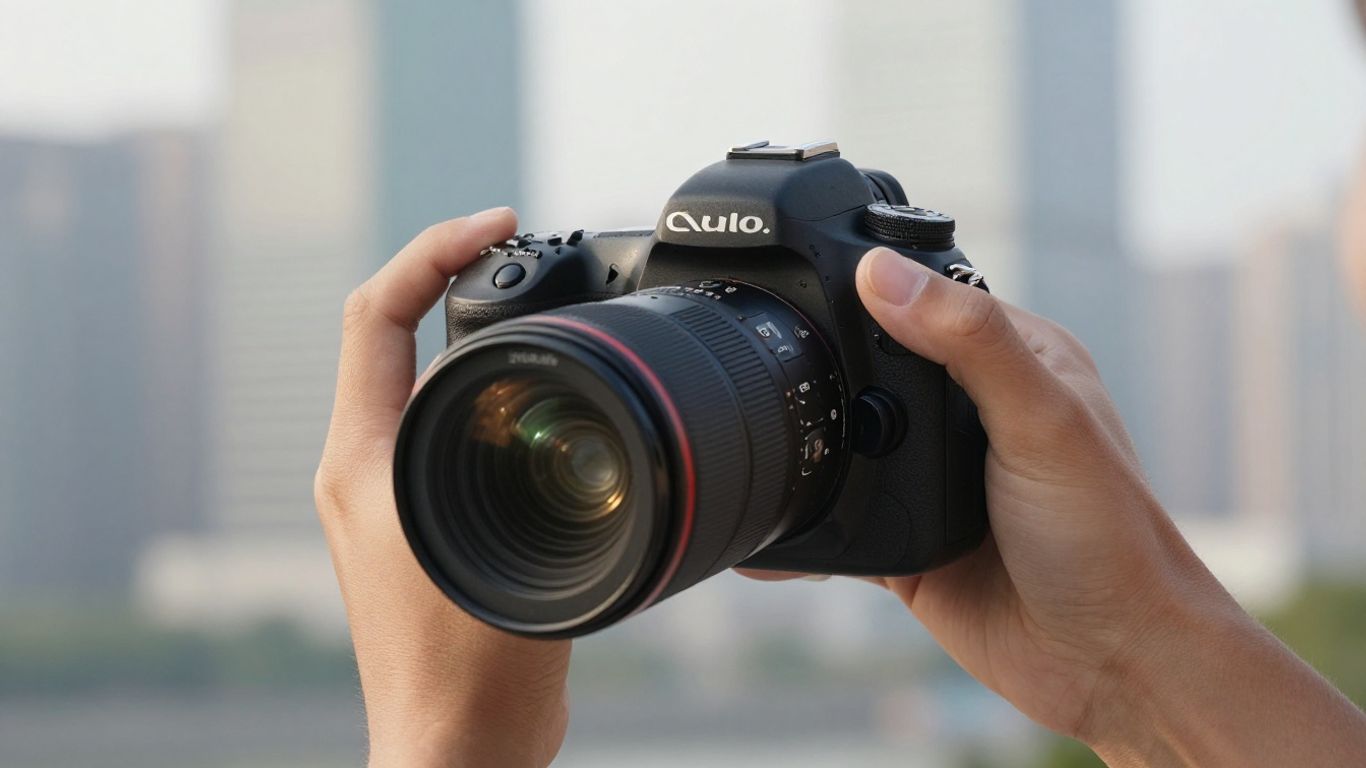
When you’re looking to buy a camera for professional work, it’s not just about the brand name or how it looks. You need to think about what you’ll actually be doing with it. Different jobs require different tools, and some features make a big difference.
High ISO Performance and Low Light Capabilities
Shooting in dim light or at night used to be a real challenge. Cameras with good high ISO performance can take usable photos even when the light is low, without making the image look too grainy or noisy. This is super important for event photographers, wedding shooters, or anyone who finds themselves working after sunset. You want to capture the mood without adding a bunch of distracting speckles. A camera that handles ISO well means you can use faster shutter speeds too, which helps freeze motion.
Frame Rate and Buffer Depth for Action
If you’re shooting sports, wildlife, or anything that moves fast, you need a camera that can keep up. A high frame rate, measured in frames per second (fps), means the camera can take many pictures in quick succession. This is where a good buffer depth comes in. The buffer is like a temporary holding area for those rapid-fire shots. If the buffer fills up too quickly, you’ll have to wait for it to clear before you can shoot again, potentially missing the perfect moment. A camera with a large buffer allows you to shoot longer bursts without interruption.
Here’s a quick look at how frame rates can vary:
| Camera Model (Example) |
Max Frame Rate (fps) |
Buffer Depth (Approx. RAW) |
| Nikon Z8 |
20 |
100+ |
| Sony Alpha A1 |
30 |
150+ |
| Canon EOS R3 |
30 |
1000+ (with CFexpress Type B) |
Video Capabilities for Hybrid Shooters
These days, a lot of photographers also shoot video. If you’re a hybrid shooter, meaning you do both stills and video, you’ll want a camera that excels at both. Look for features like high-resolution video (4K or even 8K), good frame rate options for slow motion, internal recording of high-quality codecs, and decent autofocus performance in video mode. Some cameras even have special picture profiles that help with color grading later on. If you’re thinking about video, checking out professional videography services might give you ideas about what quality to aim for.
When considering video, don’t just look at the resolution. Think about how you’ll use the footage. Do you need slow-motion capabilities? What about the camera’s ability to record in different color profiles for editing? These details can make a big difference in the final product.
Top Camera Picks for Professional Photographers in 2026
Alright, so you’re looking for a new camera, and not just any camera – a pro-level workhorse for 2026. It’s a crowded market out there, but a few stand out from the pack. These are the cameras that serious photographers are talking about, the ones that blend cutting-edge tech with reliable performance.
Nikon Z8: The All-Around Powerhouse
This camera has been getting a lot of buzz, and for good reason. It’s often called the best overall, and honestly, it’s hard to argue with that. It handles pretty much any shooting situation you throw at it, from fast-paced action to detailed landscapes. The image quality is top-notch, and the autofocus system is seriously impressive. Plus, Nikon has a really solid lineup of lenses, which is a big deal when you’re investing in a system. If you want one camera that can do almost everything at a high level, the Z8 is a strong contender. It’s definitely a big investment, but it feels built to last and perform.
The Nikon Z8 is a camera that truly does it all. It combines exceptional image quality, fast and reliable autofocus, pro-level build quality, strong video features, and one of the best lens ecosystems available. It’s the camera on this list that does the widest range of jobs at the highest level.
Sony Alpha Series: Versatility and Innovation
Sony continues to push boundaries with its Alpha series. Cameras like the A7R V are known for their incredible detail and groundbreaking autofocus, often using AI to track subjects with uncanny accuracy. They’re incredibly versatile, making them a go-to for many professionals across different genres. Whether you’re shooting portraits, weddings, or even wildlife, there’s likely an Alpha camera that fits the bill. The mirrorless technology means they’re generally more compact than older DSLRs, which is a nice bonus for long days on location. If you’re looking for innovation and a system that’s always evolving, Sony is a brand to watch closely. You can find some great deals on their gear if you look around.
Canon EOS R Series: A Strong Contender
Canon isn’t sitting on the sidelines either. Their EOS R series has really come into its own, offering a compelling mix of features and performance. Many photographers appreciate Canon’s color science, and the R series cameras often provide a really comfortable shooting experience. Models like the R5 II are praised for their capabilities, especially for travel photography, balancing size with full-frame quality. Canon also has a growing lens selection, and their commitment to mirrorless technology means they’re investing heavily in the future of their system. For those who prefer the Canon ecosystem or are looking for a camera that feels familiar yet modern, the R series is definitely worth a look. They’re also a popular choice for hybrid shooters who need strong video capabilities alongside stills, which is becoming more common in professional work, like corporate video production.
Here’s a quick look at some key strengths:
- Nikon Z8: Unmatched all-around performance, robust build, excellent lens options.
- Sony Alpha Series: Leading autofocus technology, high resolution, innovative features, strong video.
- Canon EOS R Series: Great color science, comfortable ergonomics, strong hybrid capabilities, growing lens system.
Choosing between these often comes down to personal preference, specific needs, and which lens ecosystem you want to invest in long-term. It’s worth trying to get your hands on them if possible before making a final decision.
Choosing the Right Camera for Your Niche
Every photo niche has its demands, and picking the right camera means thinking about your main subject. Whether you’re out chasing starlit landscapes or capturing a couple’s biggest day, the right tools help you work smarter, not harder.
Landscape and Astrophotography Needs
Landscape and astro shooters deal with tricky light, wide scenes, and all kinds of weather. Here’s what to look for:
- Big sensors (full-frame is common) for rich detail and low noise at night.
- Weather-sealed bodies to handle dew, cold, and wind.
- Good battery life, since you’ll often be far from power.
- Wide-angle lens compatibility is a must for vast scenes.
| Feature |
Importance |
Example |
| Sensor Size |
Very High |
Full-frame |
| Weather Sealing |
High |
Yes |
| Tilt/Artic Screen |
Useful |
Yes |
| Interval Shooting |
Bonus |
Built-in Timer |
You don’t want to haul a heavy kit up a mountain only to struggle with buttons or run out of juice. Pick reliable, comfortable gear and focus on the scene, not your camera hassles.
Portrait and Wedding Photography Requirements
Cameras for weddings and portraits have to nail focus and work in different lighting. You often need:
- Fast and accurate eye autofocus for sharp people shots.
- Dual card slots, so you always get a backup.
- Quiet shutter options for ceremonies.
- Support for a variety of zoom and prime portrait lenses.
Getting a strong autofocus system can be the difference between a keeper and a lost moment. Having flexible flash support is a big win, too, as wedding light is rarely perfect.
Wildlife and Sports Photography Demands
For sports or wildlife, speed and reach are everything. Here’s what you’ll want:
- Fast continuous shooting (10+ FPS is ideal).
- Big buffer to keep shooting action bursts.
- Reliable subject tracking autofocus.
- Strong telephoto lens support.
- Rugged build for tough environments.
| Camera Feature |
Typical Need for Action |
Notes |
| Max Burst Rate (FPS) |
10 or higher |
For fast action |
| Autofocus Points |
400+ |
Wide coverage |
| Weather Sealing |
Very High |
For outdoor use |
- Always test the autofocus tracking on moving subjects before deciding.
- Lighter bodies are easier to swing quickly; don’t overlook handling.
- Having a gripped model helps for long telephoto sessions.
If you’re doing a bit of everything—or need a camera that blends stills with video—consider a hybrid that excels in both worlds, like versatile mirrorless camera models designed for 2026’s demands.
Each niche pushes your gear in different ways, and a camera perfect for sports might let you down on a starlit hillside. Take time to understand what you shoot most and pick the model that matches your reality—not just what’s top of the line.
Lens Ecosystems and Future-Proofing Your Investment
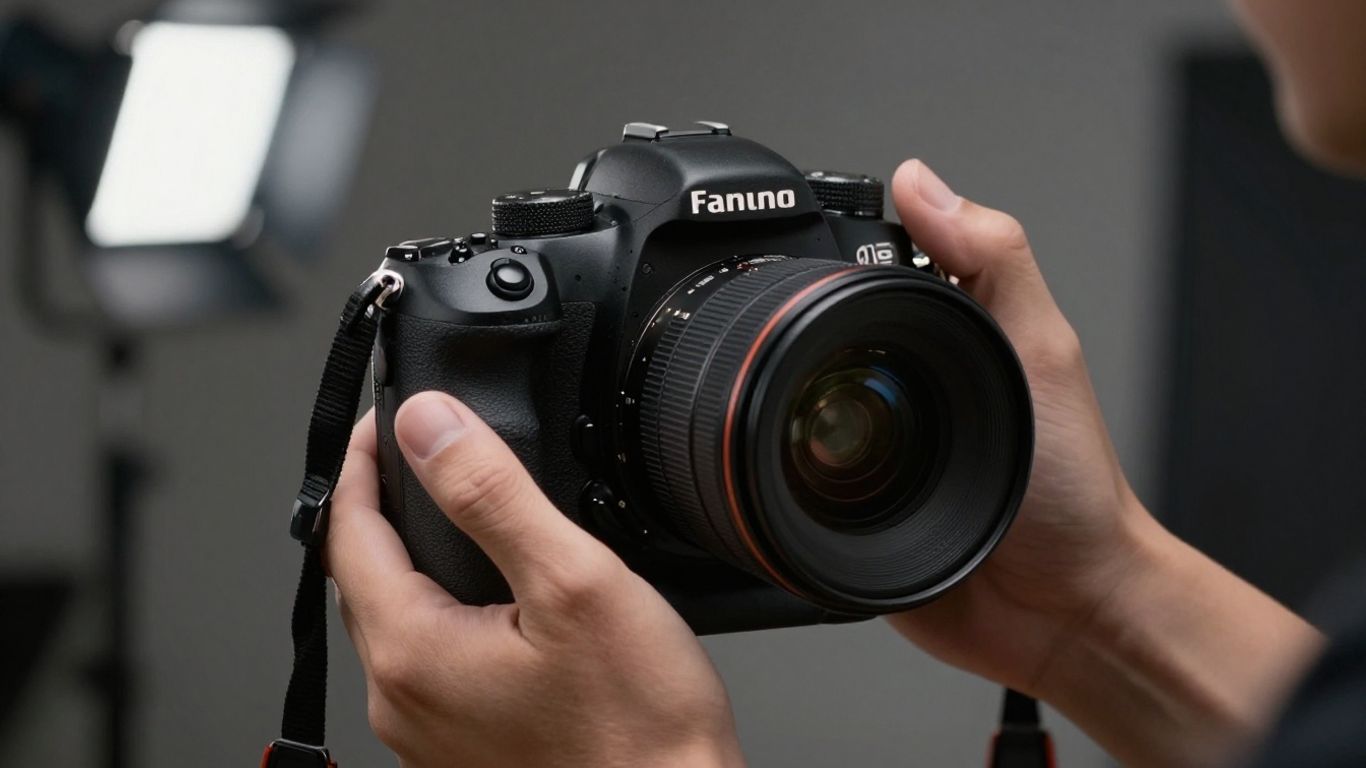
When you’re putting serious money into a camera for work, you have to look past the camera body itself. What really matters in the long run is the lens ecosystem you’re buying into.
Native Lens Availability and Quality
Every camera brand has its own lens mount, and your options can be wider or more limited depending on what you pick. Here’s a look at major brands as of 2026:
| Brand |
Native Lenses |
Flagship Wide-Angle |
Flagship Telephoto |
Third-Party Support |
| Canon |
Excellent |
RF 15–35mm f/2.8 |
RF 100–500mm f/4.5–7.1 |
Great |
| Sony |
Extensive |
FE 16–35mm f/2.8 |
FE 200–600mm f/5.6–6.3 |
Best |
| Nikon |
Growing |
Z 14–24mm f/2.8 |
Z 100–400mm f/4.5–5.6 |
Good |
- Canon and Sony each have a deep lineup, from fast primes to premium zooms.
- Nikon’s newer Z-mount now offers enough variety for most pros, though some long lenses still remain on backorder.
- Third-party options like Sigma and Tamron help fill gaps, but native lenses usually deliver faster autofocus and the most reliable performance.
Third-Party Lens Options
If cost is a concern or if you want special lenses, third-party makers often have you covered. Sigma, Tamron, and Tokina offer great value and sometimes unique focal lengths. However, not all camera brands open their mounts to outsiders equally:
- Sony E-mount has the widest third-party selection.
- Canon RF has some restrictions, but adapters can help you use older EF models.
- Nikon Z is opening up, but not as wide as Sony yet.
Make sure your system of choice isn’t too limiting if you have a specific lens in mind!
Considering Future System Expansions
Before locking into a camera system, think about where you might be a few years from now. Will you want to add super-telephoto for wildlife, or tilt-shift lenses for architecture? Brands that continue to innovate and expand their lens lines are easier to grow with.
- Brands shift focus, like DSLRs moving aside for mirrorless
- Some mounts have handy adapters for using old glass
- Check for planned or rumored lenses if you don’t see your dream focal length yet
When you pick a camera, you’re really investing in a whole system. The body you buy today probably won’t stay with you forever, but a good lens collection will stick around far longer.
Building a flexible kit takes research, and it pays off: You won’t be left scrambling to find lenses that match your vision, whether you’re shooting landscapes, portraits, or fast-moving events. For those who mix stills and video, it’s also smart to consider how lens support shifts in video production is changing expectations—parfocal designs, linear motors, and silent operation are more common now, and that can change what you prioritize. Choose a system that sets you up for easier upgrades down the road, not just today’s job.
Ergonomics and User Experience
When you’re out shooting for hours, the camera needs to feel right in your hands. It’s not just about how pretty it looks; it’s about how it works with you, not against you. Think of it like a comfortable pair of shoes for a long hike – you don’t want blisters at mile two.
Handling and Button Layout
This is where things get personal. Some cameras just feel better to hold than others. A good grip is important, especially if you have larger hands or are shooting in cold weather with gloves on. The placement of buttons and dials also makes a huge difference. You want to be able to adjust settings like aperture, shutter speed, and ISO without taking your eye off the viewfinder. A well-designed camera lets you control its core functions intuitively.
Here’s a quick look at what to consider:
- Grip Comfort: Does it fit your hand well? Is there enough space for your pinky finger?
- Button Accessibility: Can you reach the most-used buttons and dials easily, even when wearing gloves?
- Customization: Can you reassign buttons to your preferred functions? This is a big one for tailoring the camera to your shooting style.
Electronic Viewfinder and LCD Screen
The viewfinder is your window to the scene, and the LCD screen is your control panel and review station. For the viewfinder, look for a high resolution (dots) and a good magnification factor (magnification). A bright viewfinder that’s easy to see in direct sunlight is a plus. For the LCD, an articulating screen is super helpful if you plan on shooting video or need to get awkward low-angle shots. Touchscreen functionality can also speed up menu navigation and focus point selection. Many professional cameras now offer screens with over 2 million dots, making them sharp and clear for reviewing images.
Battery Life and Storage Solutions
Running out of battery mid-shoot is a photographer’s nightmare. Professional cameras usually have decent battery life, but it’s always good to check reviews and consider carrying spares. Look at the type of battery used; some are more common and cheaper than others. For storage, dual card slots are a lifesaver. This allows you to back up your photos as you shoot or separate RAW files from JPEGs. The type of card supported (SD, CFexpress) also impacts speed and cost, so it’s worth looking into the best camera for your needs.
Don’t underestimate the importance of how a camera feels. A camera that’s uncomfortable to hold or difficult to operate will slow you down and can even lead to missed shots. It’s worth spending time in a store just holding different models to see what feels right for you.
Conclusion
Choosing the best camera for professional photography in 2026 is a big decision, but it doesn’t have to be overwhelming. By understanding the core features that matter, like sensor size, autofocus, and build, you can narrow down your options. Remember to consider your specific photography niche, whether it’s landscapes, portraits, or action shots, and how the camera’s lens system fits your long-term goals. Ultimately, the best camera is the one that feels right in your hands and helps you tell your story effectively. Take your time, do your research, and invest in a tool that will serve your creative vision for years to come.
Frequently Asked Questions
What’s the biggest difference between cameras for pros and hobbyists?
Cameras for pros usually have tougher bodies, faster performance, and better autofocus. They’re built to handle lots of use and tricky situations, like bad weather or fast-moving subjects. Hobbyist cameras are often simpler and less expensive, focusing on good image quality without all the advanced features.
Do I really need the most expensive camera to be a professional photographer?
Not at all! While high-end cameras can make certain tasks easier, good image quality has been great for years. Many pros use cameras that aren’t the absolute latest or most costly. What matters most is how you use the camera and your skill.
What does ‘full-frame’ mean for a camera sensor?
A full-frame sensor is about the size of a traditional 35mm film frame. Cameras with these sensors often perform better in low light and can create a more blurred background effect, which is nice for portraits. Smaller sensors, like APS-C, are found in more compact and often cheaper cameras.
How important is the camera’s autofocus system?
It’s super important, especially if you shoot moving things like sports or wildlife. A good autofocus system can lock onto your subject quickly and keep it in focus, even when it’s moving fast. This means fewer blurry shots and more keepers.
What’s the deal with camera ‘frame rate’ and ‘buffer depth’?
Frame rate is how many pictures the camera can take per second, measured in frames per second (fps). A higher fps is great for action. Buffer depth is how many of those rapid shots the camera can store before it slows down. A bigger buffer lets you shoot longer bursts without waiting.
Why are lenses so important when choosing a camera system?
Lenses are like your eyes for the camera. A camera body might be great, but without good lenses, your photos won’t reach their full potential. Different lenses let you capture different looks – wide for landscapes, telephoto for distant subjects, and prime lenses for sharp portraits. A strong lens selection means you can adapt to many photo situations.