Choosing a lens for videography can be confusing, but a few simple points can help you decide what fits your project best.
Key Takeaways
- Zoom lenses like the 24-105mm and 24-70mm are great for flexible shooting at events or on the go.
- Prime lenses such as the 50mm f/1.2 and 85mm f/1.2 give you sharp focus and soft backgrounds for interviews.
- Wide-angle lenses like the 16-35mm and 15-35mm are perfect for tight spaces or dramatic scenes.
- Macro lenses (like the 100mm) are handy for close-up shots of products or details.
- The right lens can help your business videos look more professional and connect better with your audience.
1. Canon Rf 24-105mm F/4 L Is Usm
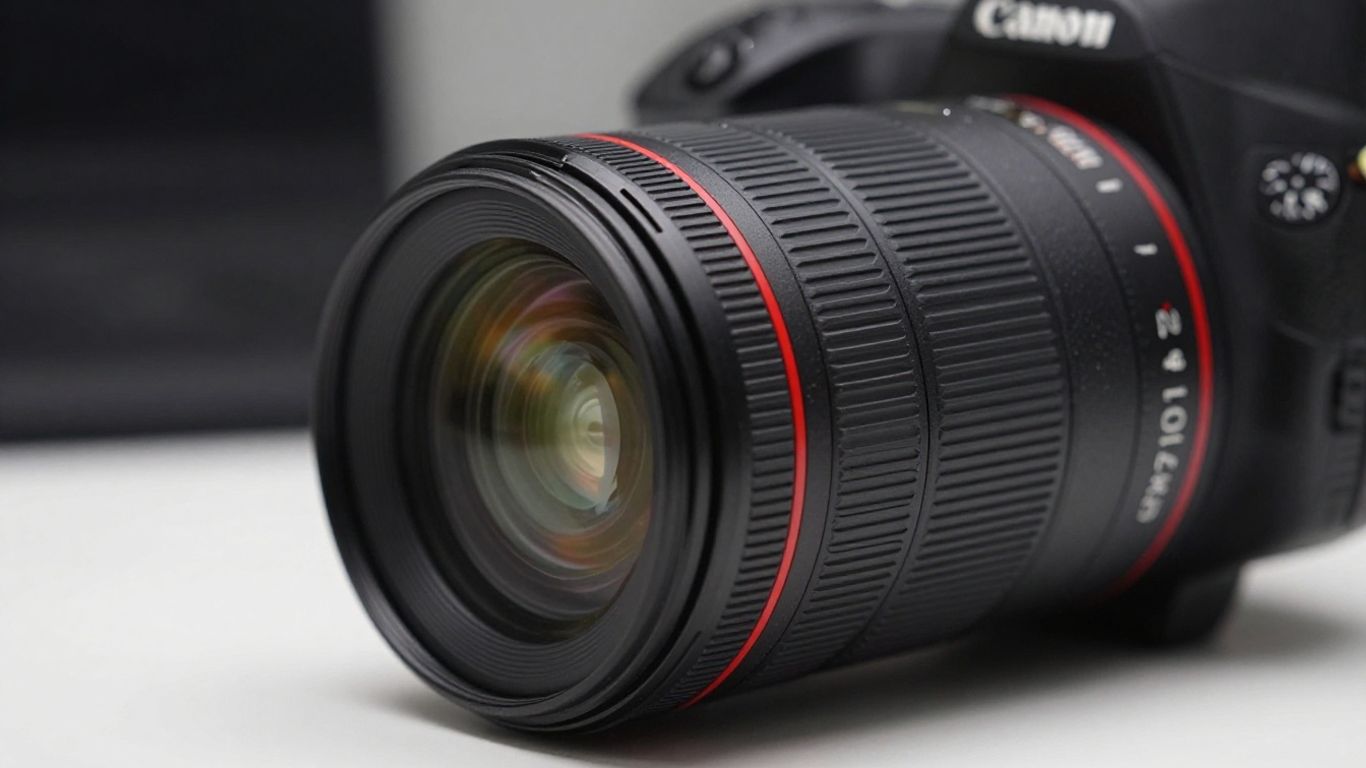
The Canon RF 24-105mm F/4 L IS USM sits at the heart of a videographer’s toolkit. This lens is a true workhorse for events, documentaries, and everyday creative video work. You get a wide zoom range, which handles everything from wide establishing shots to tighter interviews without needing to swap lenses. The constant f/4 aperture means your exposure stays predictable across the whole range. It’s sharp corner-to-corner, even wide open, and the image stabilization is strong enough for handheld work.
Let’s break down the main strengths:
- Covers wide to short telephoto, so you don’t miss a moment
- Fast, accurate autofocus with smooth, silent pulls
- Weather-sealed, so you can use it outdoors worry-free
- Optical stabilization, great for run-and-gun filming
- Lightweight for an L-series, won’t tire you out on long shoots
| Feature |
Detail |
| Focal Range |
24-105mm |
| Max Aperture |
f/4 (constant) |
| Image Stabilization |
Up to 5 stops |
| Weight |
~700g |
| Filter Thread |
77mm |
| Mount |
Canon RF |
Whether you’re capturing a hectic wedding or running-and-gunning on a doc shoot, this lens is reliable, flexible, and takes the stress out of getting coverage.
Canon also has a newer variant offering a wider aperture, but this classic mid-range zoom capability still delivers great quality for a lot of creators. If you prioritize versatility, it’s going to live on your camera most of the time.
2. Canon Rf 50mm F/1.2 L Usm
Ah, the classic 50mm. It’s a focal length that just feels right for so many things, and the Canon RF 50mm f/1.2 L USM is a real standout in this category. This lens is a dream for anyone wanting that creamy, out-of-focus background, often called bokeh, which really makes your subject pop. It’s fantastic for portraits, obviously, but also for product shots where you want to isolate the item.
One of the biggest draws here is that f/1.2 aperture. What does that mean for you? Well, it lets in a ton of light. This is a lifesaver when you’re shooting in dimmer conditions, like indoors or during golden hour, without needing to crank up your ISO too much and get noisy footage. Plus, that wide aperture is what gives you that super shallow depth of field. You know, the kind that makes your subject sharp and the background a beautiful blur. It’s a look that screams professional video.
This lens is a bit of a workhorse. It’s not just for fancy shots; it’s practical too. The autofocus is quick and quiet, which is a big deal when you’re recording audio. You don’t want your lens making whirring noises in the background of your interviews or vlogs. It’s built like a tank, too, as you’d expect from Canon’s L series.
Here’s a quick look at what makes it special:
- Low Light Performance: That f/1.2 aperture is your best friend when the sun goes down.
- Shallow Depth of Field: Get that cinematic look with beautifully blurred backgrounds.
- Image Quality: Expect sharp details and great color rendition straight out of the camera.
- Autofocus: Fast, accurate, and quiet – perfect for video.
While it’s a prime lens, meaning you can’t zoom with it, the 50mm focal length is incredibly versatile. It’s often called the “normal” lens because it mimics the human eye’s perspective pretty closely. You can get close for tighter shots or step back a bit for wider scenes. It’s a lens that really encourages you to move your feet and compose your shots intentionally, which can lead to more creative results. If you’re looking to add a lens that offers both stunning visual effects and practical shooting capabilities, the Canon RF 50mm f/1.2L USM is definitely worth considering for your video kit.
3. Canon Rf 24-70mm F/2.8 L Is Usm
The Canon RF 24-70mm f/2.8 L IS USM is a serious workhorse for videographers who don’t want to switch lenses every time they shoot. It covers just about everything—from wide angled scenes to close-up interviews—without you having to pause and rethink your gear. There’s an image stabilization system built in, which can honestly save your footage if you’re following action or shooting handheld. This thing is quick to focus, almost silent, and feels pretty balanced, even after an hour of running around on set.
You might be wondering how it stacks up in the real world, so here are some key reasons people keep this on their camera:
- Bright maximum aperture (f/2.8) works for both low light and shallow depth of field.
- Broad zoom range means you can film dramatic establishing shots and then punch in tight without lens swapping.
- Weather-sealed build lets you not worry if you’re caught shooting in unpredictable conditions.
Here’s a quick look at its main specs:
| Feature |
Specification |
| Focal Length |
24-70mm |
| Maximum Aperture |
f/2.8 |
| Image Stabilization |
Yes, up to 5 stops |
| Weight |
Approx. 900g |
| Autofocus Motor |
Nano USM (super quiet) |
Moving from a cramped indoor shot to a wide outdoor location? This lens just keeps up, making it a go-to for anyone filming events, short films, or even vlogs that need a reliable zoom.
If you want to get more into the details, the Canon RF 24-70mm f/2.8 sits high on many shooters’ lists for a reason: it’s made to handle whatever you throw at it in the field.
4. Canon Rf 85mm F/1.2 L Usm
The Canon RF 85mm F/1.2 L USM is one of those lenses that hardly needs an introduction if you’ve ever shot portrait video. Its super wide f/1.2 aperture lets you blur backgrounds so much, your subject really pops, almost like a 3D effect. This is huge when you want to bring emotion and intimacy to interviews or narrative scenes. The bokeh is smooth, and skin tones look natural straight out of the camera, so you spend less time fixing things in post.
But it’s not just about the dreamy look. The lens is also incredibly sharp, which is perfect for high-resolution cameras. Autofocus is quick and reliable—even in low light, which can be a life-saver during event shoots or weddings. Plus, it’s great for creative projects where you want to play with depth of field or light.
Here’s a quick table that breaks down some of the key specs videographers care about:
| Feature |
Detail |
| Aperture Range |
f/1.2 – f/16 |
| Focal Length |
85mm |
| Image Stabilization |
No |
| Autofocus |
USM (fast, quiet) |
| Weight |
~1195g |
Some reasons to use the RF 85mm f/1.2L for video:
- Excels at low-light shooting thanks to the f/1.2 aperture
- Produces very shallow depth of field for cinematic backgrounds
- Delivers outstanding detail and micro-contrast
- Fast autofocus makes it practical for both controlled sets and run-and-gun setups
If what you need most is image sharpness and rich color with super soft backgrounds, this lens is hard to beat. It’s especially worth considering if you film interviews, narrative work, or even music videos.
Still unsure? You’ll find plenty of opinions from shooters who say it’s even sharper than lenses like the EF 35mm f/1.4L II; feel free to check out all about how sharp the RF 85mm really is if you’re on the fence.
5. Canon Rf 70-200mm F/2.8 L Is Usm
This lens is a powerhouse for anyone serious about telephoto work in videography. The 70-200mm range is incredibly versatile, letting you zoom in on details from a distance or compress perspectives for a dramatic look. Its f/2.8 aperture is a game-changer for low-light situations and achieving that creamy, out-of-focus background that makes your subject pop.
When you’re shooting events or need to capture action without getting too close, this lens really shines. The image stabilization is top-notch, which is a lifesaver when you’re hand-holding or shooting at longer focal lengths. It helps keep your footage smooth and professional, even if you’re not on a tripod. Plus, the L-series build means it’s built tough to handle the demands of regular use.
Here’s a quick look at why it’s a favorite:
- Versatile Zoom Range: Covers everything from tighter shots to more expansive telephoto views.
- Bright f/2.8 Aperture: Excellent for low light and shallow depth of field.
- Image Stabilization: Keeps your shots steady.
- Professional Build Quality: Durable and reliable for demanding shoots.
While this lens offers incredible flexibility, remember that longer focal lengths can sometimes exaggerate camera shake if not handled carefully. Practicing smooth movements and utilizing stabilization are key to getting the most out of it.
It’s a significant investment, no doubt, but for professionals who need that reach and low-light capability, it’s hard to beat. It’s the kind of lens that lets you capture shots you simply couldn’t get otherwise, making it a solid choice for documentary filmmakers or anyone shooting sports or wildlife. You can find more about professional video production techniques on VG Creations.
6. Canon Rf 16-35mm F/2.8 L Is Usm
When it comes to videography, the Canon RF 16-35mm F/2.8 L IS USM is the kind of wide-angle zoom that quickly becomes a staple in your kit. This lens stands out for its fast and consistent f/2.8 aperture across the zoom range, making it a go-to for both run-and-gun shooters and creative filmmakers who crave wide, cinematic shots. With focal lengths that work for everything from tight interiors to sweeping landscapes, you get serious versatility in a single glass.
A few reasons shooters keep gravitating toward the 16-35mm:
- The ultra-wide perspective lets you capture immersive scenes and add a dramatic sense of scale
- Constant f/2.8 aperture means reliable low-light performance, whether you’re indoors or shooting late in the day
- Advanced image stabilization helps smooth out handheld movements, which is especially helpful for solo shooters or when you don’t have a gimbal handy
Here are a few key specs at a glance:
| Feature |
Detail |
| Focal Length |
16-35mm |
| Maximum Aperture |
f/2.8 |
| Image Stabilization |
Yes, up to 5 stops |
| Autofocus |
Fast, accurate, very quiet |
| Weight |
Approx. 700g (1.54 lbs) |
Wide zooms like this make life easier during events or doc shoots where you need to move fast, frame on the fly, and count on your kit to deliver just about anything you can imagine.
If you’re not sure which lens to start with for mixed lighting or fast-paced coverage, pros from the event videography world often rank the 16-35mm as an absolute must for its flexibility and rock-solid results.
7. Canon Rf 35mm F/1.8 Is Macro Stm
This little prime lens is a real workhorse for videographers, especially if you’re into vlogging or shooting handheld. It’s super lightweight and compact, making it easy to carry around all day. The 35mm focal length is fantastic for getting those natural-looking shots that aren’t too wide or too tight – it’s like the perfect middle ground for storytelling. Plus, that f/1.8 aperture means you can shoot in pretty dim conditions and get that nice blurry background effect that makes your subject pop. It’s also got macro capabilities, which is a neat bonus for getting up close and personal with details.
Here’s why it’s a solid choice:
- Versatile Focal Length: 35mm is great for everything from environmental portraits to street scenes and general walkaround use.
- Low Light Performance: The f/1.8 aperture lets in a lot of light, making it ideal for indoor shooting or evening shots.
- Image Stabilization: Helps keep your footage steady, especially when you’re not using a tripod or gimbal.
- Macro Functionality: Allows for close-up shots, adding another layer of creative possibility.
This lens really shines when you need something adaptable. It’s not the fanciest lens out there, but its practicality and image quality for the price are hard to beat for everyday shooting.
It’s a lens that doesn’t get in your way, letting you focus on capturing the moment. If you’re looking to build out your kit without breaking the bank, this is definitely one to consider. It’s a great option for anyone trying to develop a successful video content strategy by having versatile tools at their disposal [d6db]. It’s a lens that just works, and works well.
8. Canon Rf 100mm F/2.8 L Macro Is Usm
If you’re aiming for incredibly detailed close-up shots or unique perspectives in your videography, the Canon RF 100mm F/2.8 L Macro IS USM really stands out. This lens goes further than just macro shooting—its sharpness and crisp rendering give you a professional look, even when you push the details to the limit.
Here’s why videographers are reaching for this lens in 2026:
- Fantastic sharpness: Details pop, making it perfect for product shots, nature, or intricate textures.
- True 1.4x macro capability: Slightly more than true-to-life magnification lets you pull in more from small subjects than most typical macro glass.
- Hybrid IS system: Helps stabilize even the tiniest shakes, which is critical for handheld or dynamic video work.
It’s not only about how close you can get, though. The 100mm focal length is long enough for beautiful background blur, so talking head interviews or dramatic slow-motion shots with lots of separation come out looking cinematic. Many users notice it captures intricate elements—even fine spider threads on petals—better than previous macro lenses, as mentioned in customer appreciation.
Here’s a quick data snapshot for the RF 100mm F/2.8L:
| Specification |
Detail |
| Maximum Aperture |
f/2.8 |
| Macro Magnification |
1.4x |
| Image Stabilization |
Hybrid IS |
| Minimum Focus Dist. |
26cm (approx. 10.2 inches) |
| Weight |
~730g (1.61 lbs) |
| Autofocus Motor |
Nano USM |
Whether you’re showcasing delicate jewelry, creating moody, isolated scenes in a music video, or shooting commercial work where micro-details matter, this lens will likely stay on your camera much longer than you might think.
It’s not just a specialist tool—if creative detail and flexible framing are on your list, this one belongs in the kit bag of every modern videographer.
9. Canon Rf 15-35mm F/2.8 L Is Usm
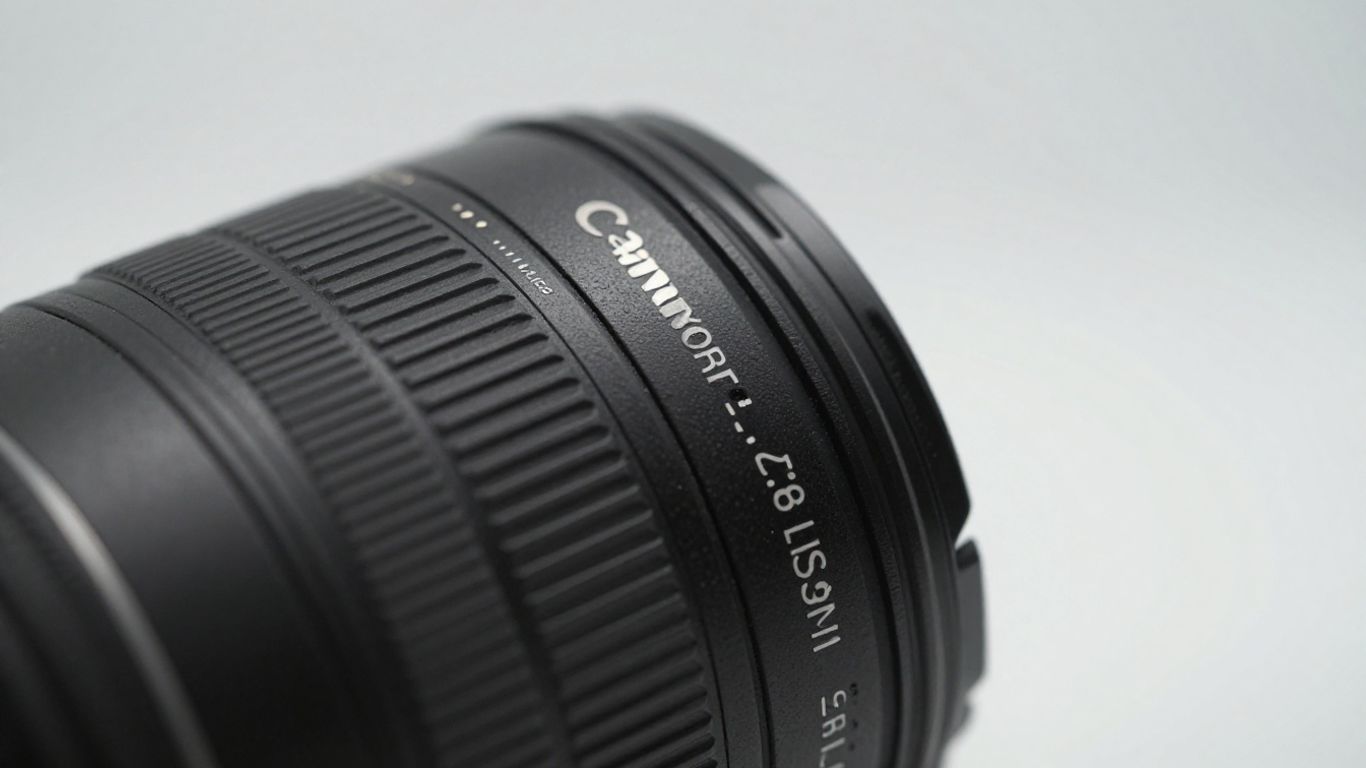
Okay, so you’re looking for that super wide, dramatic look? The Canon RF 15-35mm f/2.8 L IS USM lens is a solid choice for that. It’s got a really wide angle, which is awesome for landscapes, big architectural shots, or when you just want to make a space feel huge. Plus, that f/2.8 aperture means you can shoot in dimmer light and get that nice blurry background effect, which is always a plus for making your subject pop.
This lens is part of Canon’s L series, so you know it’s built tough and should handle professional use pretty well. It also has image stabilization, which is a lifesaver when you’re shooting handheld or trying to get smooth pans. Honestly, getting smooth footage can be a challenge, but good gear helps a lot.
Here’s a quick rundown of what makes it stand out:
- Wide Field of View: Perfect for expansive scenes.
- Constant f/2.8 Aperture: Great for low light and shallow depth of field.
- Image Stabilization: Helps keep your shots steady.
- L-Series Quality: Durable construction and good optics.
It’s a bit of a bigger investment, for sure, but if you need that ultra-wide perspective with professional quality, it’s definitely worth considering. You can get a good feel for its capabilities by checking out video reviews of the lens in action.
When you’re shooting video, especially in situations where you can’t control the lighting or the space, having a lens that can adapt is key. The 15-35mm range gives you a lot of flexibility without having to swap lenses constantly. It’s like having a few different lenses in one package, which is super handy when you’re on a job and time is tight.
10. Canon Rf 28-70mm F/2 L Usm
The Canon RF 28-70mm F/2 L USM is a heavy-hitter that feels like a prime lens kit packed into one body. If you want to keep your kit simple but still want pro results, this lens covers nearly every popular focal length for interviews, B-roll, and even some wide establishing shots, all while giving you that consistent f/2 aperture. It’s what you’d grab when you want cinema-quality footage but don’t want to keep swapping lenses all day.
Here are a few things that make this lens stand out for video work:
- Unique constant f/2 aperture lets you shoot in lower light and get smooth background blur throughout the zoom range.
- Image quality rivals the sharpest primes, so you keep crisp detail whether shooting wide or zoomed in.
- The focus ring is smooth and responsive, which is key for pulling focus during a shot.
- Big and heavy, yes, but it’s a favorite among professionals who care more about results than saving a few ounces. It’s probably not what you want if you’re running and gunning or prioritizing portability; for that, lighter zooms might fit better.
| Feature |
Specification |
| Focal Length |
28-70mm |
| Maximum Aperture |
f/2 |
| Autofocus |
USM |
| Weight |
~1430g (3.15 lbs) |
| Image Stabilization |
No |
| Weather-Sealed |
Yes |
For videographers who don’t mind the extra weight, the payoff comes in the form of truly stunning, flexible visuals that can handle fast-paced commercial shoots just as easily as more controlled interviews.
Folks who’ve used it know that while it isn’t exactly small, it’s the kind of lens you pick when you want to trust your gear. Even in a demanding production environment, this lens handles whatever you throw at it, giving footage a polished, cinematic look that’s hard to beat. And if you’re wondering about real-world experiences, you’ll find that many agree: it does its best work on a tripod, gimbal, or shoulder rig—so shoulder those few extra pounds and watch your video’s depth and clarity just pop.
Conclusion
Picking the right lens can really change how your videos look and feel. Each Canon lens on this list brings something special, whether you need a wide shot at an event or a close-up for an interview. At VG Creations, we use these lenses to help businesses tell their stories with clarity and style. The right gear, paired with a solid plan, makes your brand stand out on screen. If you’re looking to step up your video game or want advice on what lens to try next, our team is always here to help you get the most out of every shoot.
Frequently Asked Questions
Do I need more than one lens for videography?
It depends on what you’re filming. A zoom lens covers a lot, but having a prime lens or macro lens helps for special shots.
What’s the difference between a prime lens and a zoom lens?
A prime lens has one fixed focus length, so it doesn’t zoom. Zoom lenses let you change how close you are to your subject without moving.
Can I use these Canon RF lenses on any Canon camera?
These RF lenses work best on Canon’s mirrorless R-series cameras. They won’t fit older Canon DSLRs without an adapter.
Why do videographers like lenses with wide apertures?
Wide apertures (like f/1.2 or f/2.8) let in more light. This helps in dark places and makes backgrounds look soft and blurry.
Are macro lenses only for close-ups?
Macro lenses are best for close-ups, but you can use them for portraits or other creative shots too.
How do I pick the right lens for my business videos?
Think about what you film most. For events, go with a zoom. For interviews, try a 50mm or 85mm. If you’re still not sure, ask a pro or reach out to a team like VG Creations for advice.