Key Takeaways
Creating effective video requires a balance of clear storytelling and strategic technical execution.
- Define your unique brand voice before filming begins.
- Utilize testimonial content to build genuine audience trust.
- Prioritize pre-production planning for superior visual output.
- Distribute your media across multiple platforms for maximum reach.
- Analyze viewer metrics to refine your ongoing video strategy.
Defining your visual brand identity
A clear visual identity serves as the foundation for every piece of content your company produces. Without a cohesive look, your audience may become confused by inconsistent messaging platforms. By establishing a professional style early, you ensure that every engagement feels like a natural extension of your business goals.
Identifying your core values and brand voice
Start by articulating what your business stands for beyond financial outcomes. When your team clearly defines its mission, the video content you create will naturally resonate with the people you intend to serve. This is often the starting point for branding video production which helps structure how your story reaches the public.
Choosing a visual aesthetic that fits your market
Your market dictates the visual cues that your audience expects to see. For instance, a luxury law firm needs a different color palette and pacing than a fast-paced technology startup. | Element | Brand Focus | Visual Style | | :— | :— | :— | | Color Palette | Trusted Tones | Professional and Calm | | Lighting | Natural/Bright | Clean and Transparent | | Motion Design | Subtle Transitions | Smooth and Minimalist | This structured approach ensures your brand remains recognizable across various media channels.
Aligning video content with your target audience profile
Understanding who watches your video is just as important as the quality of the edit. You must map your content to the specific needs of your customer segments, moving beyond general demographic data. If your audience seeks expertise, focus on educational formats that provide immediate value to their daily challenges.
Ensuring consistency in color palettes and motion design
Consistency reinforces familiarity and builds long-term brand equity over time. When your audience sees a recurring color or a specific style of transition, they subconsciously build an association with your company. Keeping these design elements uniform across all media is a hallmark of VG Creations, which specializes in maintaining aesthetic integrity throughout the entire production lifecycle.
Essential types of brand promotion videos
Selecting the right video format is essential if you want to connect with your viewers on a deeper level. Different formats achieve unique business objectives, from raising raw awareness to closing a complex sale.
Commercial videos for increasing brand awareness
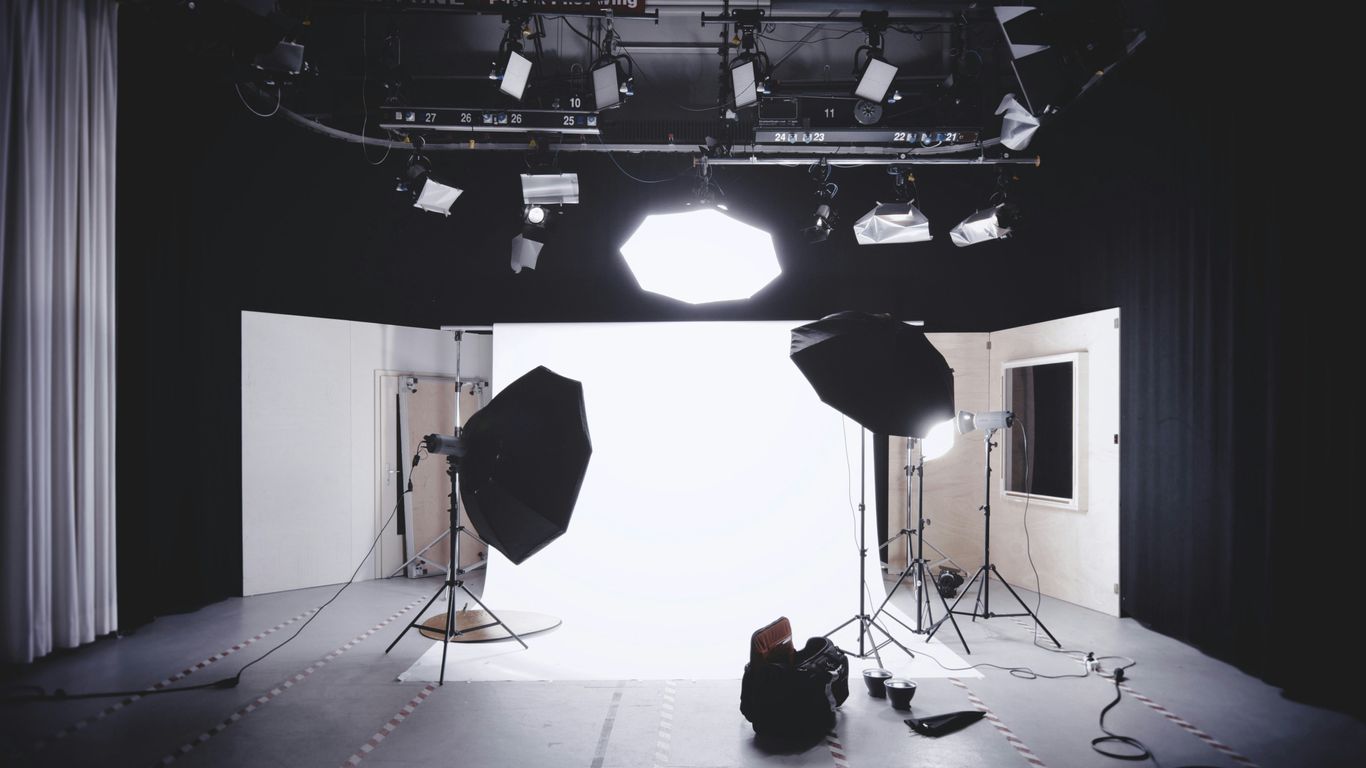
Standard commercials still hold significant weight when you need to introduce your company to a wider group of stakeholders. These pieces should be short, punchy, and highly targeted to trigger an immediate interest in your brand story. Mastering professional video commercial production is about distilling your value proposition into an accessible narrative.
Testimonial videos to build audience trust
Authentic stories from satisfied clients are one of the most powerful tools in your marketing arsenal. By investing in high-quality testimonial videos, you provide social proof that is hard for text-based reviews to replicate. These segments often become the backbone of corporate trust-building efforts.
Behind-the-scenes content for humanizing your business
Showing the work that goes into your products demystifies the production process for your customers. It turns a faceless corporation into a collection of skilled people working toward a common goal. This human element is central to your brand authority.
Product explainer videos to drive conversions
Explainer videos serve as a bridge between curiosity and a final purchase decision. They simplify complex service offerings, allowing your potential clients to understand exactly what they receive when they partner with you.
The strategic video production process
Successful media isn’t an accident; it is the product of a rigorous and repeatable workflow. When you treat video as a strategic asset rather than an expense, you stop creating content and start developing long-term marketing equity.
Pre-production: Planning and project storyboarding
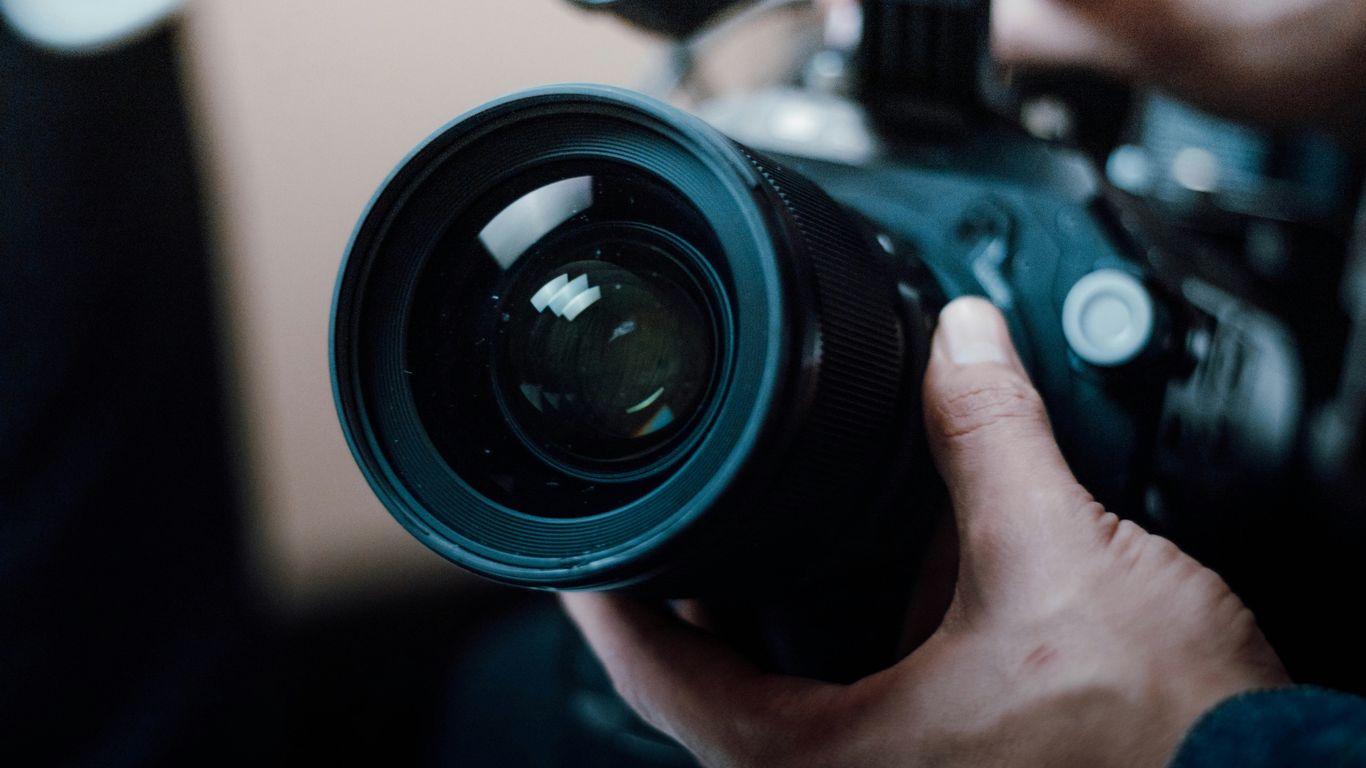
Planning covers everything from scriptwriting to scouting the perfect location for your shoot. This phase is where you define the story arc and ensure that every camera angle has a specific purpose. You should consider:
- Defining clear project goals for every segment.
- Storyboarding the key visual transitions.
- Scheduling time for essential B-roll collection.
- Auditioning talent or interviewing team members.
The quality of your final output is heavily dependent on the thoroughness of these initial efforts.
Cinematic filming techniques for high-quality visuals
Filming is the intersection of technology and art, requiring a keen eye for lighting and composition. VG Creations utilizes cinematic photography and videography to capture footage that stands out in a crowded digital landscape. Proper techniques ensure your brand looks polished and intentional from the very first frame.
Post-production: Editing and storytelling flow
Editing takes raw footage and shapes it into a compelling narrative arc that holds the viewers’ focus. It is here that VG Creations applies its signature post-production services to ensure every cut advances your primary message. The flow should feel effortless, guiding the user through your story without unnecessary distractions.
The role of sound design in emotional connection
Sound design accounts for over half of the emotional impact in any professional video. A well-placed sound effect or a carefully chosen music track can change the mood from clinical to warm in a matter of seconds. Never underestimate how audio elevates the viewer’s experience of your message.
Strategies for effective video distribution
Your video is only as valuable as the distribution engine behind it. Without a proper plan to get eyes on your work, even the highest-quality production will fail to reach its target audience.
Optimizing video content for social media platforms
Every social network has its own cadence, and you must tailor your clips to fit those environments. Vertical orientations, shortened durations, and platform-specific audio settings are all part of an effective distribution strategy. Getting your video in front of the right person requires customizing how it appears on their news feed.
Integrating videos into website landing pages
Embedding professional content on your landing pages can drastically improve your bounce rates and time-on-page metrics. Visitors are more likely to engage with your service descriptions when they can digest the core information via a short, high-energy clip. It is one of the most effective ways to communicate value quickly.
Leveraging paid advertising for wider reach
Paid campaigns provide a predictable way to put your brand in front of specific high-intent audiences. When you couple your best content with refined targeting, you create a direct pipeline to your sales team. This is a common method for scaling up your reach whenever you launch a new product or service.
Content repurposing to extend your video lifespan
One long-form video can be fragmented into dozens of smaller pieces for various platforms. This strategy extracts the maximum value from your production investment while simultaneously keeping your content calendar full. It is the most sustainable way to keep your brand visible without needing a full production shoot every week.
Measuring the performance of your brand videos
Data-driven decision making is the only way to ensure your efforts are actually improving the bottom line. You must move past vanity metrics and look at how visual media translates into tangible interest from your qualified leads.
Understanding key performance indicators (KPIs) for video
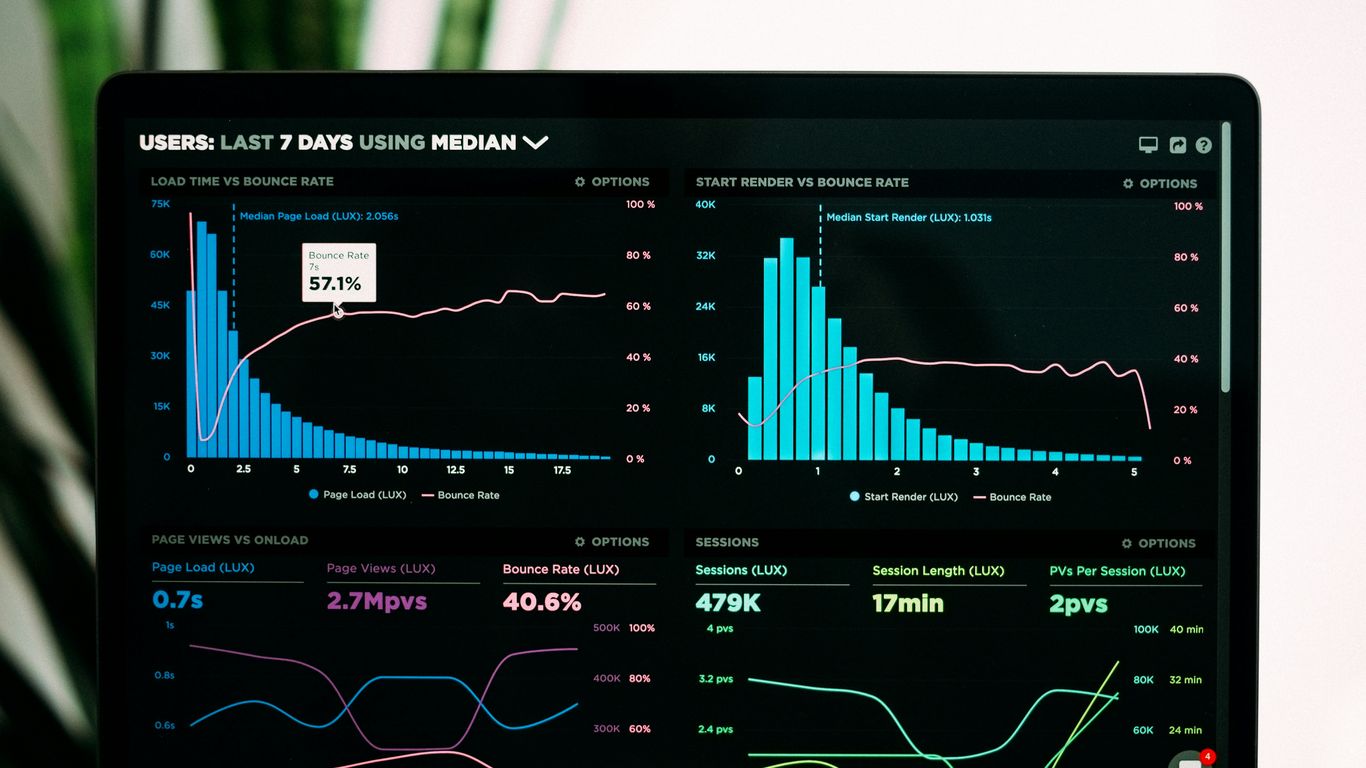
KPIs should be based on your specific business goals, whether that means brand awareness or direct lead generation. You might look at completion rates to determine if your story arc is engaging, or click-through rates on your call-to-action buttons to measure success after the video finishes playing. A strategic video strategy allows you to see exactly where your audience drops off.
Tracking engagement metrics to measure interest
Engagement metrics tell you exactly how your viewers are interacting with your content in real-time. Tracking how long users watch your clips provides a clear signal regarding the effectiveness of your pacing and script. High retention rates represent a major victory for your content marketing team.
Analyzing conversion rates from video interactions
Conversion tracking connects your visual content to your sales data. When a user watches a video and then moves to fill out a contact form or request a demo, you have successfully bridged the gap between interest and commitment. This direct causality is what you should always be looking to measure.
Using data analytics to refine future video strategies
Future campaigns should always be an improvement upon the previous cycle. By iterating based on hard performance data, you effectively reduce waste and focus your budget on the formats and topics that your audience clearly prefers. This analytical cycle is critical for long-term growth.
Partnering with a professional production agency
Expertise is the difference between content that people scan and content that people remember. Working with a dedicated video production company allows you to focus on your business operations while external professionals handle the technical complexities of your marketing assets.
Benefits of hiring professional cinematographers
Professionals bring a level of technical and creative polish that is rarely possible with DIY internal efforts. A cinematographer understands how to control lighting, frame shots, and direct talent in a way that aligns perfectly with your brand voice.
Streamlining your workflow with an expert team
Experienced production teams have refined workflows that minimize the need for endless revisions and feedback loops. By collaborating with experts, your marketing team can move much faster, keeping your campaigns agile and relevant in a fast-changing market.
How to evaluate a production studio’s portfolio
Look for evidence that a studio can execute on more than just one type of format. A high-quality portfolio will demonstrate versatility, showcasing an ability to handle everything from complex corporate events to intimate client interviews. You want to see consistent quality across every sample they provide.
Effectively communicating your vision to creators
Clear communication simplifies the process for everyone involved in your project. When you provide your production partners with a clear brief and actionable goals, they can turn those constraints into a creative, impactful visual strategy that delivers real momentum for your company.
Conclusion
Developing a compelling brand promotion video is an investment that yields long-term dividends through increased trust and better engagement. By focusing on your visual identity, choosing the right formats for your goals, and partnering with experienced professionals, you position your business to stand out in a competitive market. Keep your metrics in mind, be flexible with your distribution, and always prioritize storytelling over raw production value.
Frequently Asked Questions
Why is video important for modern business branding?
Video provides a unique medium for quickly establishing trust and demonstrating expertise to your target customers in a way that static text cannot achieve.
How long should an effective promotional video be?
Optimal length depends on the platform, but most high-performing videos range between 60 and 90 seconds to ensure the message remains concise without losing viewer attention.
What is the most important phase of video production?
Pre-production is generally considered the most critical phase because it establishes the strategy, storyboard, and goals that guide every subsequent step of the process.
Should I use stock footage or custom brand footage?
Custom footage is always preferred as it builds authentic brand recognition and shows real humans, which significantly helps in fostering deeper trust compared to generic stock images.
How do I know if my video campaign is working?
Monitor your KPIs—specifically watch time, link clicks from the video, and the volume of inquiries generated directly following the video’s release on your channels.
Can I repurpose one long video for multiple platforms?
Yes, repurposing is essential for efficiency, as you can break down long-form content into shorter clips tailored to individual social networks like LinkedIn, TikTok, or Instagram.
When should a small business start producing videos?
It is better to start as early as possible by focusing on simple, authentic content that addresses your customers’ most common questions or provides value through your unique expertise.