Key Takeaways
Effective brand video content starts with a clear business goal, not a camera setup. Plan the story, production, distribution, and measurement as one connected system.
- Define the audience, message, and business outcome before production begins.
- Choose a video format that matches the viewer’s stage and intent.
- Build a practical plan for talent, locations, schedules, and deliverables.
- Use cinematography, sound, editing, and captions to make the message easier to absorb.
- Measure meaningful actions and use the results to improve the next production.
Define your brand video content strategy
A strong video strategy gives every creative choice a job to do. Before discussing scripts or lenses, decide what the video should change for the business and what the audience should understand afterward. This approach treats video as strategy rather than a collection of attractive shots. A useful companion is this brand video planning guide, which emphasizes audience, message, outcomes, and measurable KPIs.
Align video goals with business objectives
Start with one primary objective and a small number of supporting goals. A launch video may need to increase awareness, while a customer story may be intended to support sales conversations or reduce hesitation. Write the desired action in plain language, then choose a metric that can reasonably reflect it. A clear objective keeps the production focused when stakeholders begin requesting extra ideas.
Identify your target audience and their needs
Audience research should influence the story, not just the media plan. Consider what viewers already know, what they distrust, and what question they need answered before they take the next step. A healthcare organization, for example, may need calm explanations and careful language, while an event team may want immediacy and atmosphere. The best brand video content feels specific because it respects the viewer’s situation.
Choose the right brand story and message
A brand story does not have to recount the company’s entire history. Choose one tension, belief, customer need, or turning point that gives the audience a reason to care. Then reduce the message to a sentence that can survive without the visuals. This branded video guide offers a useful reminder that the format should convey a brand’s mission and purpose rather than simply display a logo.
Set a realistic production budget and timeline
Budget decisions should follow the communication problem. More locations, talent, filming days, visual effects, and revision rounds all add time and cost, so define what the finished asset must accomplish before expanding its scope. Build in time for approvals, legal review, reshoots, captions, and exports. A modest production with a clear brief will usually serve a brand better than an ambitious concept that cannot be finished properly.
Choose the right type of brand video
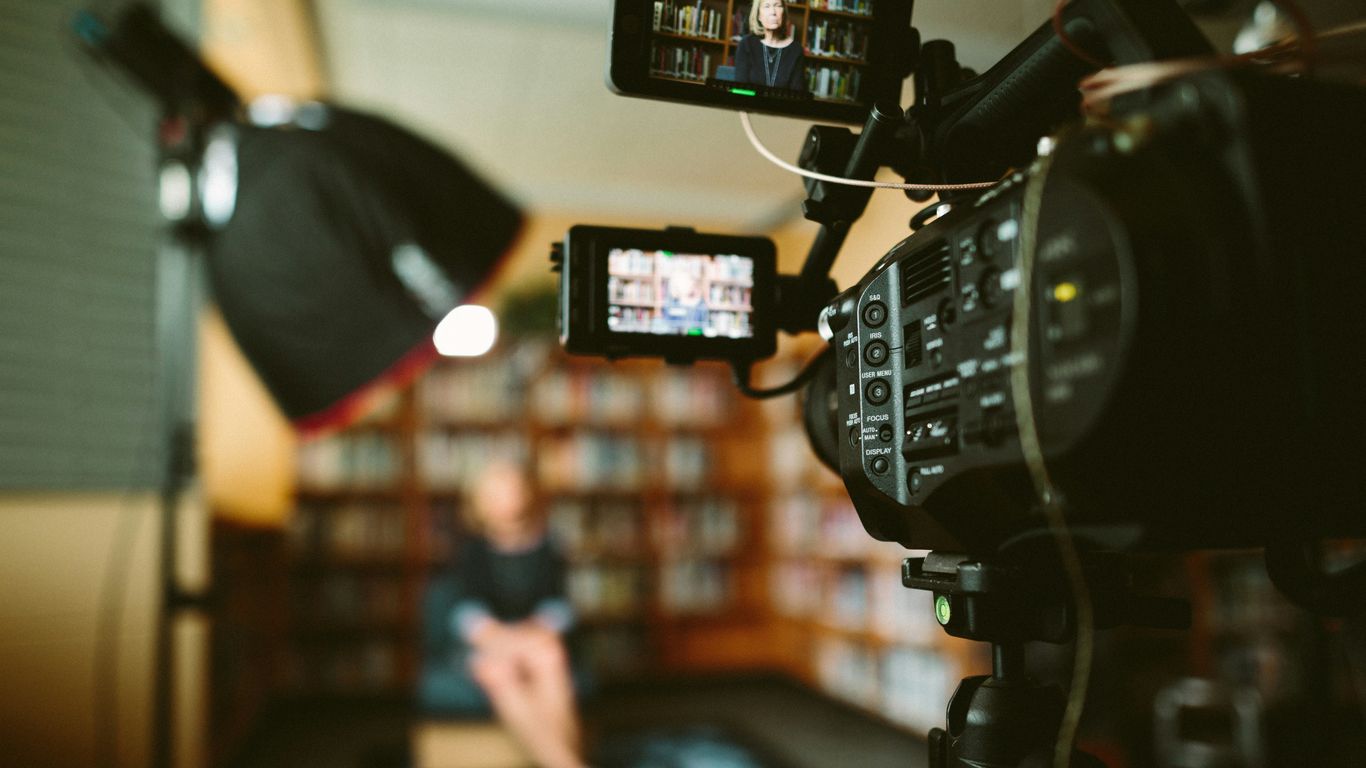
Different formats solve different communication problems. A promotional video can introduce an idea quickly, while an interview may create a more personal sense of trust. Think about where the viewer is encountering the video and what they need at that moment. VG Creations lists Commercials, Corporate, Training and Education Videos, Testimonial Video Production, Video Podcast Production, and Live Streaming among its video services, illustrating how a content plan can include several formats without losing its central message.
Build awareness with commercials and promotional videos
Commercials and promotional videos are useful when the audience needs a memorable first impression. Give the opening seconds a clear visual or idea, keep the promise understandable, and end with a next step that fits the campaign. The strongest promotional work does not try to explain everything; it creates enough clarity and curiosity for the viewer to continue.
Explain complex ideas with training and education videos
Educational videos work best when they reduce a specific point of confusion. Break the subject into a logical sequence, use examples, and show the process whenever possible. A presenter, screen recording, animation, or demonstration can carry the explanation, but each element should make the idea easier rather than more impressive. For internal training, also consider how the video will be updated when procedures change.
Create trust with testimonials and interview videos
Testimonials and interviews gain credibility from specificity. Ask people to describe the problem they faced, what changed, and which details mattered to them. Avoid feeding every answer from a script; guided prompts generally sound more natural and reveal useful moments. For example, a healthcare story might introduce a TMJ specialist in a way that centers the patient’s questions and experience, without turning one person’s account into a general promise.
Extend your reach with social media and video podcast content
Social clips and video podcasts can make one substantial conversation useful in more places. Record with future edits in mind, including clean pauses, strong opening statements, and framing that can work in both horizontal and vertical crops. VG Creations describes its Video Podcast Production service as covering setup through post-production for audio and video podcasts, a scope that fits teams seeking a coordinated recording rather than disconnected assets.
Capture real-time engagement with event and live-streaming videos
Event and live-streaming videos carry energy that is difficult to recreate later. Plan for reliable audio, clear audience sightlines, backup recording, and a simple way to handle unexpected changes. Event footage can also become a library of short interviews, reactions, and recap material. A team planning a custom experience may find team-building event ideas useful when thinking about which moments will create genuine on-camera participation.
Develop a concept that represents your brand
The concept is the bridge between strategy and production. It determines what the viewer sees, hears, and remembers, while giving the crew a shared interpretation of the brief. A concept should be recognizable without becoming a visual gimmick. It should also leave enough room for real people and unscripted details when authenticity matters.
Establish your visual identity and tone
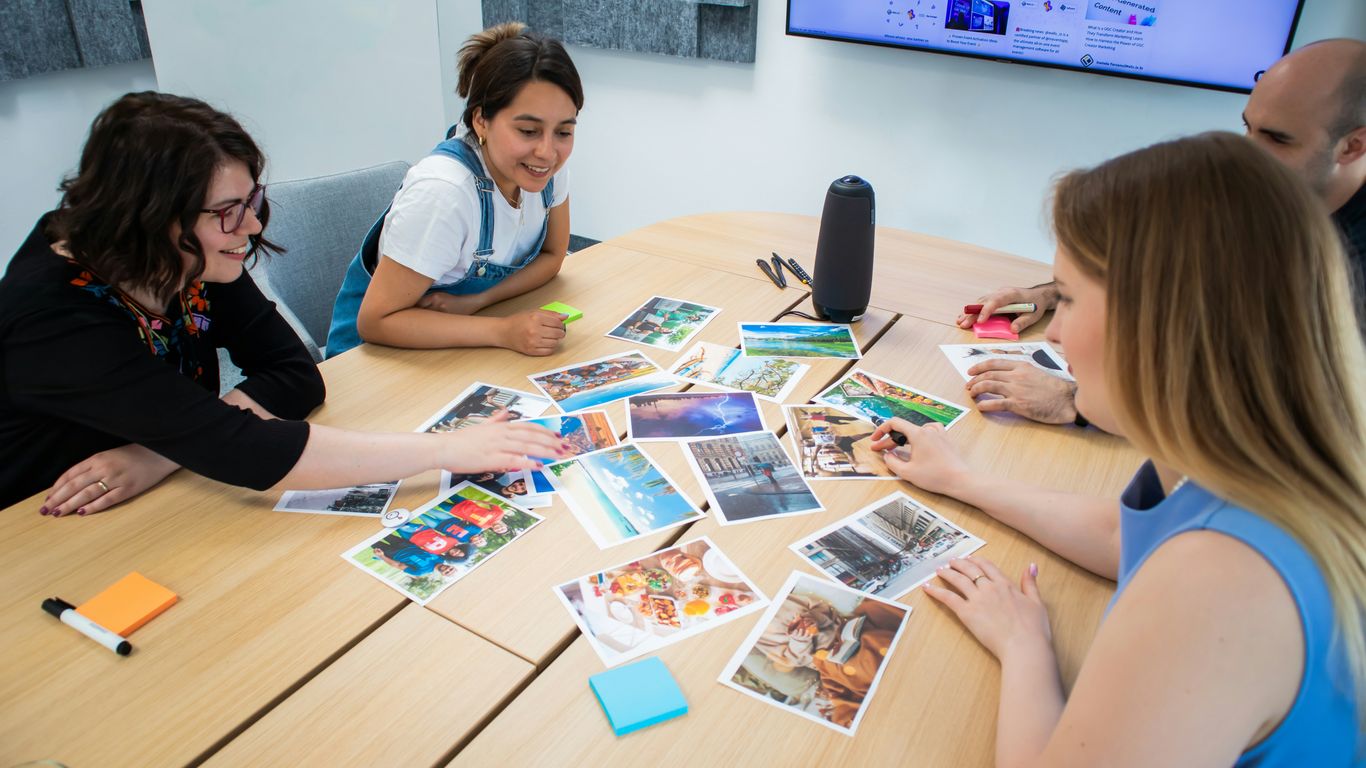
Choose a visual language that agrees with the brand’s existing presence. Color, composition, camera movement, wardrobe, typography, and pacing can all signal whether the story feels warm, precise, energetic, or reflective. Consistency matters more than novelty. If several videos will be produced, document these choices so the next shoot does not begin from zero.
Create a compelling script and story structure
A workable script gives the audience a reason to keep watching. Start with the situation or question, develop the useful insight, and finish with a clear implication or action. Write for the ear: shorter sentences, natural transitions, and room to breathe will sound better than polished copy that feels written for a page. Read the script aloud before approving it.
Plan interviews, presenters, and on-camera talent
On-camera performance improves when people know the purpose of the conversation and feel prepared for the setting. Share the topic, audience, wardrobe guidance, and approximate time commitment in advance. During filming, ask one question at a time and allow silence after an answer. The pause often produces a more thoughtful second response.
Use locations, props, and production design strategically
A location should tell the audience something about the organization or situation. Props can demonstrate a process, establish scale, or give a subject something natural to do, but clutter rarely adds meaning. Walk through the space before filming and identify distractions, reflections, noise sources, and practical power needs. Small design decisions can make a modest setting feel intentional.
Plan a smooth brand video production
Pre-production is where most avoidable problems can be solved. Translate the creative idea into decisions about people, places, equipment, timing, approvals, and deliverables. VG Creations presents its workflow as getting a quote, creating a plan, and executing the strategy, a simple sequence that reflects the value of clarifying the work before filming. Good planning also makes it easier for stakeholders to know when and how they should give feedback.
Turn the creative brief into a production plan
The production plan should name the audience, message, format, runtime, distribution channels, visual approach, and success measure. Add a list of required deliverables, including aspect ratios, captions, cutdowns, stills, or audio-only versions. This creates a shared definition of done. It also prevents a final review from becoming the first time someone hears about an essential asset.
Organize casting, scheduling, and logistics
Confirm availability before promising a shooting date. Account for travel, setup, makeup, wardrobe changes, meal breaks, access restrictions, parking, releases, and weather. Send a concise call sheet with locations, arrival times, contacts, and expectations. For sensitive subjects, include consent and privacy steps early; a clear privacy practices explanation can help teams think about how personal information is communicated and handled.
Prepare shot lists, storyboards, and interview questions
A shot list protects the story when time is tight, while a storyboard helps stakeholders react to the visual plan before the crew is on location. Interview questions should move from easy context to deeper detail, then end with a forward-looking prompt or practical takeaway. Keep a few optional questions available so the conversation can follow an unexpected but useful thread.
Coordinate filming for multiple content formats
One shoot can produce a hero video, short social edits, interview excerpts, photographs, and audio clips if the crew plans for those outcomes in advance. Capture clean takes, alternate framing, room tone, and enough supporting footage for each format. Decide whether vertical framing needs dedicated coverage rather than assuming every horizontal shot will crop well. VG Creations also lists Social Media Content Creation, which aligns with planning social deliverables at the production stage rather than as an afterthought.
Avoid common production delays and revision issues
Most delays come from unclear ownership, incomplete approvals, unavailable talent, or a brief that keeps changing. Assign one decision-maker, set review deadlines, and distinguish essential revisions from personal preferences. Keep a written change log so the team knows what has been accepted. A calm approval process protects both the schedule and the quality of the final story.
Use cinematography and sound to strengthen your message
Production quality is not decoration; it affects whether the audience understands and trusts what it sees. Camera choices should support the subject, and sound should remain intelligible even when viewers watch on ordinary devices. VG Creations describes its positioning around striking cinematography and professional video production, but the principle is broader: visual polish works when it serves the message. Technical decisions should therefore begin with the intended feeling and information, not with equipment alone.
Choose camera techniques that fit your brand
A locked-off frame can feel measured and authoritative, while handheld movement may feel immediate and human. Wide shots establish context; close-ups reveal detail and emotion. Use movement with purpose, and avoid changing style simply to keep the frame busy. The audience should notice the subject before noticing the technique.
Create lighting that supports the mood and subject
Lighting should make faces readable and help the viewer understand the environment. Watch for bright windows behind subjects, harsh overhead sources, and mixed color temperatures. A simple, consistent setup is often easier to match across multiple interviews than a complicated arrangement. Shape the light around the story’s tone: soft light can feel approachable, while stronger contrast may suggest drama or focus.
Record clear dialogue and professional audio
People will forgive a simple image more readily than difficult-to-hear speech. Place microphones close to the speaker, monitor with headphones, and record room tone for every location. Listen for air conditioners, traffic, clothing rustle, and echo before the interview begins. Capture a clean backup whenever the conversation is central to the video.
Capture b-roll that adds context and visual interest
B-roll should answer, illustrate, or deepen what the speaker is saying. Film hands at work, relevant spaces, interactions, tools, details, and transitions, with both wide and close coverage. Hold shots longer than feels necessary so editors have room to build rhythm. Strong b-roll makes a piece feel observed rather than assembled from talking heads.
Refine the final video through post-production
Post-production is where separate pieces become a coherent experience. Editors shape the emotional arc, remove repetition, correct technical issues, and make the message easier to follow. Reviewers should judge the cut against the brief instead of trying to redesign the concept at the finish line. Clear version names and organized feedback keep the process moving.
Shape the story through editing and pacing
Begin with the strongest structure, not necessarily the order in which footage was recorded. Cut pauses that distract, but preserve moments that make a person sound human. Let important ideas breathe and move quickly through information the audience already understands. A good edit feels natural because every shot earns its place.
Add branded graphics, captions, and motion design
Graphics can identify speakers, clarify statistics, show steps, or reinforce a call to action. Keep type large enough for mobile viewing and use brand colors with restraint. Captions improve access and help viewers follow along when sound is unavailable. Motion should guide attention, not compete with the person or product on screen.
Select music and sound effects that support the message
Music establishes pace and emotional temperature before the audience has processed every word. Select a track that leaves space for dialogue, and confirm licensing before publication. Sound effects can add texture to a demonstration or transition, but they should not make a serious message feel theatrical. Mix the complete piece on the devices and environments where it will actually be watched.
Optimize versions for websites, social platforms, and campaigns
A finished master is only one deliverable. Create versions for the website, paid campaigns, social feeds, presentations, and internal use, checking each for dimensions, length, captions, safe areas, and calls to action. Preserve a clean master and a project archive so future cutdowns do not require a full reshoot. Consistent naming is a small habit that saves considerable time.
Distribute and measure your brand video content
Distribution should be planned before the edit is locked. The same story may need different openings, runtimes, captions, or calls to action depending on the channel. Publish where the audience already makes decisions, then give the video enough supporting context to be understood. A distribution plan turns production into an ongoing marketing asset instead of a one-day announcement.
Match each video to the right distribution channel
Use the website for depth and conversion context, social channels for discovery and conversation, email for a known audience, and sales presentations for direct consideration. Event videos may work best as timely recaps, while education videos can support search and customer onboarding. C4’s YouTube content services are an example of a channel-focused offering that connects topic research, scripting, production, and cross-platform distribution; the broader lesson is to match the workflow to the channel’s role.
Improve discoverability with SEO and metadata
Give each upload a descriptive title, useful summary, accurate transcript, relevant tags, and a thumbnail that communicates the subject quickly. Place the primary idea near the beginning of the description and connect the video to a relevant page or next action. Metadata cannot rescue an unclear video, but it can help the right audience find a useful one.
Repurpose long-form footage into short-form content
Repurposing works when each version has a reason to exist. Pull out a complete insight, a practical answer, a memorable moment, or a short demonstration rather than cutting random fragments. Plan the crop, opening line, captions, and ending for the destination platform. One thoughtful shoot can support a campaign for weeks without making every post feel identical.
Track views, engagement, conversions, and ROI
Views indicate exposure, but they do not explain business value on their own. Pair reach with watch time, completion, clicks, inquiries, assisted conversions, booked meetings, or sales where those measures are available. Use consistent links and campaign naming so the journey can be traced. Report the metric that matches the original objective, not simply the most flattering number.
The following framework keeps measurement connected to intent:
| Objective |
Useful primary measure |
Supporting signal |
Review question |
| Awareness |
Qualified reach |
Completion rate |
Did the intended audience stay long enough to understand the idea? |
| Education |
Watch time or lesson completion |
Repeat views |
Did viewers receive the information they needed? |
| Trust |
Engaged visits or inquiries |
Comments and shares |
Did the story reduce hesitation or invite a conversation? |
| Conversion |
Leads, bookings, or sales |
Assisted conversions |
Did the video contribute to a measurable next step? |
Use the table as a starting point, then define each measure in your analytics system before launch. A conversion video and an awareness video should not be judged by the same threshold, and neither should be expected to do every job at once.
Use performance insights to improve future videos
Review performance alongside audience feedback and the original brief. A weak opening may suggest a pacing problem, while strong watch time with few clicks may point to an unclear next step or a mismatch between promise and landing page. Record these observations in the next creative brief. Over time, the strategy becomes more useful because each production teaches the team something specific.
Conclusion
Brand video content becomes more valuable when strategy, story, production, post-production, distribution, and measurement work together. Start with a focused business objective, make the audience’s needs visible in the concept, and plan every deliverable before the shoot. The result does not need to be extravagant; it needs to be clear, credible, and useful enough to earn the next action.
Frequently Asked Questions
What is brand video content?
Brand video content is video created to communicate a company’s identity, values, expertise, products, services, or customer stories while supporting a business goal. It can include promotional, educational, testimonial, interview, event, social, and podcast formats.
How long should a brand video be?
The right length depends on the audience, channel, subject, and desired action. Keep the video as short as possible without removing the context needed to understand and trust the message.
What should a brand video include?
A useful brand video generally includes a clear audience, focused message, purposeful structure, appropriate visuals, understandable audio, and a relevant next step. It should also reflect the brand’s established tone and visual identity.
How much does brand video production cost?
Cost varies with the number of filming days, locations, people, equipment, creative complexity, post-production needs, and deliverables. A detailed brief makes it easier to compare options and protect the budget.
Should a brand video be scripted?
Scripting is helpful for planned narration, demonstrations, and precise messages. Interviews often benefit from prepared questions and talking points rather than rigid word-for-word answers, allowing people to sound natural while staying on topic.
Where should a brand video be published?
Publish it where the intended audience already discovers information or takes action. Common choices include a website, social platforms, email, video channels, sales presentations, event screens, and learning environments, with versions adapted to each setting.
How do you measure whether a brand video worked?
Begin with the objective and choose a corresponding measure, such as qualified reach, completion, engagement, inquiries, bookings, sales, or assisted conversions. Compare performance with the original goal and use the findings to improve the next video.