Key Takeaways
Investing in educational video production requires a strategic alignment of business objectives, audience needs, and budget. These five core principles ensure your investment translates into measurable organizational success.
- Define clear learning objectives based on specific audience requirements.
- Select video formats that balance instructional depth with narrative engagement.
- Evaluate production partners by their expertise in storytelling and educational clarity.
- Account for the total cost of production, including post-production and maintenance.
- Measure ROI by tracking engagement and application across your learning platforms.
Determining your educational goals and format
Before you begin the process to buy educational videos, you need to establish a foundation that links your training materials to concrete business outcomes. Whether you are onboarding new staff or teaching complex technical skills, your goal must be actionable and tied to specific gaps in organizational performance. Building this bridge ensures that every minute of content serves a purpose rather than filling a void.
Identifying the target audience for your content
Your audience defines the tone, pace, and complexity of your material. A workforce of frontline operators in a healthcare environment has different needs than a team of remote software developers, and your educational videos must reflect those distinct professional realities. Ignoring the audience persona leads to content that is either too shallow or unnecessarily complex.
Translating complex concepts into clear learning objectives
Distilling intricate procedures into digestible video segments is an art. Focus on taking your subject matter experts’ expertise and translating it into a modular, outcome-oriented curriculum that prioritizes user comprehension and knowledge retention over exhaustive detail. This prevents cognitive overload and encourages learners to move through the content at an effective pace.
Choosing the right video format for maximum retention
Selecting a format—whether that means animated explainers, live-action demos, or expert interviews—is about how the medium supports the message. For example, a high-level conceptual topic might benefit from a cinematic storytelling approach, while a nuanced technical process requires precise, step-by-step documentation. Consider what your viewers need to see to truly grasp the core concepts.
Balancing instructional depth with engaging visual storytelling
Education doesn’t have to be clinical or dull to be effective. Incorporating high-quality visual cues helps bridge the gap between abstract information and practical application, ensuring that content remains memorable for your learners. When you work with pros like VG Creations, you gain the benefit of a team that keeps the viewer at the center of the creative process.
Vetting professional video production partners
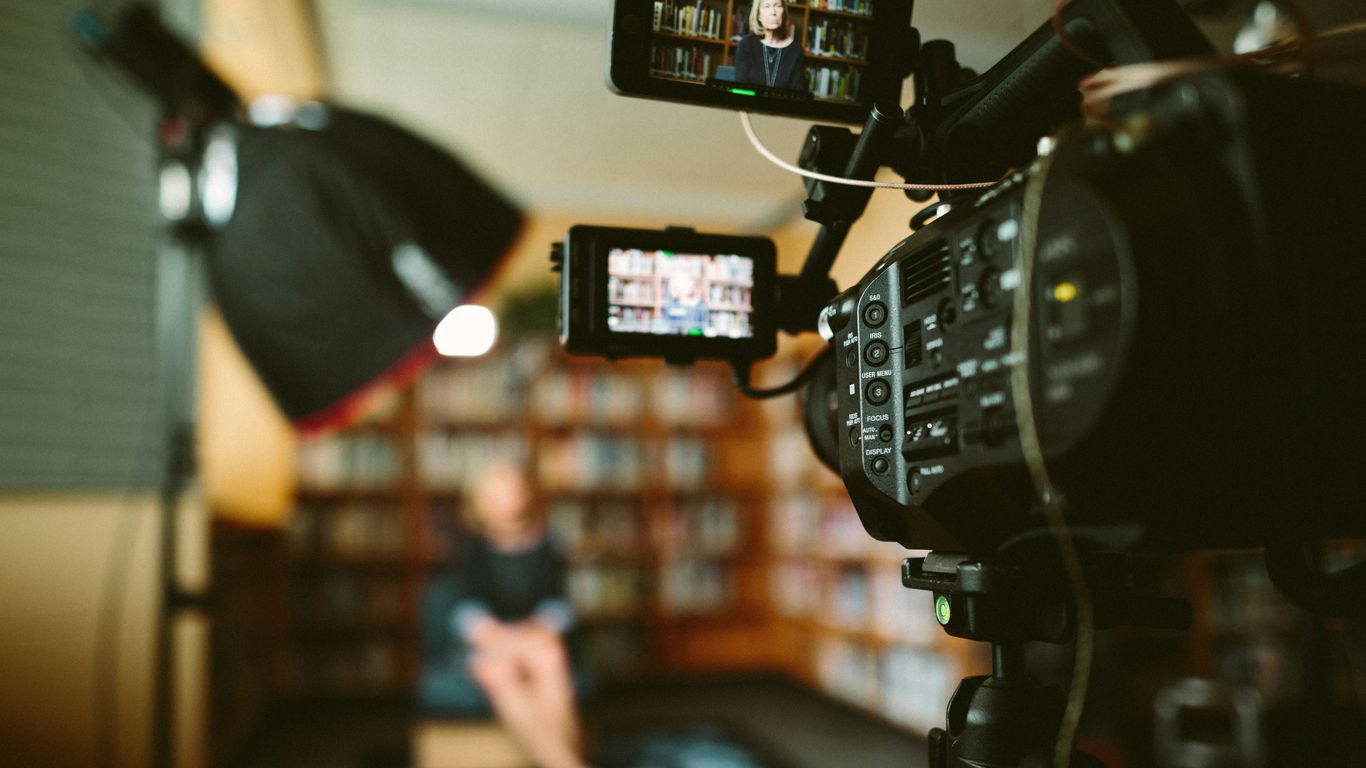
Finding the right partner to produce your educational assets involves looking beyond a flashy demo reel. You need a production house that grasps the nuances of instructional design and can articulate how a video will actually support your employees or customers. This ensures that you aren’t just paying for pretty shots, but for a strategic video production solution that builds genuine authority.
Evaluating portfolios for style and production quality
When reviewing potential partners, look for versatility in their past projects. A studio that has handled a range of commercial and training content will have the refined ability to adapt their visual style to align with your brand standards. Examine their work for consistent lighting, clear, balanced audio, and a professional editing cadence that respects the viewer’s time.
Assessing industry-specific experience in training and education
Some studios excel at marketing but struggle with the pedagogical rigor required for internal training. Prioritize partners who have experience navigating the specific needs of businesses, especially those in regulatory industries like finance or healthcare. They should demonstrate an understanding of how to maintain a consistent brand voice while adhering to educational best practices.
Requesting a discovery call to align on your vision
A discovery call acts as the litmus test for partnership. It is the moment to share your goals and see how the team responds with their creative and strategic input. You want a team like VG Creations that asks probing questions about your objectives rather than just taking an order, ensuring that you start with a clear, shared vision.
Checking client testimonials for reliability and professionalism
Reliability is non-negotiable when production timelines are tight. Look for testimonials that speak to communication, transparency, and a team’s willingness to go the extra mile to resolve technical hurdles. A team that treats every project with respect shows that they value the long-term relationship over a one-off transaction.
Understanding the financial investment for custom production
When calculating the budget, it is critical to distinguish between immediate production costs and the long-term value of the finished asset. Custom production represents an investment in professional storytelling that elevates your brand and your training experience, setting you apart from competitors using generic or low-effort content. Below is a breakdown of how your resources are typically allocated during a standard professional engagement.
| Production Phase |
Scope of Work |
Strategic Impact |
| Pre-Production |
Scripting & Storyboarding |
Aligns message with learning goals |
| Principal Production |
On-site Filming |
Delivers high-quality visuals |
| Post-Production |
Editing & Motion Design |
Ensures clear information delivery |
Analyzing the cost differences between stock and custom video assets
Stock assets might seem like a bargain, but they often lack the institutional relevance required for specialized training. Custom assets, while higher in upfront cost, integrate perfectly with your brand identity and organizational context. The table above illustrates how the investment in custom workflows supports, rather than distracts from, your core educational message.
Balancing budget constraints with the need for high-quality production
If you have finite resources, prioritize the quality of your most frequent assets first. It is often better to produce one high-quality, high-utility series of videos than to compromise on ten low-quality modules that may fail to engage your audience. VG Creations focuses on delivering high-impact, strategic video production solutions that make your investment go further.
Factoring in post-production costs and revision cycles
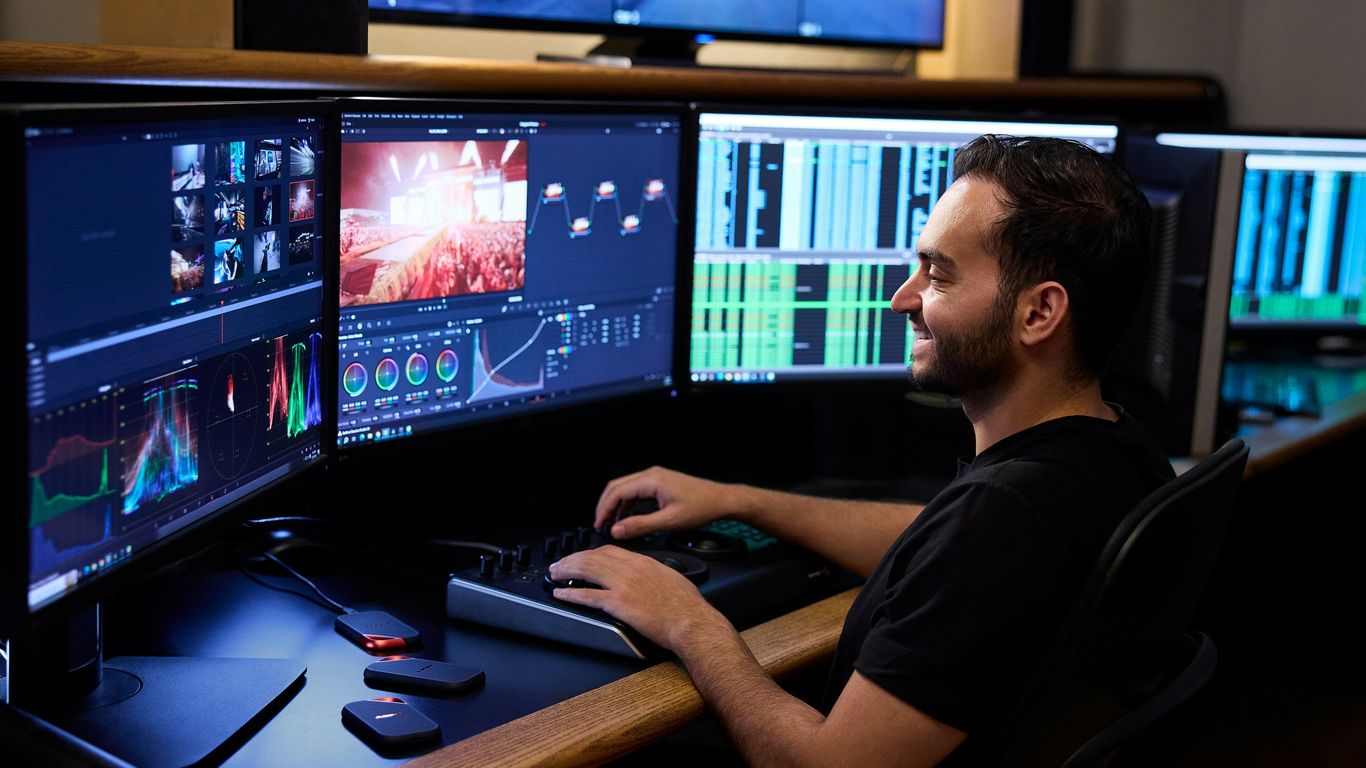
Post-production is where the narrative actually comes together, and it is a critical part of your financial planning. Budgeting for professional polish, color grading, and motion graphics adds significant value to the final deliverable. Additionally, ensure your contract includes a clear revision policy to avoid unexpected fees when final adjustments are necessary.
Measuring the long-term ROI of branded educational assets
An asset’s ROI isn’t just measured in production cost, but in reduced training time, higher retention rates, and improved employee performance over several years. View these productions as long-term marketing assets that save the company money in perpetuity by eliminating the need to re-deliver the same information manually.
Navigating the video production workflow
Moving a project from concept to final delivery requires a structured, collaborative workflow between your team and your production partner. Success depends on clear communication at every milestone, from the initial script review to final export. By establishing a clear hierarchy of oversight, you prevent scope creep and ensure that the project stays on schedule without sacrificing quality or your original vision.
Collaborating on scripts, storyboards, and project roadmaps
Effective production begins with a detailed roadmap. Collaborating early on the script and storyboard allows both parties to catch potential issues before filming starts. This phase ensures that the educational content remains accurate and that the creative direction aligns with your brand’s overall messaging and communication style.
Managing logistical needs for filming on-site or at a studio
Whether you are filming in your office or a professional Miami studio, the environment should support, not hinder, the performance of your speakers. Proper logistics planning includes scheduling, local management, and ensuring accessibility to the necessary equipment and props. A transparent, pre-agreed plan minimizes the frustration for your internal team.
Managing feedback loops to maintain project momentum
If you are working with multiple stakeholders, collect internal feedback and consolidate it into one comprehensive list of changes before sending it to your production partner. This step is essential: it avoids confusing contradictions and keeps the workflow efficient. When you respect the production team’s time with clear, actionable requests, you ensure that the project keeps moving toward your goal.
Establishing realistic deadlines for the final delivery
Great work requires adequate time, especially during the editing and post-production phases. Factor in enough cushion for feedback rounds and final technical adjustments. A successful project lifecycle considers the needs of both the creative team and your internal stakeholders, ensuring a finished product everyone feels confident about deploying.
Implementing and measuring the success of your content
Creating the content is only half the battle; the other half is ensuring it reaches your learners and performs as intended. An implementation strategy involves more than just hosting, but actively ensuring that those who need training have access and motivation to engage. By treating your educational content with the same care as external marketing, you treat your employees and customers as the high-value audience they truly are.
Integrating video assets into your internal learning management systems
For a smooth rollout, test your video files across the platforms your team uses every day, such as your internal learning management systems. Ensuring the content plays properly on mobile and desktop devices is crucial, and it’s a step that should be verified early in the process. Once confirmed, you can focus on driving usage across the company.
Creating promotional snippets for internal communications or social media
Repurpose your primary video assets into short, high-impact snippets that serve as a bridge to your longer content. These snippets can exist in email newsletters, social media feeds, or instant messaging channels, acting as teasers that invite your team or community to delve deeper into the training. This is a great way for VG Creations to help businesses build continued audience engagement over time.
Analyzing engagement metrics to improve future training cycles
Use your platform’s analytics to track key indicators like watch time, completion rate, and where viewers frequently drop off. This data acts as a feedback loop that informs your next production cycle, identifying clear opportunities to refine your approach. For instance, if completion rates drop mid-video, you know your future segments need tighter, more concise pacing.
Establishing a strategy for regular content updates and maintenance
Educational content has a limited shelf life in many fast-moving industries. Put a strategy in place that mandates a periodic review of your library to ensure that all information remains accurate and relevant. Regularly refreshing your content ensures that your investment continues to provide value rather than becoming obsolete as your business models evolve.
Conclusion
Investing in professional video content is a core strategic move that pays dividends by scaling your ability to teach and engage your audience consistently. By choosing the right partners who prioritize clear communication and pedagogical strategy, you can turn complex requirements into high-value assets that empower your organization for years to come.
Frequently Asked Questions
How do I define a clear educational budget for video?
Start by calculating the potential savings of automated, high-quality training compared to manual delivery costs, then allocate a percentage of your total project spend toward professional production and post-production services.
What makes a video educational rather than promotional?
Educational videos focus on clarity, knowledge transfer, and step-by-step guidance, whereas promotional videos emphasize brand aesthetics, brand promises, and emotional connection to drive a commercial call-to-action.
Should I use animation or live-action for my training?
Animation is often superior for technical, theoretical, or complex spatial concepts that are hard to visualize, while live-action works best when you need to build trust or demonstrate direct human interaction.
How long should an effective educational video be?
Most research suggests that learner engagement is highest when videos are kept between three and seven minutes in length, allowing for focused, high-intensity absorption followed by breaks.
What do I need to prepare before hiring a production team?
Before your first call, define your primary learning objective, identify the target audience, list the key messages you need to convey, and have a realistic timeline for implementation.
Can professional videos be updated later if information changes?
Yes, working with professional producers often includes keeping project source files, allowing you to update specific sections or graphics as your processes evolve without needing to re-film the entire project from scratch.
How often should educational content be updated?
Review your training library at least annually or whenever there is a significant change in your industry’s standards, software tools, or company procedures to ensure accuracy for your learners.