Key Takeaways
A strong video partner brings creative craft and practical planning together. Start by deciding what the video needs to do, then compare teams on the work and process that matter to your project.
- Define the audience, purpose, channels, and measures of success before requesting proposals.
- Choose formats that fit the message, rather than trying to make one video serve every need.
- Review portfolios for relevant storytelling and production quality, not just visual polish.
- Confirm scope, roles, schedule, revisions, licensing, and deliverables in writing.
- Plan how the finished video will be distributed, measured, and adapted for future use.
What a brand video production company does
A brand video production company helps turn a business message into a finished video, coordinating the creative and practical work along the way. Depending on the project, that can involve shaping the idea, planning a shoot, filming, and editing. The value is not simply having cameras and crew; it is having a clear purpose for the video and a process that carries that purpose through to the final cut.
Turning business goals into a video strategy
The first useful conversation is about what needs to change after someone watches the video. You might want a prospective customer to understand a service, feel confident in your team, or take a specific next step. Naming the audience and desired response gives the production team a basis for making creative choices, and it keeps the work from becoming a collection of attractive shots without a job to do.
A brief can be short, but it should be specific. Include the audience, the main message, the intended channel, and how you will judge whether the video helped. That defined job also makes it easier to choose a format and avoid adding scenes or deliverables that do not support the goal.
Developing concepts, scripts, and visual direction
Once the purpose is clear, the concept gives the audience a reason to keep watching. A production partner may help organize the story, shape interview prompts, or establish a visual approach that feels appropriate for the business. Ask to see how an early idea becomes a practical plan, rather than approving a vague promise that the video will feel “cinematic.”
Good direction also respects what the people in the video can say naturally. A scripted message may work for one project, while a guided conversation may feel more credible for another. The right choice depends on the audience, the subject, and the tone you want to convey.
Managing filming, editing, and post-production
Production includes more than the shoot day. The team needs to coordinate people, locations, timing, and equipment, then shape the recorded material into a coherent piece. Editing decisions—what to keep, what to remove, and how the story flows—often determine whether the final video feels clear and believable.
Ask who will manage each stage and how feedback will be handled. A practical process makes it clear when you will review a cut, how to consolidate comments, and what counts as approval. If you are considering a partner, clear partner-selection criteria can help you compare creative fit alongside communication and workflow.
Creating videos for different channels and audiences
A video made for a website may need a different pace and framing from a short social post or an event screen. Before production, decide where the primary version will appear and whether you need other edits or aspect ratios. Those decisions can affect the shoot plan and the number of final files, so they belong in the initial scope rather than being left as a last-minute request.
It is also worth considering who will encounter each version. A new customer may need context that an existing client does not, while an event audience may only have a moment to notice the message. A deliberate plan makes distribution part of the creative brief, not an afterthought.
Video formats to consider for your brand
The format should follow the message, the audience, and where people will watch. A company overview, a product-focused spot, and an interview can all support a brand, but they do different work. Think about the viewing situation before settling on a style, and choose the smallest set of formats that can serve the campaign well.
Corporate and company overview videos
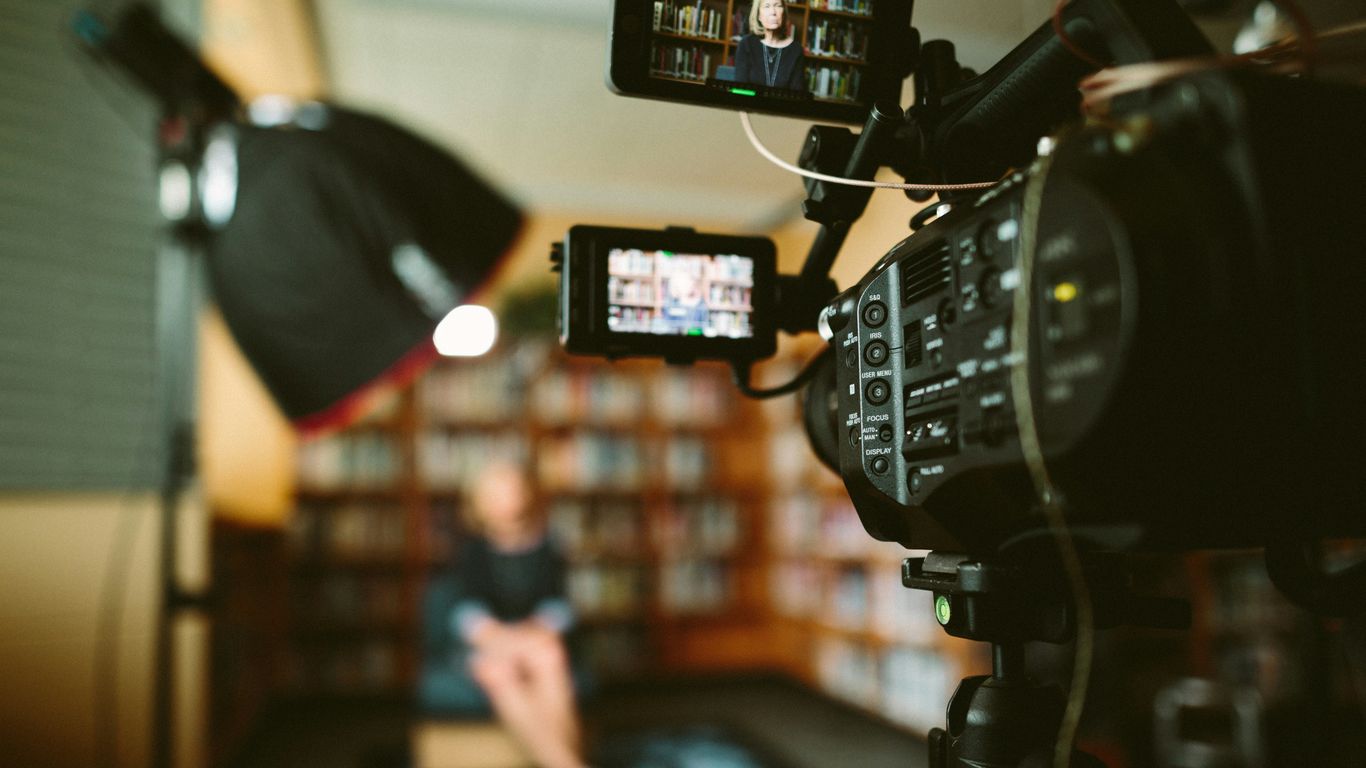
An overview video can introduce a business, its people, or the work it does. VG Creations offers corporate videos, a documented service that may suit a company looking to present its story in video form. When evaluating any proposed overview, ask whether it gives the viewer useful context and whether the people, language, and images feel true to the business.
The format can be concise or more detailed, depending on its home and purpose. A homepage introduction might need a quick explanation, while a presentation for a specific audience could allow more room. Be clear about the intended viewer so the concept does not try to tell every part of the company story at once.
Commercials and product videos
Commercials and product videos put attention on a particular offer, message, or action. VG Creations lists commercial videos among its services. When reviewing a concept, look for a clear connection between what the viewer sees and what you want them to understand or do; polished visuals alone cannot supply that connection.
A useful brief identifies the main point and the channel where the video will run. It also establishes whether the viewer needs a direct explanation, a demonstration, or a memorable impression. That clarity helps the production team use time and budget on the material that matters most.
Customer testimonials and interview videos
A testimonial or interview can give a person room to explain an experience in their own words. Prepare participants by explaining the purpose, timing, and likely topics, without making them memorize a speech. The best preparation reduces uncertainty while leaving space for a natural answer.
When reviewing samples, listen for whether the edit preserves the meaning of a response. Consider how the interview will be introduced and what context viewers need before hearing it. If you plan to use a testimonial, also establish permissions and approvals before filming.
Social media, event, and podcast content
Short social edits, event coverage, and podcast material have different viewing rhythms, even when they come from the same production. VG Creations offers podcast production; that service description covers setup through post-production for audio and video podcasts. For any of these formats, define what deliverables you need and how each will be used before the shoot or recording begins.
A single production may create opportunities for several useful versions, but those versions should be scoped rather than assumed. This short video offers a general look at how production planning can shape a finished brand piece.
When a video is connected to a larger event or campaign, plan where it will appear and who will handle publishing. That simple handoff can help the finished work reach its intended audience.
How to choose the right production partner
A portfolio is a good starting point, but it cannot answer every question about working together. Look for evidence that the team can handle the kind of story, subject, and production conditions your project requires. Then discuss how the work will be planned, reviewed, and delivered so your decision reflects both the finished images and the experience of getting there. Our guide to video marketing production services covers what a good quote should include.
Review relevant work and industry experience
Look beyond a reel’s strongest montage and ask for examples that resemble your project in purpose or format. Relevant work can show whether a team has handled interviews, events, or a company introduction in a way that fits your needs. Industry experience can help, but it matters most when it gives the team useful familiarity with the audience or production setting.
Ask what the team did on the sample you are reviewing. A polished final video does not reveal who developed the idea, managed the shoot, or handled the edit. Understanding the team’s actual role makes portfolio comparisons more meaningful.
Assess storytelling, cinematography, and editing quality
Technical polish is easy to notice; clear storytelling takes closer attention. Watch a sample with the sound on and ask whether the opening gives you a reason to continue, whether the central point is easy to follow, and whether the ending feels earned. The images should support the message rather than distract from it.
Also pay attention to pacing, sound, and how interviews are assembled. A useful sample should feel coherent from beginning to end, not just impressive in isolated frames. If the work looks beautiful but leaves you unsure what it was trying to say, ask how the team would approach story development for your brief.
Confirm communication style and team responsibilities
A smooth project depends on knowing who is responsible for decisions and updates. Confirm who will be your primary contact, who approves creative choices, and how the team will handle scheduling changes. This is especially helpful when several people on your side need to contribute feedback.
Before signing, put the main responsibilities in one place. A simple checklist can make an early conversation more concrete:
- Name the client-side decision maker and production contact.
- Agree on the channels and timing for project updates.
- Decide who gathers and consolidates review comments.
- Clarify who approves the final versions and deliverables.
With those roles set, questions are less likely to stall between teams. It also gives everyone a shared reference if the schedule shifts or a new request comes up.
Check client references and project outcomes
References can tell you how a production partner communicates when a project is underway, not just how the final video looks. Ask about planning, responsiveness, and whether the agreed deliverables arrived in a usable form. Keep the questions close to your own project so the answers help you evaluate fit.
For outcomes, distinguish between what the video was intended to do and what a client later observed. Results depend on factors beyond production, including distribution and the campaign around the video. A partner should be able to discuss the project clearly without presenting one client’s experience as a promise for every business.
What to expect during the production process
A production process gives you a sequence for moving from an idea to an approved video. The precise steps vary with the project, but clear decisions early on can prevent confusion later. Ask the team to explain its stages in plain language and identify what it needs from you at each point.
Set goals, audience, and deliverables in a discovery call
A discovery call should establish the reason for making the video and the people it needs to reach. Bring what you know about the audience, where the video may appear, and what action or understanding you hope to encourage. You do not need a finished script; useful questions and constraints are enough to start a productive discussion.
Use the conversation to define deliverables in practical terms. “A video for the campaign” is less helpful than naming the primary version, its destination, and any alternate edits you expect. Clear terms give both sides a common point of reference when the concept and schedule develop.
Plan the concept, schedule, locations, and production needs
After the initial brief, the team can turn the idea into a plan for the shoot. That plan may cover the concept, schedule, location, participants, and other practical needs. Review it for gaps: a location may need permission, a participant may have limited availability, or a campaign date may leave little room for revisions.
Planning is where small decisions can protect the whole day. Confirm who is arranging access, what materials need to be ready, and when people should arrive. If the project involves several locations or speakers, agree on the order and timing before anyone is on set.
Coordinate filming and support for on-camera participants
Filming is easier when participants know what to expect. Share the schedule, explain the format, and let people know whether they will be speaking directly to camera or responding to questions. A calm, well-organized set helps the team focus on the story instead of solving avoidable uncertainties.
The production team and client should also understand who is making on-site decisions. Confirm how to handle a change in weather, timing, or availability, and who can approve an adjustment. That preparation leaves room for flexibility without losing track of the project’s purpose.
Review edits, provide feedback, and approve final versions
Agree on the review process before the first edit arrives. Decide who will collect comments, how feedback should be shared, and when a response is due. One organized set of notes is usually easier to act on than separate, conflicting messages arriving over several days.
When reviewing, focus first on accuracy, clarity, and whether the story serves the agreed purpose. Then address details such as pacing, graphics, or a specific shot. A clear distinction between essential corrections and preferences helps the team make revisions efficiently and reach approval with fewer misunderstandings.
How to plan a video production budget
A useful budget reflects the actual scope of the work, not just a headline price. Production needs can vary with the format, planning, people, locations, schedule, and final deliverables. Compare proposals by what is included and what assumptions they make, then decide which elements matter most to the campaign.
Identify the factors that affect project cost
Start by listing the practical requirements that could change the scale of production. A one-location interview is different from a multi-location shoot, and additional versions may require more editing time. Timing, crew needs, participant coordination, and the number of deliverables can all affect what a proposal covers.
It helps to separate must-haves from options. If a detail does not support the goal or the viewing experience, it may not deserve priority. A focused brief gives a production partner a better basis for estimating the work and helps you compare proposals on similar terms.
Compare proposals by scope and deliverables
A proposal is easier to assess when you can see the work behind the price. Compare the scope, schedule, team responsibilities, and final files side by side. A broad look at production pricing and services can offer additional context, but the right comparison is still between proposals built around your project.
| Proposal detail |
What to clarify |
Why it matters |
| Planning |
What concept and pre-production work are included? |
Shows how much development happens before filming. |
| Shoot |
What filming time, locations, and crew are covered? |
Helps reveal assumptions about production needs. |
| Editing |
How many review rounds are included? |
Sets expectations for feedback and revision. |
| Deliverables |
Which final versions and file formats are included? |
Makes distribution needs visible before approval. |
Use the answers to identify differences in scope rather than assuming that similarly named packages include the same work. If a proposal is unclear, ask for the scope to be spelled out before you decide.
Account for revisions, licensing, and additional formats
Clarify the revision process and any limits before work begins. Ask how feedback rounds are defined, how licensing is handled for any music or other materials, and whether additional versions are part of the original scope. These details can affect both what you receive and how easily the finished video can be used.
Also check who is responsible for approvals and when those approvals are needed. If your team expects a vertical edit, captions, or alternate durations, name those requirements early rather than treating them as automatic extras. Written clarity is more useful than relying on assumptions made during a call.
Balance production quality with campaign priorities
A sensible budget gives priority to what the audience will notice and what the goal requires. That might mean putting more planning into a complex story, or keeping the shoot simple so the campaign can produce a focused piece. There is no single production level that makes sense for every project.
Decide which elements are essential, which are flexible, and what can be removed without weakening the message. Then make sure the selected scope still gives the team enough time and resources to deliver the work you expect. Cost control is most effective when it comes from a clear brief, not last-minute cuts to the core idea.
How to measure and extend the value of your video
A finished video has more value when its purpose and distribution are clear. Decide what you will measure before publishing, and choose signals that relate to the job the video was meant to do. The goal is not to chase every available metric; it is to learn whether the content is reaching and helping the intended audience.
Match each video to a channel and marketing goal
Choose the main destination before production, whether that is a website, social channel, event, or another campaign touchpoint. The channel influences length, framing, and how much context the video needs. A video designed for a presentation may not work unchanged as a short social post, so align the format with the viewing situation.
Keep the relationship between the video and the larger campaign in view. A company overview might help explain who you are, while another format may be intended to support a specific offer. When the purpose is defined, it becomes easier to decide where the video belongs and what success could reasonably look like.
Track views, engagement, leads, and conversions
Select measures that match the intended action. Views can show reach, while engagement signals may help you understand whether people continued watching or interacted. If the video supports a lead or sales process, use the appropriate campaign tracking to assess whether it contributed to that path.
Interpret numbers in context. A view count alone does not establish that the video changed someone’s decision, and a conversion can involve several campaign touchpoints. Compare performance with your stated goal and the channel’s role, then use the findings to make a measured adjustment rather than drawing a sweeping conclusion from one result.
Repurpose footage into shorter clips and campaign assets
If you anticipate needing more than one version, plan for it while the production is being scoped. The team can consider which moments may work as shorter edits and what additional outputs are required. That does not mean every piece of footage will suit every channel, but planning ahead can make useful adaptations easier to evaluate.
Decide who will select the moments, approve the edits, and publish them. Keep the message consistent while adjusting the length and presentation to suit each destination. A few purposeful versions are often easier to manage than a large set of assets with no clear role.
Use performance insights to guide future videos
After distribution, compare what happened with what you expected. Look for patterns in viewing behavior, audience response, and the actions connected to the campaign. Feedback from sales, event, or service teams may add context that platform metrics cannot provide on their own.
Use those observations to refine the next brief. Perhaps the audience needed more explanation, a shorter opening, or a different distribution plan. Treat each production as an opportunity to learn, while remembering that performance is shaped by the message, audience, timing, and promotion as well as the video itself.
Conclusion
Choosing a brand video production company is a decision about both the story you want to tell and the working relationship that will bring it to life. Define the purpose, compare relevant work, clarify the scope, and plan distribution before production begins. With those pieces in place, you can make a grounded choice and give the finished video a clearer path to serve your business.
Frequently Asked Questions
What should I look for in a brand video production company?
Look for work relevant to your project, clear storytelling, a well-explained process, and communication that feels practical. Confirm the scope, timeline, review steps, and deliverables before making a decision.
How early should I contact a production company?
Reach out as soon as you have a general goal, audience, and timing in mind. Early planning leaves more room to shape the concept, schedule participants, and confirm the production requirements.
What should I prepare before a discovery call?
Bring a short description of your audience, the message you want to convey, where the video may appear, and any known deadlines. You can refine the concept with the production team later.
How do I compare video production proposals?
Compare the scope, schedule, crew and location assumptions, editing and revision terms, and final deliverables. Ask questions about anything that is not clearly included so you are evaluating comparable plans.
How long does video production take?
Timing depends on the concept, availability of participants and locations, production needs, and review process. Ask for a project schedule that shows key milestones and the decisions needed from your team.
How many revisions should a video project include?
There is no universal number that fits every project. Confirm how feedback rounds are defined, who consolidates comments, and what happens if the scope changes after editing begins.
How can I tell whether a brand video was successful?
Start with the goal you set before production and measure signals related to it, such as reach, engagement, leads, or conversions. Interpret results in the context of the channel and the rest of the campaign.