Key Takeaways
Video production is a fundamental asset for modern organizations aiming to increase visibility and credibility in competitive markets. By aligning creative execution with clear business goals, companies can transform their media into high-value marketing assets.
- Professional video content enhances brand authority and trust.
- Strategic planning in pre-production ensures measurable return on investment.
- Diverse formats like testimonials and podcasts cater to different audience needs.
- A streamlined production pipeline is essential for quality and speed.
- Social media performance relies on platform-specific optimization and consistent storytelling.
The strategic importance of company video production
Increasing brand authority through visual storytelling
Visual storytelling allows organizations to communicate complex value propositions in a fraction of the time required by text. By creating content that communicates core values, brands can establish themselves as leaders in their industry and foster a deeper connection with their base.
Measuring return on investment with video content
Modern businesses must treat media as a measurable asset rather than just an expense. By aligning your B2B video marketing strategy with specific revenue metrics, you can accurately track how your creative output contributes to longer sales cycles and brand growth.
Building trust with your target audience
Video acts as a powerful trust signal for potential clients and search engines alike. Sharing authentic stories through high-quality assets helps humanize a brand, effectively reducing friction during the customer discovery phase.
Standing out in a saturated digital landscape
In an era of relentless digital noise, capturing attention requires more than just high-production value. Companies that lean into distinctive narratives and clear creative direction are better positioned to penetrate crowded segments and secure lasting audience attention.
Types of professional video content for your business
Utilizing corporate and training videos
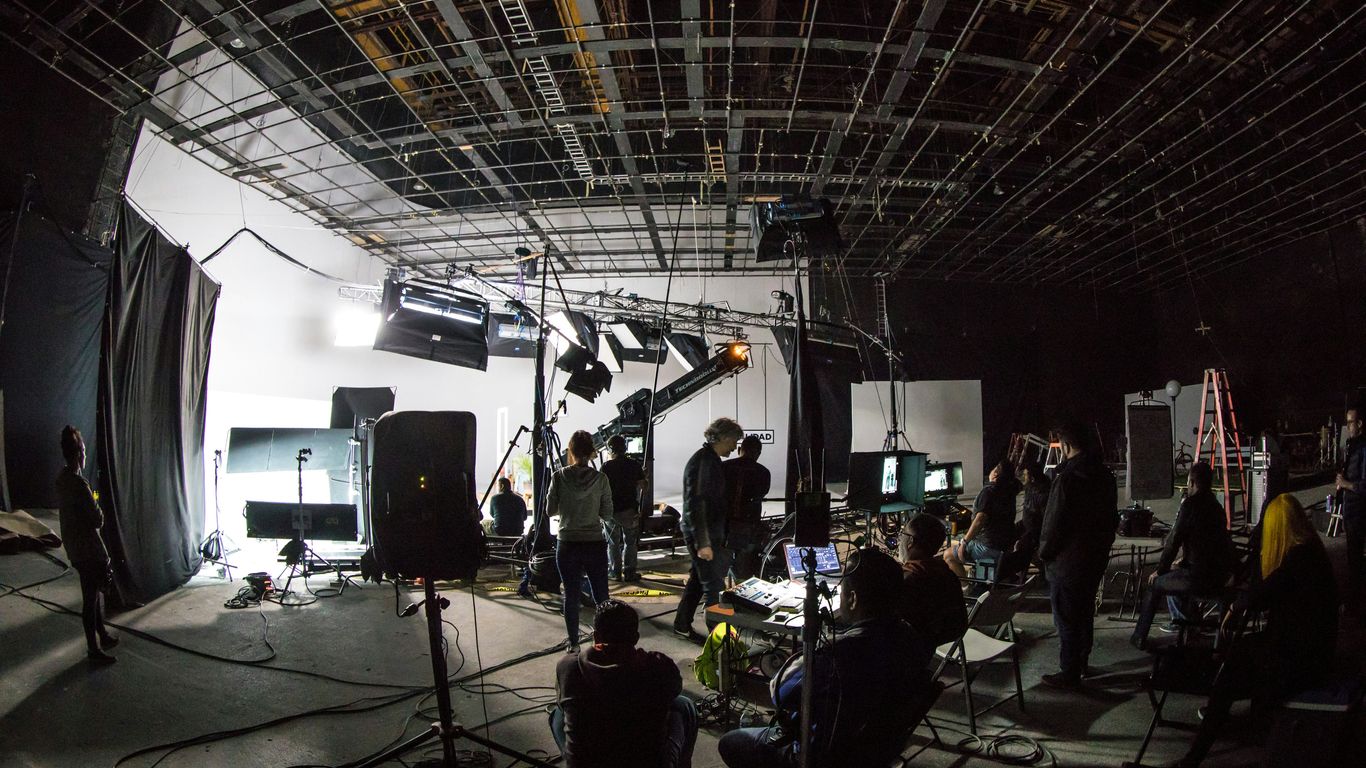
Corporate and training videos serve as the backbone for efficient internal knowledge sharing and client education. These assets standardize communication across an organization and ensure that every stakeholder understands the brand message identically.
Leveraging customer testimonial videos
Authentic social proof is often the deciding factor in buying decisions. Using professional testimonial video production allows businesses to showcase real results through the lens of satisfied clients, turning external success stories into internal marketing pillars.
Developing high-impact commercial advertisements
Commercial advertisements are designed to grab attention quickly and drive immediate action. By focusing on concise messages and high-level visuals, these assets effectively introduce products and services to new segments of your market.
Creating engaging video podcasts
Podcasts provide a platform for long-form discussions that go beyond the surface-level insights found in traditional media. By producing video components alongside audio, brands can repurpose content for multiple channels and maintain a consistent presence in their audiences’ daily routines.
Documenting significant company events
Major events, launches, and trade shows are moments that should live on well beyond their finish dates. Leveraging trade show ROI through event-based video production ensures that a single investment generates a massive library of assets which can be distributed to sustain engagement for months.
Our service catalog offers several ways to maximize these opportunities:
- Corporate and training videos to clarify internal processes.
- Customer testimonial videos to build social proof.
- Commercial advertisements for broad market appeal.
- Engaging video podcasts for deeper audience connection.
- Significant company event coverage for brand milestone documentation.
These formats collectively empower brands to maintain a versatile presence across all stages of the customer lifecycle.
The anatomy of a successful video production pipeline
Pre-production: Planning and strategy
Strategy is the bedrock of every successful campaign. It involves setting clear objectives, defining the target audience, and creating storyboards to guide the creative process before any cameras are switched on.
Principal photography: Capturing high-quality footage
Capturing high-quality footage is where the raw material of your story is gathered. This phase requires technical precision, professional lighting, and careful direction to ensure the final output projects the intended brand narrative.
Post-production: Editing and narrative structure
Post-production is the stage where the final feeling and flow of the project emerge. Through careful editing, music implementation, and color grading, the team ensures the final product effectively resonates with your audience while highlighting your unique brand identity.
Final delivery and project optimization
Once the edit is complete, project optimization revolves around formatting assets for the specific platforms where they will live. By considering multi-channel requirements early, teams ensure that the final deliverable is perfectly tailored for maximum impact.
Effective production management generally follows a structured timeline of events:
| Phase |
Key Activity |
Goal |
| Pre-production |
Strategy session |
Aligned vision |
| Production |
High-quality footage |
Cinematic capture |
| Post-production |
Editing refinement |
Final narrative |
By following this pipeline, brands can ensure their video investment yields professional results that are delivered with precision and efficiency.
Choosing the right video production partner
Evaluating technical expertise and cinematography skills
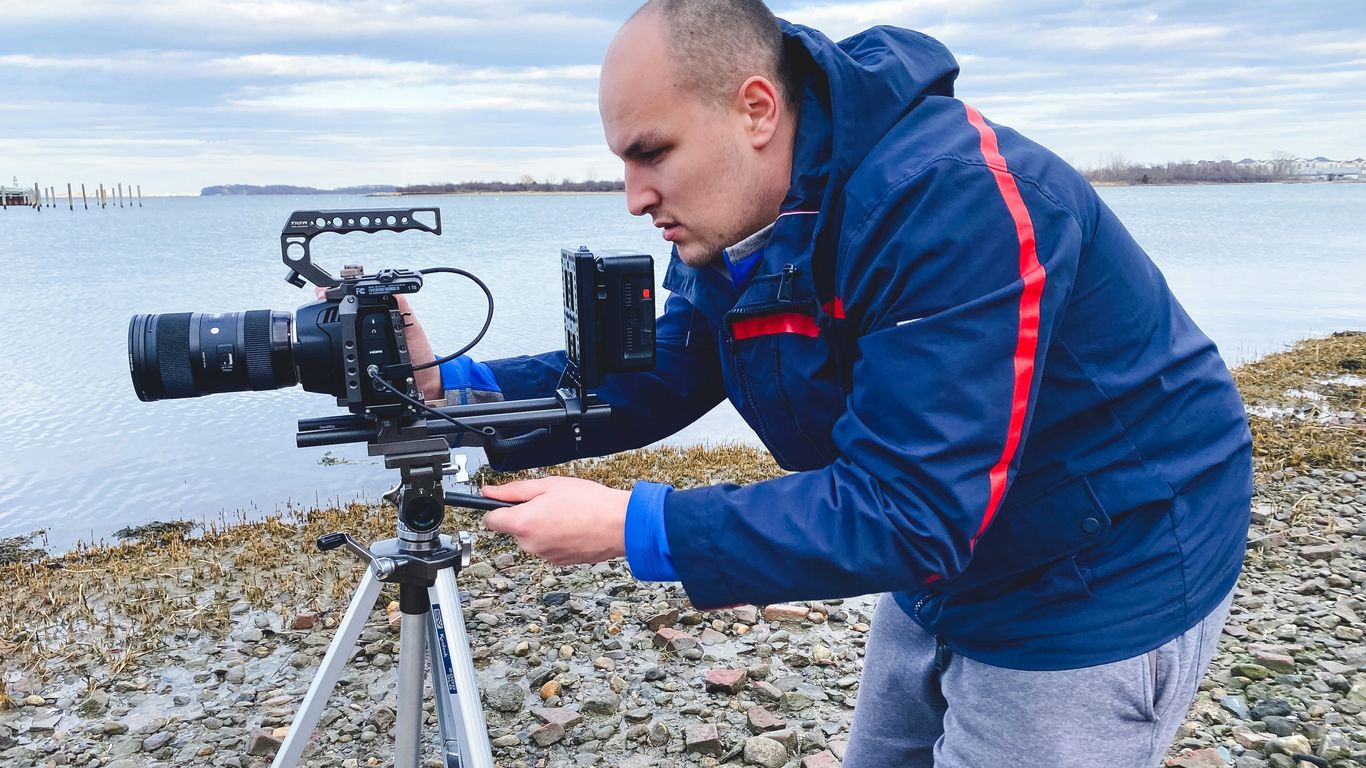
Technical proficiency is non-negotiable for high-end professional media. Partners should demonstrate a clear command over lighting, camera settings, and composition to ensure that the produced content reflects the seriousness of your organization.
Reviewing previous portfolio and client results
Looking at past projects provides an objective view of a team’s capabilities. It allows you to see whether they have the experience necessary to handle your specific industry requirements while maintaining a standard of excellence that helps businesses creating strategic content that generates tangible results.
Assessing communication and turnaround expectations
Clear communication and reliable timelines are critical for video production partner success. A professional team should manage expectations from the start of the discovery call to the final handoff, providing clarity on when you can expect your assets.
Finding an agency that aligns with your brand identity
Collaboration is most effective when the creative agency understands your company culture. Finding a partner who echoes your mission ensures that the final media is not only professional but also deeply rooted in the specific voice of your organization.
Best practices for social media video marketing
Optimizing videos for different platforms
Every digital platform expects a unique style, format, and pacing. Customizing your edits to respect the specific user expectations of various networks ensures your content is treated favorably by algorithms.
Creating short-form content for mobile users
Mobile users consume media rapidly, making the first three seconds essential for retention. Concise storytelling that hits the core message immediately helps prevent viewers from scrolling past your content.
Maintaining brand consistency across channels
Consistency is how you become memorable. By ensuring your logos, color palettes, and overall tone remain unified, you turn various disconnected video uploads into a cohesive brand story.
Driving engagement through interactive storytelling
Interactive storytelling invites the viewer to participate rather than just observe. By including clear calls to action and asking thoughtful questions, you can foster community and gain valuable insights from your audience.
Emerging trends in company video production
Incorporating cinematic techniques into corporate media
Cinematic production methods, such as depth-of-field control and deliberate color grading, are now standard in high-end corporate media. These techniques shift corporate messaging from flat, informational content to engaging, story-driven experiences.
The rise of hybrid event streaming
Streaming components allow in-person events to scale globally. By integrating live broadcasting with pre-recorded professional spots, event managers can hit much wider reach milestones for every physical gathering.
Balancing authentic content with high-end production
There is a growing shift toward high-end aesthetics applied to genuinely authentic moments. Blending a polished visual look with honest, unscripted interviews creates deep trust and provides a human element to complex business operations.
Leveraging drone footage for unique perspectives
Aerial imagery provides a scope that ground-level cameras cannot replicate. Using drones to document office facilities or large outdoor work sites gives viewers a comprehensive look at the scale and environment of your operations.
Conclusion
Implementing a robust video production strategy is no longer a luxury but an essential move for brands that intend to scale sustainably in the modern digital market. By focusing on high-quality storytelling, clear production pipelines, and consistent platform optimization, organizations can turn their media costs into lasting assets that consistently build authority and trust.
Frequently Asked Questions
Why is video production considered a strategic asset?
Video production allows brands to distribute their value proposition, build authority, and generate measurable trust, moving beyond simple advertising into long-term marketing strategy.
How do I know when my brand needs professional help?
If current engagement is flat, your production quality is lacking polish, or your internal team lacks the equipment and strategy for advanced execution, outsourcing is often the best route for growth.
What are the main stages of the production process?
Production is primarily divided into pre-production, which handles planning, principal photography, which involves capturing footage, and post-production, which covers editing and narrative structure.
Can one video shoot be used for multiple purposes?
Yes, by repurposing footage from a single high-quality shoot, you can generate numerous social clips, long-form content pieces, and promotional assets to fuel your content calendar.
How can I measure the effectiveness of my video content?
Effective measurement involves looking at core business metrics like lead generation and sales cycles rather than relying solely on vanity metrics like view counts.
Why does consistency matter across different social channels?
Consistency in branding ensures that your company is easily identified regardless of the platform, building professional recognition and long-term audience trust.
Is it possible to balance high production value with authenticity?
Modern production techniques allow for high-end cinematic quality while preserving the genuine, authentic nature of interviews and storytelling, creating a blend that is both professional and human.