Turning your corporate event into a year-long content stream is totally doable with the right video strategy. Here are the main points to remember:
Key Takeaways
- Corporate event videography is a powerful tool to create many pieces of content from just one event.
- Plan your video capture strategy before the event to get the most useful footage.
- Use highlight reels to create buzz right after the event.
- Break down longer sessions into smaller, shareable videos for ongoing promotion.
- Testimonials and behind-the-scenes content build trust and keep your audience engaged over time.
Maximize Your Event Investment With Corporate Event Videography
You’ve put a lot into your event – the venue, the speakers, the whole experience. But what happens when the last guest leaves and the lights go down? Too often, that investment just fades away. We’re here to tell you that your event is way more than just a single day. It’s a goldmine of content waiting to be tapped. Think of it as a content engine that can keep your brand visible and engaging for months, even a whole year, after the event wraps up. This isn’t just about having a nice video to look back on; it’s about making your event work harder for you.
Transforming Events into Evergreen Content
Most companies see event video as a simple recap, a highlight reel posted once and then forgotten. But the really smart ones, the ones who get the most bang for their buck, see it differently. They plan from the start to turn that single event into a steady stream of content. This means your event footage can fuel your marketing, social media, and internal communications for a long time. It’s about creating assets that keep giving back, long after the event itself is over. This approach helps extend an event’s reach beyond just the people who were there.
The Strategic Shift in Event Video Production
Things have changed in how we think about event video. It used to be just about documenting what happened. Now, it’s about strategic production. Companies are realizing that events are perfect opportunities to generate content that supports their broader marketing goals. This shift means professional video production isn’t just a nice-to-have; it’s a key part of the event lifecycle. It helps build brand awareness, generate leads, and really boost the return on your event investment. It’s about making sure the energy and insights from your event live on.
Beyond Documentation: Creating Valuable Assets
So, what kind of content can you actually get from one event? A lot, it turns out. Instead of just one highlight video, you can end up with:
- A main highlight film that captures the overall vibe.
- Dozens of short clips perfect for social media platforms.
- Speaker-focused segments that position your team as thought leaders.
- Behind-the-scenes footage that shows the human side of your brand.
- Interview-style videos that offer quick insights.
This multi-faceted approach means your event footage becomes a versatile library of assets, not just a single, static piece of content. It’s about building a video marketing strategy that works for you all year round.
The Event Day Capture Strategy: Building Your Content Engine
Okay, so you’ve planned this big event, right? Months of work, tons of money spent. It happens, it’s great, and then… poof. Gone. Most companies just get a quick highlight reel and call it a day. But the smart ones? They see that event as the start of a whole year’s worth of marketing material. It all begins with getting the right footage. Just pointing one camera at the stage isn’t going to cut it. You need to capture the whole vibe: the main talks, the panel chats, people laughing, networking, all that behind-the-scenes buzz. We usually set up three or four cameras for corporate events, plus someone just for interviews. While the main event is rolling, we’re also grabbing quick 60-second testimonials from attendees.
Multi-Camera Coverage for a Full Experience
Think of it like this: a single camera is like listening to a concert through one earbud. You get the music, sure, but you miss so much of the atmosphere. Multi-camera setups give you the full picture. You can cut between the speaker on stage, the engaged faces in the audience, and even the presenters backstage prepping. This layered approach makes the final video feel dynamic and immersive, really pulling the viewer into the event’s energy. It’s about creating a narrative, not just recording speeches. This kind of detailed capture is key for making your event content feel alive long after the event is over. For a solid strategy on this, check out how Origin Films plans video production.
Capturing Keynotes, Panels, and Audience Engagement
When we talk about capturing keynotes and panels, it’s not just about getting a clean recording of the audio and video. It’s about identifying those ‘aha!’ moments. Did a speaker drop a surprising statistic? Did someone in the audience ask a question that everyone else was thinking? These are the gold nuggets. We make sure our camera operators are trained to spot these, along with any great reactions or transitions. It’s about capturing the substance of the talks and the energy of the room.
- Speaker Soundbites: Quick, quotable lines from speakers between sessions.
- Audience Q&A: Questions that highlight common concerns or spark discussion.
- Panel Dynamics: Capturing the interaction and differing viewpoints between panelists.
- Keynote Highlights: Pinpointing those impactful statements or data points.
The goal isn’t just to record what happened, but to capture the moments that matter most to your audience and that can be easily pulled out later for different content pieces.
On-Site Testimonials and Behind-the-Scenes Moments
Grabbing testimonials on the spot is super effective. People are still buzzing from the event, so their feedback is fresh and genuine. We usually ask attendees for a quick 60-second take on what they found most useful or exciting. These short clips are gold for social proof later on. And don’t forget the behind-the-scenes stuff! Seeing the team setting up, the speakers relaxing before a session, or even just the general buzz of people arriving – it all adds a human touch. It makes the event feel more real and relatable. This kind of content helps build a community around your brand, showing the people and the effort behind the event. It’s all part of building an authentic content ecosystem, something VG Creations specializes in.
Month One: Launching Your Event’s Hero Content
Alright, the event is over, the dust has settled, and you’ve got all this amazing footage. Now what? The first month is all about making a splash with your main piece of content. Think of this as the grand opening, the big reveal. This isn’t just about showing what happened; it’s about making people feel like they missed out if they weren’t there, and making attendees eager to relive the experience.
Crafting the Compelling Highlight Reel
This is your event’s movie trailer. We’re talking about a 90-second to two-minute video that packs a punch. It needs to capture the energy, the key moments, and the overall vibe of your event. The goal is to create something so engaging that it makes people stop scrolling and pay attention. This reel is your primary marketing tool for social media, your website, and even for getting people excited about next year’s event. It’s the hero content that sets the tone for everything that follows.
Maximizing Social Media and Website Promotion
Once that highlight reel is ready, it’s time to get it out there. Don’t just post it once and forget it. Share it across all your platforms – LinkedIn, Instagram, Facebook, Twitter, you name it. Tailor the captions for each platform. On LinkedIn, focus on the professional takeaways and networking opportunities. On Instagram, highlight the visual energy and attendee experiences. Your website should feature it prominently, maybe on the homepage or a dedicated events page. Think about running targeted ads to reach a wider audience who might be interested in future events. This initial push is critical for getting the most mileage out of your main piece of content.
Driving Desire for Future Events
This highlight reel isn’t just a recap; it’s a sales tool for your next event. It needs to showcase the value and excitement that attendees experienced. If people see how great this event was, they’ll be much more likely to sign up for the next one. Use snippets from the reel in emails, social media teasers, and even in presentations. The idea is to create a buzz and a sense of FOMO (fear of missing out) that naturally leads people to want to be part of the next big thing. It’s about turning a past event into a powerful driver for future engagement and attendance. This is where you start to see the real return on investment from your video production.
The first month post-event is crucial for establishing momentum. By focusing on a high-impact highlight reel and a strategic distribution plan, you transform a single event into a powerful marketing asset that immediately starts working for you and builds anticipation for what’s next.
Months Two To Four: Unlocking Session Content
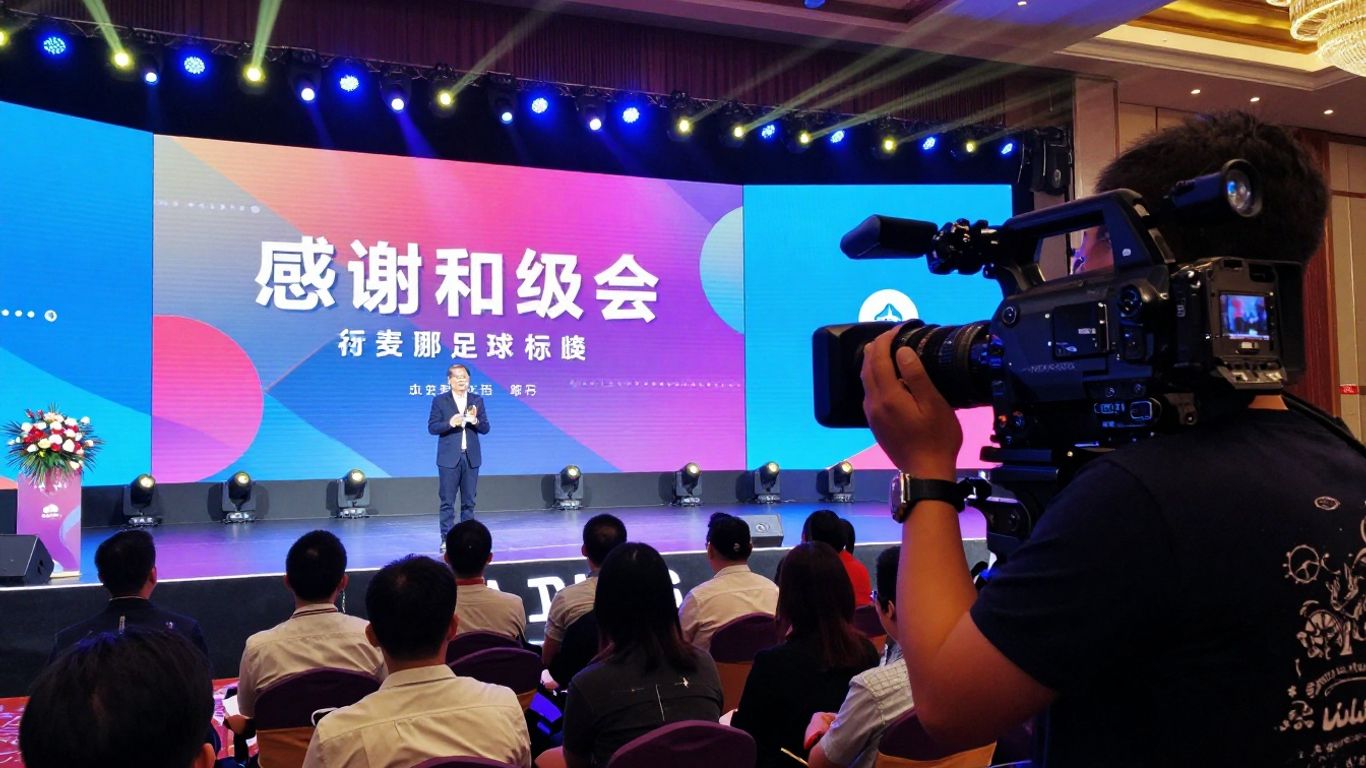
Okay, so you’ve got your awesome highlight reel out there, getting all the buzz. Now what? This is where the real magic of turning that event into a year’s worth of content really starts to happen. We’re talking about digging into those full session recordings and pulling out the gold.
Repurposing Keynotes into Focused Insights
Think about a 45-minute keynote. It’s packed with information, right? Instead of just letting that recording sit there, we can chop it up. Each specific idea or takeaway can become its own short video. This means one long talk can easily turn into five, six, or even more bite-sized pieces of content. These are perfect for platforms where people are looking for quick, actionable advice.
Here’s a breakdown of what a single keynote can become:
- 3-5 short clips for LinkedIn and Instagram Reels, each focusing on a distinct point.
- An audio excerpt that could be used for a podcast episode.
- Pull quotes turned into simple graphics for social media posts.
- A blog post that summarizes the main takeaways in text form.
This approach makes sure that even people who can’t watch the full session still get significant value. It’s all about making the information accessible and digestible for different audiences and platforms.
Leveraging LinkedIn, YouTube, and Instagram Reels
These platforms are your best friends for distributing this session content. LinkedIn is great for professional insights and thought leadership. YouTube is where people go to search for in-depth information, so having full session recordings or longer clips there can really boost your visibility. And for quick, engaging snippets that grab attention, Instagram Reels are the way to go. It’s about putting the right content on the right channel to reach the most people.
The key here is to think about what each platform’s audience is looking for. LinkedIn users often want professional development and industry news, while Reels users are often looking for entertainment or quick tips. Tailoring your clips to fit these expectations is super important.
Creating Standalone Videos for Specific Takeaways
Instead of just posting random clips, try to group them by theme or topic. If you had multiple speakers talk about customer service, you could create a mini-series of videos on that subject. This helps build a narrative and shows a deeper dive into specific areas. It’s a smart way to keep your audience engaged over time and position your brand as knowledgeable in various fields. This kind of structured content strategy really helps maximize your content’s reach.
This phase is all about getting more mileage out of the content you already have. It’s less about creating brand new things and more about smart editing and distribution. You’re essentially building a library of useful information that keeps your brand in front of people long after the event has wrapped up.
Months Five To Eight: Amplifying Social Proof
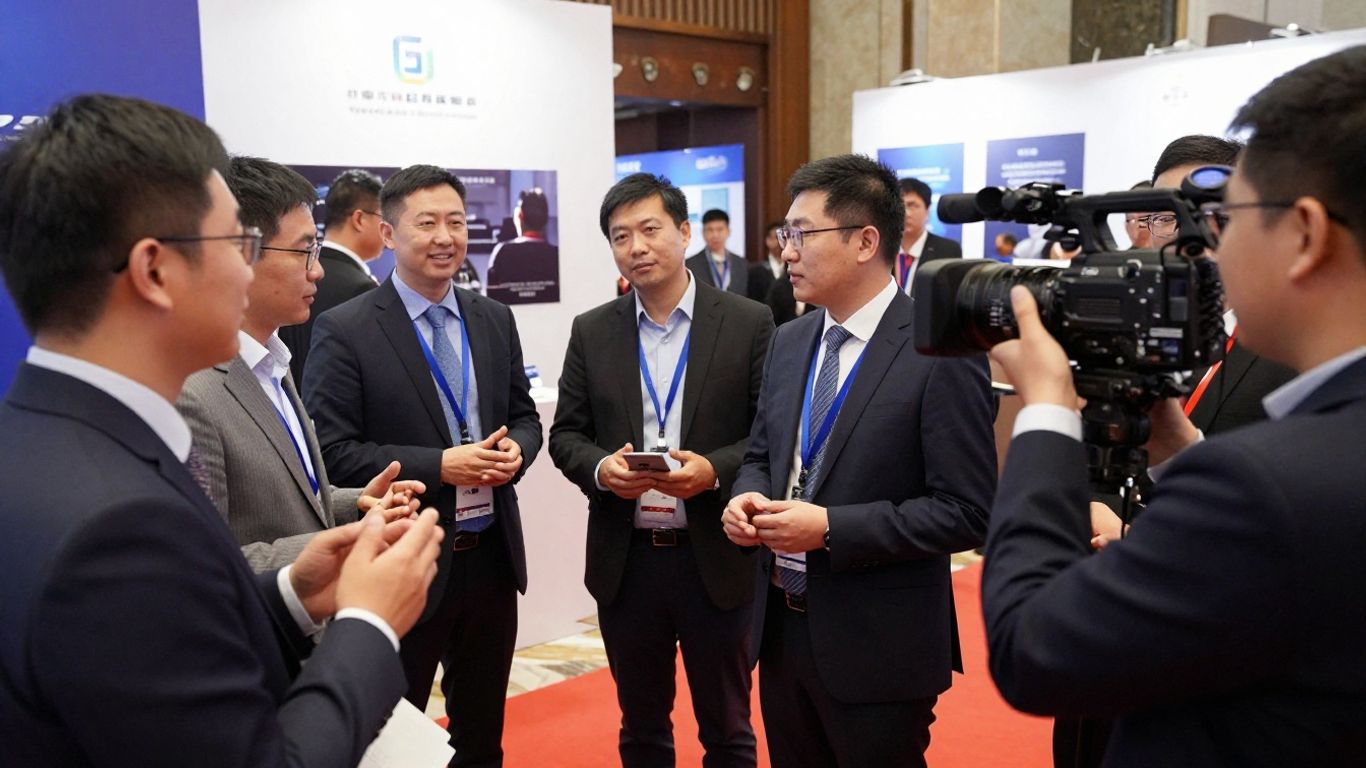
By this point, you’ve got a solid collection of content from your event, and it’s time to really make it work for you. We’re talking about turning those captured moments into genuine connections and building trust with your audience. This phase is all about showing, not just telling, how great your event was and the value it provided.
Strategically Distributing Attendee Testimonials
Remember those interviews you did with attendees? Now’s the prime time to roll them out. Don’t just dump them all at once; spread them out. Think one testimonial every week or two. This keeps your social feeds fresh with real people talking about their positive experiences. It feels way more authentic than just posting about your own company.
- Identify your strongest testimonials: Look for clips where attendees clearly articulate a benefit or a key takeaway.
- Match testimonials to current campaigns: If you’re talking about a specific topic, use a testimonial that relates to it.
- Tag individuals and companies: This is a simple step that can significantly boost engagement and extend your reach.
Pairing Video with Engaging Text Posts
Just dropping a video isn’t always enough. To really make those testimonials shine, pair them with a well-written text post. This text should highlight a specific point from the video, maybe a result achieved or a unique insight gained. It gives people a quick summary and encourages them to watch the full clip. Plus, it’s a great way to build relationships by tagging the people featured and their companies. This kind of content is highly shareable and can reach people you might not otherwise connect with.
Building Relationships and Extending Reach
This whole process is about more than just getting views. It’s about building a community and showing potential attendees what they’re missing. When you consistently share authentic content from past events, you’re not just promoting the next event; you’re building a narrative. You’re showing that your events are places where valuable connections are made and real problems are solved. This kind of social proof is incredibly powerful for convincing people to sign up for future events. It’s about creating a consistent presence that keeps your brand top-of-mind throughout the year, making the next event feel like a natural next step for your audience. Short-form video, especially on platforms like Instagram Reels, is fantastic for this.
The goal here is to make your past event feel like a living, breathing part of your brand’s ongoing story. Each testimonial, each shared insight, adds another layer to that narrative, making your future events more appealing and your brand more relatable.
It’s also worth noting that while we’re talking about marketing content, the principles of clear communication and evidence apply elsewhere too. For instance, if you’re dealing with a complex situation like a workplace injury, having clear documentation and expert support is vital, much like how clear video testimonials support your marketing efforts. Seeking legal counsel can be a similar strategic move to ensure you have the right support for a complex process.
Months Nine To Twelve: Retrospective and Future Teasers
As the year winds down, it’s the perfect time to look back and then peek ahead. You’ve spent months creating content from that one event, and now it’s time to tie it all together and start building excitement for what’s next. Think of this phase as a victory lap combined with a sneak peek.
Celebrating Past Successes with Retrospective Videos
This is where you really show the impact of the event. A retrospective video isn’t just a quick recap; it’s a narrative that highlights the journey and the achievements. You can pull together the best moments from your highlight reel, sprinkle in some powerful attendee testimonials, and maybe even include a few behind-the-scenes shots that show the energy of the event. It’s about reminding everyone why the event was so great and the value it brought.
- Key elements for a retrospective video:
- Showcase attendee engagement and networking.
- Feature impactful speaker quotes or key takeaways.
- Include positive feedback from participants.
- Visually represent the event’s atmosphere and scale.
This kind of video acts as a powerful piece of social proof and a fantastic way to keep your brand top-of-mind. It’s a reminder of shared experiences and successes.
Building Anticipation for the Next Event
Now, pivot to the future. Use snippets from your existing content library to tease what’s coming next. Maybe it’s a quick clip of a speaker hinting at a future topic, or a shot of the venue with a "Save the Date" graphic. The goal is to create a sense of continuity and make people eager for the next installment. You’ve already done the heavy lifting by capturing the content; now you’re just repackaging it strategically.
The consistent output from your event footage keeps your brand visible and relevant throughout the entire year, proving the long-term value of strategic video capture. This approach transforms a one-time investment into an ongoing content stream.
Maintaining Brand Visibility Throughout the Year
By the time you reach this stage, you’ve likely generated dozens of content pieces. This sustained presence means your audience is consistently reminded of your brand and the value you provide. It’s about filling your content calendar without the constant pressure of creating entirely new material every week. This strategy is particularly effective for building a strong online presence and keeping your audience engaged between major initiatives. You can even use some of the more evergreen content, like speaker soundbites or key insights, to fill gaps and maintain a steady flow of information. This final quarter is about consolidating your gains and setting the stage for future success, all thanks to the initial event capture.
| Content Type |
Distribution Channels |
Frequency |
| Retrospective Video |
Website, YouTube, LinkedIn |
Once |
| Future Teaser Clips |
Social Media (Instagram Reels, TikTok, LinkedIn) |
Weekly |
| Key Takeaway Graphics |
Social Media, Email Newsletter |
Bi-weekly |
| Attendee Shout-outs |
Social Media |
Monthly |
The Content Multiplier: Quantifying Event Video ROI
Generating Dozens of Content Pieces from One Event
Most companies spend a good chunk of change on their events, right? And then what? Usually, it’s just one recap video and maybe a few social posts. It feels like a missed opportunity, honestly. Think about all the great talks, the insightful panels, the buzz in the room – most of that energy just disappears after the event wraps up. But it doesn’t have to be that way. A single event can actually be a goldmine for content if you approach it the right way. Instead of just documenting what happened, we’re talking about strategically capturing moments that can be turned into a whole year’s worth of material. It’s about shifting from a one-off communication to a continuous content engine.
The Math Behind a 12-Month Content Calendar
Let’s break down what this looks like in practice. Imagine a two-day conference. You’ve got keynote speeches, panel discussions, and audience Q&A sessions. From just those elements, you can pull out a surprising amount of usable content. We’re not just talking about a single highlight reel anymore. We’re looking at short clips for social media, longer segments for YouTube, quote graphics, even blog post ideas derived from transcripts. It’s about maximizing every bit of value from your initial investment.
Here’s a rough idea of what’s possible:
- 3 Keynote Addresses: Can yield 9-12 short video clips (60-90 seconds each) and multiple quote graphics.
- 2 Panel Discussions: Can be broken down into 6-8 standalone clips focusing on specific arguments or insights.
- Audience Q&A: Provides 4-6 social posts addressing common questions your audience has.
- Behind-the-Scenes Footage: Offers 3-5 humanizing reels showing the process and people involved.
This structured approach means your event content keeps working for you long after the last attendee has gone home. It’s a smart way to get more mileage out of your marketing budget and keep your brand visible. You can even use these clips to drive interest for future events, like promoting next year’s conference speakers.
Investing in Strategy, Not Just Documentation
So, how do you actually make this happen? It starts with planning. Before the cameras even roll, you need a clear strategy. What are your content goals? What are the key moments you absolutely need to capture? Who is responsible for identifying those "gold" moments as they happen? It’s about having a content-aware person on your team, not just someone filming.
The biggest shift is moving from viewing event video as a simple record of what occurred to seeing it as a strategic asset. This means planning the capture with specific content outputs in mind, not just general coverage.
This isn’t just about getting more videos; it’s about getting more business impact from your events. By treating your event as a content production opportunity from the start, you can transform a single investment into a consistent stream of engaging material that supports your marketing and sales efforts throughout the year. It’s a much more efficient way to use your resources, turning what might have been a cost center into a genuine growth driver, much like how organizations can transform their video conferencing systems using tools like the IDC ROI Calculator.
Conclusion
So, you see, your corporate event doesn’t have to be a one-and-done thing. By thinking strategically about how you capture video content, you can turn that single investment into a year’s worth of marketing material. It’s about working smarter, not just harder, and making sure every bit of value from your event gets used. This approach helps you stay visible, build trust with your audience, and ultimately, get more out of your event budget. It’s not just about having a video; it’s about having a strategy that keeps on giving.
Frequently Asked Questions
What exactly is corporate event videography?
It’s like having a video crew film your business event, like a conference or a company party. But instead of just making a home movie, they film it so you can use the video clips for your company’s marketing later on, for months.
Why is filming an event good for my business?
Think of it this way: you already paid for the event, right? Filming it means you get more bang for your buck. You can use the videos to show people what happened, share cool ideas, and get others excited about your next event. It’s like getting free marketing material for a long time.
How can one event make so much content?
Imagine filming a speaker’s whole talk. You can cut that into smaller videos, each about one specific idea. You can also film people talking about how great the event was, or show quick clips of people networking. All these little bits add up!
When should I get the video clips out?
You want to get a cool highlight video out pretty quickly, maybe within a week or two, to show off the best parts. Then, you can slowly release the smaller session videos and testimonials over the next few months.
Do I need a lot of cameras?
It helps a lot! Having more than one camera means you can film different things at once – like the speaker on stage and the audience’s reaction. This gives you more variety for your final videos.
What if I don’t have a big budget for video?
Even a small budget can get you started. Focus on getting good audio and a few key moments filmed. You can always grow from there. The main thing is to have a plan for how you’ll use the video, even if it’s just a few clips to start.