Key Takeaways
Choosing a production partner gets easier when you start with the job the video needs to do. Compare the work, workflow, costs, people, and distribution plan before committing.
- Match the company’s services to the formats and goals you have in mind.
- Review relevant portfolio work for craft, audience fit, and a tailored approach.
- Clarify planning, approvals, project scope, rights, and timelines before production.
- Compare the people, communication, and practical logistics involved in the work.
- Plan distribution and define how you will judge whether the video helped.
1. Match the company’s services to your video goals
Before you compare reels or ask for estimates, get specific about what you want the video to accomplish. A customer story, an internal training piece, and an event recap call for different approaches, even if all three sit under the broad label of corporate video. VG Creations lists Corporate Videos among its services, but the right fit for any project depends on the particular format and scope you need. A useful corporate video company selection guide can help you turn that initial goal into questions for prospective teams.
Compare corporate, commercial, and brand video offerings
The names of video services can overlap, so ask each company what its terms mean in practice. A corporate video might introduce an organization or explain an initiative; a commercial may be built around a specific offer; a brand video can focus on the story and qualities you want audiences to remember. These are starting points, not universal definitions. For a broader look at corporate film formats, consider how different types of business video are used to communicate with employees and customers.
A side-by-side comparison makes it easier to spot where a company’s experience appears relevant and where you still need answers:
| Project need |
What to ask |
Useful evidence |
| Company overview |
How do you shape the story around our audience? |
A relevant example and a clear creative rationale |
| Commercial |
What information do you need about the offer and intended viewer? |
Work with a similar communication goal |
| Brand story |
How do you learn what makes this organization distinct? |
Examples that feel specific rather than interchangeable |
| Internal communication |
How do you keep the message clear for employees? |
A sample with an appropriate tone and level of detail |
A service label alone does not tell you whether the company understands your audience or can translate your brief into an effective story. Ask to see examples and discuss the decisions behind them before treating a category match as a real fit.
Check experience with testimonials, interviews, and training videos
These formats place different demands on a production team. A testimonial needs a comfortable conversation and a story that sounds like the speaker; an interview may require careful preparation and a focused line of questioning. Training content, by contrast, needs to communicate information in a way viewers can follow. Ask for examples that resemble your format, then find out what the team did to help the people on camera feel prepared.
Ask about event coverage, podcasts, and social media content
A company may cover a live event, produce a podcast, or create material intended for social channels, but those are distinct services worth confirming individually. VG Creations offers Podcast Production, described as work from setup through post-production for audio and video podcasts. Ask a prospective team which parts of your own project it would handle, and what you would need to provide. If your video is one part of a wider campaign, make sure the proposed work matches the scope you actually want.
Confirm the team can support your distribution channels
A video intended for a company website may need a different shape from one planned for a social feed or an event screen. Discuss the platforms at the start, not after filming, so the team can account for the intended use as it plans the project. That conversation can also reveal whether your brief describes one finished video or several versions with different purposes.
2. Evaluate the portfolio for creative and industry fit
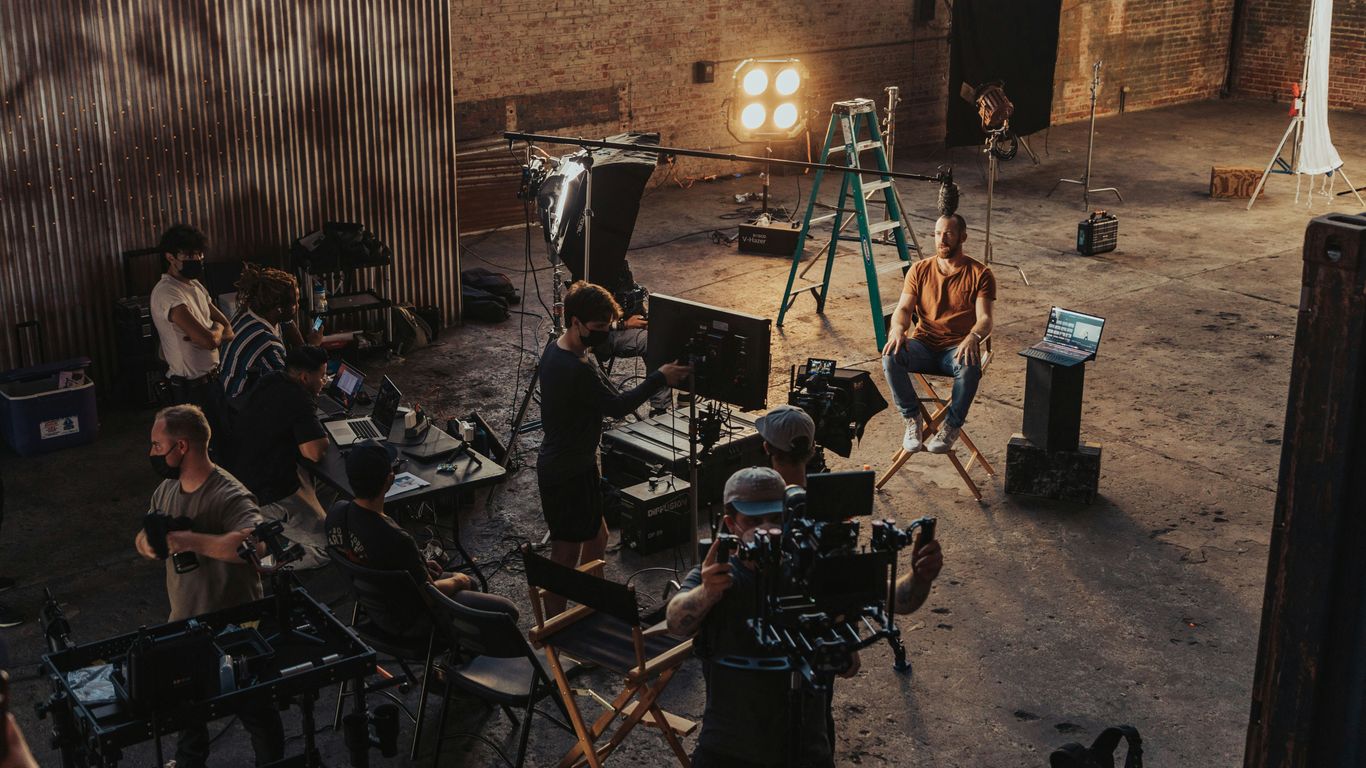
A portfolio gives you a sense of a company’s taste, but it is more useful when you watch with a question in mind. Does the work speak to an audience like yours? Does the style suit the subject? Look for evidence that the team can make clear choices, not simply produce attractive images. A little attention here can help you distinguish a polished reel from a genuinely relevant body of work.
Look for examples that align with your audience and objectives
Start with the intended viewer. A video for prospective customers may need to establish confidence quickly, while an internal piece may rely on context that employees already have. Ask the company to show work that shares something meaningful with your project: its audience, purpose, subject, or setting. A close match can be helpful, but a thoughtful explanation of how a different example relates can also show the team’s reasoning.
Assess storytelling, cinematography, and editing quality
Look past the opening shot and notice how the story develops. Are ideas easy to follow? Do the images support what is being said, and does the edit give important moments enough room? Technical polish matters, but so does restraint: a sequence can be visually striking and still fail to communicate the point. Pay attention to whether the work holds your interest without obscuring its message.
Check whether the work feels tailored to each client
Watch several projects from the same company. If every video has the same pacing, visual style, and structure, ask how the team adapts its approach to different clients and audiences. Consistency in craft can be reassuring; sameness in the storytelling may not be. You want to hear how the company finds the particular story in a brief rather than simply applying a familiar template.
Request relevant samples beyond the company’s featured projects
Featured reels are selected to make a strong first impression, so they may not show the full range of a team’s work. Ask for a sample that resembles your project in format or purpose, and, if possible, watch a complete piece rather than a short montage. Then ask what the brief was and what constraints shaped the final version. That context makes it easier to judge whether the sample is relevant to your needs.
3. Understand the strategy and production process
A clear process helps turn a broad business goal into a shoot that has a reason behind every major choice. Ask how the team learns about your audience, decides what the video should communicate, and carries that idea through planning and production. VG Creations describes a process that begins with a plan and moves to execution, so it is reasonable to ask any prospective team what those stages mean for your project. The details matter: shared expectations can prevent avoidable confusion later.
Ask how the team turns business goals into a video concept
A useful first conversation should connect the goal to the viewer and the message, rather than jumping straight to cameras or locations. Ask what information the team needs from you and how it will decide what belongs in the story. You should be able to explain why the concept suits the goal, even if the creative approach is new to you. If the idea sounds appealing but its purpose is hard to describe, keep talking before approving it.
Review planning, scripting, and preproduction steps
Planning is where practical details and creative decisions begin to meet. Ask what the company expects to settle before filming: the story, script or interview prompts, schedule, locations, and people involved. The exact needs will vary by project, but you should know who is responsible for each decision and when it needs to be made. A written outline or schedule can make the work easier to review with colleagues.
Clarify who manages locations, talent, and production logistics
A shoot involves more than the person behind the camera. Before approving a proposal, discuss who coordinates the location, participants, timing, permissions, and any other arrangements relevant to your project. The responsibilities may be shared, but they should not be assumed. Knowing who owns each task gives your team a practical way to prepare and leaves fewer details to resolve at the last minute.
Find out how the company handles feedback and approvals
Approvals tend to go more smoothly when everyone knows who reviews the work and how feedback will be collected. A simple sequence can help your team understand the handoffs:
- Name the people who can approve the concept and script.
- Agree on who consolidates comments from internal reviewers.
- Decide how feedback on an edit will be shared and tracked.
- Confirm who gives final approval for delivery.
This is not red tape for its own sake; it gives the production team a usable response instead of competing notes. Ask how the process works if a key approver is unavailable or if feedback changes the agreed scope. A shared plan keeps creative discussion focused and makes next steps easier to see.
4. Compare budgets, deliverables, and timelines
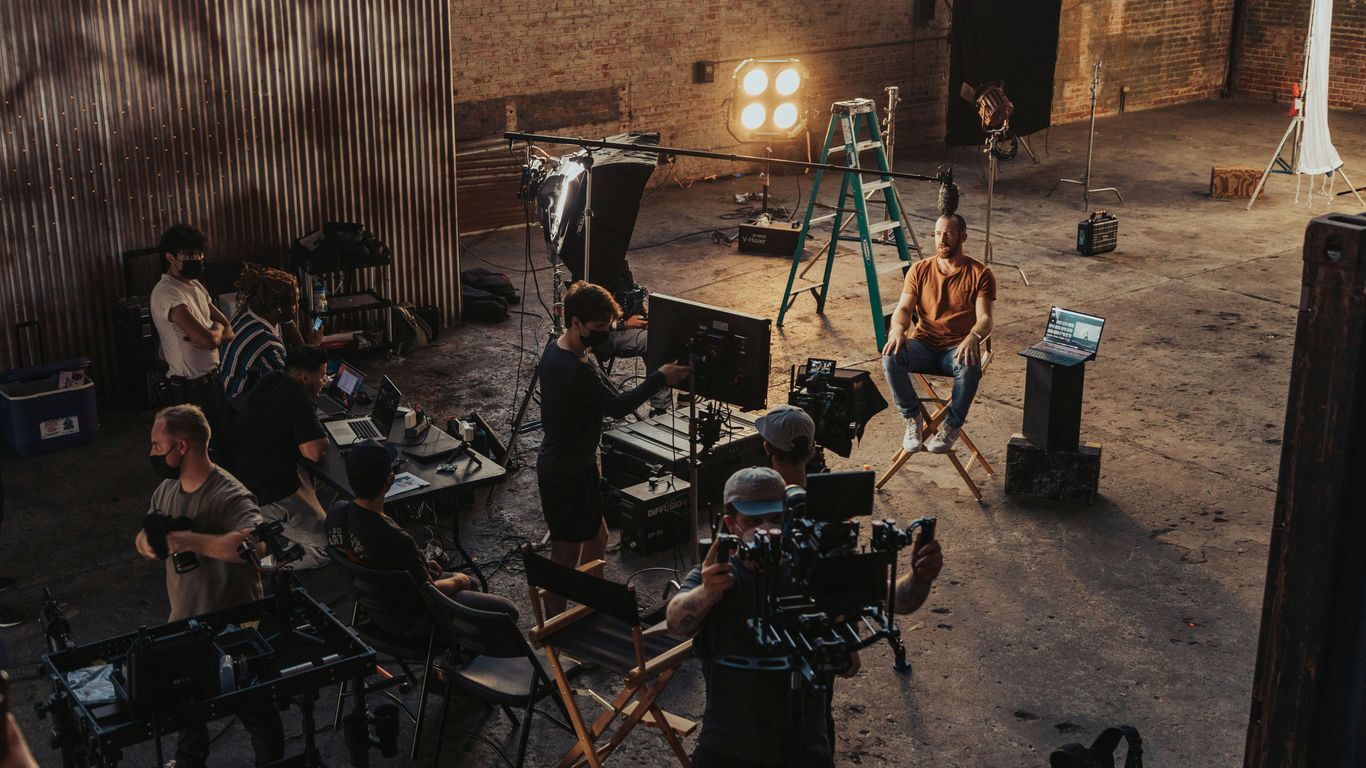
A quote is only useful when you can tell what it covers. Compare proposals against the same brief and ask for costs to be separated where possible, including production and post-production. Be cautious about choosing on the headline price alone: an estimate that leaves important work undefined may not be comparable to one that spells it out. A written scope gives both sides a steadier basis for decisions.
Request itemized quotes for production and post-production
Ask the company to explain the major cost categories in plain language. You might need to know what is included in preparation, filming, editing, or other work proposed for your project. The aim is not to compare every line as if all projects were identical; it is to understand what the quote assumes. If the estimate depends on details that are not yet settled, ask which assumptions could change the price.
Confirm what is included in the proposed deliverables
Make a written list of what you expect to receive. Is the proposal for one finished video, or does it include additional edits or versions? Ask about file formats and any other handoff requirements your team has. A defined deliverable list prevents a mismatch between what you pictured and what the company priced.
Ask about revisions, usage rights, and additional costs
Before work begins, clarify how many review rounds are included, what counts as a revision, and what happens if the project changes direction. Ask who may use the finished material, where it may be used, and whether any limits apply. These are contract questions, not assumptions to make from a portfolio. Get the answers in writing so the team can resolve them before production starts.
Set expectations for filming dates and final delivery
A schedule should include more than the shoot date. Ask when your team needs to provide materials, when reviews are expected, and when final delivery is planned. Build in time for internal approvals, especially if several people need to weigh in. A timeline that accounts for those steps is more useful than a hopeful finish date without the path to get there.
5. Assess the production team and communication
You are choosing people as well as a finished product. The company’s portfolio may be excellent, but you also need to know who will do the work and how they will keep you informed. Ask who joins planning calls, who is present during filming, and how questions or changes are handled between milestones. Clear communication often feels ordinary in the moment; its value becomes obvious when a project gets busy.
Identify your main contact throughout the project
Find out who will be your main point of contact and whether that person stays involved from the first discussion through delivery. If responsibilities shift between staff, ask how information will be handed over. A reliable contact can help you keep decisions, dates, and open questions in one place. Agreeing on the best way to communicate also saves everyone from chasing updates across several channels.
Confirm who handles directing, filming, and editing
Ask which roles are covered by the proposed team and whether any responsibilities belong to your organization. The answer may depend on the scale of the shoot, but you should understand who guides the creative work and who manages each production stage. If you meet a salesperson or director before booking, ask who you will work with day to day. That helps you evaluate the actual working relationship, not just the introductory conversation.
Ask how the team prepares people who are new to camera
Many employees or customers are not used to being filmed, and their comfort can affect how natural the result feels. Ask how the team explains the process, helps participants prepare, and creates a calm setting on shoot day. You do not need everyone to sound rehearsed; often, a little context and a thoughtful conversation are more useful than memorized lines. Look for a team that can describe its approach clearly.
Check availability for local shoots and travel
Confirm where the team can work and whether travel is part of the proposal. For a local shoot, ask about the location and date availability you need; for work farther away, clarify how travel affects the schedule and estimate. VG Creations lists locations in Miami and West Palm Beach, Florida, and describes worldwide availability. Regardless of where you are based, confirm the specific arrangements for your dates rather than assuming availability from a general service area.
6. Plan for distribution and performance
The finished video is not the end of the project if you have not decided where it will go or what you want it to do. Think through the viewer’s next step and the places they are most likely to encounter the content. This helps you ask for appropriate versions and set expectations for how you will assess the work. It also makes the production brief more grounded in the way your organization will actually use the video.
Choose formats and aspect ratios for each platform
Tell the production team which channels matter before filming and editing are complete. Different placements can call for different framing, lengths, or file specifications, so it is worth discussing those requirements early. Do not assume one export will suit every use. A small amount of planning can spare your team from discovering too late that the video needs a version you did not request.
Discuss captions, cutdowns, and other edits for reuse
Ask what adaptations make sense for your intended channels, and whether they are included in the scope. Captions, shorter edits, or other versions can make a finished video easier to use in different contexts, but each should serve a clear purpose. VG Creations lists Video Editing Services; when discussing any editing work, confirm the specific deliverables and terms for your project rather than assuming a particular package. Decide what would be useful before adding more work to the estimate.
Define success metrics such as views, leads, or engagement
Choose measures that connect to the video’s purpose. Views may help you understand reach, while leads or engagement could be more relevant to a campaign or a specific audience response. Agree on what you can realistically track and over what period. Not every video has one simple metric, but deciding what evidence matters makes the post-launch conversation more useful.
Establish how results will inform future video projects
After distribution, review what happened and compare it with the goal you set at the start. Consider which audiences watched or responded, where the video was used, and what questions it helped answer. Treat results as information for the next brief, not as a promise that one format will work the same way every time. That habit can make future video decisions more deliberate and less reliant on guesswork.
Conclusion
The best corporate video companies for your project are the ones whose services, creative judgment, working process, and proposal make sense for your goals. Take time to compare relevant work and clarify the details before filming begins; a thoughtful match gives your team a clearer path from the first brief to a video that is ready to use.
Frequently Asked Questions
What should I look for when choosing a corporate video company?
Look for relevant examples, a clear understanding of your audience and goal, a defined production process, and a proposal that explains scope, costs, and deliverables. The team’s communication style matters too, since you will work together through planning, filming, review, and delivery.
How many companies should I compare?
There is no fixed number. Comparing a few qualified teams against the same brief can give you a useful sense of differences in creative approach, process, and cost without making the decision harder than it needs to be.
What should I include in a video production brief?
Describe the intended audience, purpose, key message, planned distribution channels, timing, and any practical constraints. If you have examples of styles you like or do not like, include those as references rather than treating them as a complete creative direction.
How can I compare video production quotes fairly?
Check that each quote responds to the same project scope, then compare included services, deliverables, review rounds, rights, schedule, and assumptions. Ask for unclear items to be explained in writing before deciding.
How long does a corporate video project take?
Timing depends on the project’s scope, preparation needs, shoot schedule, review process, and delivery requirements. Ask each company for a timeline with the major steps and the dates or decisions it needs from your team.
What should I ask about revisions and usage rights?
Ask how many review rounds are included, what is considered a revision, how scope changes are handled, and where and how your organization may use the finished work. Confirm the answers in the agreement before production begins.
How do I know whether a corporate video was successful?
Start with the goal you set before production and select measures that relate to it, such as views, leads, or engagement. Review the results in the context of where the video was distributed and use what you learn to shape future projects.