Key Takeaways
Choosing a production partner is easier when you know what the video needs to accomplish and how you will judge the work. Use these points to keep the decision grounded in your goals, budget, and audience.
- Define the audience, purpose, format, and distribution plan before requesting proposals.
- Review portfolio work for storytelling, technical quality, and relevance to your project.
- Compare production processes, deliverables, revision terms, timelines, and costs.
- Assess communication and reliability alongside creative ability.
- Track performance after delivery and use audience feedback to shape future work.
Define your video goals and scope
A useful brief gives production companies a clear idea of what the video should do and who needs to see it. It also makes proposals easier to compare, since each team is responding to the same needs. Before reaching out to corporate video production companies, agree internally on the outcome you want and the practical limits of the project.
Match video formats to business objectives
Start with the purpose, then choose a format that can serve it. A company introduction, an interview, a customer story, and event coverage each make different demands on the message and production plan. For example, VG Creations produces corporate videos, interview videos, event and conference videos, and other video formats; use the format that best suits your audience rather than selecting one simply because it is familiar.
A short list of desired outcomes can help keep the creative conversation focused. You might want to explain a service, introduce your organization, support an event, or give a campaign a consistent visual story. These are different jobs, and one video may not need to do all of them.
Identify your audience and distribution channels
A video intended for employees may use a different tone and level of detail from one made for prospective customers. Think about what viewers already know, what they need to understand, and what you want them to do next. A clear message and defined audience are useful starting points for corporate video messaging, especially when interviews are part of the plan.
Distribution affects practical choices, too. A video for a website, social feed, presentation, or event screen may need different framing, pacing, or versions. Discuss these uses early so the team can plan for the places where people will actually watch.
Set deliverables, deadlines, and approval needs
Spell out what you expect to receive, not just what you hope the finished video will feel like. Deliverables might include a primary edit, shorter versions, captions, or a specified file format, but each should be stated and confirmed in the proposal. Name the people responsible for feedback and approval, too; a clear decision path can prevent a project from stalling late in postproduction.
Set a target date and work backward through review milestones. If several departments need to approve the content, allow time for their feedback rather than treating approval as a quick final step. This kind of practical detail helps the team estimate the work accurately.
Evaluate portfolios and production capabilities
A portfolio gives you a view of what a company has made, but it is only one part of the evaluation. Look beyond the polish of a showreel to see whether the team can tell a story that fits your audience and purpose. The most useful examples are those that help you picture how your own project could take shape.
Look for work in your industry or similar formats
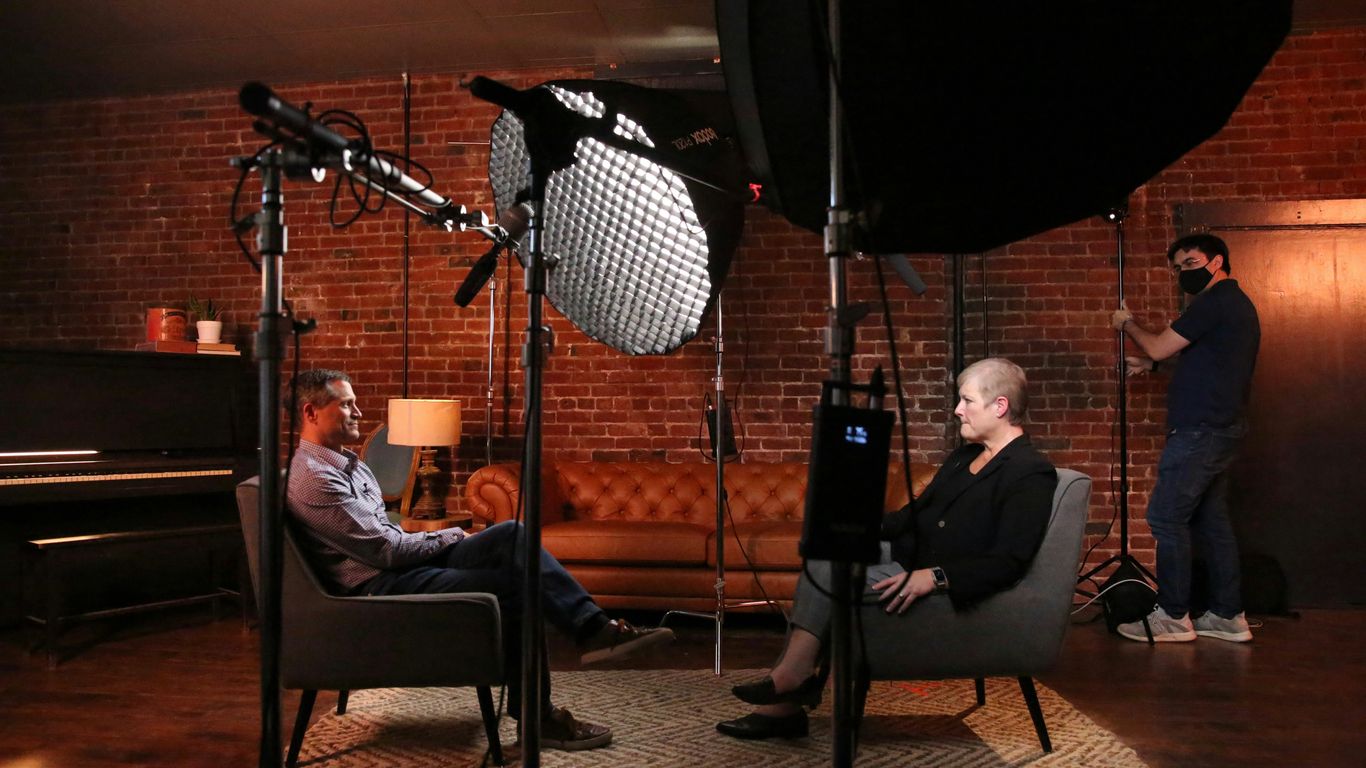
Relevant experience can make it easier for a team to understand your subject matter, audience, and production context. A close match is not essential, though: a company may have strong examples in a similar format even if it has not worked in your exact industry. Ask what the team was responsible for in each sample, and how its approach would change for your project.
Browse more than the first few featured examples. Look for a range of work that shows how the company handles different messages, locations, and people on camera. If you are comparing options, this production partner selection guide offers a useful frame for weighing goals, relevant experience, process, and value.
Assess storytelling, cinematography, and editing
Good-looking footage matters, but it should support a coherent message. Notice whether the opening gives viewers a reason to stay, whether the story develops in a clear way, and whether the edit feels right for the subject. Story before spectacle is a practical test: ask whether each visual choice helps the viewer understand or feel something relevant.
Pay attention to sound and pacing as well as camera work. A polished image can still feel awkward if interviews are hard to follow or the edit rushes through important ideas. When reviewing samples, note what feels effective and what you would want to handle differently in your own video.
Check whether the company can handle your project’s scale
The scale of a project involves more than its running time. Consider the number of filming days, locations, contributors, versions, and approvals involved, then ask how the proposed team would manage them. A small, focused shoot and a multi-location production call for different planning and coordination.
Ask who will lead the work and how responsibilities are divided across the production. If your schedule or scope changes, find out how that affects the plan. The aim is not to hire the largest crew; it is to make sure the proposed resources fit the work.
Compare services and production processes
A production process should be understandable before you commit to it. Ask what happens from the first planning conversation through filming and final delivery, and which parts your own team will need to handle. A clear process helps everyone see where decisions, feedback, and handoffs belong.
Review preproduction, filming, and postproduction support
Request a straightforward description of the stages included in the project. Planning may involve shaping the idea and preparing for the shoot; filming is when the planned footage is captured; postproduction brings the material together into an edit. VG Creations describes a process that moves from a discovery call to planning and strategy execution, so ask any prospective team to explain its own steps in similarly concrete terms.
It can help to compare the scope using the same set of questions for each proposal:
- What planning or creative development is included?
- Who coordinates the filming day and production logistics?
- What editing and finishing work is part of the quoted scope?
- How are feedback, approvals, and final files managed?
Once you have the answers, look for gaps as well as included services. A brief, specific process description is more useful than a broad promise of a seamless experience.
Ask how scripting, locations, and talent are handled
Clarify who develops the script or interview questions and who gives final approval on the message. If a shoot needs a particular location, ask who finds it, obtains permission, and coordinates access. For on-camera participants, find out what preparation is offered and what your organization needs to arrange.
The answers should reflect your actual project. A straightforward interview may need little location planning, while a shoot involving several people or places can require more coordination. Confirming these details early makes it easier to assign internal responsibilities.
Clarify revision rounds, timelines, and communication
Ask how many review rounds are included, how feedback should be collected, and what counts as a new request rather than a revision. One person gathering comments from multiple stakeholders can make feedback more consistent. Make sure the review schedule leaves enough time for thoughtful decisions.
The team should also explain how it will share progress and flag delays. Written milestones can help keep communication practical: everyone can see what is due, who needs to respond, and what is waiting on approval. If the proposed schedule feels compressed, discuss a more realistic timeline before production begins.
Understand pricing and project value
Price is easier to interpret when you can see what work it covers. Ask for proposals that describe the scope, included services, deliverables, and assumptions behind the estimate. This makes it possible to compare value without treating the lowest headline number as the automatic winner.
Compare itemized proposals rather than headline prices
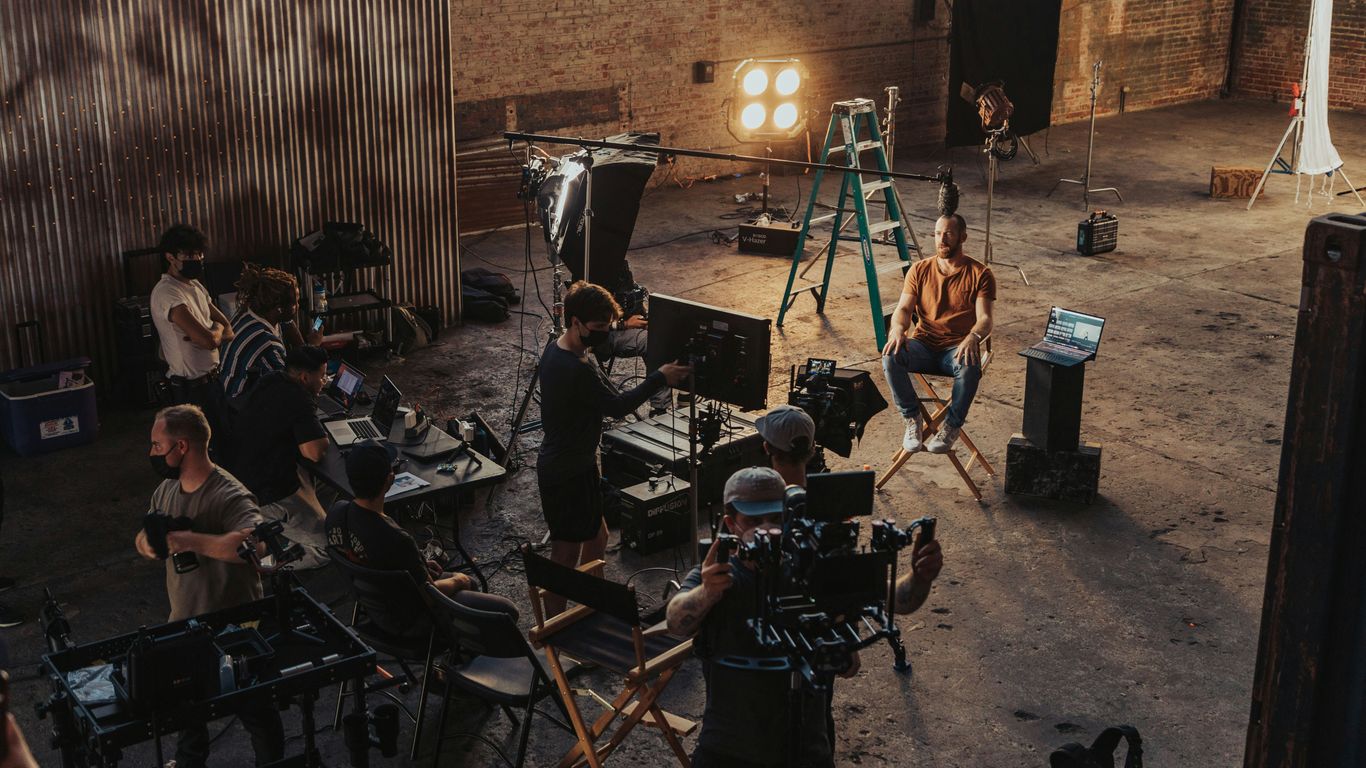
Request enough detail to understand what each estimate includes and what could change the final cost. The categories may vary by project, but a side-by-side comparison can surface differences in scope and assumptions.
| Proposal area |
What to clarify |
Why it matters |
| Planning |
Creative development and preparation included |
Shows what happens before filming |
| Production |
Crew, equipment, days, and locations |
Makes shoot assumptions visible |
| Postproduction |
Editing and included review rounds |
Clarifies the path to a final cut |
| Delivery |
Number and type of final files |
Sets expectations for usable outputs |
Read each proposal in context rather than comparing line items without explanation. If a cost or assumption is unclear, ask the company to describe it in plain language. That conversation may also reveal whether the proposed scope matches your actual priorities.
Check what equipment, crew, and deliverables are included
A proposal should make clear what production resources are included and what the client is expected to provide. Ask whether the stated crew and equipment suit the plan, and confirm exactly which finished files will be delivered. VG Creations offers post-production services that elevate the feeling of videos and help them resonate with an audience; when reviewing any provider’s scope, ask which postproduction tasks are included in the quoted project.
Be careful with assumptions around versions and formats. If you need a particular cut or file for a planned channel, name it before approval rather than expecting it to be included by default. A precise deliverables list keeps the working agreement clear.
Plan for usage rights, travel, and potential add-on costs
Ask how the proposal addresses usage rights for footage, music, and any other materials, and whether the intended channels or duration affect the terms. Confirm whether travel, location costs, talent, or other project-specific expenses are included or billed separately. The goal is not to assume every project has the same cost categories, but to identify the ones that apply to yours.
Get approval before expanding the scope or adding new deliverables. A written change process can help both sides understand the cost and schedule impact before work proceeds. This protects the project from surprises and gives your team a clear basis for decisions.
Assess fit and reliability
Creative skill and a sensible estimate matter, but a project also depends on how people work together. You will share information, make decisions, and give feedback under real deadlines. Use the selection process to learn how the team communicates and whether its working style fits your organization.
Speak with past clients about the working relationship
If references are available, ask clients about communication, preparation, flexibility, and how the team handled feedback. Keep the questions focused on the experience of working together rather than asking for a promise that your project will have the same result. A reference can describe how the company responded when plans shifted or decisions took longer than expected.
You can also ask how well the final work matched the agreed scope and whether the client would choose the team again. Listen for specific examples, not just general praise. That context can help you judge whether the production relationship is likely to suit your team.
Meet the team members who will lead your project
The people presenting the proposal may not be the people guiding the work day to day. Ask to meet the project lead and any key creative or production team members, then discuss how they interpret your goals. Their questions can tell you a lot about whether they are listening closely.
Notice how they explain creative choices and respond to constraints. You do not need to agree on every detail at the outset, but you should be able to discuss trade-offs openly. A productive working relationship makes it easier to resolve those differences during production.
Confirm availability and contingency plans
Before signing, confirm the proposed dates and the time your team will need to provide materials and approvals. Ask what happens if a key participant becomes unavailable, weather affects a location, or another practical issue disrupts the shoot. The response should be specific enough to clarify who makes decisions and how the schedule could change.
Discuss any backup arrangements that matter to your project, and make sure they are reflected in the plan where appropriate. Reliability is not the claim that nothing will go wrong; it is having a clear way to handle changes when they do.
Measure results after delivery
The work does not end when the final file arrives. Decide in advance how you will judge whether the video served its purpose, then gather the information that can answer that question. Measurement is most useful when it is connected to the goal rather than chosen because a platform makes a number easy to see.
Define KPIs that align with your video goals
Choose a small set of indicators that reflects what the video was meant to do. If the goal is awareness, you might look at reach or views; if the goal is to encourage action, consider the relevant response or conversion measure. Treat each metric as a clue about performance, not proof of a single cause.
Set a starting point and a period for review so your team knows when to assess the results. A video intended for internal communication may call for different evidence than a public campaign. The measure should follow the purpose you agreed on at the beginning.
Track performance across the channels where you publish
Review the video in the context of each channel where it appears. Audience behavior and available reporting can differ from one place to another, so avoid assuming that a single number tells the whole story. Compare performance with similar content where that comparison is meaningful.
Keep track of practical details, such as where the video was shared and whether it was used in the way the team planned. Distribution context can help explain why results vary. That record will be useful when deciding whether to adapt the content or change the rollout.
Use audience feedback to guide future video projects
Numbers show part of the response; comments and direct feedback can add texture. Look for recurring questions, points of confusion, or moments viewers mention as useful. Ask people close to the audience what they noticed, too, while keeping individual reactions in perspective.
Use what you learn to refine the next brief. If viewers respond to a particular message or format, consider why it worked before repeating it. Each project can give your team a more informed starting point for the next one.
Conclusion
Choosing a video production partner is a matter of matching the work to a clear business purpose and finding a team that can explain how it will deliver. Compare relevant portfolio examples, process, proposal details, communication, and the measures you will use after launch. With those decisions made early, your video has a better chance of becoming a useful, well-planned asset rather than a deliverable without a clear job.
Frequently Asked Questions
These answers cover common questions that come up when businesses plan a video project and compare production partners. The best choice depends on the project’s purpose, scope, and the people who need to approve it.
What should I look for in a corporate video production company?
Look for work that demonstrates relevant storytelling and production quality, along with a process and communication style that suit your project. Clear scope, deliverables, timing, and pricing matter as much as a polished reel.
How do I choose the right format for a business video?
Start with the audience and the goal. An interview, company introduction, event video, or other format should be chosen according to what viewers need to understand or do.
How much does corporate video production cost?
Costs vary with the scope, production requirements, locations, deliverables, and other project details. Compare itemized proposals and ask what is included before evaluating the total price.
How long does it take to produce a corporate video?
The timeline depends on planning, scheduling, filming, review rounds, and final delivery requirements. Ask for milestones and leave room for stakeholder feedback and approvals.
What should a video production proposal include?
It should describe the work, production assumptions, deliverables, timeline, pricing, and review process. Any usage terms or possible additional costs should also be clarified before work begins.
How many revisions should I expect?
The number of included revision rounds depends on the agreement. Confirm how feedback is collected, what qualifies as a revision, and how a change in scope could affect timing or price.
How can I measure whether a business video worked?
Choose measures that fit the original goal, such as relevant reach, engagement, or audience actions. Pair performance data with feedback and review the video in the context of where and how it was shared.