Key Takeaways
Finding the right partner for your project ensures that your visual assets work as long-term business drivers rather than one-off expenses. Understanding your goals and the agency’s process is critical for success.
- Define your project goals and KPIs before contacting agencies.
- Scrutinize portfolios for both technical quality and consistent storytelling.
- Evaluate communication workflows to ensure transparency throughout production.
- Prioritize partners who view video as a long-term strategic asset.
- Verify all legal and financial terms to avoid unexpected project overages.
Defining your video production needs
Before soliciting bids for your project, take time to clarify what success looks like for your organization. Treat each video investment as a strategic business asset rather than an isolated creative task to ensure maximum return on investment.
Identifying your primary goals and brand KPIs
Deciding what you want to achieve is the first step toward effective production. Whether you are aiming for increased brand awareness, internal training clarity, or conversion-driven testimonial videos, having concrete metrics helps your production partner focus their efforts on your specific needs. Start by identifying the primary audience and the exact action you want them to take after watching your content.
Determining the scope and format of your project
Your chosen format dictates the complexity and technical requirements of the shoot. A high-quality educational video or a documentary-style piece requires a different approach than a short-form social media clip. Consider the following project variables as you prepare your scope:
| Feature |
Consideration |
| Target Runtime |
Short-form vs. long-form |
| Delivery Platform |
Social feed vs. website or email |
| Production Value |
High-end cinematic vs. authentic raw |
These variables, when documented early, ensure that the team you hire can deliver the specific assets your marketing plan requires.
Establishing a realistic budget for professional production
Quality video production requires significant resource dedication, including camera gear, specialized crew, and time in post-production. A realistic budget accounts for both the filming process and the iterative refinement that makes content professional. Building trust through story-driven video strategy often requires finding a partner who balances high-end visuals with cost-effective production planning.
Vetting the portfolio of potential production partners
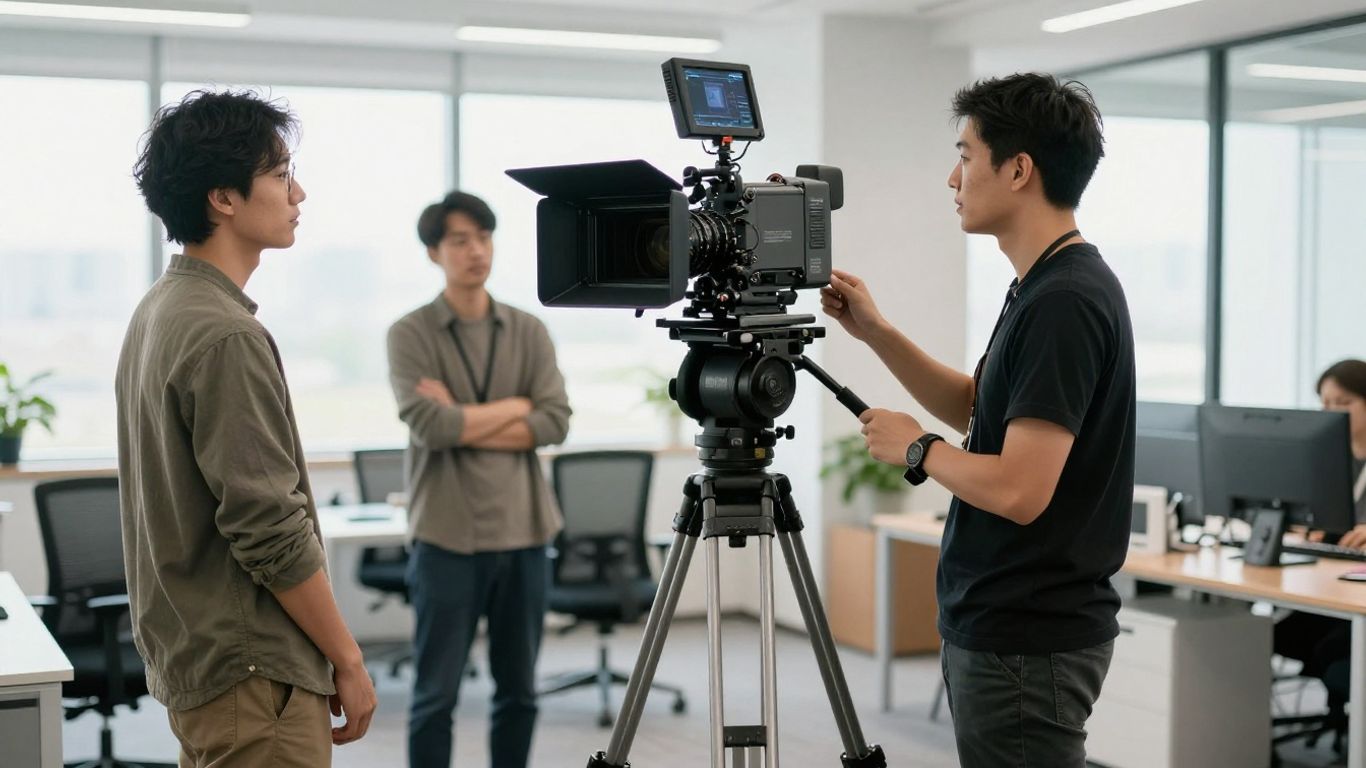
Selecting a creative partner requires a rigorous assessment of their past technical and artistic output. Their portfolio acts as a preview of what you can expect, revealing not only their technical style but also their ability to distill complex messages into clear, visual stories.
Analyzing visual quality and storytelling capability
Look for consistency in lighting, color, and pacing across multiple samples. A strong production company demonstrates a mastery of the craft, showing they can produce polished, high-quality video content that remains engaging throughout. Pay close attention to how they handle audio and pacing, as these elements often define the difference between amateur-looking projects and professional-grade brand assets.
Looking for relevant experience in your specific industry
Industry-specific experience saves time and reduces onboarding friction during the planning phase. When a team understands the nuances of your sector, they can often suggest narrative approaches that resonate more effectively with your audience. This familiarity allows for a smoother transition from concept to execution, as they are already aware of common compliance or audience expectations in your field.
Assessing the range of styles and post-production capabilities
Editing turns raw footage into a cohesive final product, so explore the depth of their studio services. You need a partner capable of handling intricate post-production services that elevate the look and feel of your final delivery. Ensure they can adapt their aesthetic to complement your existing brand identity rather than forcing your content into a pre-existing, static style bucket.
Evaluating the production process and communication flow
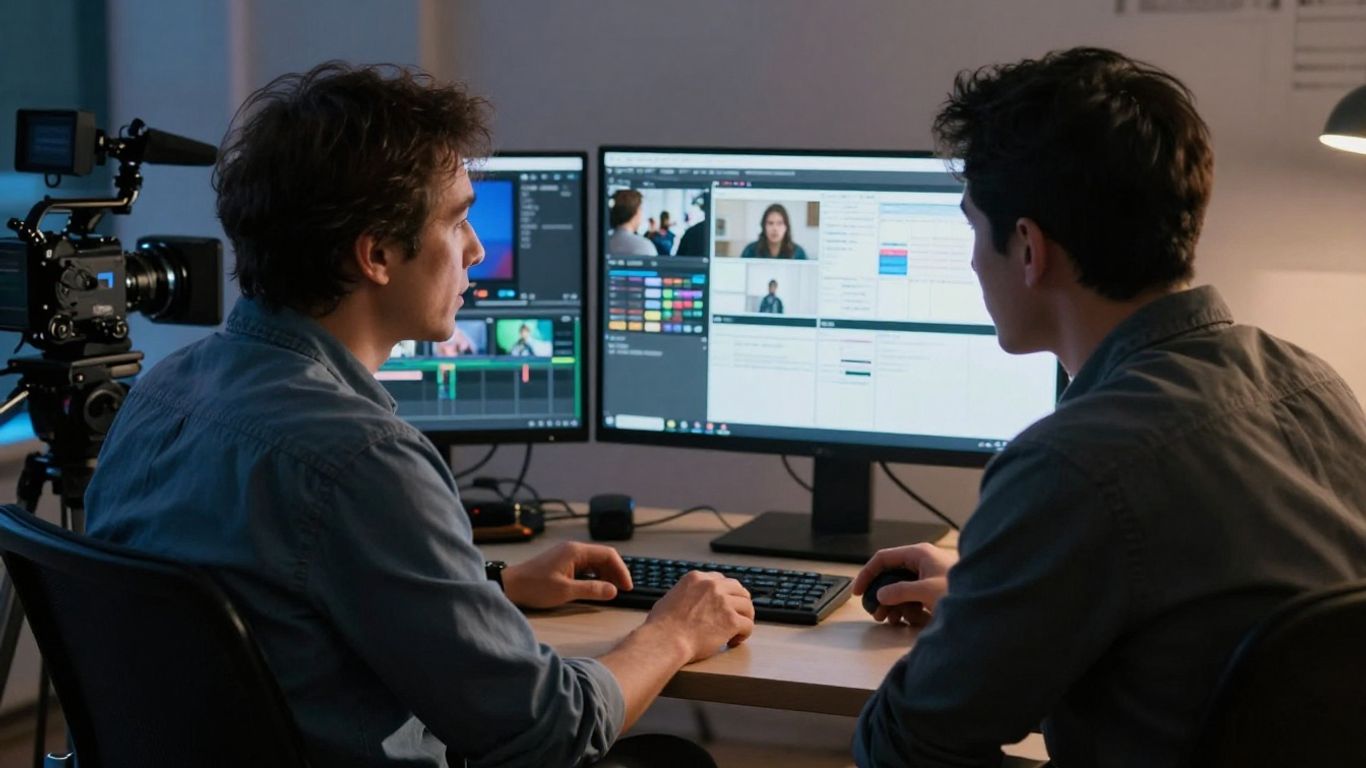
How a company manages their internal workflow is often as important as the final product. A professional partner should operate with a defined, predictable process that respects your time and internal capacity.
Checking for internal creative strength versus outsourced talent
Understanding who is actually doing the work helps prevent communication gaps. Partnering with a firm like VG Creations, which maintains dedicated internal expertise, often provides the benefit of a unified creative vision. Having a reliable, in-house team ensures that your project stays on track and under the guidance of creators who understand your brand’s unique mission and requirements.
Understanding the timeline and project turnaround expectations
Effective production relies on a clear schedule that maps out key milestones and delivery dates. You should expect your partner to provide a transparent timeline that leaves room for necessary collaboration without sacrificing speed. A firm with a streamlined production experience is one that can reliably forecast their project turnaround, helping you manage internal expectations and launch your campaigns on schedule.
Measuring long-term client satisfaction and reputation
Customer feedback offers a window into how an agency navigates project challenges. Look for evidence that they are responsive to client input and committed to long-term success rather than just the final delivery. A partner who builds authority and credibility through their work will typically have testimonials that reflect their reliability throughout the lifecycle of a production project.
Understanding the financial and legal logistics
Clear financial expectations are the foundation of a healthy partnership. Transparency in billing and contract terms eliminates the risk of misunderstandings as the project progresses.
Comparing project-based pricing versus hourly models
A fixed project fee usually offers more predictability, allowing you to allocate your marketing budget without fear of ballooning costs. In contrast, hourly models may be flexible but can lead to ambiguity if scope changes occur unexpectedly. Most professional firms prefer project-based billing as it allows for a more focused engagement centered on specific deliverables.
Reviewing contract terms for usage rights and asset ownership
Ownership terms should be established clearly before a single frame is shot. Ensure your agreement guarantees that you retain usage rights for the resulting media library. Reliable partners provide transparent contracts that protect your interests while clarifying how you can repurpose the produced content across different media channels in the future.
Accounting for revision rounds and potential overages
Every production plan should anticipate a reasonable number of revision rounds. Managing these helps control the project scope and keeps the team focused on achieving the agreed-upon vision within the estimated timeline. By documenting these details, you ensure a collaborative review process that values both the creative quality and your project budget.
Preparing for the discovery and planning phase
Success in video starts long before the cameras turn on. Investing effort into the initial planning stages yields far more effective results than diving straight into production without a clear internal consensus.
Crafting a comprehensive creative brief for the company
A detailed brief is your best tool for ensuring your vision is understood. Include the following details to give your partner the best starting point:
- Precise business objectives and desired outcomes.
- Profiles of the target audience and their core pain points.
- A summary of brand tone and visual preferences.
- Distribution plans for the final assets.
These details empower the production company to generate ideas that align perfectly with your broader communication goals.
Scheduling an effective discovery call with the director
The discovery call is where your project begins to take shape. Work with a partner who prioritizes this phase to ensure that your goals for trust-building or awareness are clearly understood by the creative director. Approach this call with an open mind, as they might suggest creative angles that better address your goals than your initial plan.
Aligning internal stakeholders before production begins
Getting sign-off from all relevant internal leaders before starting is essential. When everyone agrees on the message, format, and goals, you eliminate the risk of late-stage feedback that can derail timelines. Clear alignment allows your partners to work with confidence, knowing they have the full support of your organization behind the project.
Conclusion
Selecting the right partner for your video needs transforms content creation from a logistical headache into a consistent, results-oriented strategy. By prioritizing clear communication, transparent financial terms, and a deep understanding of your business objectives, you can build a library of visual assets that serve your brand for years to come. VG Creations remains committed to this strategic philosophy, treating every production as a vital step in helping your business grow, build trust, and reach its unique audience with authority and impact.
Frequently Asked Questions
Why should I prioritize strategy over just finding a low-cost creator?
Choosing a strategic partner ensures your content is designed to solve specific business problems like building credibility or driving leads rather than just being visually appealing. A focus on strategy provides a foundation for long-term growth and measurable ROI.
What are the most important indicators of a production company’s reliability?
Reliability is best evidenced by a clear, formal process, transparent communication regarding project milestones, and a proven history of meeting deadlines while maintaining consistent technical quality across their portfolio.
How much do revision rounds typically factor into a production contract?
Most professional firms include a set number of revision rounds in their project-based quotes to strike a balance between creative refinement and project efficiency. Clarity on this upfront prevents scope creep and keeps production moving forward on time.
Can I use the same footage for both social media and website marketing?
Yes, but professional production companies should create, edit, or format the source footage differently for each platform’s unique requirements. This ensures that the video feels native and engaging regardless of where your audience views it.
What is a creative brief and why do I need one before hiring?
A creative brief serves as the master guide for your project, detailing your goals, audience, and essential brand requirements. It eliminates guesswork and ensures that every visual choice made by the production team aligns with your core message.
How soon should I bring in a video partner if I have a major event?
It is better to reach out early in the planning process, ideally as soon as your goals for the event are defined. Early involvement allows the team to understand the logistics and capture the best narrative moments during the event itself.
What are the biggest red flags to watch for when reviewing quotes?
Vague proposals that lack detailed line items, overly aggressive turnaround promises that ignore pre-production needs, and low-cost offers that decline to explain their work processes are all major warning signs of potential project pitfalls.