Getting the most out of your event means thinking beyond the day itself. Here are the main points to remember about turning your event content into a marketing powerhouse.
Key Takeaways
- Treat your event as a content source, not just a single output.
- Plan content capture before the event begins.
- Repurpose recordings, photos, and insights into multiple formats.
- Focus on creating both immediate (fast) and long-term (evergreen) content.
- Use repurposed content to support sales, sponsors, and future event registrations.
1. Keynote Recordings
The keynote address is often the heart of any event, and its recording is a goldmine for marketing content. Think of it as raw footage that can be cut, diced, and repurposed into a surprising number of assets. Don’t just upload the full recording and call it a day. Instead, strategize how to break it down.
First, consider the full recording itself. This can be offered as an on-demand viewing option for those who missed the live event or want to revisit the insights. It’s a great way to extend the event’s reach beyond the actual dates. You can also use snippets from the keynote to create shorter, digestible videos. These clips are perfect for social media, acting as teasers or standalone pieces of valuable content. Imagine pulling out a particularly impactful statistic or a compelling argument – that’s instant social media gold.
Here’s a quick breakdown of how you might slice up a single keynote:
- Full Recording: For on-demand viewing and deep dives.
- Highlight Clips (30-90 seconds): Ideal for social media engagement (LinkedIn, X, Instagram Reels, TikTok).
- Key Takeaway Video: A compilation of the most important points.
- Quote Graphics: Visually appealing graphics featuring memorable quotes from the speaker.
- Transcript Analysis: Use the transcript to generate blog posts, articles, or even an FAQ section.
The keynote recording isn’t just a video; it’s a foundational piece of content. By systematically extracting different elements, you can create a diverse range of marketing materials that cater to various platforms and audience preferences. This approach maximizes the return on your event investment and keeps your brand message alive long after the event concludes. It’s about getting the most mileage out of every single minute of recorded content, turning a single presentation into a multi-channel campaign. This strategy is key to extending the impact of events.
Don’t forget about the transcript. It’s a treasure trove for written content. You can easily turn it into a blog post summarizing the main points, an article expanding on a specific topic, or even a series of social media posts. This written content is also fantastic for SEO, helping people find your brand when searching for topics discussed in the keynote. For instance, if the keynote was about AI in marketing, you could create a blog post titled "Top 5 AI Marketing Trends Discussed at [Event Name]" which would be great for SEO topics.
2. Panel Discussions
Panel discussions are a goldmine for content. Think about it: you’ve got multiple experts, different viewpoints, and often some lively debate. This isn’t just background noise; it’s a treasure trove of insights waiting to be unpacked.
The real magic happens when you break down these conversations into smaller, digestible pieces. Instead of just having a long video recording that few people will watch all the way through, you can create a whole campaign around it. Imagine taking a 45-minute panel and pulling out 10-15 short video clips for social media. That’s a lot of mileage from one session!
Here’s a quick look at what you can extract:
- Key Takeaways: Transcribe the discussion and pull out the top 5-10 actionable tips or insights. These can become blog posts, social media graphics, or even points for an email newsletter. This is a great way to maximize the reach and impact of your created assets.
- Speaker Soundbites: Each panelist likely dropped some memorable lines. Isolate these quotes, create simple graphics for them, and share them across platforms. Tagging the speakers helps extend their reach too.
- Debate Points: Did two speakers strongly disagree on something? That friction is content gold. You can create posts or short videos exploring both sides of the argument.
- Audience Q&A: If the panel included a Q&A segment, those questions and answers are incredibly valuable. They often highlight common pain points or areas of interest for your audience.
Don’t let the full recording sit on a shelf. Treat each panel as a content factory. The more you can break it down, the more people you’ll reach and the longer the content will stay relevant.
3. Workshop Moments
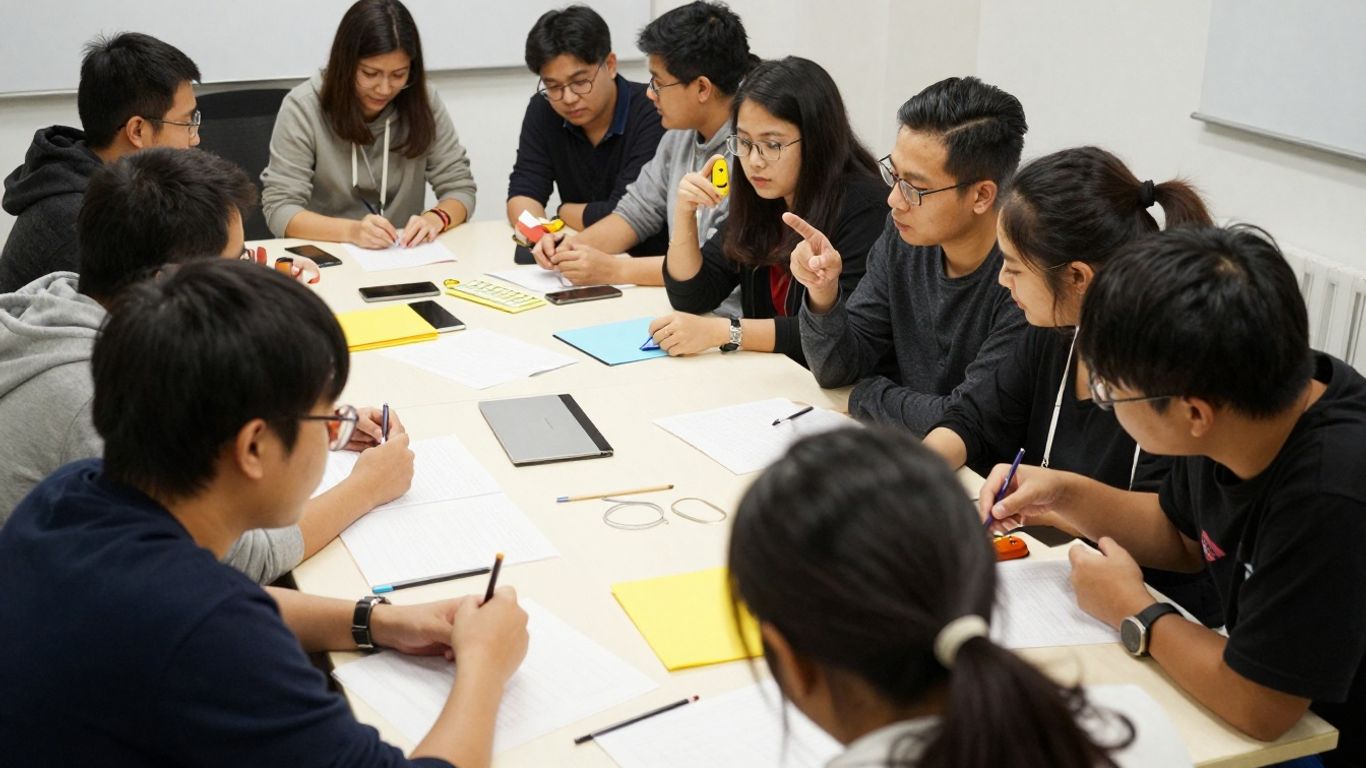
Workshops are goldmines for content. Think about it: people are actively learning, problem-solving, and often interacting with instructors and each other. This creates a dynamic environment ripe for capturing valuable insights and practical advice.
The real magic happens when you can distill complex processes or unique techniques demonstrated during a workshop into easily digestible marketing assets. It’s not just about recording the whole thing; it’s about identifying those ‘aha!’ moments that attendees will want to revisit or share.
Here’s how to break down workshop content:
- Key Takeaways: What were the 3-5 most important things participants learned? These can become short social media posts, infographic points, or even email subject lines.
- Demonstration Clips: If a specific tool, technique, or process was shown, grab short video clips of it. These are fantastic for showing, not just telling, how something works.
- Problem/Solution Scenarios: Workshops often tackle common challenges. Documenting the problem presented and the solution offered can create relatable content.
- Interactive Elements: Did participants work in groups? Were there Q&A sessions within the workshop? These interactions can highlight engagement and community.
Consider turning a particularly insightful segment into a standalone piece. For example, if a workshop covered a new software feature, a 2-minute video demonstrating just that feature can be incredibly useful for lead nurturing content.
Capturing these moments requires a bit of foresight. Assign someone to specifically look for these high-impact segments during the workshop. It’s easy to get caught up in the flow, but having a dedicated person or system to flag these gems makes repurposing much smoother later on. This proactive approach ensures you don’t miss out on the most practical and shareable parts of the learning experience.
4. Speaker Soundbites
Speakers often drop little gems of wisdom during their talks. These are those perfect, bite-sized quotes that really capture the essence of what they’re trying to say. Think of them as mini-marketing assets waiting to happen.
The trick is to find these moments and pull them out. It’s not just about recording the whole session; it’s about identifying those standout sentences that make people nod, think, or even laugh.
Here’s how you can make the most of them:
- Identify the ‘aha!’ moments: Listen back to recordings or review transcripts specifically for phrases that are insightful, surprising, or particularly memorable. These are the bits that stick with people.
- Focus on a single idea: Each soundbite should ideally convey one clear point. Trying to cram too much into one quote can dilute its impact.
- Make them visual: Turn these quotes into shareable graphics for social media. Add the speaker’s name and photo, and maybe your event logo. This makes them easy to digest and spread around. You can find great examples of how keynote speaking brands use these clips to their advantage.
Don’t underestimate the power of a well-chosen quote. It can be a powerful way to keep your event’s message alive long after the event is over, and it gives your speakers a nice little boost too.
Sometimes, the simplest statements hold the most weight. It’s about finding that perfect phrase that encapsulates a complex idea without overcomplicating it. These are the moments that people will remember and share.
5. Attendee Questions
The questions your audience asks during a live event are pure gold. They show you exactly what’s on people’s minds, what they’re struggling with, and what they want to know more about. Don’t just let these questions disappear into the ether after the Q&A session ends.
Think about it: if multiple people are asking the same thing, that’s a clear signal for content. You can group similar questions together to create comprehensive answers. This is also a fantastic way to identify pain points that your future content, products, or services can address. It’s direct feedback from the people you want to reach.
Here’s how to make the most of attendee questions:
- Compile a list: Make sure someone is tasked with writing down or recording every question asked, especially the insightful ones.
- Categorize them: Group questions by topic or theme. This helps in identifying trends and creating focused content.
- Identify recurring themes: If several attendees ask about the same issue, it’s a strong indicator of a need.
- Turn them into content: Use these questions to fuel blog posts, FAQ pages, social media updates, or even future webinar topics. For example, a common question about a specific feature can become a short tutorial video.
The questions attendees pose are a direct line to their interests and challenges. Ignoring them means missing out on a treasure trove of insights that can shape your future marketing and product development efforts. It’s about listening and responding to your audience’s genuine curiosity.
This kind of raw, unfiltered feedback is incredibly useful for creating targeted marketing materials. It helps you understand what language your audience uses and what problems they’re trying to solve. You can even use these questions to build out an FAQ section on your website, which is great for SEO and helps potential customers find answers quickly. It’s a simple yet powerful way to demonstrate that you understand your audience’s needs.
6. Attendee Reactions
Don’t just record what’s happening; capture how people are feeling about it. Attendee reactions are pure gold for social proof and future marketing. Think about those "aha!" moments during a session, the excited chatter during breaks, or the applause after a great presentation. These genuine responses show potential attendees what they’re missing out on.
The energy and enthusiasm of your attendees can be your most powerful marketing tool.
Here’s how to collect and use these reactions:
- On-the-spot interviews: Grab attendees during breaks or after sessions for quick, informal thoughts. Ask them what they’ve learned or what surprised them.
- Social media monitoring: Keep an eye on event hashtags. Retweet or share positive comments and photos attendees are posting.
- Post-event surveys: Include specific questions about their overall experience and what they found most impactful. This is a great way to gauge satisfaction with booth traffic and lead quality.
- Visual cues: Capture candid shots of people engaged, laughing, or networking. These photos tell a story without words.
Collecting this kind of feedback is pretty straightforward. You can ask simple questions like:
- What was your favorite part of the event?
- What’s one thing you’ll take away from today?
- Would you recommend this event to a colleague?
Capturing the raw, unfiltered excitement of your event attendees provides authentic testimonials that are far more convincing than any polished marketing copy. It shows prospective attendees the real value and atmosphere they can expect.
Remember, people trust other people. Seeing genuine excitement from past attendees makes it much easier for new people to decide to register for your next event. You can even use these reactions to build trust signals on your event landing pages.
7. Networking Scenes
Those moments when people are just chatting, grabbing coffee, or making connections – that’s gold. It shows the human side of your event, the buzz, and the actual value people get from just being there. Think about capturing candid shots of attendees interacting, maybe a quick interview snippet with someone who just met a new contact, or even just the general atmosphere of people mingling.
These scenes are perfect for showing potential attendees what they’re missing out on if they don’t come next time.
Here’s how you can make the most of these informal moments:
- Capture the Vibe: Get wide shots of the room during breaks or happy hours. This shows scale and energy.
- Spotlight Connections: Look for small groups engaged in conversation. A quick, unobtrusive video clip or a candid photo can be very effective.
- Interview Quick Takes: Ask attendees, "What’s been the most interesting conversation you’ve had today?" or "Who did you just meet that you’re excited to connect with?"
It’s not just about the formal sessions; the real magic often happens in these less structured times. You can use these snippets to create short social media posts, add them to your event recap video, or even use them as testimonials for future events. It’s all about showing the community and collaboration your event fosters. You can even turn these into short blog posts about the power of event networking.
The spontaneous interactions at an event often highlight its true value. These are the moments where ideas are exchanged, partnerships are formed, and genuine connections are made. Capturing this organic energy provides authentic social proof that resonates far more than staged promotional material. It’s about showcasing the real experience.
8. Sponsor Activations
Sponsors are a big part of most events, and their involvement can be a goldmine for marketing content. Think about what they’re doing at the event – are they running a booth, hosting a demo, or sponsoring a specific session? All of this is content waiting to be captured.
Capture everything from sponsor booths to interactive demos. This footage can be used to create case studies, social media shout-outs, or even dedicated blog posts highlighting their participation and the value they brought to attendees. It’s a win-win: sponsors get more exposure, and you get more marketing material.
Here are some ways to repurpose sponsor activations:
- Booth Highlights: Short videos or photo series showcasing the sponsor’s setup, any giveaways, or interactive elements at their booth. This proves their presence and engagement.
- Demo Recordings: If a sponsor is demonstrating a product or service, record it! This can become a standalone demo video or a segment within a larger recap video. It’s great for lead nurture content.
- Sponsor Interviews: Briefly chat with sponsor representatives about their goals for the event, what they’re excited about, or key takeaways from sessions they attended. These soundbites are easy to edit into short social clips.
- User Testimonials at Booths: If attendees are interacting with a sponsor’s product and giving positive feedback, try to capture that. It’s powerful social proof.
Don’t forget to get sponsor approval for any content you plan to use, especially if it features their branding or representatives. A quick check can save a lot of hassle later.
This kind of content is super useful for creating sponsor recap materials. It shows them exactly what they got from the event beyond just their logo on a banner. Plus, it’s fantastic proof for potential sponsors looking to sign up for future events. You can even use snippets in follow-up emails to attendees who might have missed seeing a particular sponsor’s activation.
9. Product Demos
Product demos are a fantastic way to show, not just tell, what your product can do. During an event, these demos can be live, recorded, or even interactive. Think about capturing the moment a presenter walks through a new feature or solves a common customer problem right there on screen. These live or recorded sessions are goldmines for marketing content.
The key is to capture the ‘aha!’ moments when the value of your product becomes crystal clear.
Here’s how you can break down and repurpose event product demos:
- Full Demo Recordings: The entire demo session can be edited and uploaded to your website or YouTube channel as a standalone piece of content. This is great for people who want to see the product in action from start to finish.
- Feature-Specific Clips: Isolate short segments that highlight a single, powerful feature. These are perfect for social media posts, email newsletters, or even as quick answers to sales questions. For example, a 30-second clip showing how to use a specific tool can be incredibly effective.
- Problem/Solution Snippets: Focus on the parts of the demo where a specific customer pain point is addressed. Show the problem, then show how your product solves it. This directly speaks to potential customers experiencing similar issues.
- Interactive Demo Snippets: If your demo was interactive, consider how you can turn parts of that into a shareable experience. Maybe a specific calculation or a quick walkthrough can be adapted into a mini-tool or a GIF.
Capturing these demos effectively means having good audio and video quality, clear screen recording, and a presenter who can articulate the benefits well. It’s about showing the product’s capabilities in a way that’s easy for potential customers to understand and relate to their own needs. This kind of content is super helpful for driving product adoption.
Don’t forget to also capture any questions attendees asked during the demo and the answers provided. These often reveal common user queries and can be turned into FAQs or short Q&A videos. Repurposing content like this significantly boosts your marketing reach and engagement.
10. Behind The Scenes Footage
Think about all the action happening around the main event. That’s your goldmine for behind-the-scenes (BTS) footage. It’s not just about the polished presentations; it’s about the energy, the people, and the little moments that make an event unique. Showing the human side of your event can really build trust and authenticity with your audience.
What kind of stuff should you be looking to capture? Well, it’s pretty varied:
- Setup and Teardown: Seeing the venue transform from an empty space to a buzzing hub, or the careful process of packing everything up, tells a story of effort and planning.
- Speaker Prep: A quick shot of a speaker going over notes, doing a sound check, or just relaxing before hitting the stage adds a personal touch.
- Teamwork in Action: Show your event staff coordinating, problem-solving, or just sharing a quick laugh. It highlights the dedication behind the scenes.
- Attendee Interactions: Candid shots of people networking, collaborating during a workshop, or reacting to a presentation can be incredibly engaging.
- Unexpected Moments: Sometimes the best content comes from spontaneous interactions or funny mishaps that happen off-stage.
This kind of content is fantastic for social media stories, short video clips, or even as supplementary material for longer recap videos. It gives people a feel for the event’s atmosphere that they might not get from just watching a recorded session. It’s a cost-effective way to get more mileage out of your event production. You can explore 15 practical ideas to implement BTS footage into your shoots to get started.
Capturing these unscripted moments requires a bit of foresight. Have cameras ready to roll during setup, breaks, and even after the main sessions conclude. Think about what would make someone feel like they were there, even if they couldn’t attend.
Don’t forget about the technical side, too. Even simple, unedited clips can be powerful. Think about how you can use this footage to show the real work that goes into making an event happen. It’s a great way to make your brand seem more approachable and real. Developing a strong behind-the-scenes strategy can significantly boost brand perception.
11. Event Photography
Don’t underestimate the power of good photos from your event. They’re not just pretty pictures; they’re marketing gold waiting to be mined. Think about it – a great shot can capture the energy of a keynote, the buzz of a networking session, or the excitement around a product launch. These visuals are super useful for social media, website updates, and even for showing potential sponsors what your event looks like.
When you’re planning your event, make sure you have a photographer lined up. It’s worth the investment. They can capture:
- Keynote speakers in action
- Attendees engaging and networking
- Sponsor booths and activations
- Product demonstrations
- The overall atmosphere and venue
- Behind-the-scenes moments
These photos can be used in so many ways. For instance, you can create a gallery on your website, use them in email newsletters to keep people engaged, or even turn them into graphics for social media posts. It’s all about extending the life of your event beyond the actual dates.
Capturing high-quality images during your event is a straightforward way to gather material that can be used for a long time afterward. These visuals help tell the story of your event and can be adapted for various marketing needs, from website content to social media campaigns.
Having a professional photographer on hand means you get polished images that truly represent your event. They know how to get the best angles and lighting, making sure your content looks top-notch. This is especially important if you’re looking to attract sponsors or encourage future registrations. Good photos act as social proof, showing people that your event is something they don’t want to miss. You can even use these photos to create sponsor recap materials that highlight their involvement and success.
Consider what kind of shots will be most useful. Are you looking for candid moments, posed group shots, or action shots of speakers? Having a clear idea beforehand helps the photographer focus on getting you the best assets. This visual storytelling is a big part of making your event a success, both during and long after it’s over. It’s a smart way to get more mileage out of your event investment, providing professional photography services that pay off.
12. Presentation Highlights
Think about all those slides and talking points from your event. They’re goldmines for marketing content! You can pull out key statistics, compelling arguments, or step-by-step guides that were presented. Don’t just let them sit in a forgotten folder after the event.
Here’s how to break down those presentations:
- Key Takeaways: Identify the 3-5 most important messages from each session. These can become short social media posts, bullet points in a blog, or even the basis for an infographic.
- Data Points: Any charts, graphs, or statistics shared are perfect for visual assets. A single slide with a striking number can be turned into a standalone graphic.
- Actionable Advice: If speakers offered practical tips or how-to steps, these are fantastic for "how-to" guides, short video tutorials, or even email newsletter content.
- Visual Elements: Even if the content isn’t data-heavy, the slides themselves might have strong design elements or imagery that can be repurposed for social media graphics or website banners.
Extracting these highlights means you’re not just sharing information; you’re providing bite-sized, digestible pieces of value that can attract new audiences and remind attendees of the event’s core benefits. This is a smart way to extend the reach and impact of events.
For instance, if a presentation showed a growth chart, you could create a graphic with just that chart and a caption like, "See the growth potential discussed at [Event Name]!" Or, if a speaker outlined a five-step process, you could turn that into a numbered list graphic or a short blog post. It’s all about finding those nuggets of information that stand on their own and offer immediate value to someone who wasn’t there.
13. Speaker Bios
You know, when you have speakers at an event, they’re not just there to talk. They’re experts, right? And people want to know who they are and why they’re the ones to listen to. So, taking their bios and turning them into marketing assets is a no-brainer.
Think about it. You’ve got these great people sharing their knowledge. Their bios usually have all the good stuff: their current job, where they’ve worked before, and what makes them stand out. This is gold for building credibility. You can use these bios to create a whole bunch of different content pieces.
Here’s how you can break them down:
- Social Media Snippets: Pull out a sentence or two about their most impressive achievement or their current role. Perfect for a quick LinkedIn post or an Instagram story.
- Website Content: Feature them on your event website, maybe with a small photo and their bio. This adds a professional touch and helps attendees get to know the lineup.
- Email Signatures: If you’re sending follow-up emails or promotional messages, you can include a speaker’s bio in the signature to remind people who they heard from or will hear from.
- Blog Post Introductions: When you write recap posts about specific sessions, start by introducing the speaker using their repurposed bio.
It’s not just about listing their credentials; it’s about making them accessible and interesting. You want people to think, "Wow, this person really knows their stuff." A well-crafted bio, even a short one, can do that. It’s a simple way to add depth to your event’s narrative and give your speakers the spotlight they deserve. For more on crafting compelling bios, check out how to write a conference bio.
Don’t just stick the bio in a corner and forget about it. Think about where else it can live. Can it be a graphic? Can it be part of a video intro? The more places you put it, the more people will see it and understand the caliber of your event.
14. Session Descriptions
Think about those session descriptions you wrote when you first planned the event. They’re probably pretty good, right? They tell people what the session is about, who it’s for, and what they’ll get out of it. Well, guess what? Those descriptions are marketing gold.
You can take those original descriptions and spin them into a bunch of different things. For example, you can pull out the key learning outcomes and turn them into bullet points for social media posts. Or, you can expand on the problem the session solves and create a short blog post about it. It’s all about looking at what you already have and seeing how it can be used elsewhere.
Here’s a breakdown of how to get more mileage out of them:
- Social Media Snippets: Grab a sentence or two that really captures the essence of the session and use it as a caption for a photo or a short video clip. Make sure it’s punchy and makes people curious.
- Email Teasers: Use the description to write compelling subject lines and body copy for emails promoting on-demand content or upcoming events. Highlight the benefits attendees will gain.
- Website Copy: Integrate snippets into your website’s event pages, speaker bios, or even your general services section to showcase your event’s expertise.
- Blog Post Intros/Outros: A session description can easily become the introduction to a blog post that expands on the topic, or a concluding summary that encourages further engagement.
Don’t just let these descriptions sit in a document. They are ready-made marketing copy waiting to be repurposed. Think about the core problem each session solves and how that translates into a benefit for your audience. That’s your hook.
It’s amazing how much you can do with something as simple as a session description. It’s like finding money in an old coat pocket, but for your marketing efforts. You’ve already done the hard work of writing them, so why not get the most out of them? This is a straightforward way to extend content reach without starting from scratch.
15. Agenda Highlights
Think about your event’s agenda not just as a schedule, but as a treasure map for content. Each session, from the opening keynote to the closing remarks, is a potential goldmine. The trick is to identify the sessions that offer the most unique insights or practical takeaways. Don’t just list what happened; highlight why it mattered.
Consider breaking down the agenda into key themes or tracks. This makes it easier for people to digest and find what’s most relevant to them. For example, if you had a "Future of AI" track, you could create a summary specifically for that.
Here’s a way to think about it:
- Keynote: What was the overarching message or big announcement?
- Panel Discussions: What were the most debated topics or surprising opinions shared?
- Workshops: What practical skills or tools were taught?
- Breakout Sessions: What niche problems were addressed and solved?
You can turn these agenda highlights into a quick recap blog post or a series of social media updates. It’s about showing the value and structure of the event without making people read the entire schedule.
For instance, you might pull out the top 3 sessions that attendees consistently raved about. This kind of focused content is super useful for promoting future events, giving potential attendees a clear picture of what to expect. It’s also a great way to create SEO-friendly content that people are actually searching for.
16. Event Messaging
Think about the core message you want attendees to walk away with. This isn’t just about the event’s theme; it’s about the key takeaways that will stick with them long after the doors close. This central theme should be woven into every piece of content you create. It acts as a consistent thread, reinforcing your brand and the event’s purpose.
Consider these elements when defining your event messaging:
- The Big Idea: What’s the single most important concept or solution you’re presenting?
- Key Benefits: What tangible advantages will attendees gain from the information shared?
- Call to Action: What do you want people to do next? (e.g., visit a website, download a resource, sign up for a demo).
- Brand Voice: How does this message align with your overall company tone and style?
This messaging becomes the foundation for everything from social media posts to follow-up emails. For instance, if your event is about improving customer service, your messaging might focus on "building lasting customer relationships" or "transforming customer experiences." This consistent language helps solidify the event’s impact and makes repurposing content much more straightforward. A well-defined message can even help with future event registration proof, showing potential attendees the value they can expect.
The goal is to create a narrative that is both compelling and memorable. This narrative should be adaptable, allowing you to tailor it for different platforms and audiences without losing its core essence. It’s about making sure that whether someone sees a short video clip or reads a detailed blog post, they get the same strong impression of what your event was all about and why it mattered.
For example, a company might have used the core message of "Innovation in Action" throughout their event. This could translate into:
- Social media posts highlighting innovative product features discussed.
- Blog posts detailing new strategies presented.
- Email campaigns encouraging attendees to explore new solutions.
- Sales collateral referencing key innovations shared at the event.
This approach ensures that the event’s impact isn’t confined to the event days themselves but continues to drive engagement and business objectives. It’s about making every piece of content work harder by having a clear, unified message behind it, much like how a focused crew can deliver multiple social media pieces daily from an event.
17. Sponsor Details
Sponsors are a big part of making events happen, and their involvement is something you can definitely use in your marketing long after the event wraps up. Think about what they brought to the table – maybe it was a specific product demo, a sponsored session, or even just their logo on the main stage. All of that is content waiting to be repurposed.
You can create dedicated recap materials that highlight their contribution and show them the value they received beyond just the event itself. This is super important for getting them to sponsor again next time. It’s not just about what they paid for; it’s about the visibility and engagement they got.
Here are some ways to package sponsor details:
- Sponsor Recap Sections: Create specific pages or sections on your website or in follow-up reports detailing each sponsor’s presence, engagement metrics, and any content generated from their activations.
- Branded Content Moments: Pull out any video clips, photos, or quotes where sponsors were featured prominently. These can be used in social media posts or email newsletters.
- Sponsored Session Clips: If a sponsor had a session, edit down key takeaways or highlights into short, shareable video clips. This proves the value of their thought leadership.
- Post-Event Social Exposure: Compile a list of all social media posts that tagged or mentioned sponsors, along with their reach and engagement. This is great proof for renewal conversations.
- Sponsor Spotlight Articles: Write short blog posts or articles focusing on a specific sponsor, detailing their involvement and the benefits they provided to attendees. This can be a great way to attract and retain valuable partners.
Don’t let the value of your sponsors disappear after the event. By systematically capturing and repurposing details about their involvement, you create tangible proof of their ROI, making them eager to return for future events and potentially increasing their investment.
For example, you could create a table like this for your sponsor reports:
| Sponsor Name |
Booth Traffic |
Leads Generated |
Social Media Mentions |
Session Attendance |
| TechCorp |
500+ |
150 |
75 |
200 |
| Innovate Solutions |
300+ |
100 |
50 |
150 |
| DataFlow |
400+ |
120 |
60 |
180 |
This kind of data, combined with visual assets, really shows sponsors the impact of their participation and helps them understand their event visibility and success.
18. Quote Opportunities
Think about all those moments during your event where someone said something really smart, funny, or insightful. Those are goldmines for marketing content! You don’t want those great lines to just disappear after the event is over. Turning spoken words into shareable quotes can significantly boost your brand’s visibility and credibility.
It’s about capturing those punchy statements that perfectly sum up a complex idea or offer a unique perspective. These can come from speakers, panelists, or even engaged attendees during Q&A sessions. The key is to identify these "aha!" moments and extract them.
Here’s a quick breakdown of how to approach it:
- Identify the Gems: Listen back to recordings or review transcripts specifically looking for short, impactful sentences. Think about what would make someone stop scrolling on social media.
- Context is Key: While the quote needs to be concise, make sure it makes sense on its own. Sometimes a little bit of context, like mentioning the speaker or the topic, is needed.
- Visual Appeal: Don’t just share the text. Put those quotes onto eye-catching graphics. Use your event branding or create templates that fit your overall marketing style. This makes them much more likely to be noticed and shared.
- Strategic Placement: Think about where these quotes will have the most impact. Social media is obvious, but they can also be great additions to blog posts, email newsletters, or even sales decks. Marketing events often provide a wealth of these opportunities.
Extracting quotes isn’t just about grabbing a few sentences; it’s about finding the essence of your event’s message and presenting it in a digestible, shareable format that keeps the conversation going long after the event concludes.
For example, if a speaker talks about a surprising statistic, that’s a perfect candidate for a quote graphic. Or if a panelist offers a unique solution to a common problem, that’s another one. You can even create a table to track these opportunities:
| Source Type |
Topic/Insight |
Potential Quote Snippet |
| Keynote Speaker |
Future of AI in Marketing |
"AI won’t replace marketers, but marketers who use AI will." |
| Panel Discussion |
Overcoming Remote Team Challenges |
"Trust is built through consistent communication, not just meetings." |
| Attendee Q&A |
Product Integration Difficulties |
"The onboarding process felt smoother than expected." |
By actively looking for and repurposing these quote opportunities, you’re essentially creating mini-marketing assets that can work for you 24/7, reinforcing your brand’s message and thought leadership. It’s a simple yet powerful way to extend the life and impact of your event content, much like how testimonial videos build trust through authentic voices.
19. Seo Topics
Think about all the great content you’ve created for your event – the talks, the panels, the Q&As. This stuff is gold for search engines if you know how to use it. Turning event content into SEO assets is a smart move for long-term organic growth.
One of the best ways to do this is by creating a pillar and cluster model. You pick a broad topic you covered extensively, like "content marketing strategies," and make that your pillar page. Then, you take your individual sessions or blog posts that touched on specific aspects of that topic – say, "how to write a blog post" or "social media promotion tips" – and turn them into cluster content. Each cluster piece links back to the main pillar page, and the pillar page links out to them. This builds a strong internal linking structure that tells Google you’re an authority on that subject.
Here’s a breakdown of how to approach it:
- Identify your pillar topic: What’s a broad subject your event really dug into?
- Map your cluster content: Find existing sessions or create new ones that cover specific sub-topics.
- Build a linking structure: Make sure all your cluster content points back to the pillar, and the pillar points to the clusters.
- Refresh and combine: Update older content with new info and merge smaller pieces to make them more robust.
This structured approach helps search engines understand your site’s topical depth. It’s a fantastic way to repurpose event content for sustained engagement.
Another powerful strategy is to take data-heavy sessions or reports and turn them into infographics or visual assets. This makes complex information easy to digest and share, which search engines tend to favor. Think about turning statistics from a panel discussion into a compelling chart or a step-by-step process from a workshop into a visual guide.
Don’t just transcribe your content and call it a day. The goal is to organize and enhance it for readability and searchability. Think about adding speaker bios, relevant images, and links to resources mentioned. This makes the content more accessible and useful for your audience, which in turn signals positively to search engines.
Finally, consider how you can use short clips from your sessions for video SEO. Even short, focused videos can rank well for specific long-tail keywords. Transcribing these videos and embedding them on your site adds valuable text content that search engines can index. It’s all about making your event content work harder for you long after the event is over.
20. Audience Questions
The questions attendees ask during and after your event are a goldmine. They show what people are curious about, what they find confusing, and what their biggest challenges are. Don’t just let these questions disappear after the Q&A session.
Think about it: if one person asks a question, chances are many others have the same one. This is a direct line to understanding your audience’s needs. You can gather these questions from live Q&A, post-event surveys, or even social media comments.
Here’s how to turn those questions into marketing assets:
- Create an FAQ Blog Post: Compile the most common or insightful questions and provide detailed answers. This is great for SEO and helps future attendees. You can even structure it around specific topics discussed at the event.
- Develop Short Video Clips: Take a single, compelling question and have a speaker or expert provide a concise answer. This makes for easily shareable social media content.
- Run a Poll or Quiz: Use a question as the basis for a poll on social media or a short quiz on your website. This encourages interaction and gives you more data about audience interests.
- Inform Future Content: The questions you receive are direct feedback. Use them to shape future blog posts, webinars, or even the topics for your next event. Understanding your audience is key to effective event marketing.
The questions your audience asks are a direct reflection of their pain points and interests.
Don’t underestimate the power of a well-answered question. It can build trust, demonstrate your knowledge, and provide immense value to both current and potential attendees. It’s a simple yet effective way to keep the conversation going long after the event wraps up.
For a more structured approach to gathering feedback, consider using post-event survey questions that specifically ask for attendee queries and suggestions.
21. Registration Data
Think about all the info you collect when people sign up for your event. It’s not just names and emails; it’s a goldmine for marketing content. You’ve got demographics, job titles, interests, and maybe even answers to specific questions you asked during registration. This data can tell you a lot about who’s showing up and what they care about.
This information is super useful for tailoring your follow-up content and even planning your next event.
Here’s how you can break it down:
- Demographics: Age ranges, locations, industries. This helps you understand your audience’s makeup.
- Job Titles/Roles: Knowing if you have a lot of managers versus entry-level staff can shape content.
- Interests/Topics: If people selected specific tracks or topics they’re interested in, you can create content around those.
- Pain Points: Any questions or fields where people shared challenges can become content ideas.
Let’s say you’re running a tech conference. Your registration data might show a high number of software developers interested in AI. You can then use this to create blog posts or short videos specifically about AI trends for developers, pulling insights from the sessions they attended or expressed interest in. This kind of targeted content is way more effective than generic recaps. It shows you’re listening and that you understand their needs. You can even use this data to segment your email lists for future communications, making sure people get information relevant to them. This is a smart way to keep people engaged long after the event is over and build trust for future events. It’s all about making your content work harder for you by using the information you already have. You can also use this data to improve your event registration platforms for future events.
The data collected during registration isn’t just for logistics; it’s a direct line to understanding your audience’s needs and interests. Using this information thoughtfully can transform your post-event marketing from a generic thank-you into highly personalized, valuable content that keeps attendees engaged and encourages future participation.
For example, if your registration form asked attendees about their biggest challenges in a certain area, you can take those common themes and create content addressing them. Maybe several people mentioned struggling with social media marketing. You could then pull clips from relevant sessions or create a quick tip video based on speaker advice. This makes your content feel directly relevant and helpful. It’s a great way to show attendees you heard them and are providing solutions. This also gives you material for event and conference video production that speaks directly to attendee needs.
22. Recap Blogs
After your event wraps up, the real work of content repurposing begins, and blog posts are a fantastic way to keep the conversation going. Think of a recap blog as your event’s highlight reel, but in written form. It’s not just about saying ‘we had an event’; it’s about sharing the value and insights that came out of it.
A well-crafted recap blog post can significantly boost your event’s visibility and provide lasting value. It’s a chance to reach people who couldn’t attend, remind attendees of key takeaways, and even attract future sponsors and participants. Plus, these posts are gold for SEO, helping people find your content long after the event is over.
Here’s a breakdown of what makes a good recap blog:
- Key Session Summaries: Briefly touch on the most impactful sessions. What were the main points? Who were the speakers? Focus on the ‘aha!’ moments.
- Top Takeaways: Distill the most important lessons or insights from the entire event into a digestible list. This is often the most read section.
- Attendee Voices: Include quotes or short testimonials from attendees. This adds social proof and makes the recap more relatable.
- Visuals: While this section is text-focused, remember that a good blog post needs images. Use photos from the event or create simple graphics to break up the text.
- Call to Action: What do you want readers to do next? Download a related resource? Register for the next event? Visit a sponsor’s page? Make it clear.
When you’re putting these together, don’t just report on what happened. Analyze the content, connect the dots between different sessions, and offer a unique perspective. This turns a simple summary into a valuable piece of content that people will want to share. You can even use these posts to drive traffic to other assets, like session recordings or speaker interviews.
Think about the core problems your event aimed to solve. Your recap blog should directly address how the event provided solutions or new perspectives on those issues. This makes the content more purposeful and engaging for your audience, whether they attended or not.
23. Short Form Videos
Short-form video is king right now, and your event content is a goldmine for it. Think about all those great moments from your keynote speakers, panel discussions, or even just the energy on the floor. You can chop all of that up into super-short, engaging clips perfect for platforms like TikTok, Instagram Reels, and YouTube Shorts.
This is all about atomizing your content, turning one big piece into many small, shareable ones. It’s a really efficient way to get more mileage out of the footage you already have. Instead of just posting a 30-minute recording, you can pull out 15-second clips highlighting a key quote, a surprising statistic, or a funny moment.
Here’s a breakdown of how to approach it:
- Identify "Golden Nuggets": Go through your recordings and look for those standout statements or insights. Transcribing your videos first can make this much easier, letting you scan for powerful phrases.
- Focus on One Idea Per Clip: Each short video should have a single, clear message. Don’t try to cram too much in; the goal is quick impact and clarity.
- Optimize for Social: Add clear, auto-generated captions because most people watch videos without sound. A catchy headline overlay also helps grab attention.
- Use AI Tools: Manually editing dozens of clips takes forever. There are AI tools that can automatically find viral moments and reformat them into vertical clips with captions, which can really speed things up. You can explore AI video generators to find the right fit.
Think about turning a single hour-long presentation into 30 or more individual short videos. It sounds like a lot, but if you break it down, each clip is just a tiny piece of the original. This strategy helps you stay relevant and keeps your audience engaged across different social channels. It’s a smart way to make sure your event content keeps working for you long after the event is over. By staying updated on platform features and utilizing them fully, brands can reach new audiences and foster deeper connections.
24. Speaker Quote Graphics
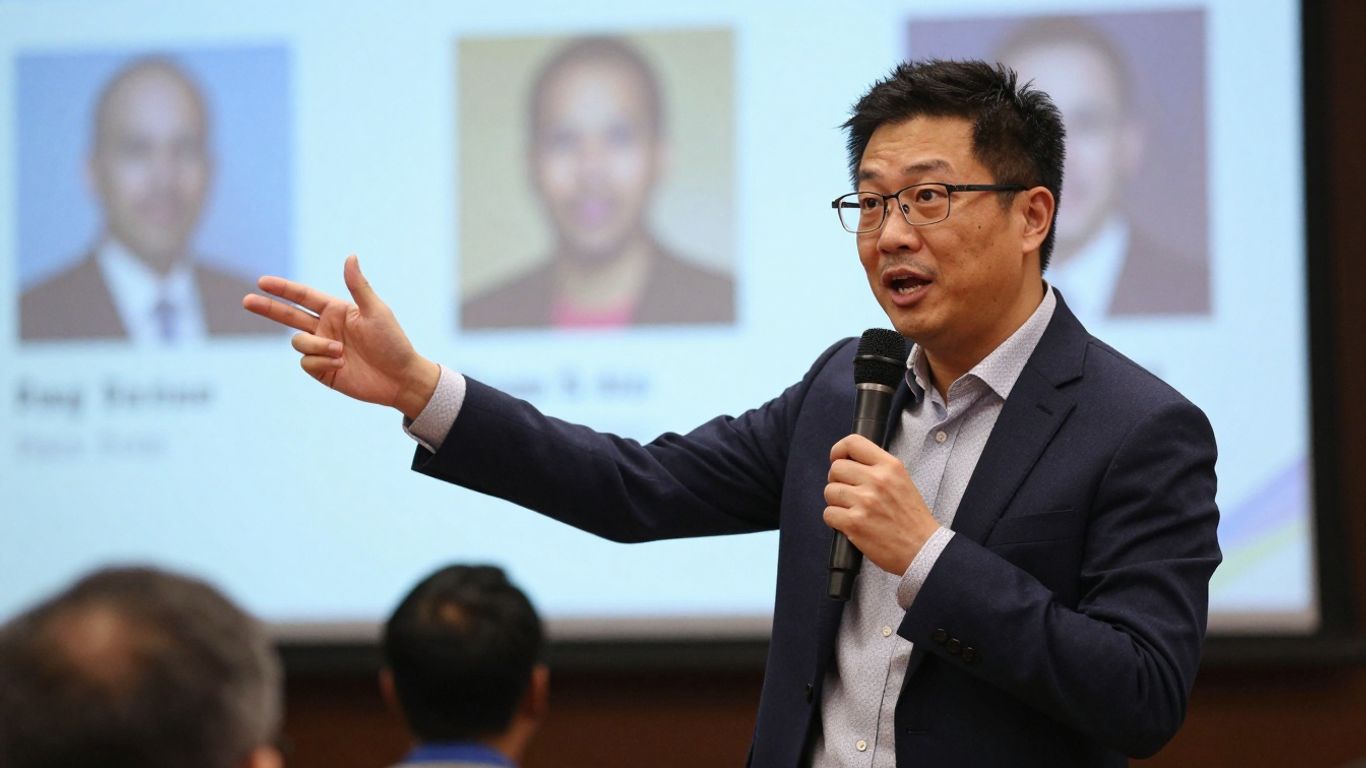
Turning those "aha!" moments from your event speakers into shareable graphics is a smart move. Think of them as mini-billboards for your event’s key messages. You can pull out a particularly insightful quote, a surprising statistic, or a strong opinion and slap it onto a nicely designed graphic. These visuals are perfect for social media, email newsletters, or even as quick additions to blog posts.
Here’s a quick breakdown of how to approach creating these:
- Identify the Gems: Listen back to recordings or review transcripts. Look for statements that are concise, impactful, and easy to understand. Sometimes the best quotes are the ones that make people stop and think.
- Keep it Simple: Don’t overload the graphic. The quote should be the star. Use your event branding – colors, fonts, maybe a subtle background image related to the event or speaker – but keep the focus on the words.
- Add Context (Sparingly): Include the speaker’s name and title, and perhaps the event name. This gives credit and reinforces the source of the wisdom.
- Call to Action (Optional): Depending on the quote’s topic, you might add a subtle CTA, like directing people to a related blog post or the event’s on-demand content.
These graphics are super versatile. You can create a whole series from one event, drip-feeding them out over weeks or even months. It’s a fantastic way to keep the conversation going long after the event wraps up. For more ideas on extracting powerful quotes, check out this guide on how to extract quotes.
The goal is to make complex ideas digestible and visually appealing. A well-crafted quote graphic can grab attention in a crowded feed and encourage people to learn more about the topic or the speaker’s perspective.
25. Follow Up Emails and more
So, the event is over, the cameras are off, and everyone’s gone home. What now? Well, this is where the real magic happens, or at least, where you make sure all that hard work actually pays off. We’re talking about follow-up emails and all the other bits and pieces that keep the momentum going.
The goal here is to turn those fleeting event connections into lasting relationships and tangible results. It’s not just about saying thanks; it’s about continuing the conversation and guiding people toward whatever’s next.
Think about it: you’ve got attendees who are still buzzing from the event, speakers who are eager to share their insights further, and sponsors who want to see a return on their investment. Your follow-up strategy needs to cater to all of them.
Here’s a breakdown of what you can do:
- Personalized Thank You Notes: Don’t just send a generic blast. Segment your list based on attendee type (e.g., first-timers, VIPs, speakers) and tailor your message. A quick thank you for attending, maybe with a link to a specific session they might have enjoyed, goes a long way.
- Content Round-Ups: Compile the best bits from the event – think key takeaways, popular presentation slides, or even a highlight reel. This is a great way to re-engage people who attended and also to show those who couldn’t make it what they missed. You can even turn this into a series of blog posts that you drip out over a few weeks.
- Speaker & Sponsor Recaps: Provide speakers and sponsors with specific materials they can use to thank their own networks. This could be a summary of their session’s engagement, photos, or even short video clips. It makes them look good and extends your event’s reach.
- Feedback Surveys: This is super important. Ask attendees what they liked, what could be improved, and what topics they’d like to see covered in the future. Keep it short and sweet, maybe just 3-5 questions. This data is gold for planning your next event.
- Call to Action (CTA) Emails: What do you want people to do next? Register for your next event? Download a whitepaper? Book a demo? Make sure your follow-up emails have a clear, single call to action. Trying to get them to do too many things at once can be overwhelming.
The key to effective follow-up is timing and relevance. Sending the right message to the right person at the right time is what separates a good event from a great one that keeps on giving long after the doors close.
For instance, you might send an initial thank you email within 24 hours of the event ending. Then, a week later, you could send a more detailed recap with links to all the resources. A month down the line, you might send a survey or an invitation to your next webinar. This structured approach helps maintain engagement without being pushy. You can find some great tips on crafting these emails to really drive results.
Don’t forget about your internal team, either. Debriefing after the event is crucial for capturing lessons learned and planning future strategies. This includes reviewing what content performed best, what feedback you received, and how you can improve your event follow-up process next time.
Final Thoughts
Turning your event into more than just a one-time happening is smart business. Event content repurposing is a way to get so much more out of the work you’ve already done. Think of your event as a content factory. It should give you material for your website, social media, emails, and even help your sales team. By planning ahead and capturing the right moments, you can make your event work for you long after it’s over. It’s not just about the event day; it’s about building lasting value.
Frequently Asked Questions
What does it mean to repurpose event content?
It means taking all the stuff you create for an event, like videos, talks, and pictures, and changing it into different kinds of marketing materials. Instead of just one recap, you get lots of useful pieces like blog posts, social media clips, and sales info.
How can I get content from an event?
You need to capture it! This means recording the talks, taking lots of photos, writing down good quotes, and even noting down what questions people ask. Think about what you’ll need *before* the event even starts.
What’s the best stuff to repurpose?
The most useful bits usually come from the main talks (keynotes), lively panel discussions, interesting questions from the audience, and those short, punchy comments from speakers. Also, moments where sponsors are active or the crowd is really into it are great.
Does this help my website rank higher on Google?
Yes, it totally can! When you turn event sessions into articles, Q&A pages, or detailed guides, Google sees that as helpful, fresh content. This can bring more people to your website over time.
How many things can I make from one event?
Honestly, quite a lot! If you plan it right, one event can easily turn into 10, 20, or even more separate pieces of content. It just depends on how much you capture and how creative you get with turning it into different formats.
Why should I bother repurposing event content?
It’s a super efficient way to get more bang for your buck. You already spent time and money on the event. Repurposing means that investment keeps working for you, helping with your website’s search ranking, making your social media better, and even helping your sales team close deals.