When looking for an event video production company, keep these main points in mind to make sure you find the best fit for your needs. This will help you get a video that truly represents your event and business goals.
Key Takeaways
- Clearly define what you want your event video to achieve and who it’s for before you start looking.
- Always check out the company’s past work (portfolio) to see if their style and quality match what you’re looking for.
- Ask about the team’s experience and skills, especially the director and editor, to ensure they can handle your project.
- Discuss pricing openly and understand all costs involved to make sure it fits your budget and offers good value.
- Prioritize companies that communicate well, listen to your ideas, and are easy to collaborate with throughout the process.
Understanding the Scope of Event Video Production
Before you even start looking at production companies, you need to get clear on what you actually want from your event video. It sounds obvious, but really digging into this upfront saves a ton of headaches later. Think about why you’re having this event in the first place and what you hope a video will achieve.
Defining Your Event’s Objectives
What’s the main point of your event? Is it to launch a new product, celebrate a milestone, train employees, or network with industry peers? Your video should reflect that primary goal. For instance, a product launch video will focus on showcasing the new item and its benefits, while a training event video might highlight key learning points and participant engagement. Knowing your core objective is the first step to a video that actually works for you.
Identifying Your Target Audience
Who are you trying to reach with this video? Are you talking to potential clients, existing customers, investors, or your own staff? The people who will watch the video will influence everything from the tone and style to the specific moments captured. A video for a high-end gala will look and feel very different from one made for a casual company picnic. Understanding your audience helps the production team tailor the content so it connects with them. You can find out more about choosing the right event videographer by considering these factors.
Clarifying Desired Video Outcomes
What do you want the final video to do? Do you need a highlight reel for social media, a full recording of all the sessions, a series of interviews with attendees, or something else entirely? Sometimes, companies need videos to be shown during the event itself, like welcome messages or sponsor reels. Other times, the video is for post-event promotion or internal use. Having a clear idea of the final product, whether it’s for on-screen event displays or for sharing later, is key. It’s also helpful to think about the overall feel you’re going for – energetic and fast-paced, or calm and informative?
It’s easy to get caught up in the excitement of planning an event, but taking the time to define your video needs clearly will make the entire production process smoother and lead to a much better final product. Don’t skip this part!
Here’s a quick breakdown of common video outcomes:
- Highlight Reels: Short, punchy videos showcasing the best moments, great for social media.
- Full Event Recordings: Capturing entire sessions or the whole event, useful for attendees who missed out or for archival purposes.
- Interview Packages: Focused on capturing insights from speakers, attendees, or organizers.
- Promotional Videos: Created before or after the event to generate buzz or showcase its success.
Evaluating a Production Company’s Portfolio
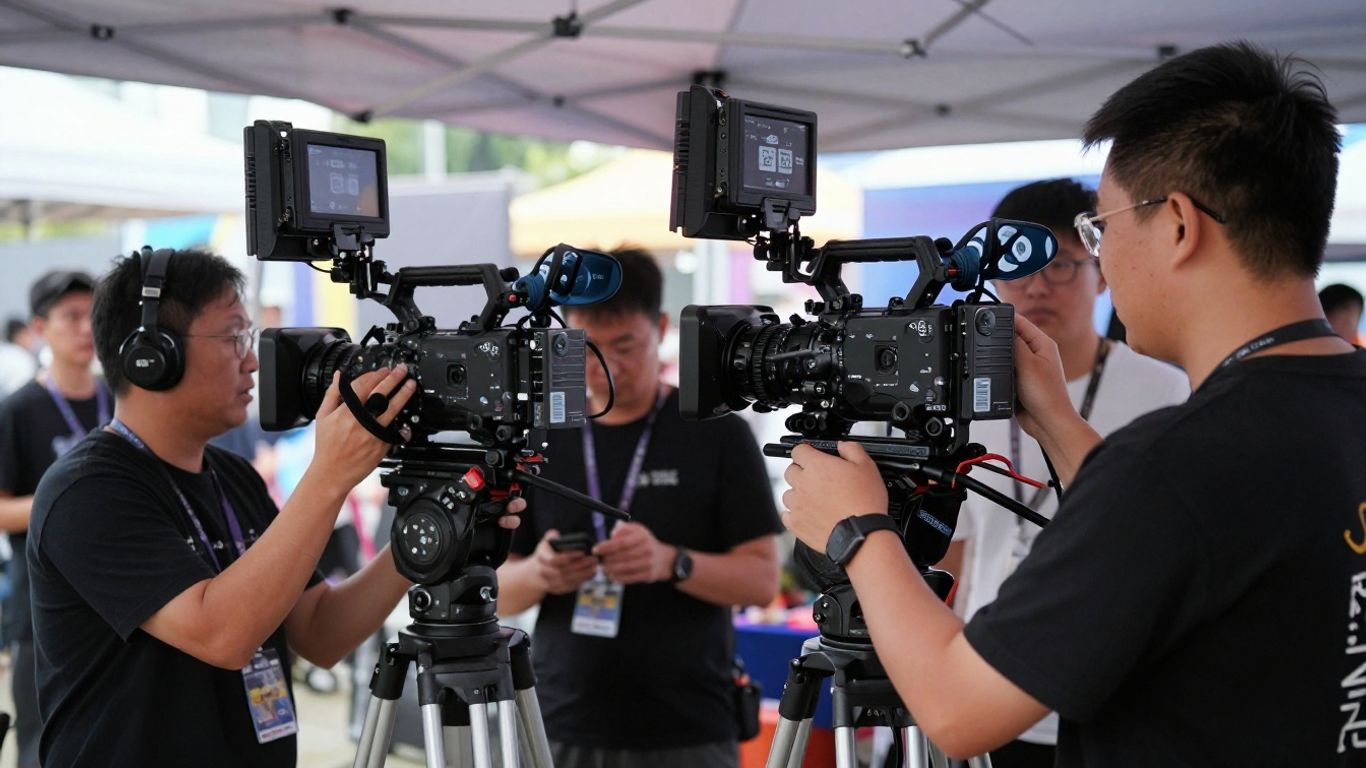
When you’re looking at video production companies, their portfolio is like a window into what they can do. It’s the first place you should really dig in. Don’t just glance at it; really look at the work they’ve done before. This is where you get a feel for their style and if they can actually pull off the kind of video you’re imagining for your event.
Assessing Creative Style and Versatility
Does the company have a consistent look and feel across their projects, or can they switch it up? A good company can adapt. You want to see if they’ve tackled different types of events or video styles. Maybe they’ve done slick corporate videos, but also something more raw and energetic for a festival. This shows they aren’t stuck in one lane. Think about your event: is it formal, casual, high-energy? Does their past work suggest they can match that vibe?
- Look for a range of projects: Do they show work from different industries or event types?
- Consider the mood: Does the tone of their videos match what you want for your event?
- Check for originality: Do their videos feel fresh, or a bit cookie-cutter?
Examining Technical Proficiency and Quality
Beyond just looking pretty, how well are the videos made? This is about the nitty-gritty technical stuff. Think about the camera work – is it steady, or shaky? How’s the lighting? Is the sound clear, or is there a lot of background noise? Good production value makes a big difference in how professional your event video looks. You can often spot this pretty quickly. A company that pays attention to these details usually means they care about the final product.
| Aspect |
What to Look For |
| Video Clarity |
Sharp focus, good resolution |
| Audio Quality |
Clear dialogue, minimal background noise |
| Lighting |
Well-lit scenes, no harsh shadows or dark areas |
| Editing Pacing |
Smooth transitions, appropriate cuts |
Reviewing Past Event Coverage Examples
This is where you see them in action at actual events. How do they capture the energy of a live crowd? Do they get those candid moments that make a video memorable? Look for examples of event coverage specifically. See how they handle multiple cameras, interviews with attendees, and capturing the overall atmosphere. A company that can tell the story of an event, not just record it, is gold. It’s like looking at past renovations to see if a contractor has a style you like and can handle the work.
It’s easy to get caught up in whether a company has done a video exactly like yours. But often, a company that shows they can adapt their skills to different situations and really understand your specific needs will do a better job than someone who just replicates what they’ve done before. Look for adaptability and a clear thought process behind their work.
When you’re reviewing their work, also think about how they handle the technical details of communication. For instance, understanding how email headers work can tell you a lot about how a company manages information flow, which is a good parallel for how they might manage your project’s communication.
Assessing Team Expertise and Experience
When you’re looking for a video production company, it’s not just about the fancy cameras or the cool editing software they have. It’s really about the people behind the scenes. Think of it like hiring a chef – you want someone who knows their way around a kitchen, not just someone who owns one. The crew’s background and how long they’ve been doing this stuff makes a big difference in the final product.
Investigating Director and Cinematographer Backgrounds
The director and the cinematographer are like the eyes and the brain of the operation. The director guides the overall vision, making sure the story flows and the mood is right. The cinematographer, well, they’re the ones making everything look good – the lighting, the camera angles, the movement. You’ll want to see if they’ve worked on similar events before. Have they shot a big conference, a small intimate gathering, or a lively festival? Their past work will give you a clue about their style and how they handle different situations. It’s also good to know if they have experience with safety protocols on set, which is super important for live events. EHS professionals are key to making sure everything runs smoothly and safely.
Understanding Editor and Animator Skillsets
After all the filming is done, the editor and any animators come into play. The editor takes all the raw footage and pieces it together into a cohesive story. They decide what stays, what goes, and how it all flows. If your event needs graphics or animated elements, you’ll want to check out the animators’ work too. Do their animations look polished and professional, or a bit rough around the edges? A good editor can make even a slightly shaky shoot look great, while a weak one can make a perfectly filmed event feel disjointed. It’s worth asking about their editing software and if they have experience with motion graphics if that’s something you need.
Verifying Technical Knowledge for Your Project
This is where you want to make sure they know their stuff, technically speaking. Do they understand the specific needs of your event? For example, if you’re filming a live performance, they need to know about audio capture and how to handle changing light conditions. If it’s a corporate event, they might need to integrate presentations or on-screen graphics. It’s not just about having the gear; it’s about knowing how to use it effectively for your particular situation. A company that can adapt its creativity to various industries and tailor solutions to your specific needs is often better positioned to deliver exceptional and customized results that truly make an impact. They should be able to explain their technical approach in a way that makes sense to you, without making you feel like you need a degree in filmmaking.
Don’t be afraid to ask questions about their equipment, their shooting techniques, and how they plan to capture the essence of your event. A good production company will be happy to explain their process and demonstrate their technical know-how.
Discussing Budget and Pricing Structures
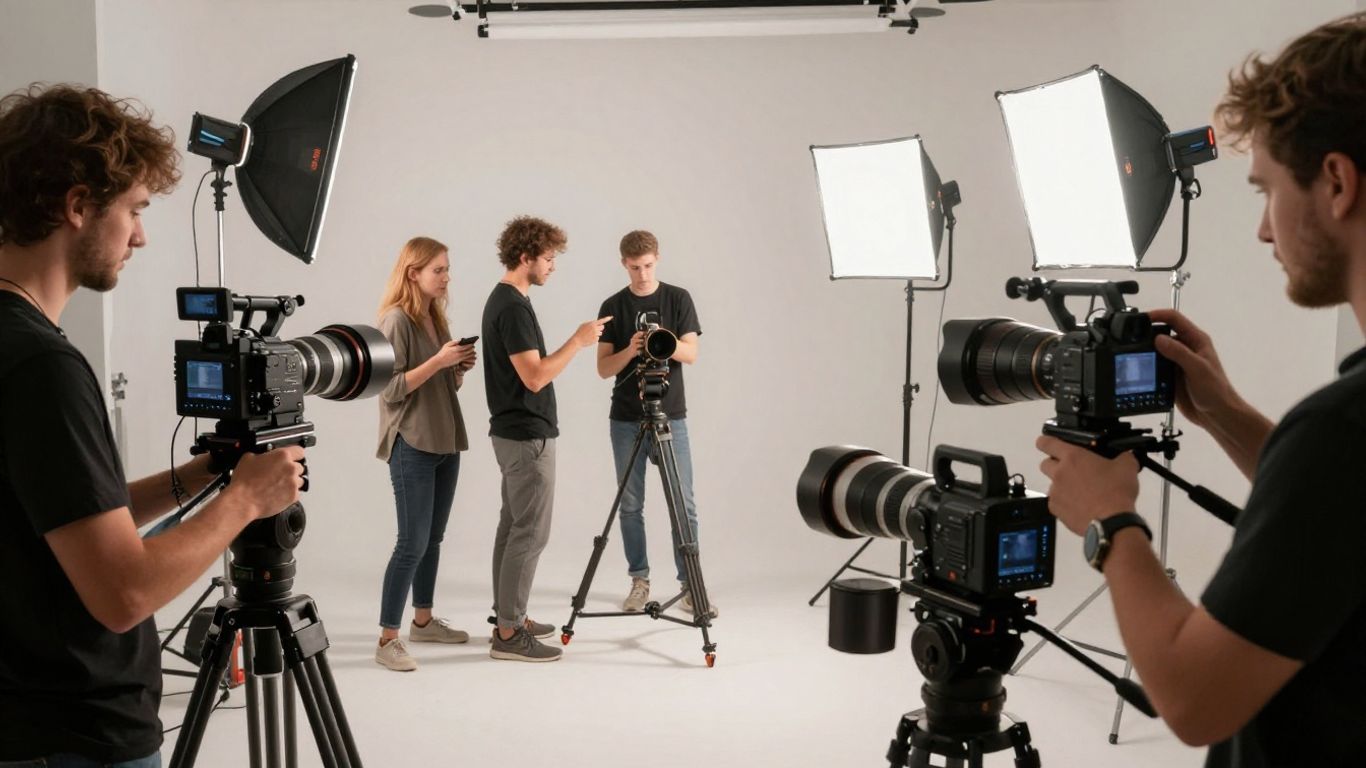
Okay, let’s talk about the money part. Figuring out the cost for event video production can feel a bit like a puzzle, and honestly, it’s not always straightforward. Different companies have different ways of charging, and what’s included can vary a lot. It’s super important to get a clear picture of what you’re paying for before you sign anything.
Understanding Cost Factors for Event Coverage
So, what actually makes up the price tag? It’s not just about the hours someone spends filming. Think about:
- The Scale of Your Event: Is it a small, intimate gathering or a massive conference spread across multiple venues? Bigger events often mean more crew, more equipment, and more complex logistics, which naturally bumps up the cost.
- What You Need Filmed: Are you looking for a general overview, or do you need specific interviews, panel discussions captured, or even live streaming? Each of these adds layers of complexity and time.
- Turnaround Time: Do you need a highlight reel by the next day, or can you wait a few weeks for the final edited piece? Rush jobs almost always come with a premium.
- Crew Size and Experience: A seasoned director of photography will cost more than a junior camera operator. The number of people needed on-site also plays a big role.
For example, a basic day rate for a shoot-and-edit package might hover around $10,000, but that can easily climb depending on these factors. It’s worth looking into how much event video production typically costs to get a general idea.
Inquiring About Potential Additional Expenses
Beyond the main quote, there are often other costs to consider. These can sneak up on you if you’re not careful. Always ask about:
- Travel and Accommodation: If the production company or crew needs to travel and stay overnight, these costs will likely be passed on to you.
- Equipment Rentals: While most companies have their own gear, specialized equipment (like drones, cranes, or specific lighting) might be an extra rental fee.
- Post-Production Overtime: If your project requires extensive editing, color grading, or motion graphics beyond the initial scope, this could incur additional charges.
- Music Licensing: Using popular music in your video often requires licensing fees.
It’s not just about comparing apples to apples when you look at different companies. Each production house has its own creative approach and pricing structure. What one company charges for a specific service might be bundled differently by another. Be prepared for variations in creative concepts and pricing, and focus on finding a partner whose vision aligns with your goals.
Ensuring Value Within Your Financial Parameters
When you’re looking at quotes, don’t just focus on the bottom line. Think about the overall value. A slightly higher price might get you a more experienced team, better equipment, or a more creative approach that ultimately yields a much better result for your event. It’s about finding that sweet spot where your budget meets your needs and expectations. Always ask for a detailed breakdown of what’s included in their packages, much like you would when hiring a wedding videographer to make sure you’re getting the most bang for your buck.
Prioritizing Communication and Collaboration
When you’re looking for a video production company, it’s easy to get caught up in their past work or the fancy equipment they use. But honestly, how well they talk to you and work with you is just as important, if not more so. Think about it: if they can’t understand what you’re trying to say, how can they possibly make a video that captures your vision?
Evaluating Responsiveness and Listening Skills
First off, how quickly do they get back to you? If you send an email and it takes days to get a reply, that’s not a great sign. You want a team that’s on the ball. Also, pay attention to how they listen. Do they interrupt you a lot? Do they seem to be just waiting for their turn to talk, or do they actually absorb what you’re saying? A good production company will ask clarifying questions and make sure they’re on the same page before jumping into solutions. It’s like when you’re trying to explain something to a friend, and they just nod along without really getting it – frustrating, right? You need a partner who truly hears you.
Assessing Their Ability to Interpret Your Vision
This is where things get interesting. You might have a clear idea in your head, but translating that into video can be tricky. A great company won’t just take your ideas and run with them blindly. They’ll work with you to figure out the best way to show what you mean. They should be able to take your rough concepts and turn them into a concrete plan. For example, if you say you want a video that feels ‘energetic,’ they should be able to suggest specific shots, music, and editing techniques to achieve that. It’s about them bringing their creative know-how to your goals, not just following orders. This is where understanding your target audience really comes into play, as they’ll help tailor the message.
Ensuring Prompt Address of Concerns and Changes
No project goes perfectly 100% of the time. There will be questions, and sometimes, things need to be adjusted. How does the company handle this? Are they defensive when you bring up a concern, or do they see it as an opportunity to improve the final product? A solid team will have a clear process for feedback and revisions. They should be upfront about how many rounds of changes are included and how long they typically take. You don’t want to be left in the dark or feel like you’re bothering them when you need something tweaked. A production partner that makes you feel heard and respected throughout the entire process is invaluable.
Here’s a quick checklist to consider:
- Response Time: How long does it take for them to reply to initial inquiries and follow-up questions?
- Active Listening: Do they ask thoughtful questions and summarize your needs?
- Vision Alignment: Can they articulate how they plan to achieve your desired look and feel?
- Problem Solving: How do they approach unexpected issues or requests for changes?
- Transparency: Are their communication channels and revision policies clear from the start?
Choosing a video production company is a bit like picking a collaborator for a big project. You need someone you can trust, someone who understands your goals, and someone who communicates openly. If you find that, you’re already halfway to a successful video.
Remember, a good working relationship can make all the difference in the final outcome. It’s not just about the technical skills; it’s about the human connection and shared understanding that leads to a truly great video.
Examining the Production Process and Timeline
When you’re looking at video production companies, it’s super important to get a handle on how they actually do their work and how long it’s all going to take. This isn’t just about checking boxes; it’s about making sure things run smoothly and you get your video when you need it.
Understanding Their Workflow and Methodology
Every company has its own way of doing things, and it’s good to know what that is. Ask them about their typical steps from start to finish. This usually involves a few key stages:
- Pre-production: This is where the planning happens – figuring out shot lists, scripts, and logistics. A solid plan here is key to effective corporate event videos.
- Production: This is the actual filming day(s). You’ll want to know how many people will be on site, what equipment they’ll use, and how they handle unexpected issues.
- Post-production: This is where the magic happens – editing, adding graphics, music, and color correction. It’s where raw footage becomes a finished story.
It’s helpful if they can walk you through a sample project, showing how they move from one stage to the next. This gives you a clearer picture of their operational style.
Discussing Project Milestones and Approvals
Knowing the milestones is like having a roadmap for the project. You should be able to see where you are at any given time and what’s coming next. Ask about:
- Key Checkpoints: When will you get to review rough cuts or specific edits?
- Revision Rounds: How many rounds of feedback are included? What’s the typical turnaround time for these revisions?
- Final Approval: What’s the process for giving the final sign-off?
This structured approach helps prevent misunderstandings and keeps everyone on the same page. It’s also good to understand their system for handling feedback and changes.
A well-defined production process isn’t just about efficiency; it’s about transparency. It means you’re not left in the dark about where your project stands or what to expect next. This clarity builds trust and makes the whole experience less stressful.
Confirming Ability to Meet Your Deadlines
This is often the make-or-break part. Be upfront about your event date and when you need the final video. Ask them directly if they can meet this timeline. They should be able to provide a realistic schedule based on their typical turnaround times for similar projects. If they seem hesitant or vague, it might be a red flag. It’s better to know upfront if there’s a potential for delays so you can plan accordingly. Remember, a company that manages its timeline well is often a sign of good organization and reliability, much like a roofer who stands behind their work with quality materials like Owens Corning Duration shingles.
Reviewing Client Testimonials and Reputation
Before you sign on the dotted line, it’s a really good idea to see what other people have said about the company. Think of it like checking reviews for a restaurant before you go – you want to know if others had a good experience, right? This step helps you get a feel for their professionalism, reliability, and how well they actually do what they promise.
Seeking Feedback on Professionalism and Reliability
Look for feedback that talks about how the team acted on-site. Were they punctual? Did they blend in well with your event, or were they disruptive? Comments about their communication style, how they handled unexpected issues, and their general demeanor can tell you a lot. A company that’s consistently described as professional and easy to work with is usually a safe bet. You can often find these comments on their website or on third-party review sites. Sometimes, you can even find video testimonials, which can be quite telling. For example, one company mentioned how a production team helped make a hectic vision a smooth reality, which sounds pretty great.
Gauging Client Satisfaction Levels
Beyond just professionalism, you want to know if clients were happy with the final product. Did the videos meet their expectations? Did they achieve the goals the client set out for them? Look for comments that specifically mention the quality of the final video, how it was received by their audience, and whether it helped them achieve their objectives, like driving future ticket sales. A company that consistently produces work that satisfies clients is more likely to satisfy you too. It’s also worth noting if clients mention they would work with the company again.
Requesting References for Direct Inquiry
Sometimes, the best way to get the real scoop is to ask directly. Don’t hesitate to ask the production company for a few references – past clients you can contact. When you speak with them, ask specific questions. You might want to know:
- How was their communication throughout the project?
- Did they stick to the agreed-upon budget and timeline?
- How did they handle any challenges or changes that came up?
- Were they happy with the final video content?
- Would they hire them again for another event?
Talking to a previous client can give you a much clearer picture than just reading online reviews. It allows for a more in-depth conversation about their experience.
When you’re looking at testimonials and references, try to find feedback from events similar to yours. A company that excels at corporate conferences might have a different approach than one that specializes in smaller, more intimate gatherings. Matching their past successes to your event’s needs is key.
Conclusion
Picking the right event video production company is a big step. It’s not just about finding someone who can film; it’s about finding a partner who understands your goals and can translate them into a video that works for your business. Take your time, ask questions, and look at their past work. A good company will make the process clear and help you create content that builds trust and gets results, just like VG Creations aims to do. Remember, video is strategy, and the right production partner is key to making that strategy a success.
Frequently Asked Questions
What’s the first thing I should do when looking for an event video company?
Before you even start searching, think about what you want the video to do. Do you want to show off a successful conference? Get more people to sign up for your next event? Knowing your main goal and who you want to reach with the video will help you find the right kind of company.
How can I tell if a video company is good at what they do?
The best way is to look at their past projects, called a portfolio. See if their videos look professional and if they’ve made videos for events similar to yours. It’s like checking out a chef’s menu before deciding where to eat – you want to see what they can cook up!
What if I don’t have a big budget for video?
Talk to the companies about your budget right away. Good companies will be honest about what they can do for you. They might suggest different options or packages that fit what you can spend, without making you feel bad about it. It’s all about finding the best value for your money.
Why is communication so important with a video team?
Video production is a team effort. If the company doesn’t listen to your ideas or explain things clearly, the final video might not be what you imagined. You want a company that talks to you, answers your questions fast, and makes sure you’re on the same page about the project.
How long does it usually take to get a video made after the event?
This can really vary. Some companies can do a quick edit, maybe even the next day for certain types of videos. For more complex projects, it might take a few weeks. Always ask about their timeline and when you can expect to see drafts and the final video.
Should I ask for references from past clients?
Yes, definitely! Hearing from other people who have hired the company can tell you a lot. Ask those past clients if the company was professional, if they finished on time, and if they were happy with the final video. It gives you a real-world look at how the company works.