Key Takeaways
Creating high-quality visual content requires a cohesive strategy that transforms live experiences into lasting business assets. Follow these core principles to maximize the potential of your next project.
- Define clear objectives before the first camera rolls.
- Invest in reliable, portable equipment for dynamic environments.
- Capture authentic, story-driven moments on-site.
- Organize raw files early to streamline editing workflows.
- Maximize return on investment by repurposing content for multiple channels.
Planning and pre-production for events
Defining event objectives and communication goals
Before you commit to a shoot, you must identify what you want to achieve beyond simply documenting the date. Aligning your media needs with core business outcomes ensures that your event video production efforts remain purposeful. Whether your goal is lead generation, brand sentiment improvement, or long-term training reference, clarity here dictates every creative decision.
Choosing the right shot list for your brand
Your shot list acts as a roadmap, ensuring your team captures the specific interactions that matter most. A balanced approach includes wide shots for establishing the scale of the room, medium shots to capture speaker dynamics, and tight shots to focus on individual participant engagement. This level of organization helps project teams focus on executing a strategic vision rather than scrambling for footage on the fly.
Scouting the venue for lighting and sound requirements
Understanding the physical environment allows you to mitigate technical hurdles before they disrupt your schedule. A venue scouting report often includes a summary of ambient light quality, power outlet accessibility, and acoustic challenges like echo or background noise interference. Thorough preparation at this stage prevents the common pitfalls that often lead to unengaging content in event video production.
Creating a detailed production schedule and run-of-show
Coordination with event organizers is the bedrock of a smooth production experience. By integrating your filming schedule with the official run-of-show, you ensure that high-priority segments like keynotes or networking breaks are captured with precision and minimal disruption to attendees.
Essential equipment for event coverage
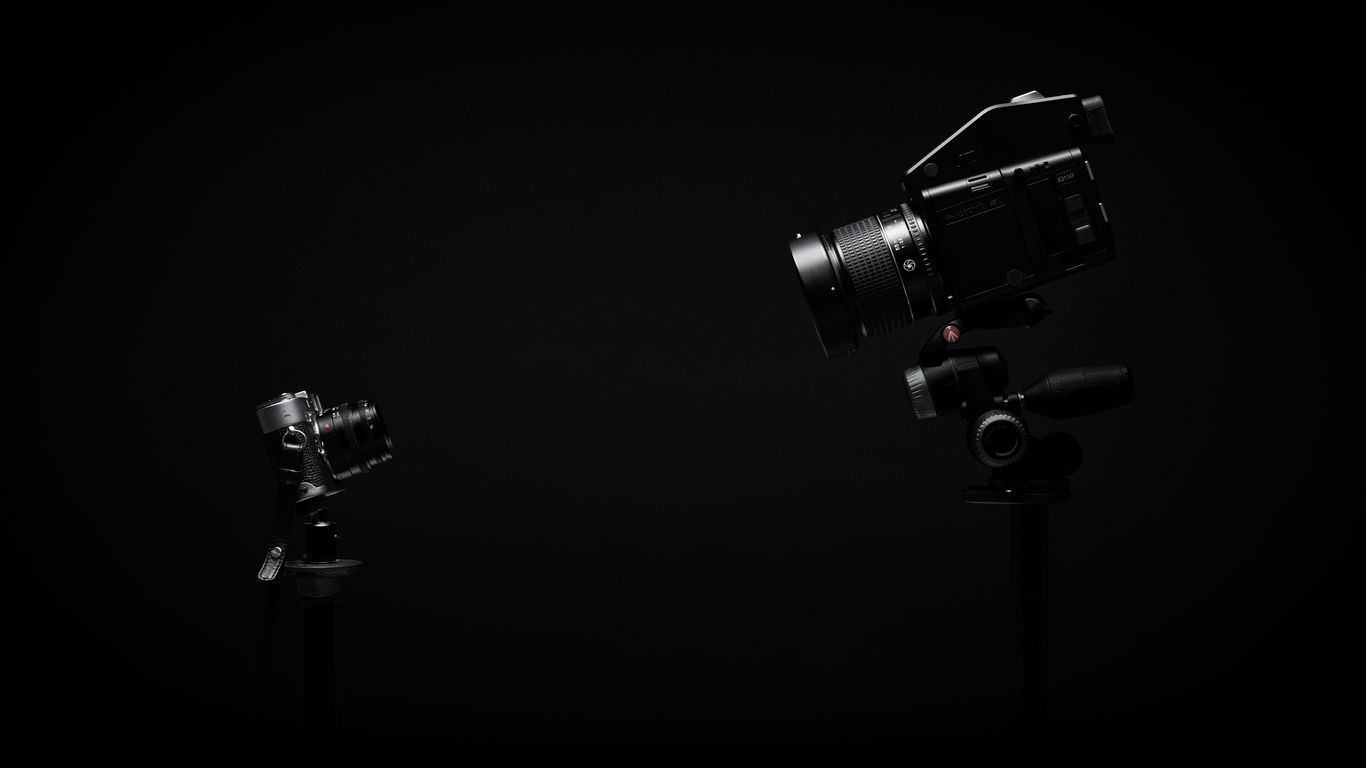
Selecting portable cameras for dynamic environments
When working in fast-paced event settings, your gear must be agile enough to follow the action without requiring extensive setup time between shots. Reliability often trumps complexity, as the priority remains capturing the event’s authentic momentum without missing critical moments.
Capturing clear audio in noisy, unpredictable spaces
Audio quality can make or break a video, regardless of how crisp the visuals appear. Using a mix of lapel microphones for speakers and shotgun microphones for room ambiance ensures that key messages remain intelligible for your final highlight reel.
Stabilizing footage with gimbals and professional tripods
Smooth cinematography is non-negotiable for professional brand media. Relying on stabilized handheld gimbals for walking shots and heavy-duty tripods for static presentations provides the polished look needed to maintain credibility.
Managing power and backup gear for long-form coverage
Long-form coverage requires meticulous logistical planning, particularly regarding battery endurance and storage capacity. You should have a clear redundancy plan in place for every critical piece of technology.
| Equipment Class |
Primary Use Case |
Backup Requirement |
| Camera Bodies |
Main Action Coverage |
Secondary Spare Body |
| Audio Recorders |
Speaker/Interview Capture |
External Battery Pack |
| Media Storage |
High-Bitrate Recording |
Redundant SD/CF Cards |
Maintaining these systems guarantees that you never lose footage during a pivot or extended session, allowing for a seamless production workflow.
Strategies for effective on-site filming
Tips for obtaining authentic attendee testimonials
When approaching guests for interviews, focus on creating a supportive atmosphere where they feel comfortable sharing their genuine experiences. Asking open-ended questions allows for more natural, conversational responses that resonate deeply with potential clients.
Balancing wide-angle coverage with artistic close-ups
Capturing a variety of perspectives ensures your edit remains visually engaging throughout the production. Alternating between sweeping shots of the event hall and focused, intimate close-ups captures both the event atmosphere and the personal impact of your speakers.
Navigating crowded spaces to maintain smooth cinematography
Effective cinematography in tight spaces requires a balance of athleticism and discretion. Moving smoothly through a crowd allows you to capture candid interactions without becoming a distraction to the participants.
Synchronizing with event staff for key speeches and moments
Open communication with event coordinators is essential, providing you with advance notice for high-value segments. This synchronization prevents missed opportunities for critical content capture.
Best practices for post-production and editing
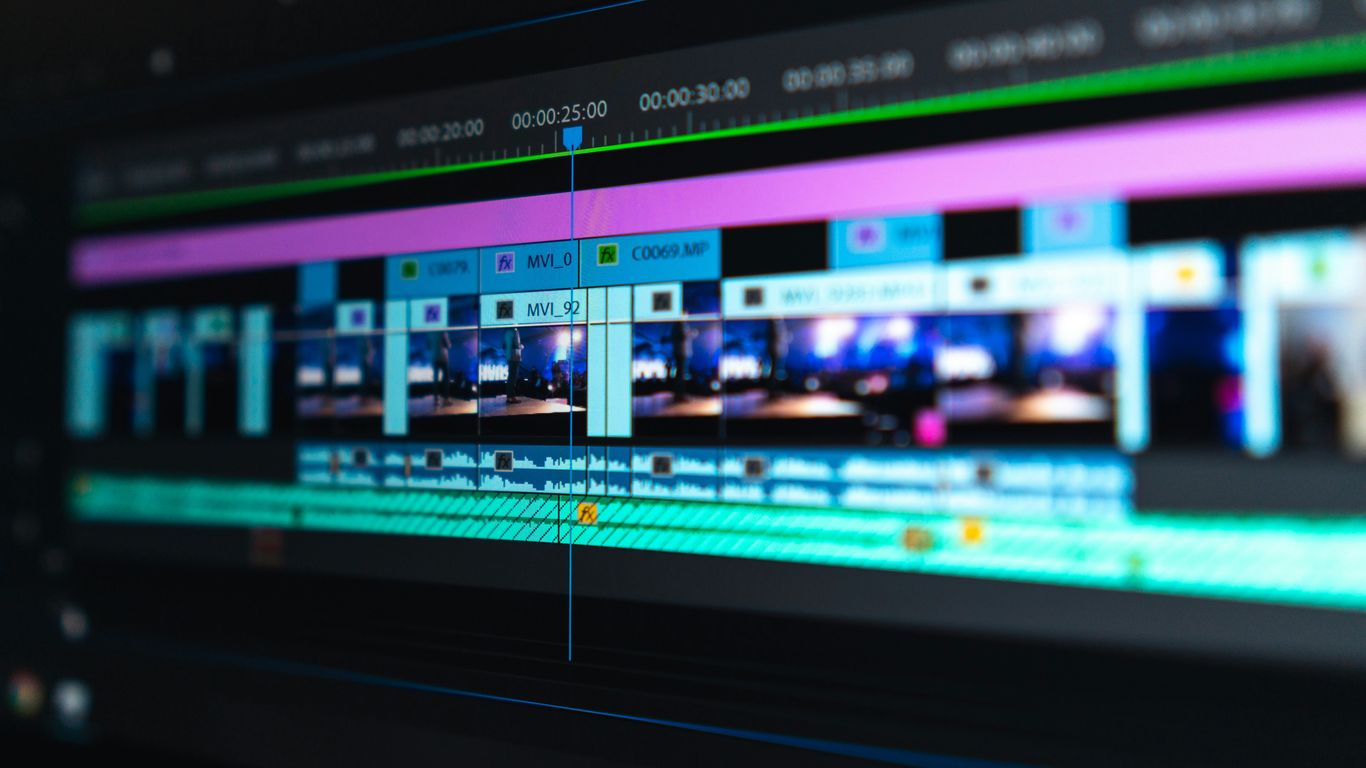
Organizing raw project files for efficient workflows
Structuring your project before you begin editing is a game-changer for speed and consistency. Establishing a logical file-naming convention and folder hierarchy allows you to locate assets instantly, ensuring that VG Creations can maintain a fast turnaround.
Using music and pacing to set the event tone
Music curation defines the emotional subtext of your video, turning a collection of clips into a coherent story. Pacing adjustments should align with the event’s theme, whether it is high-energy excitement or focused professional education.
Selecting high-impact clips for the highlight reel
Choosing the strongest moments from your hours of footage requires a critical eye and a focus on story flow. These clips are often the most effective marketing assets for driving future event registrations and showcasing your brand’s expertise.
Applying color grading to ensure brand consistency
Consistent color grading unifies footage captured across different times and locations, bringing a cohesive aesthetic to the final deliverable. This attention to detail reflects on your brand identity and professional quality.
Repurposing event content for maximum impact
Creating micro-content for social media platforms
Short, punchy clips extracted from your event footage are excellent for sustained engagement on platforms like LinkedIn or Instagram. These bite-sized videos help keep your brand top-of-mind long after the doors to the venue have closed.
Transforming technical presentations into educational clips
Deep-dive sessions often contain valuable insights that can be repurposed into standalone training assets. Using our expertise in training and educational videos, we help you package these complex segments for internal employee growth or client outreach.
Developing emotional testimonial reels from attendee interviews
Testimonials act as powerful social proof that builds trust with prospective customers. Organizing these interviews into thematic reels enables you to address common customer objections while showcasing satisfied participants.
Distributing video assets across email and marketing channels
Integrating your video assets into multi-channel campaigns extends the lifespan of your event coverage. Consistency in delivery helps you nurture leads and maintain audience interest across every touchpoint.
Measuring success and return on investment
Tracking engagement metrics from your event video
Measuring views and completion rates tells only half of the story of your video’s performance. Analyzing how long viewers stay engaged helps you refine your editing techniques for even stronger impact in the future.
Assessing the long-term impact on brand awareness
Event content serves as a foundation for building authority and brand recognition over multiple quarters. You can effectively elevate your brand by maintaining a consistent presence with the high-quality assets produced during your event.
Using video content to drive future event registrations
Recap videos serve as the ultimate advertising tool, showing potential attendees exactly what they missed and what they can look forward to. This visual marketing strategy directly impacts the growth rate of your community.
Calculating the overall return on investment for video production assets
Evaluate the total cost against performance metrics like generated leads, saved training hours, and improved social reach. When you view your assets as strategic tools, the value of professional event video production becomes clear.
Conclusion
By treating your event footage as a strategic asset rather than a one-time project, you ensure that your brand captures genuine growth and long-term visibility. A disciplined approach to production, from the first planning session to the final edited deliverable, maximizes the legacy of your live event. Reach out to the VG Creations team to book a discovery call today.
Frequently Asked Questions
When should I start planning my event video production?
Ideally, begin planning at least three months before your event to ensure clear goal setting and technical coordination.
How many camera operators are necessary for a live event?
This depends on your goals, but a multi-camera setup is typically required to capture enough coverage to keep the edit dynamic.
Should I prioritize highlighting a keynote speaker or attendee experience?
Both elements are essential, but the balance should depend on your ultimate goal—whether it is showcasing thought leadership or celebrating community interactions.
What equipment is essential for high-quality audio?
Professional audio requires dedicated lapel mics for speakers and a reliable, secondary field recorder to handle ambient noise levels.
How can I make my testimonial videos feel more authentic?
Focus on creating a relaxed, conversational environment where subjects feel comfortable expressing their honest thoughts without a script.
Why is raw file organization important in post-production?
Proper organization dramatically reduces edit time and minimizes the risk of losing important footage during the final assembly process.
Is live streaming a replacement for high-quality recap videos?
Live streaming provides immediate reach, but a polished post-event highlight reel is necessary for marketing and ongoing audience engagement.