Key Takeaways
Navigating the landscape of video production costs requires clarity on your specific goals and the actual value delivered by professional crews. This guide highlights the essential components of event videography pricing to help you build a sound production strategy.
- Pricing varies based on crew size, equipment, and editing complexity.
- Understanding the difference between raw footage and polished, branded deliverables.
- Hidden costs like music licensing and expedited timelines can quickly inflate budgets.
- Aligning investments with marketing return is crucial for long-term business growth.
- Strategic planning in pre-production prevents scope creep and saves on overall expenses.
The primary factors influencing event videography pricing
Determining the right price for an event project requires looking past simple hourly quotes. The total scope of work, including the complexity of the shoot and the desired final assets, dictates where your budget lands. Successful organizations often work with teams like VG Creations to ensure their specific event needs are aligned with their overarching marketing goals.
Duration and scope of the event coverage
The length of your event defines the base amount of time a videographer spends on-site, but scope is what truly drives value. A simple record-only conference session requires far less preparation and post-production time than a day filled with corporate video production sessions, interviews, and brand-story capturing. When assessing costs, consider if your event needs multi-day coverage or just a few hours at the main stage.
Number of camera operators and crew members required
More coverage angles translate to more equipment and personnel on location. A single operator can manage intimate settings, while larger summits often demand dedicated audio technicians and lighting specialists. Relying on professional event photography and multi-camera setups ensures complete documentation without sacrificing the visual quality necessary for high-end brand assets.
Complexity of post-production and editing requirements
Post-production is frequently the most time-intensive phase of any video project. The complexity of your edit—such as adding motion graphics, precise color grading, or integrating interview clips—will shift the price significantly higher than a standard highlight reel. Partnering with a skilled video editing team can transform raw event footage into a polished, authoritative resource that continues to drive engagement long after the event ends.
Geographic location and logistics for onsite travel
On-site logistics include equipment transport, travel time, and potential hotel stays for a specialized crew. Proximity to your venue can influence the budget, as many local firms offer pricing structures built around their main studio location. Understanding these logistical variables early prevents surprises in the final invoice and ensures your production team arrives fully prepared for the day.
Common pricing models in the video production industry
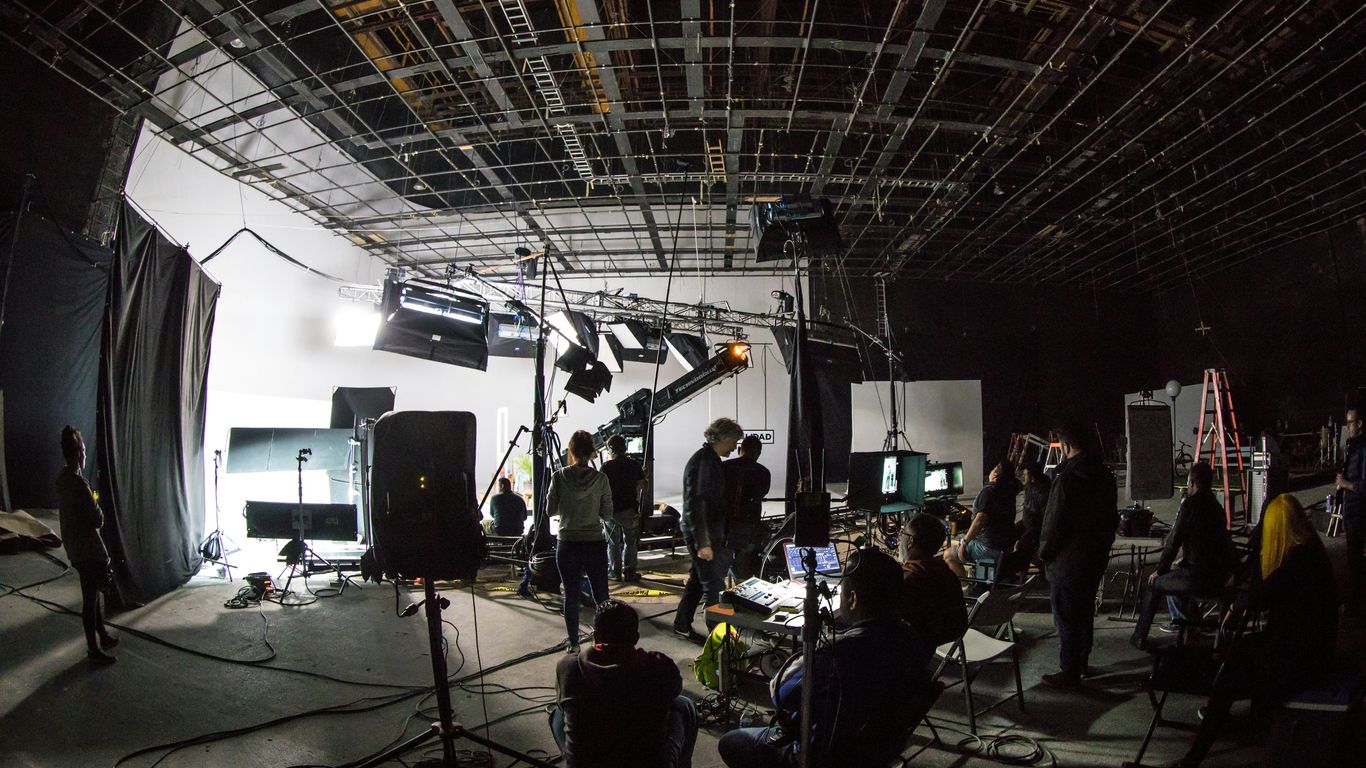
Production teams utilize various models to accommodate different business needs, ranging from simple coverage to large-scale, multi-platform content distribution. Choosing the right structure helps maintain budget transparency and allows for better resource management throughout your organization.
For most businesses, these common structures apply:
- Hourly rates for quick, small-scale event shoots.
- Half-day or full-day rates for consistent, predictable service.
- Retainer agreements that prioritize your firm’s event calendar.
- Customizable project quotes based on unique creative deliverables.
Hourly rate structures for straightforward coverage
Hourly rates are typically reserved for tasks with small footprints, like simple speeches or brief documentation. While this approach appears budget-friendly, it often fails to account for the necessary setup, equipment check, and final file management time. This model is most effective for events where only raw recording is required and post-production editing is minimal or non-existent.
Flat-fee packages tailored for comprehensive event films
Flat-fee packages simplify the purchasing process by bundling cinematography, equipment, and a set amount of post-production into a single, predictable price. This approach offers cost certainty for marketing directors, providing a clear expectation of what the final deliverables—like a 3-minute highlight reel—will entail without the risk of fluctuating labor hours.
Retainer agreements for multi-day summits and conferences
For firms that hold multiple industry events per year, a retainer model can be highly efficient. By securing a commitment with a production partner, you benefit from consistent branding and standardized workflows, which often result in better creative consistency. This model is ideal for building long-term healthcare video production libraries or repeating educational series.
Customizable project quotes based on unique production goals
Unique events require unique strategies, and custom project-based quoting treats every requirement as a solution-driven effort. Detailed estimates allow producers to build a budget that addresses specific technical hurdles, such as complex stage lighting or the integration of live stream infrastructure. This is often the preferred route for high-stakes brand launches where standard packages cannot capture the intended vision.
Identifying hidden costs in event videography quotes
Transparency is the only way to avoid budget friction during the production lifecycle. Hidden costs often appear when specific components—like audio processing or licensing—are not explicitly detailed in the original estimate. Understanding the actual cost breakdown for your event helps you manage resources effectively and avoid mid-project price spikes.
| Cost Category |
Typical Use Case |
Potential Variable |
| Music Licensing |
High-quality branded films |
Royalty tiers based on reach |
| Expedited Turnaround |
Quick social media assets |
Rush fees for editing teams |
| Specialized Equipment |
Macro shots or drone footage |
Hourly gear rental rates |
| Administrative Costs |
On-site technical setup |
Permitting and insurance fees |
Licensing and royalty-free music copyright fees
Music brings life to your content, but licensing is a real operational expense. Using popular tracks requires purchasing rights, and even royalty-free music often carries subscription or per-track fees that studios must pass on to ensure legal compliance. Ensure your contract or project scope clearly identifies how these assets are sourced and what usage rights are granted.
Added expenses for expedited delivery schedules
If you need your event footage edited and delivered within 24 to 48 hours for immediate social marketing use, teams must prioritize your footage over other commitments. These rush projects occupy the editing bay, necessitating higher labor costs or overtime for support staff. Planning your outreach ahead of time is the best way to avoid these added rush fees.
Equipment rental fees for specialized cinematic gear
Standard packages usually cover basic cameras and lenses, but specialized environments require premium tools. Recording a concert or a dimly lit dinner gala might require high-end cinema lenses or stabilizers. Confirm if the provided price includes the full list of necessary hardware or if the studio needs to rent third-party equipment to satisfy your specific visual style.
Administrative overhead and technical setup costs
Technical overhead often goes unnoticed until the bill arrives, but every production requires backend management. This includes account communication, file transfer hosting for large media sets, and professional liability insurance to ensure safety at your venue. A clear video production agreement usually outlines these administrative costs as part of the total project service fee.
Balancing your production budget with expected quality
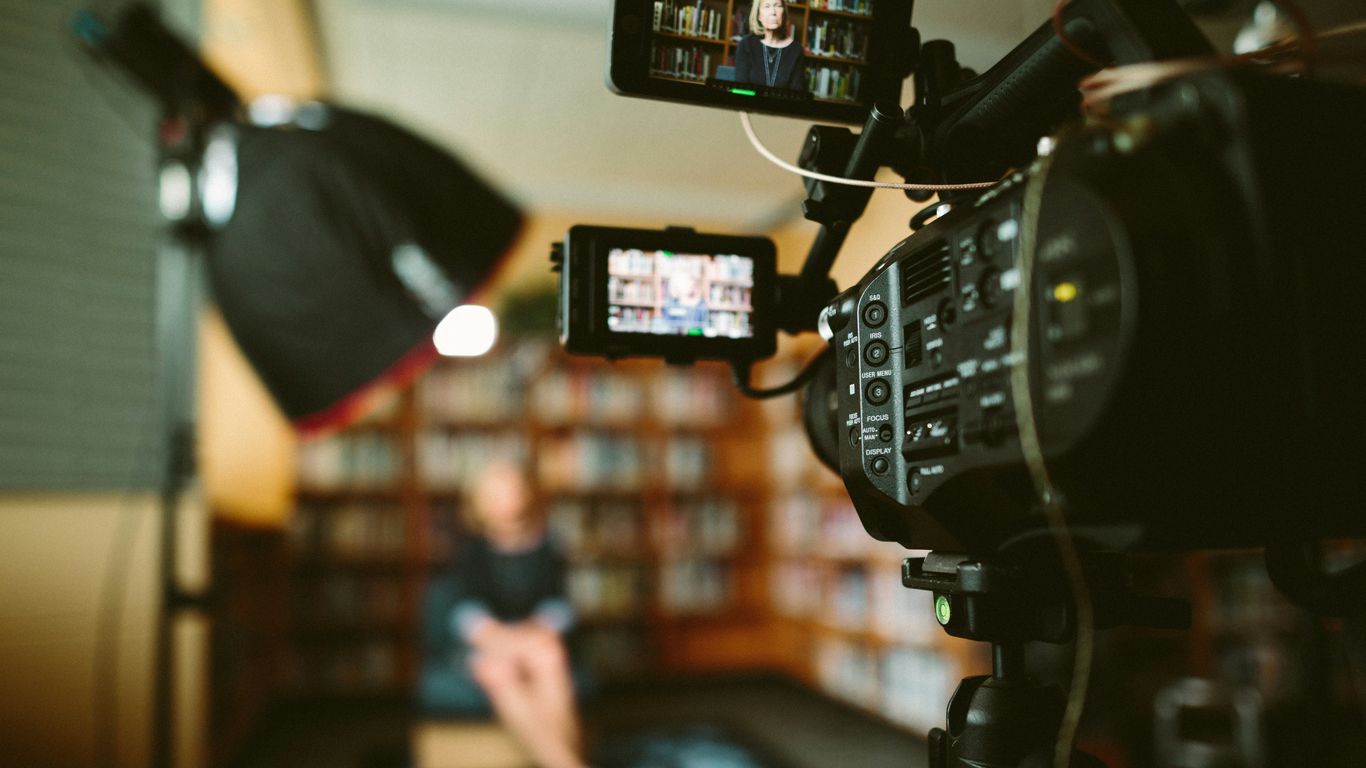
Maintaining a lean budget doesn’t mean sacrificing the impact of your visual storytelling. The goal is to maximize the ROI of your investment by focusing on what resonates most with your target audience. Allocating funds strategically towards essential deliverables ensures that your core brand message is heard loud and clear while avoiding unnecessary fluff.
Quality is not an extra feature but a result of planning and professional execution. A well-crafted video strategy saves thousands by repurposing content efficiently across multiple channels over time.
Identifying essential deliverables versus luxury features
Not every event needs an Oscar-winning short film and a 20-camera drone team. Start by ranking your needs: if raw speaker footage is the primary goal, put that at the top. Luxury items like motion-heavy animated intros or drone sweeps can be added if your budget allows, but don’t let them prioritize your essential brand requirements.
Assessing the return on investment for marketing assets
Every dollar in your video budget should connect to a business outcome, whether that’s lead generation, employee onboarding, or brand trust. Evaluate how the final footage will be used. A professional highlight reel on your website may bring in new clients, but an educational series repurposed from conference talks delivers value for years as a trust-building asset.
Evaluating the impact of high-end equipment on visual quality
High-end equipment is a tool for clarity and storytelling depth, not a magic fix for poor planning. While cinema-grade cameras look cleaner in low light, the primary differentiator in quality is the professional eye behind the lens. Focus your decision on the team’s ability to capture the story and technical expertise rather than just the model of the camera used on-site.
Negotiating service inclusions without sacrificing professional standards
Negotiating doesn’t mean asking for a discount; it means finding smart trade-offs. You might ask to keep the final deliverable length shorter in exchange for keeping high-quality sound design. This ensures the studio maintains their professional standards while you remain within your projected budget, resulting in a cleaner, more focused piece of content.
How to compare videography quotes effectively
Comparing quotes is deceptively difficult because no two production teams offer identical services. It is important to look beyond just the final number at the bottom of the page. Evaluating the technical background of the team and their approach to event videography provides a much better indicator of what you will actually receive.
Aligning proposed price points with team technical expertise
A low-cost bidder might lack the experience to navigate complex event lighting or audio environments, potentially resulting in footage that requires significant rescue work. A slightly higher price often reflects an investment in a crew that knows how to adapt in real-time, capturing your event without disruption.
Analyzing production portfolios and visual storytelling styles
Review the studio’s portfolio not just for good shots, but for a style that matches your business identity. If their past reels feel overly saturated or chaotic, they may not be the right fit for a buttoned-up financial conference. Look for professional, clean editing that proves they understand your industry and target market.
Vetting project management and communication workflows
Strong communication dictates the success of a shoot. Pay attention to how quickly they answer the phone, how they explain their pre-production strategy, and whether they provide a clear, documented plan. A team that manages your project well—providing updates, addressing concerns, and following timelines—is almost always worth the investment.
Reading the fine print of service level agreements
Your contract is your best defense against unexpected issues. Carefully read the fine print regarding file delivery formats, revision count limits, and liability protocols. A detailed agreement indicates a mature service provider who respects your project as much as you do, ensuring there are no surprises once the cameras stop rolling.
Why specialized events demand different pricing strategies
Specialized events, such as large corporate trade shows or high-energy social media marketing campaigns, create unique filming conditions that standard packages often can’t address. These require specialized planning and often a different set of technical tools to reach the target audience effectively.
Technical coverage requirements for corporate conferences
Corporate events involve diverse scenarios, from quiet breakout sessions to keynote talks with complex presenter setups. Capturing this content accurately requires dedicated audio feeds from the venue’s soundboard and expert stage lighting knowledge to ensure the speakers remain clear, professional, and properly framed at all times.
Creating high-energy highlight reels for social media channels
Social media requires a fast-paced, high-impact style that is distinct from traditional long-form documentation. This demands specifically tailored editing that includes eye-catching motion graphics and a narrative pace optimized for scrolling mobile users. Effectively repurposing your live event footage for platforms like LinkedIn or Instagram is a highly valuable service.
Capturing long-form content for internal educational programs
Educational content is about focus, clarity, and information retention. These projects often prioritize clean audio and steady, clear camera work that allows the presenter’s expertise to shine. Often, this includes creating chapter breaks, lower-third titles, and consistent branding that aligns with the organization’s existing professional documentation.
Managing live streaming logistics for hybrid and remote audiences
Live broadcasting to global audiences adds a layer of technical complexity that involves redundant web connections, low-latency encoders, and live production switching. Because the event is happening in real-time, the stakes are elevated, requiring a team capable of managing hardware and software in sync to deliver a flawless remote experience.
Conclusion
Event videography pricing is a balance between raw documentation and strategic brand investment. By understanding the factors that impact your budget—from labor and equipment to post-production and licensing—you can make informed decisions that deliver measurable results, ensuring your event works as a powerful marketing asset for your business long after the lights go down.
Frequently Asked Questions
What should be included in a standard videography quote?
A comprehensive quote should clearly list the number of videographers, the hours of on-site coverage, the specific equipment to be used, and the scope of post-production deliverables. It must also include terms for file delivery formats, licensing for music or stock assets, and a clear payment schedule for deposits and final delivery.
How does editing time impact the overall budget?
Editing time and labor are the most significant variables in pricing, as a single hour of event footage can require ten or more hours of professional post-production. The complexity of the edit, including sound design, color grading, motion graphics, and revisions, represents the bulk of the professional effort beyond simply recording the event.
Is it always necessary to hire a team with industry-specific experience?
While not strictly required, industry-specific experience drastically improves efficiency and quality. A team familiar with your specific type of event, such as a major conference or a medical seminar, will know exactly what shot lists are required, how to manage the audio, and how to position cameras to avoid common technical pitfalls.
Why do prices vary so much between videographers?
Pricing differs based on the producer’s skill level, the quality of their gear, their portfolio of past work, and the reputation they have built. A more expensive videographer usually carries higher overhead for professional insurance, high-end cinema equipment, and expert editing staff, which ensures a more reliable and polished end product.
What are the risks of choosing the lowest priced quote?
The primary risks include poor-quality audio recordings, inconsistent framing, missed highlight moments, or the potential for the videographer to be unprepared for live show constraints. Low-budget options often lack the redundant gear, insurance, and professional editing workflows needed to guarantee the final results your brand expects.
Should I ask for raw footage in my package?
Requesting raw footage can be a useful alternative, but clarify what you intend to do with it before expecting good results. Raw files are large, complex, and unedited, often looking unfinished or shaky; unless you have an in-house editor to process those files, it is generally better to focus your budget on a high-quality finished product.
How far in advance should I book my videographer?
Booking should occur as soon as your date is secured and the scope is clear, ideally 3 to 6 months in advance. High-quality production teams often limit the number of events they take on to ensure they can dedicate enough time to post-production, meaning popular dates fill up quickly.
Start Your Strategic Video Partnership
Ready to transform your event into an enduring brand asset? Book a Discovery Call with our team to discuss how we can help you build trust through high-quality, story-driven video content.