Key Takeaways
Starting your journey into video production requires careful planning and a clear strategy to ensure your efforts align with your business goals.
- Define your video’s purpose and audience before picking up a camera.
- Establish a realistic budget that accounts for pre-production, filming, and post-production.
- Build a strong foundation through storyboarding and selecting suitable locations.
- Prioritize high-quality audio and lighting to maintain professional standards throughout your project.
- Utilize a structured distribution plan to maximize the reach and impact of your finished video.
Understanding the scope of your first videography project
Embarking on your first videography project can feel overwhelming, but clarity is your best tool. Businesses often jump straight to filming without considering the underlying purpose, which leads to content that misses its mark. Successful projects start with a clear vision that connects your unique brand voice to an actionable outcome.
Defining your brand’s video goals
Every video should serve a purpose, whether it is to educate, convert, or inspire your audience. When starting your first videography, you need to articulate what success looks like so you can track your progress effectively. Clear objectives help your team stay focused while avoiding unnecessary feature creep during the creative process.
Identifying your target audience
Understanding who will watch your content dictates everything from tone to delivery style. If your goal is to speak to industry peers, your video format should reflect that professional expectation, whereas social-driven content might require more energetic pacing and visual flair. Referencing guides like identifying target audience strategies can help you refine your approach.
Setting a realistic budget for production
Your budget dictates the scope of what is possible, including the scale of your crew and location choices. It is better to have a modest project executed with high precision than an ambitious idea that fails to reach the finish line. VG Creations provides resources to help simplify these production requirements and ensure your resources are used wisely.
Choosing the right video format for your message
Selecting the right vessel for your story is just as important as the message itself. Whether you need a short social media cut for engagement or a deep-dive testimonial, the structure must match the medium. You can book a discovery call to discuss the most effective format for your current business needs.
Essential pre-production steps
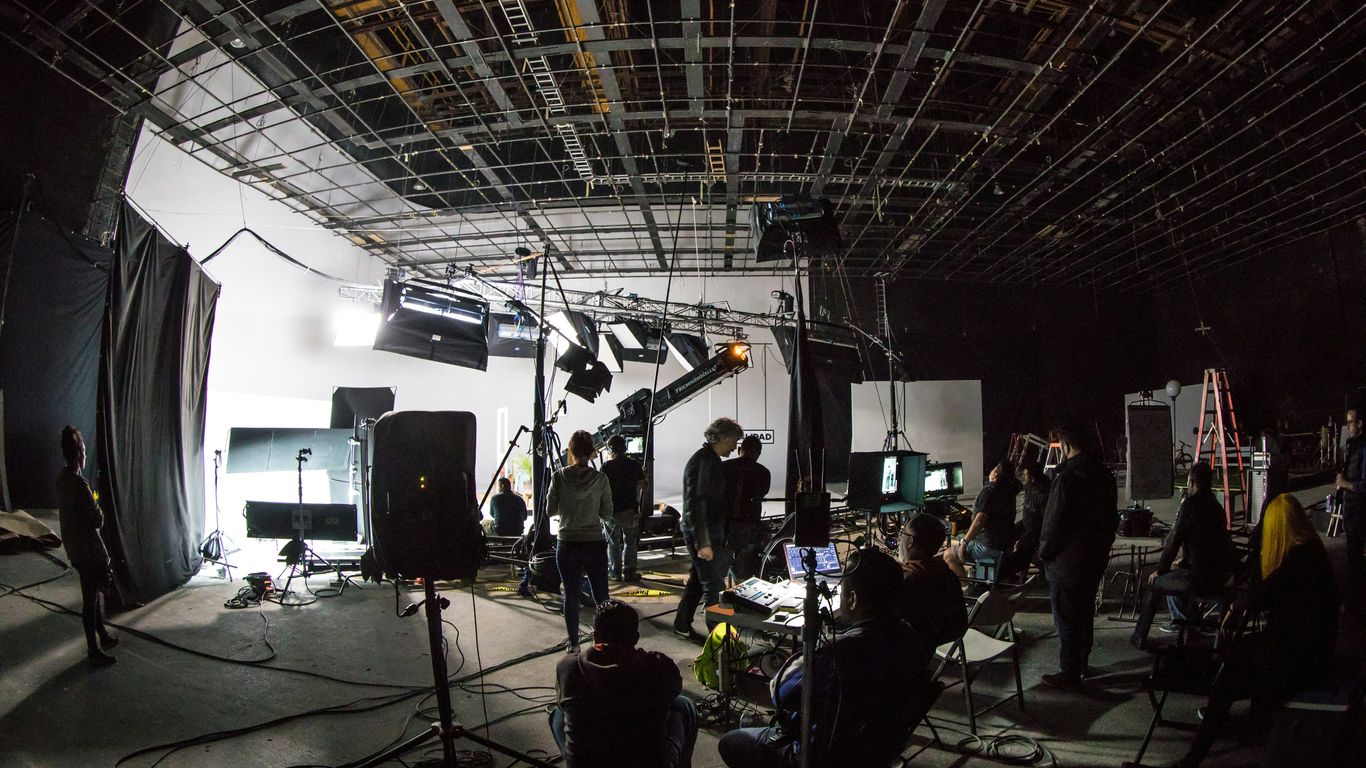
Great videos are almost always made before the cameras roll, thanks to thorough preparation. Pre-production is where you solve potential problems before they happen and align your creative team. Neglecting this phase often leads to disjointed footage that lacks the narrative cohesion required to resonate with viewers.
Crafting a compelling storyboard or script
Planning your visual narrative ensures every minute spent filming contributes to the final narrative. Writing a detailed script prevents you from rambling and helps keep your project on schedule. A well-constructed storyboard acts as a roadmap for your crew, minimizing questions on set and keeping the production pace steady.
Scouting the perfect filming location
Your environment influences the mood and technical feasibility of your shoot. While a controlled studio environment offers predictability, an authentic onsite shoot can build credibility if the location is properly vetted. You must check for ambient noise, space for lighting, and aesthetic consistency with your brand image.
Outlining necessary equipment and gear
Your gear list should prioritize quality and reliability over sheer quantity. It is wise to consider the following essentials for your kit:
- High-resolution camera capable of professional color profiles
- Directional microphone for crisp, clean audio capture
- Consistent key lighting setup to eliminate harsh shadows
- Spare batteries and stable memory cards for long-duration shooting
- Versatile tripod for steady, professional framing
This basic setup ensures you cover the technical requirements of most commercial video projects without over-complicating your workflow.
Coordinating talent or interview subjects
Helping your participants feel at ease is vital for capturing a natural performance. A brief prep call beforehand can explain the process and help them understand what the project entails. When people feel prepared and comfortable, their contribution becomes more authentic, which directly impacts the quality of your testimonial video production.
Principles for high-quality cinematography
Cinematography is the art of communicating through visuals, light, and movement. Even with the best gear, your footage will fall flat if you ignore fundamental principles of framing and balance. These practices separate amateur, shaky recordings from polished, high-authority content that builds trust with your viewers.
Mastering fundamental lighting techniques
Lighting should do more than just illuminate your subject; it should help define the mood of the piece. Using three-point lighting is a standard for a reason, providing depth and separation that keeps the viewer’s eye focused exactly where it needs to be. For a more documentary feel, natural light strategically shaped with reflectors can create a more organic, grounded appearance.
Utilizing effective frame composition
Thoughtful composition guides the viewer through the scene by controlling leading lines and negative space. Using the rule of thirds or leading lines provides visual interest that feels intentionally crafted. When you understand cinematic framing techniques, you gain the ability to make even standard interviews look like thoughtful, high-end productions.
Ensuring professional, clean audio capture
Audio quality is often the most neglected aspect of a video, yet it remains the most important indicator of professionalism. Poor audio can cause viewers to disengage immediately, even if the visuals are perfect. Investing in a reliable lavalier or shotgun microphone creates a seamless video production experience that reflects positively on your business.
Establishing a consistent visual identity
Your brand needs a look that carries across all your media, from colors to lens choices. Staying consistent allows your audience to recognize your content instantly, which is vital for long-term growth. When you apply your style guide consistently, it builds trust and authority among your target demographic.
Navigating the production day
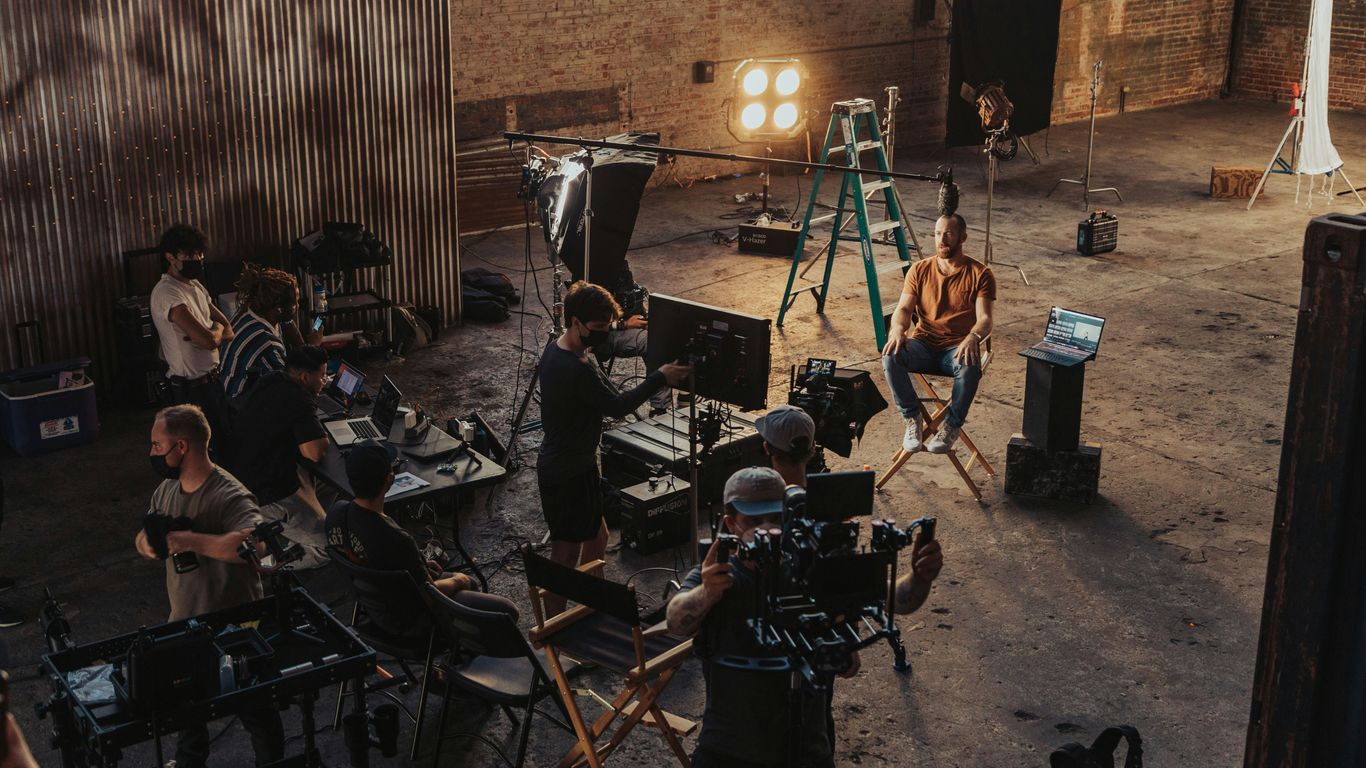
Production day is the culmination of your efforts, and keeping the energy high is essential for a successful shoot. Unexpected challenges are a guarantee, so your plan must prioritize adaptability and clear communication. Efficiency comes from respecting the time of everyone involved while keeping a sharp eye on your list of required shots.
Managing your shooting schedule efficiently
Managing your time means accounting for the realities of human-led operations, such as lighting adjustments and wardrobe tweaks. Staying on time prevents cost overruns and keeps your crew energized throughout the session. If you miss your marks on timing, you risk rushing essential segments that define your project’s success.
Managing unexpected technical or logistical issues
Even experienced crews face technical hurdles, from failing microphones to changing weather. Having event video production backup solutions, such as alternative storage media and spare audio cables, ensures that one small failure does not ruin the entire project. Quick problem solving is a sign of a professional crew that works to protect your vision regardless of the circumstances.
Directing subjects to feel comfortable on camera
Directing is less about giving orders and more about fostering a natural environment for discussion. By minimizing on-set pressure and keeping the atmosphere relaxed, you obtain more nuanced responses from interview subjects. This approach is instrumental in crafting brand story videos that feel authentic and relatable.
Capturing supplemental B-roll footage for editing flexibility
B-roll breathes life into your video during the editing stage, bridge gaps, and providing visual relief from head-shots. It is better to have an excess of supplemental footage than to be constrained by a lack of assets. The following table highlights common B-roll types and their impact on project depth:
| B-roll Category |
Best Usage |
Impact |
| Action Shots |
Showing workflow in progress |
Increases credibility |
| Environmental |
Establishing location tone |
Adds context and depth |
| Close-ups |
Focusing on intricate details |
Directs viewer attention |
Once captured, these diverse shots allow editors to build a more dynamic flow, ensuring the viewer remains engaged throughout the duration of the content.
Elevating content through professional post-production
Post-production is the phase where your individual shots are transformed into a cohesive narrative. It is where you refine colors, balance sound, and add the motion elements that define your brand personality. The editing process requires both artistic vision and technical discipline to ensure the final product meets your objectives.
Choosing an efficient editing workflow
Organizing your footage properly at the start saves immense amounts of time as the edit progresses. Using consistent naming conventions and proxy files speeds up your technical rendering and allows for rapid feedback loops. A streamlined workflow ensures your team can focus on the story rather than battling technical delays.
Implementing professional color grading
Color grading applies a stylistic layer to your footage that ensures visual harmony across all segments. By adjusting contrast and temperature, you establish a look that reinforces your brand identity. Properly matched footage feels premium, which strengthens the perception of your professional video services in the eyes of your audience.
Optimizing audio levels and sound mixing
Balance is the secret to a professional-sounding video, ensuring dialogue remains clear while music supports the mood without overpowering it. This technical balance contributes significantly to a polished user experience. Even a minor correction in levels ensures a comfortable listening experience for all viewers.
Incorporating motion graphics and brand elements
Motion graphics help translate your brand voice onto the screen through visual markers like titling and logos. These elements provide context and help keep the information accessible during intense video segments. Whether it is an animated transition or a subtle watermark, these additions remind your audience of your identity at key moments.
Delivering and distributing your video
Once your video is complete, the final step is ensuring it reaches your intended audience through the right channels. Delivery is notJust a hand-off; it is about optimizing your assets for the platforms where your audience spends their time. A strategic distribution approach ensures your hard work contributes to your broader business results.
Preparing export files for different platforms
Platforms have different requirements for resolution, aspect ratio, and bitrates. Providing specific files for each channel ensures your content looks its best whether viewed on a phone, tablet, or desktop. This level of detail shows you care about the audience experience on their chosen platform.
Leveraging social media for maximum reach
Social media platforms thrive on different types of engagement, requiring specific cuts of your primary video. Teasers and short clips can drive traffic to your full, longer-form content elsewhere. By tailoring your output to each channel, you maintain relevance while expanding your visibility.
Monitoring performance metrics for future growth
Data provides the feedback loop needed to improve your future productions. Watching watch-time and click-through rates reveals what your audience genuinely cares about and how much of your video they consume. These metrics are the foundation for evolving your content strategy in the next round of production.
Creating versions for specific marketing channels
Tailoring your video to specific marketing funnels increases its effectiveness for lead generation or customer education. Creating distinct versions for email, web, and presentation audiences allows you to speak to the specific needs of those segments. This versatility maximizes the use of your production budget and extends the lifespan of your video assets.
Conclusion
Planning your first videography project requires a blend of creative vision and meticulous strategic alignment. By focusing on your audience, investing in essential gear, and following a structured production workflow, you turn raw footage into valuable assets that build long-term trust for your business. Remember that video is a strategy rather than just content, so stay consistent and focused on driving real results.
Frequently Asked Questions
What gear do I need for my first video?
You should start with a reliable camera system, a dedicated external microphone for clear voice capture, and a basic lighting kit to ensure your subject is well-lit. Avoid trying to buy the entire market; focus on quality in these three core areas to build a functional foundation.
How much time should I allocate for pre-production?
Pre-production usually accounts for about 30% to 50% of the total project timeline depending on the complexity of the shoot. Dedicating this time early on prevents costly mistakes, saves hours during the editing phase, and ensures everyone on the team understands the project direction.
How can I make non-professional participants feel comfortable?
Keep the environment relaxed and provide clear, simple verbal cues throughout the filming process. Avoid heavy technical jargon, give them time to get used to the camera, and encourage them to speak naturally as if they were having an ordinary conversation.
Why is audio capture often considered more important than video quality?
Viewers will tolerate lower visual quality for a short duration, but they will immediately experience frustration and tune out if the audio is distracting, distant, or distorted. Clean, balanced audio is a subconscious indicator of quality that keeps viewers locked in to your message.
What is the purpose of B-roll in a project?
B-roll serves as supplemental footage that supports your primary messaging and helps bridge creative gaps. It provides visual interest, demonstrates concepts in action, and prevents the audience from becoming bored by looking at a single talking head for the entire duration.
How do I know if my video produced results?
Look for specific performance metrics like watch-time percentage, click-through rates, and increased audience engagement on your platforms. Use these numbers to see whether your content reached its target audience and whether it inspired them to take the intended next step.
Is it better to film everything yourself or hire a team?
It depends on your current experience level and the scope of your objectives. While self-filming is feasible for smaller social projects, high-impact branding often requires the expertise and gear that a professional team provides to ensure your brand consistency and technical standards are maintained.