Key Takeaways
Choosing the right partner for your creative projects requires a strategic approach that aligns technical skills with your specific business goals. This guide outlines how to evaluate candidates effectively to ensure your project delivers lasting brand value.
- Define your video objectives early to ensure your creative partner can align their approach with your desired outcomes.
- Look for a blend of technical expertise and industry experience to ensure your message is delivered clearly and professionally.
- Evaluate portfolios specifically for narrative strength and technical consistency across various content formats.
- Verify the production firm’s local logistical knowledge, which is vital for permitting and scouting in dynamic regions like Florida.
- Prioritize long-term ROI over short-term savings by clarifying licensing, workflows, and output requirements before starting production.
Defining your video production needs
Your brand’s requirements will dictate the scale and focus of any production partnership. Navigating the diverse landscape of florida video production companies requires a clear understanding of your organizational goals. By establishing these parameters early, you can filter for teams that truly understand your vision.
Identifying the primary purpose behind your video content
Every project needs a clear motivation. Whether you are aiming to increase brand awareness, facilitate internal training, or drive direct conversions through social media, the initial strategy must hold firm throughout the production cycle. Defining if you need a brand story video or a simple promo will narrow your search significantly.
Balancing high-end production quality with specific marketing goals
High production value serves as a catalyst for trust, yet it must always serve the underlying objective. Using corporate rebrand video production as an example, the focus should be on the message and the audience rather than just aesthetic filters. A balanced approach ensures that your content is both visually compelling and strategically sound.
Deciding between boutique creative firms and large-scale production agencies
Smaller, agile firms often offer a level of creative intimacy that larger agencies might lack. Conversely, large teams can handle massive, multi-location projects with ease.
| Vendor Type |
Best For |
Typical Strength |
| Boutique Agency |
Bespoke Storytelling |
Close Communication |
| Large Production House |
Scalable Content |
Broad Infrastructure |
| Independent Studio |
Niche Specialization |
High Flexibility |
Selecting the right partner depends on your project’s specific demands for speed versus scale and the desired creative collaboration level.
Determining the required scope of your upcoming project
Clearly scoping your project prevents drift and helps potential partners provide accurate quotes. Understanding if you need a single hero video or a series of assets will influence the resources required. Projects often succeed when there is a list of priorities for the production team to execute:
- Primary objectives and target output formats
- Anticipated distribution channels
- Specific brand guidelines and aesthetic requirements
- Hard deadlines or event dates
Having these items formalized allows for a more streamlined production experience.
Essential services to evaluate in a local partner
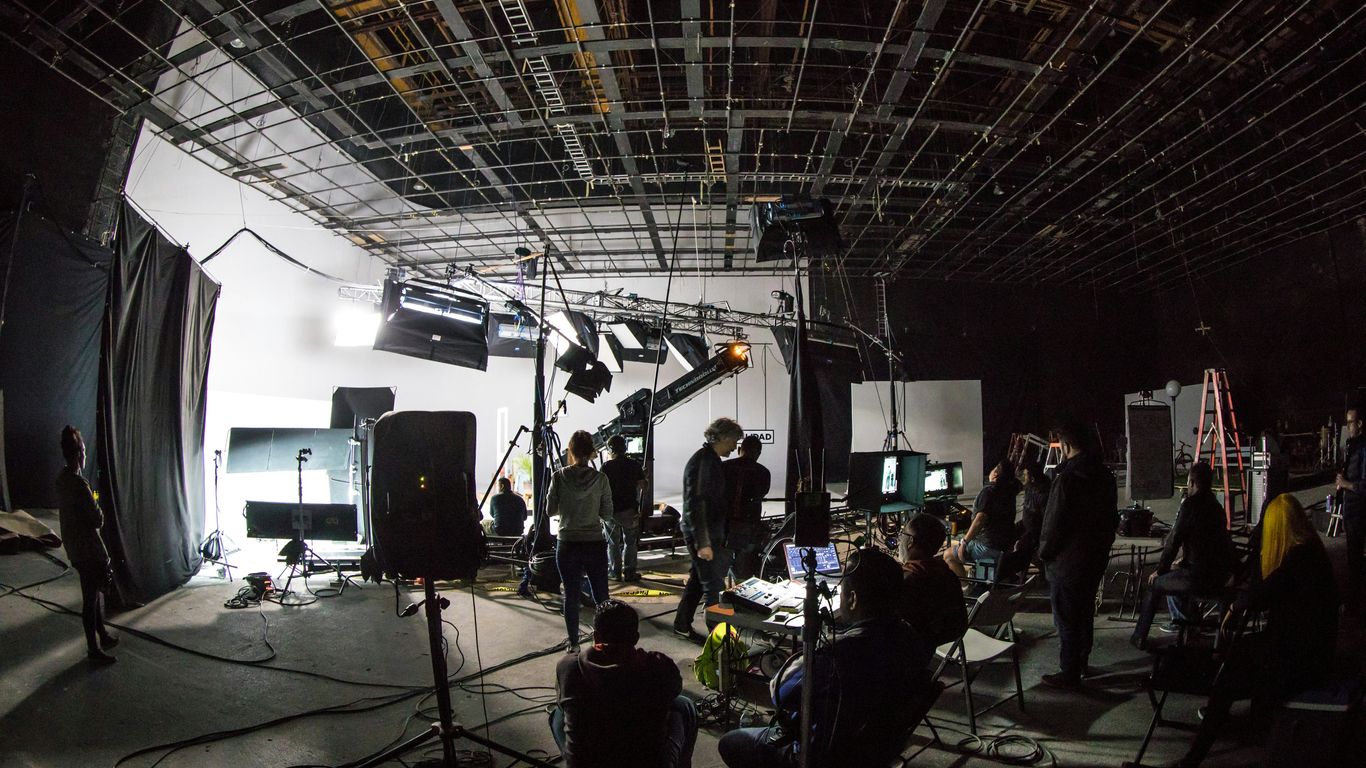
Selecting a partner with strong local roots provides an advantage, particularly when managing logistics and regional nuances. Beyond technical capability, a trusted partner acts as an extension of your own team. Evaluation should focus on their ability to handle the full lifecycle of content creation.
Assessing expertise in pre-production, filming, and post-production
A comprehensive production experience relies on the seamless transition between phases. Exceptional teams understand that meticulous pre-production reduces chaos on set and that professional post-production editing refines the final narrative of your project.
Integrating professional photography with video marketing workflows
Efficiency is gained when one partner handles both video and photography tasks. This ensures brand consistency across your marketing assets while simplifying the management of your creative project’s look and feel.
Analyzing capabilities in live streaming, event coverage, and podcast production
Today’s brand requires more than just standard commercial work. A versatile team should exhibit expertise in technical areas like live streaming production or podcast production, which require specific hardware and audio-visual disciplines that differ from traditional cinematic filming.
Evaluating capacity for specialized projects like medical or corporate training videos
Complex industries require a partner who understands the nuance of professional training environments and sensitive subject matter. Experienced crews know how to keep participants comfortable in front of a camera and how to distill complex information into accessible content.
Evaluating portfolios and creative style

A portfolio is more than a list of past work; it is evidence of a creator’s ability to solve problems visually. By carefully inspecting how previous films were constructed, you can judge if a company has the grit to execute your brand’s mission with the same level of polish.
Assessing storytelling techniques in past commercial work
Look for creators who don’t just capture events but build a narrative structure. Are the characters or subjects introduced with purpose? Do the sequences flow emotionally? Story-driven work often resonates significantly better than pure product showcases.
Reviewing technical consistency across different project genres
Consistency indicates a disciplined internal process. If the studio handles sports, luxury goods, and healthcare with equal success, it signals that their technical foundation—lighting, sound, and framing—is robust regardless of the subject matter.
Analyzing industry-specific experience in fields like real estate or e-commerce
Every sector has its own visual language. Real estate requires a focus on space and ambient light, while e-commerce demands clarity and fast-paced editing. Engaging someone with a background similar to your vertical can save cycles in explaining fundamental industry expectations.
Identifying visual trends that align with your brand identity
While trends change, your brand identity should guide the final selection. Choose a team that understands how to leverage modern, trending visual styles to make your marketing content stand out while respecting the core requirements of your professional image.
Navigating the professional production process
A structured workflow distinguishes professional partners from amateur freelancers. Clear expectations ensure that everyone is aligned from the first day to the final delivery of your files.
The importance of a structured and collaborative discovery phase
Discovery is where the mission for the project is firmly established. It is a time for sharing your vision, analyzing your competitor landscape, and agreeing on key performance indicators. This phase ensures that the final result effectively supports your business goals rather than just being a pretty file.
Setting realistic expectations for timelines and content delivery
Professional teams provide realistic schedules that account for every phase, including revisions and final exports. A transparent approach helps you coordinate marketing launches or event dates without the risk of missed milestones.
How streamlined feedback and revision cycles impact project success
Modern production workflows prioritize clarity in edits. A productive feedback loop requires clear internal processes where your team provides consolidated input, allowing the production crew to implement changes efficiently.
Coordinating communication between your team and the production crew
Direct, honest communication is the bedrock of successful video strategy. By empowering a single project lead on both sides, you reduce misinformation and keep the strategy-driven vision intact from concept to final cut.
Logistics of hiring a film crew in Florida
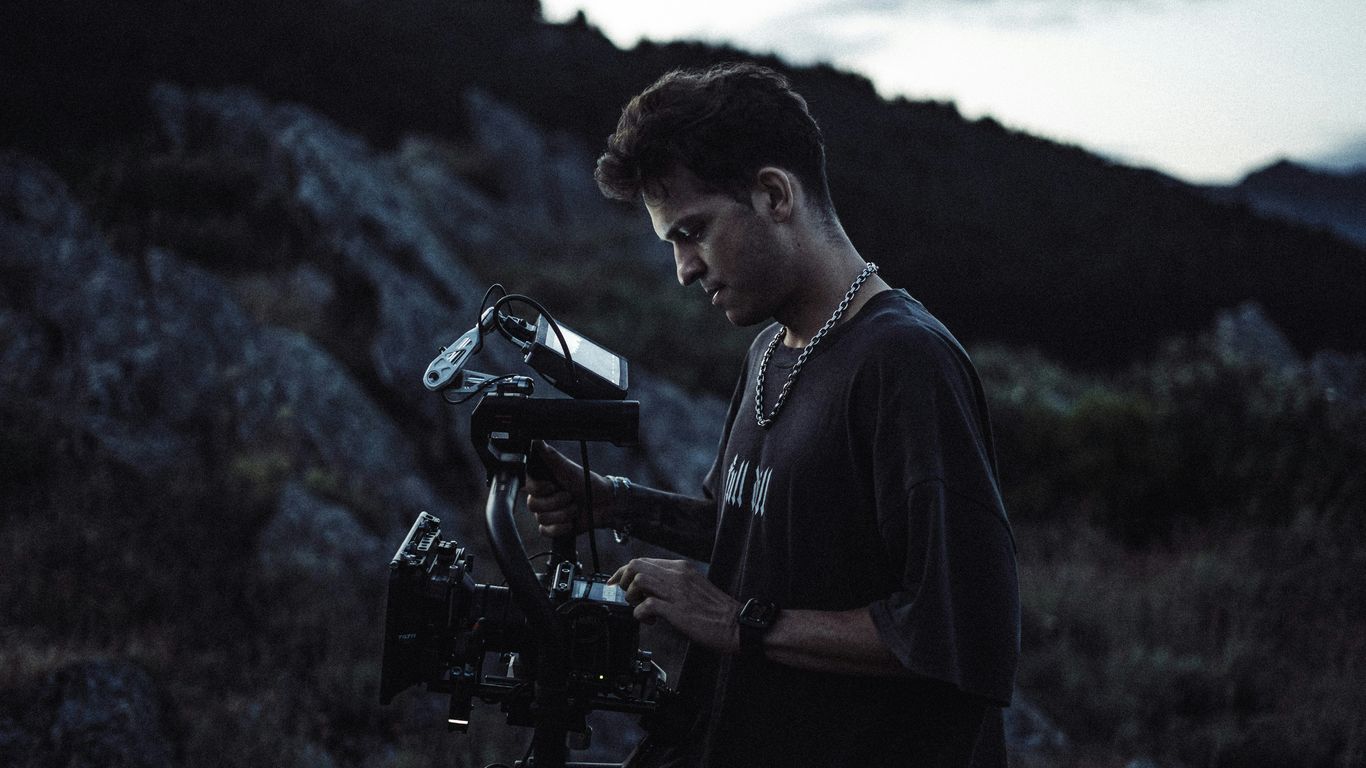
Operating in Florida presents unique challenges and benefits, ranging from diverse urban backdrops in Miami to the corporate hubs found in Palm Beach. Partnering with a crew that knows the regional quirks—like daylight hours, permit requirements, and venue restrictions—can dramatically improve the success of your shoot.
Benefits of partnering with studios that have a strong local presence
Studios with deep local experience save you time. They understand where to scout, how to secure fast permits, and how to work with venues, effectively minimizing potential roadblocks during your filming schedule.
Managing the complexities of location scouting and regional permits
Professional crews handle the administrative burden of production. From navigating specific municipality laws to coordinating locations in busy settings, their involvement ensures that the legal and logical aspects of your shoot remain on schedule.
Weighing the advantages of studio-based production against on-location shoots
Studio environments provide ultimate control over lighting and audio, which is ideal for corporate video production. On-location shoots offer necessary context and aesthetic diversity but require more careful planning to manage variables like ambient sound and crowd control.
Navigating regional differences in the Florida production market
The production landscape throughout the state varies, and understanding these regional distinctions is helpful. A team familiar with both the logistical flow of major coastal cities and the specific venue relationships in internal hubs will provide the most efficient service.
Assessing budget and long-term value
When evaluating quotes, it is important to look beyond the total figure. A low upfront cost might hide long-term expenses, while a higher initial investment often correlates with higher-tier talent and more efficient project support.
Understanding industry-standard pricing and transparent quote structures
A professional quote should detail every part of the production cycle. Transparency in labor, equipment rentals, and post-production hours is a necessary indicator of a firm that manages its client relationships with integrity.
Balancing upfront production investment against projected brand ROI
Think of your video production as an asset, not just an expense. Investing once in high-quality storytelling that can be repurposed across various channels often leads to higher engagement and a better return on your investment over time.
Identifying potential costs for post-production and asset licensing
Post-production is frequently underestimated in the initial budgeting process. Ensure that your agreement accounts for licensing fees for music, stock audio, and fonts, avoiding surprises after the footage has already been captured.
Avoiding hidden fees by clarifying output requirements early
Specify your exact output needs, such as resolution and frame rate, early in the process. Clear requirements allow your production partner to build an accurate plan without adding costs later due to scope changes or incorrect export settings.
Conclusion
Selecting the right creative partner is a foundational decision that influences your brand’s reach. By focusing your search on strategic capability, industry experience, and clear communication, you ensure that every project serves your business growth efficiently. The best results occur when you view your video content as a vital, long-term asset supported by a team that understands your vision as well as the unique logistical realities of your market.
Frequently Asked Questions
How far in advance should I contact a production company?
It is best to reach out at least four to six weeks before your expected shooting date, especially for projects requiring complex location scouting or event coverage.
What do I need to prepare before a discovery call?
Gather your current brand guidelines, a list of your primary objectives, and any examples of video styles that resonate with your internal team to help guide the conversation.
Does the geographic location of the production company matter?
Local familiarity with permits, local crews, and regional venues can save time and reduce costs, making it beneficial to choose a partner with an established presence in your area.
How are revisions handled in professional video production?
Typically, contracts include a set number of revision rounds that allow you to provide feedback after the initial edit, ensuring the final product matches your goals.
What should be included in a standard production quote?
A thorough quote outlines professional labor, equipment rental costs, pre-production planning, filming time, post-production, licensing, and any potential travel or permit fees.
How can I ensure my video content is repurposable?
Ask your production partner for raw assets or various social media crops, such as 9:16 or 1:1, during the planning phase to ensure your content works on every digital platform you use.
What role does the client play during the filming process?
Clients generally define the strategic vision and provide feedback during the planning stages, while the production crew manages sets, audio, lighting, and technical execution on the day of the shoot.