Key Takeaways
The new FX5 brings several production-focused features to a compact full-frame cinema camera. Its appeal is less about having the longest spec sheet and more about giving filmmakers additional flexibility at the point of capture.
-
A newly developed stacked sensor delivers more than 15 stops of dynamic range.
-
Open Gate recording and internal X-OCN RAW expand finishing options.
-
The camera records 5K at up to 60 fps, 4K at up to 120 fps, and FHD at up to 240 fps.
-
Three base ISO settings and Dual Gain shooting support difficult lighting conditions.
-
Its compact body suits productions that need mobility without giving up cinema-oriented features.
Introduction: The Evolution of the FX Line
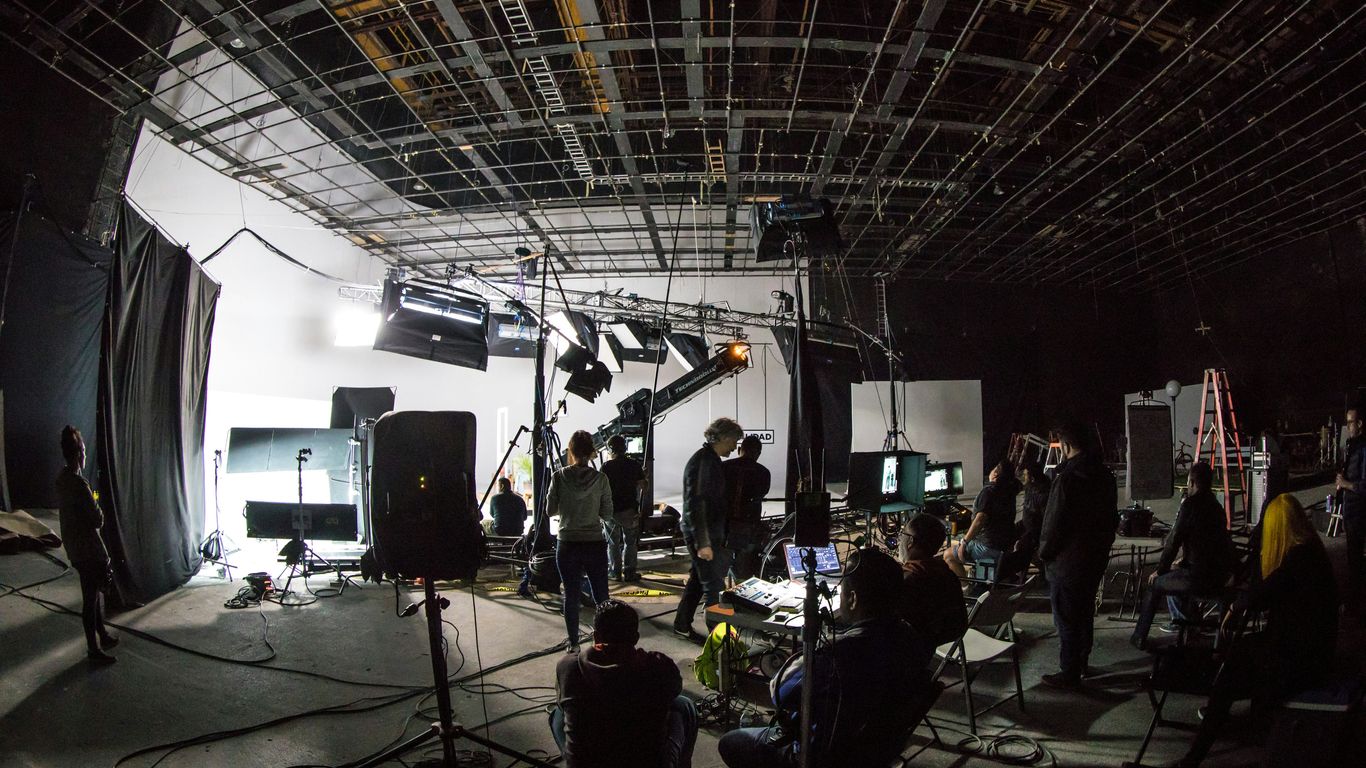
The Fx5 Sony New Camera arrives as a full-frame addition to the Cinema Line, aimed at filmmakers who want more room to shape an image after the shoot. It keeps the idea of a compact, portable camera at the center, but adds recording and sensor features that have traditionally mattered most on larger production bodies. That makes it an interesting step for crews who need to move quickly without treating image quality as an afterthought.
Sony describes the FX5 as a camera with a newly developed fully stacked CMOS image sensor, more than 15 stops of dynamic range, three base ISO settings, and Dual Gain shooting. Those specifications matter in practical terms: they give the operator more latitude when a scene moves between bright highlights and deep shadow. More capture flexibility can mean fewer compromises when a location, schedule, or subject cannot be controlled perfectly.
The camera is also positioned around production-ready operability rather than specs alone. Open Gate shooting and in-camera X-OCN RAW recording introduce workflow choices that are especially relevant when one shoot may need both widescreen footage and vertical or alternate-aspect-ratio deliverables. For a closer look at the announced feature set, this Sony FX5 overview is a useful companion read.
Key Upgrades and New Features
The most meaningful changes are spread across the image pipeline, recording options, and physical handling. None of these features replaces thoughtful exposure, lighting, or sound capture, but together they make the camera more adaptable across documentary work, branded pieces, events, and small narrative crews. The question is how those upgrades affect the way a production is actually planned and finished.
Sensor and Image Quality Improvements
The new fully stacked CMOS sensor is designed to raise sensitivity performance while preserving the Cinema Line look. The camera offers more than 15 stops of dynamic range, three base ISO settings, and Dual Gain shooting, giving cinematographers several ways to approach changing light. That is useful for interiors, night work, and fast-moving locations where building a complete lighting setup is not always realistic.
The sensor also supports 5K recording, which gives editors additional pixels for reframing and finishing. More resolution is not automatically a better image, of course; lens choice, exposure, production design, and color decisions still shape the result. The benefit is having extra information available when the final deliverable needs a crop or a different composition.
Autofocus System Enhancements
The FX5 uses a newer processing platform with an AI processing unit, supporting improved autofocus performance and subject tracking. For a solo operator or a small crew, that can reduce the amount of attention spent riding focus while a subject moves through a scene. It does not remove the need to choose focus modes carefully, particularly when foreground objects, crowds, or low-contrast subjects enter the frame.
A practical autofocus setup usually starts with the type of movement rather than a blanket preference for automatic focus. These are sensible considerations before recording:
-
Decide whether the subject or the composition should have priority.
-
Test tracking behavior against backgrounds with similar colors or textures.
-
Use a controlled focus approach when a shot has a planned rack or repeatable movement.
-
Leave room for a focus puller or manual operation when the scene is especially demanding.
That approach keeps autofocus in its proper place: a production aid that supports the shot, not a substitute for planning. It is most valuable when the camera must stay mobile and the operator cannot monitor every variable at once.
New Recording Formats and Codecs
Open Gate is one of the most notable additions because it records the full sensor area in a 3:2 frame. That can be helpful when the same material needs to serve several aspect ratios, or when a finishing team wants more freedom to choose the final crop. The camera also records internally in X-OCN, Sony’s proprietary RAW format, giving productions a way to preserve more information for post-production.
Frame-rate options are equally broad. The camera records 5K at up to 60 fps, 4K at up to 120 fps, and Full HD at up to 240 fps. Those modes create room for high-resolution standard-speed footage as well as slow-motion sequences, although storage, processing, and delivery requirements should be considered before a project adopts the heaviest settings.
Ergonomics and Build Quality
The physical design follows the compact, portable approach that makes small cinema cameras appealing to lean crews. The camera can be paired with an optional detachable OLED viewfinder or an XLR handle unit, and the handle unit records in-camera audio at up to 96 kHz and 32-bit float. These options allow the body to be configured around the way a production is operated rather than forcing every shoot into one rig.
That flexibility is particularly useful when a camera moves between tripod work, handheld coverage, and more mobile setups. A compact body can make access easier in crowded venues or tight locations, but it also puts more responsibility on the operator to balance the rig, protect the camera, and plan power and media. Good ergonomics help, but they work best as part of a complete production system.
Who is the FX5 For?
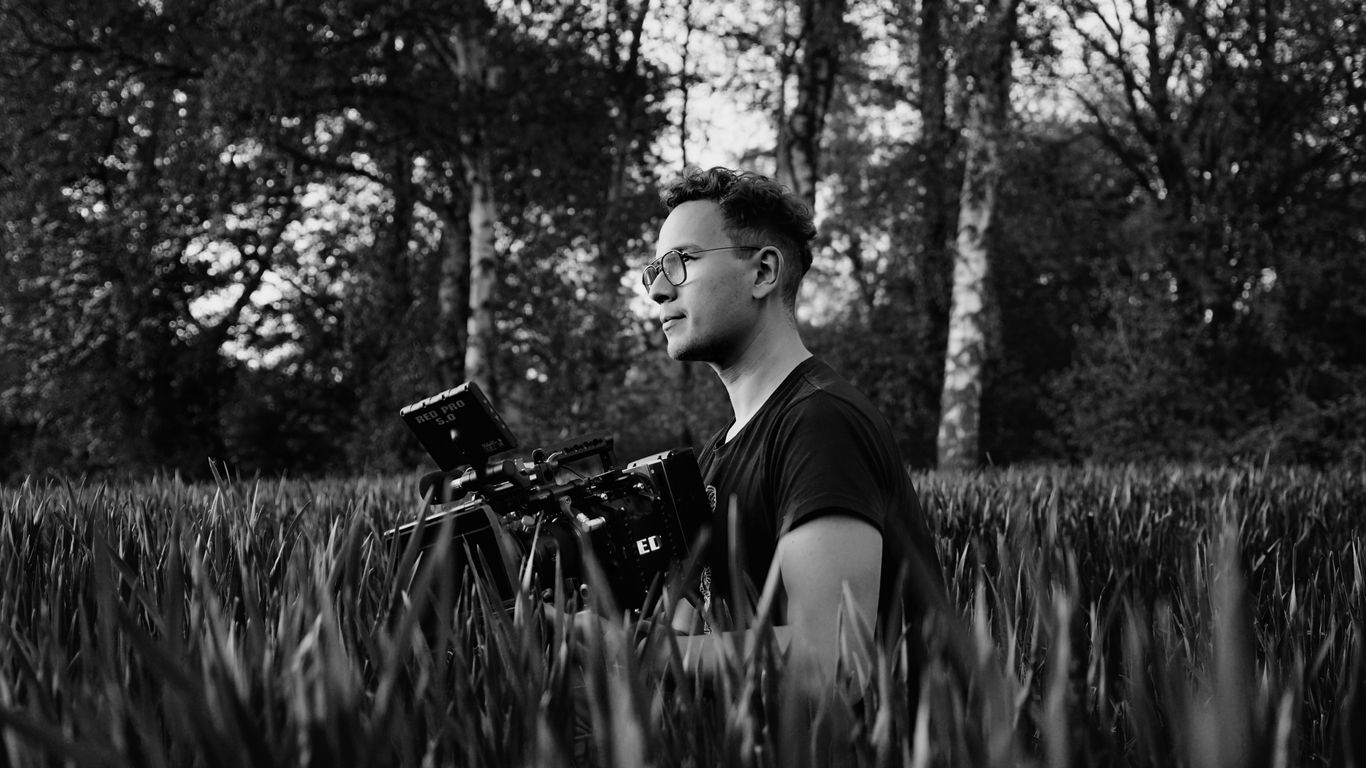
The FX5 makes the most sense for people who care about cinema-oriented capture but cannot always bring a large crew or a heavy camera package. Its combination of full-frame capture, high frame rates, Open Gate, and internal RAW speaks to productions that may need to repurpose footage or work in varied environments. It is less about one narrow user profile than about a certain style of working: mobile, deliberate, and post-production aware.
That distinction matters for businesses, too. A camera can record technically impressive footage, but the final value still comes from the story, the schedule, the crew, and the plan for turning footage into useful assets. The equipment guide from VG Creations offers a broader look at how camera choices fit alongside lenses, lighting, audio, and crew roles.
Filmmakers and Documentarians
Filmmakers and documentarians may appreciate the balance between portability and capture flexibility. Three base ISO settings, Dual Gain shooting, and more than 15 stops of dynamic range are relevant when a subject moves from daylight to shadow or when a crew has only a short window to work. Open Gate can also help when a documentary project needs versions for different platforms after the fact.
The internal X-OCN option adds another layer for projects that expect substantial color work or want to retain more information during finishing. That does not make every scene better by default, and RAW can increase storage and post-production demands. It simply gives a production another path when the image will be carefully shaped later.
Content Creators and YouTubers
Content creators and YouTubers may find the camera attractive when their work has grown beyond a simple single-camera setup. The compact body can be easier to carry, while 4K high-frame-rate recording supports slow-motion inserts, demonstrations, and visual cutaways. Open Gate is also relevant for creators who publish both conventional video and vertical clips from the same shoot.
Still, the camera may be more capability than a creator needs for a basic talking-head setup. Lighting, clean audio, a dependable workflow, and a clear publishing schedule usually have a larger effect on perceived quality than a premium recording format. The right choice depends on whether those extra capture options will actually be used.
Comparison: FX5 vs. Previous Models
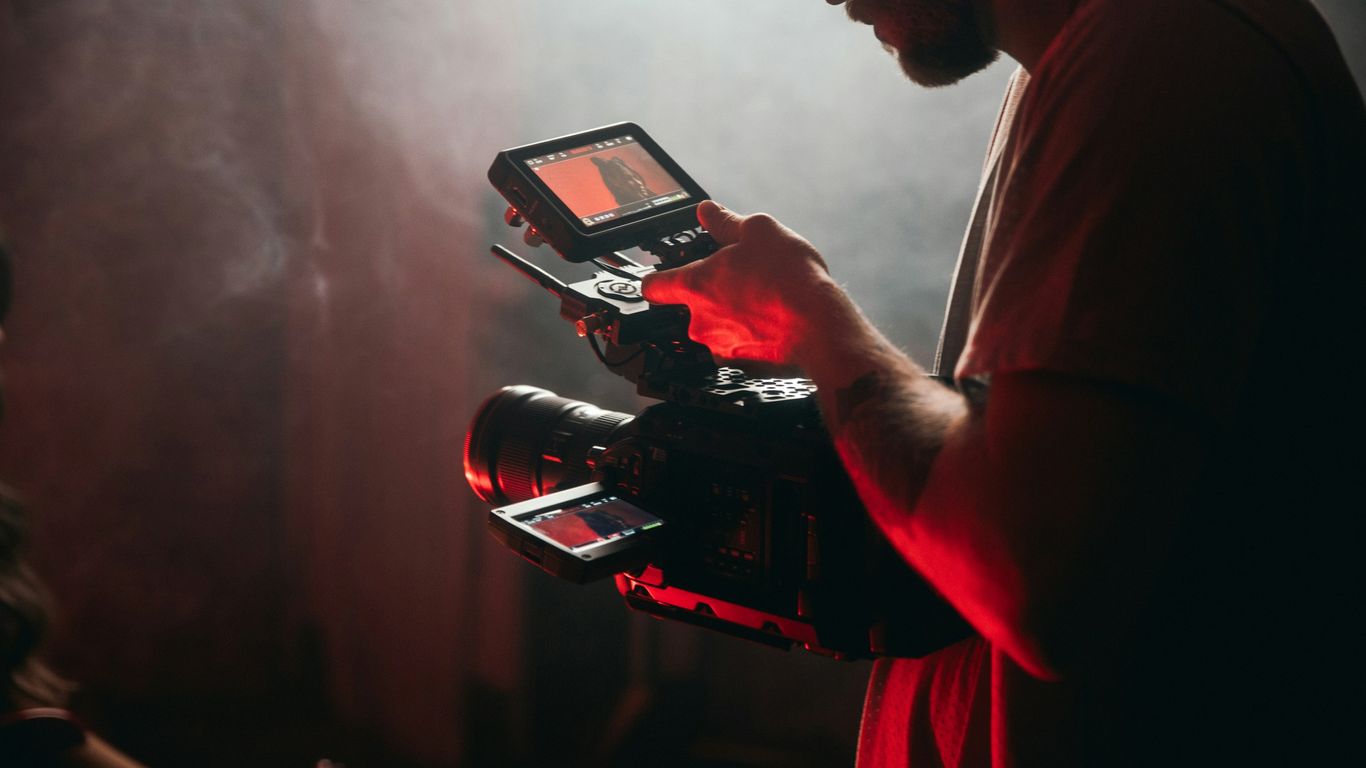
Comparing the FX5 with earlier models is less about declaring a universal winner and more about identifying what has changed in the workflow. The new camera adds features that were not previously available in the Cinema Line FX series, including Open Gate shooting and internal X-OCN RAW recording. It also brings a new stacked sensor and a wider set of recording modes into a compact body.
The following snapshot keeps the comparison focused on the differences most likely to affect a production decision. It is not a substitute for checking the exact requirements of a project, especially around lenses, media, power, rigging, and post-production systems.
|
Production concern
|
FX5
|
Earlier FX workflow
|
|
Sensor approach
|
Newly developed fully stacked CMOS sensor
|
Earlier sensor generations
|
|
Open Gate capture
|
Supported
|
Not previously available in the FX series
|
|
Internal RAW
|
X-OCN recording in-camera
|
Not previously available in the FX series
|
|
Maximum listed frame rates
|
5K up to 60 fps, 4K up to 120 fps, FHD up to 240 fps
|
Varies by model and recording mode
|
The upgrade is therefore most compelling for people who will use Open Gate, internal RAW, higher-resolution capture, or the expanded sensitivity options. If a current camera already covers the required resolution, frame rate, and finishing workflow, the practical gain may be smaller than the headline specifications suggest. A more detailed FX5 comparison guide can help frame the decision around sensor differences, codecs, and use cases.
Conclusion: Is the FX5 Worth the Upgrade?
The FX5 looks like a thoughtful expansion of the compact cinema-camera idea. Its new sensor, more than 15 stops of dynamic range, three base ISO settings, Open Gate capture, and internal X-OCN RAW recording give filmmakers more control over both the shoot and the finishing process. Those are meaningful changes, particularly for productions that need one camera to cover several delivery formats.
Whether it is worth the upgrade depends on the work being done now. A filmmaker who regularly needs flexible crops, internal RAW, high frame rates, or improved options in difficult light may see a clear reason to move up. Someone whose current setup already handles those demands may get more value from investing in lenses, audio, lighting, media, or crew support instead.
The strongest case for the camera is not that every creator needs it. It is that the FX5 brings several serious production choices into a body that remains compact and portable. For the right workflow, that combination can reduce compromises without turning every shoot into a large-scale production.
Plan Your Next Production
If you are planning an event, branded film, or business story, plan a shoot with a production team that can connect camera decisions to the wider content strategy and deliverables.
Conclusion
The FX5 is a flexible full-frame cinema camera for productions that value mobility, recording latitude, and post-production choice; its upgrade makes the most sense when those capabilities solve a real workflow need.
Frequently Asked Questions
What is the FX5 designed for?
It is designed for filmmakers and video creators who want a compact full-frame cinema camera with flexible recording options and production-oriented operation.
What does Open Gate recording mean?
Open Gate recording uses a taller portion of the sensor, providing more image area for reframing and creating versions for different aspect ratios.
Why does internal RAW recording matter?
Internal RAW can preserve more image information for color correction and finishing, though it may require more storage and a more demanding post-production workflow.
How useful are three base ISO settings?
They give the operator additional sensitivity options for adapting to different lighting conditions while maintaining a consistent production approach.
Is 5K recording useful for online video?
It can be useful when editors need to crop, reframe, stabilize, or create multiple deliverables from one source image, even when the final file is delivered at a lower resolution.
Should content creators use high frame rates?
High frame rates are helpful for deliberate slow-motion shots, but they also affect storage, shutter choices, lighting needs, and editing decisions.
What should be considered before upgrading a camera?
Review the actual needs of the project, including resolution, frame rates, autofocus, media, audio, lenses, rigging, power, and the finishing workflow before deciding.