Key Takeaways
Hiring a single team for both still and motion work helps you maintain a coherent narrative while saving significant administrative effort. Here are the five most impactful reasons to consolidate your visual production pipeline.
- Synchronized visual storytelling ensures all marketing assets feel like part of a singular brand universe.
- Simplified management processes reduce the number of stakeholders you need to coordinate.
- Consolidated logistics cut down on equipment transport costs and overall location booking fees.
- Unified scheduling allows the crew to capture multiple formats during short windows of time.
- Integrated asset development builds a robust content library that scales effectively over several fiscal quarters.
The advantages of an integrated production team
When brands plan major content shoots, separating visual disciplines often results in fragmented creative directions and unexpected logistical hurdles. By hiring a combined photographer and videographer, you ensure that every captured frame aligns with your overarching goals, whether the deliverable is a high-impact social media short or a polished corporate headshot. This holistic approach prevents the common issue of mixed lighting styles and inconsistent color palettes across different channels.
Unified brand vision and aesthetic consistency
When a single production crew manages your visual identity, they ensure that the mood, lighting, and composition remain uniform across every platform. This consistency is essential to building trust with your audience, as a disjointed look creates subconscious friction for potential buyers. A unified vision ensures your brand communicates the same values whether someone views a static advertisement or a dynamic event recap.
Streamlined communication and project management
Managing two separate crews often creates an execution gap that leads to wasted time and missed opportunities. By consolidating your efforts, you eliminate the confusion typical of manual lead follow-up systems where project requirements get lost between different vendors. This unified workflow forces better communication, keeping all creative decision-makers on the same page from day one.
Cost-effectiveness and reduced logistics
Consolidating your production tasks allows your business to optimize resources efficiently. Rather than paying separate day rates for two different teams, booking a hybrid crew often results in a more manageable budget structure.
- Shared load-out and setup times maximize the duration spent capturing content.
- Reduced travel costs and accommodation expenses for the production crew.
- Simplified licensing contracts for all photography and videography assets.
These logistical savings allow your team to reallocate funds toward larger-scale creative production or more expansive distribution campaigns.
Assessing technical proficiency and creative style
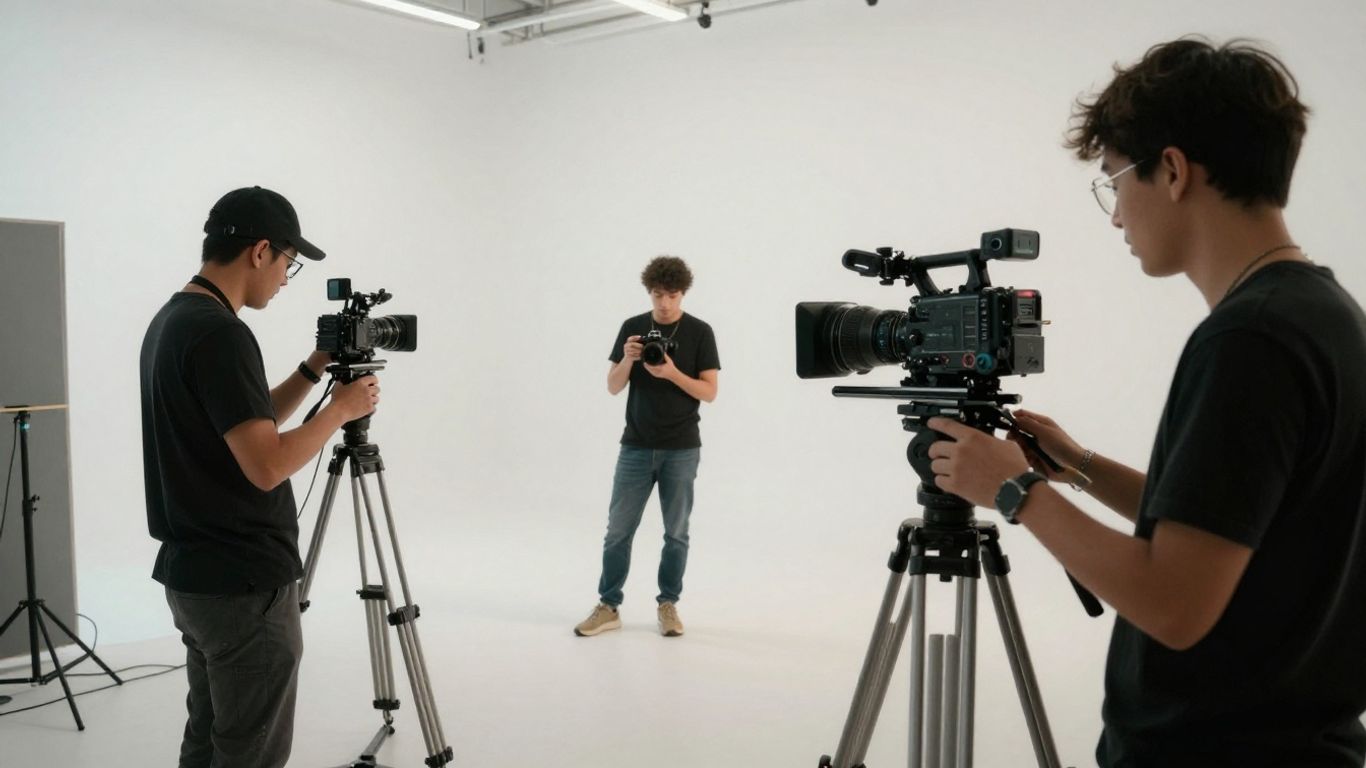
Selecting a technical partner requires more than just browsing a random portfolio gallery. You must look for a team that has a clear history of delivering seamlessly blended visual styles that function effectively across various media formats. When you choose an agency like VG Creations, you ensure your project rests on a foundation of professional reliability and proven results.
Evaluating portfolio quality and diversity
Reviewing a candidate’s portfolio should be about finding proof of versatility. You want to see someone who understands how to photograph a product launch while also staging an interview. This breadth proves they can transition between the intimate focus of photography and the broader storytelling demands of videography without losing quality.
Understanding the importance of lighting and composition expertise
True mastery in production is visible when the photographer and videographer collaborate on light setups. When the same team handles both, they design lighting that works for both high-resolution stills and fluid motion sequences. This ensures you never have to sacrifice the lighting accuracy of one medium for the technical requirements of the other.
Matching creative vision to your brand identity
Your brand identity isn’t just a logo; it is the feeling your content evokes in the customer. A great production partner interprets your unique voice into the visual language of the shoot. Whether you need a corporate setup and procurement process or a cinematic brand film, the team must prioritize your strategy over their own stylistic tropes.
The importance of a professional production workflow
Pre-production planning and strategic goal setting
Effective production begins before the camera is ever unboxed. By defining your strategy early, you ensure the team focuses on capturing assets that solve specific business problems. This planning phase allows for precise timing and clear expectations between the creative vision and the tangible business outcome.
Balancing photography and videography schedules on set
On-set coordination remains the most difficult challenge in photography and videography production. Professional crews manage this by staggering scenes, prioritizing video requirements when movement is needed and shifting to photography during high-detail moments of stillness. This tactical switching keeps the pace moving and prevents your subjects from experiencing fatigue.
Managing post-production timelines and high-quality deliverables
Post-production consumes a large portion of the overall project duration. An experienced team coordinates their editing cycles so your photography stills and video sequences arrive simultaneously. This synchronized delivery ensures you can launch your entire marketing campaign at once without waiting for a disjointed release schedule.
Key questions to ask before booking

Clarifying usage rights and licensing agreements
Before signing, always verify the terms of your intellectual property ownership. You need to know if you are permitted to use the raw files for future social media repurposing or if usage is limited to specific campaigns. Understanding these boundaries ensures your long-term marketing efforts remain protected.
Discussing equipment requirements and onsite team scale
Ask potential partners about the specific gear they plan to employ for your unique needs. A small, nimble crew might be perfect for a startup founder, while large-scale corporate events might require a more expansive camera and lighting kit. This discussion helps define the physical footprint required on your premises.
Confirming communication protocols throughout the project
Clear communication stops small misunderstandings from becoming budget-draining mistakes. Establishing who acts as the primary point of contact is essential for maintaining project momentum. Regular check-ins ensure that if a pivot is needed, the entire team understands the change in priority immediately.
Maximizing ROI through high-quality visual content
How professional imagery drives digital engagement
High-quality visuals serve as the primary indicator of trust for modern consumers before they ever interact with a product or service. When you invest in professional assets, you are essentially purchasing a faster, more effective way to connect with your target market. This imagery acts as the initial handshake in every digital interaction.
Utilizing video effectively for social media and advertising campaigns
Understanding which asset format performs best on specific platforms maximizes your investment. The following table provides a guide for effective usage of your production library:
| Asset Type |
Primary Usage |
Strategic Benefit |
| Corporate Videos |
Company Website |
Builds brand credibility |
| Social Content |
Instagram/TikTok |
Increases audience engagement |
| Product Stills |
Landing Pages |
Improves conversion metrics |
By diversifying your output this way, you ensure that every dollar spent on filming translates into functional marketing material.
Building a cohesive asset library for long-term brand use
If you treat every project as a standalone event, you miss the opportunity to create a sustainable asset repository. A well-planned shoot generates a mix of long-form and short-form content that remains usable long after the initial campaign concludes. This strategy enables you to pull from your library whenever a sudden need for new creative arises.
Navigating the collaborative process
Setting clear expectations for project milestones
Collaboration thrives when both the business and the creative team understand their respective roles. Milestone tracking keeps everyone accountable, ensuring that the production stays within the agreed timeframe. For example, VG Creations relies on clear milestone tracking to keep stakeholders informed of the project lifecycle from script to final color grade.
Managing professional feedback and revision cycles
Effective feedback is objective, timely, and focused on the original project goals. Avoid vague commentary by pointing to specific elements that need adjustment to align with your brand standards. A professional partner should facilitate a structured revision process that isolates creative changes from technical correction needs.
Facilitating effective communication between your team and the creators
Open dialogue between your internal marketing team and the production crew prevents misalignment during the shoot. Giving the production team access to your brand guidelines and previous campaign data helps them make informed creative choices on the ground.
Conclusion
Investing in a consolidated, professional production team like VG Creations provides a distinct advantage by aligning every visual touchpoint with your long-term business goals. By prioritizing strategic planning, consistent lighting, and streamlined communication, you effectively scale your brand presence while optimizing for both time and capital efficiency. As you plan your next campaign, seek a partner who understands that photography and videography should function together as one coherent, result-oriented strategy.
Frequently Asked Questions
Why should I choose a hybrid team over separate specialists?
Choosing a hybrid team ensures creative consistency across all image and video formats, saving you the logistical burden of coordinating multiple vendors or managing conflicting schedules during key production dates.
How do I ensure the crew understands my brand voice?
Provide them with existing brand style guides, previous campaign examples that worked well, and a clear description of your target customer, which gives the professional creators the context they need to align their work.
What should I look for in a photographer and videographer portfolio?
Look for diversity in their work, technical precision in different lighting environments, and a clear ability to capture genuine, authentic moments rather than just staged, artificial scenes.
How much time should I allocate for pre-production planning?
Allocate at least two weeks for a complex shoot, as this period allows for developing storyboards, refining your shot list, and ensuring all stakeholders agree on the project goal before arriving on location.
Do I need to be present during the entire shoot?
While your presence is valuable for final decision-making, it is not strictly necessary if you have a clear plan in place, provided the production lead has authority to make creative decisions based on your predetermined strategy.
How are usage rights usually structured in these packages?
Most professional packages include a license for digital and print distribution, but you should always confirm details about physical outdoor signage or television broadcasting rights to ensure your contract covers your future intended use.
How does video impact my ROI long-term?
Video production contributes to higher engagement levels and serves as a durable content asset that can be indexed on search platforms, helping potential customers discover your business through various organic and paid channels over many months.