Key Takeaways
Promo video services can cover everything from early creative planning to final edits and platform-ready versions. A clear goal, realistic scope, and distribution plan make it easier to get a useful result from the investment.
- Match the video format to the audience and the job it needs to do.
- Confirm what planning, filming, editing, and final versions a provider includes.
- Compare portfolios for relevant work, not just polished visuals.
- Agree on scope, timelines, revision rounds, and usage rights before production.
- Plan where the video will appear and how you will measure its performance.
What promo video services include
Promo video services can span the whole path from shaping an idea to delivering a finished video. The exact scope varies by provider and project, so it helps to discuss each stage instead of assuming every package includes the same work. A well-run process connects the creative choices to a practical business goal.
Creative strategy, scripting, and storyboarding
Early planning turns a general request—such as “we need a brand video”—into a message with a defined audience and purpose. A provider may help shape the central idea, write or refine a script, and map scenes in a storyboard so everyone can picture how the final piece will unfold. This is also the time to decide what the viewer should understand or do next.
Filming, lighting, and sound production
Production involves more than setting up a camera. The crew considers the location, lighting, audio, people on camera, and the visual details that support the story. Careful planning helps the shoot feel organized and gives the editor usable material, rather than leaving important moments or sound problems to be fixed later.
Editing, motion graphics, and finishing
Post-production shapes the recorded material into a coherent piece through editing, sound work, color adjustments, titles, and, where appropriate, motion graphics. The mix depends on the brief: a straightforward interview may need a different finish from a product spot with animated text. For businesses comparing what is included, video editing services can cover items such as color grading, audio mixing, captions, motion graphics, and platform-ready exports.
Versions for social media, websites, and ads
A finished video may need variations for different placements, such as a website, a paid campaign, or a social feed. Aspect ratio, runtime, captions, and opening moments can all affect how the piece works on a particular platform. Ask whether versions are included in the original scope or priced as additional deliverables, then make sure each one has a clear use.
Types of promotional videos businesses can create
A promotional video is a broad format, not one fixed style. A company might need a concise introduction, a product-focused piece, a customer story, or material that explains an event or service. The best starting point is the viewer’s question and the message the business needs to communicate.
Brand and company overview videos
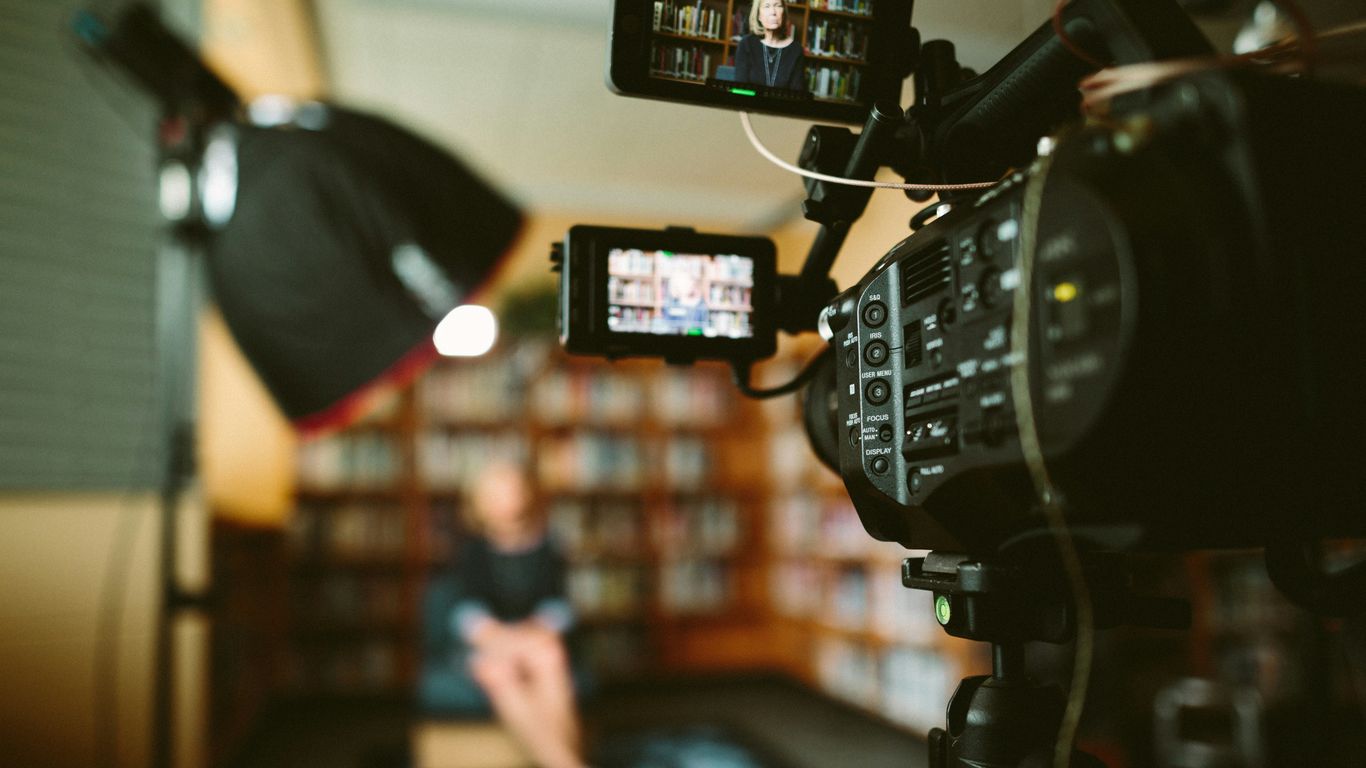
An overview video introduces what an organization does, who it serves, and what makes its work meaningful. It can bring together interviews, workplace footage, and details that make the business feel tangible, rather than relying on a list of claims. VG Creations lists corporate videos among its offerings, alongside commercial, interview, event, and healthcare videos.
For inspiration, look at story-driven promotional video examples and notice how the format supports the central message, rather than copying a particular style.
Product and service commercials
A commercial can focus attention on a product or service by showing what it is, how it fits into a customer’s life, or why a particular feature matters. The creative approach should suit the audience and the decision they are making. A short, energetic piece may be right for one campaign, while another offer needs a clearer demonstration or more context.
Customer testimonials and interviews
Testimonials and interviews let people explain an experience in their own words. The strongest results usually come from thoughtful preparation: agree on the themes, help participants feel comfortable, and avoid scripting answers so tightly that they sound unnatural. Interview footage can also provide useful material for other content, provided the intended uses and permissions are clear.
Event, healthcare, and educational videos
Event coverage can preserve key moments and give people who were not there a way to understand the gathering. Healthcare and educational videos have different needs: accuracy, appropriate language, and care around privacy or sensitive subjects may shape the planning. VG Creations offers event and conference video production, as well as healthcare videos; the details of any project still need to be confirmed in its scope.
How the production process works
A useful production process gives the client and crew shared expectations before a camera is rolling. It typically moves from goals and planning to filming, then editing and approval. Good communication at each stage reduces avoidable surprises and keeps creative decisions connected to the intended result.
Define the audience, goals, and key message
Start by naming the people the video needs to reach and what you want them to take away. A goal might be to explain a service, introduce a company, support an event, or encourage viewers to take a next step. A focused brief helps the provider recommend a format and keeps the project from trying to say everything at once.
Plan the concept, script, and shoot logistics
Once the brief is clear, the team can develop the creative direction and work through practical details such as locations, schedules, participants, and equipment. A compact planning checklist helps catch dependencies early:
- Confirm who needs to approve the concept and script.
- Identify the people, locations, and products required on shoot day.
- Gather brand materials, permissions, and any reference assets.
- Agree on the expected final videos and where each will be used.
These decisions create a more realistic schedule and help everyone arrive prepared. They also make it easier to identify what could affect the budget before production begins.
Film on location or in a studio
The setting should support the purpose of the video and the needs of the people appearing in it. An on-location shoot can show a real workplace or event environment, while a studio can offer a controlled setting. Either way, clarify the schedule, who will be present, and what the crew needs access to so the day can stay focused.
Review edits, request revisions, and approve delivery
After filming, the provider shares an edit for review according to the agreed process. Consolidated feedback from one decision-maker is usually easier to act on than conflicting notes arriving separately. Before approval, confirm that names, captions, branding, and any required information are correct, then check that the final files match the delivery specifications.
How to choose the right promo video provider
The right provider is not simply the one with the most striking reel. Look for a team whose relevant experience, creative approach, communication, and working process fit your project. It can help to compare video production firms against your goals, audience, portfolio needs, and project management expectations.
Review relevant work and industry experience
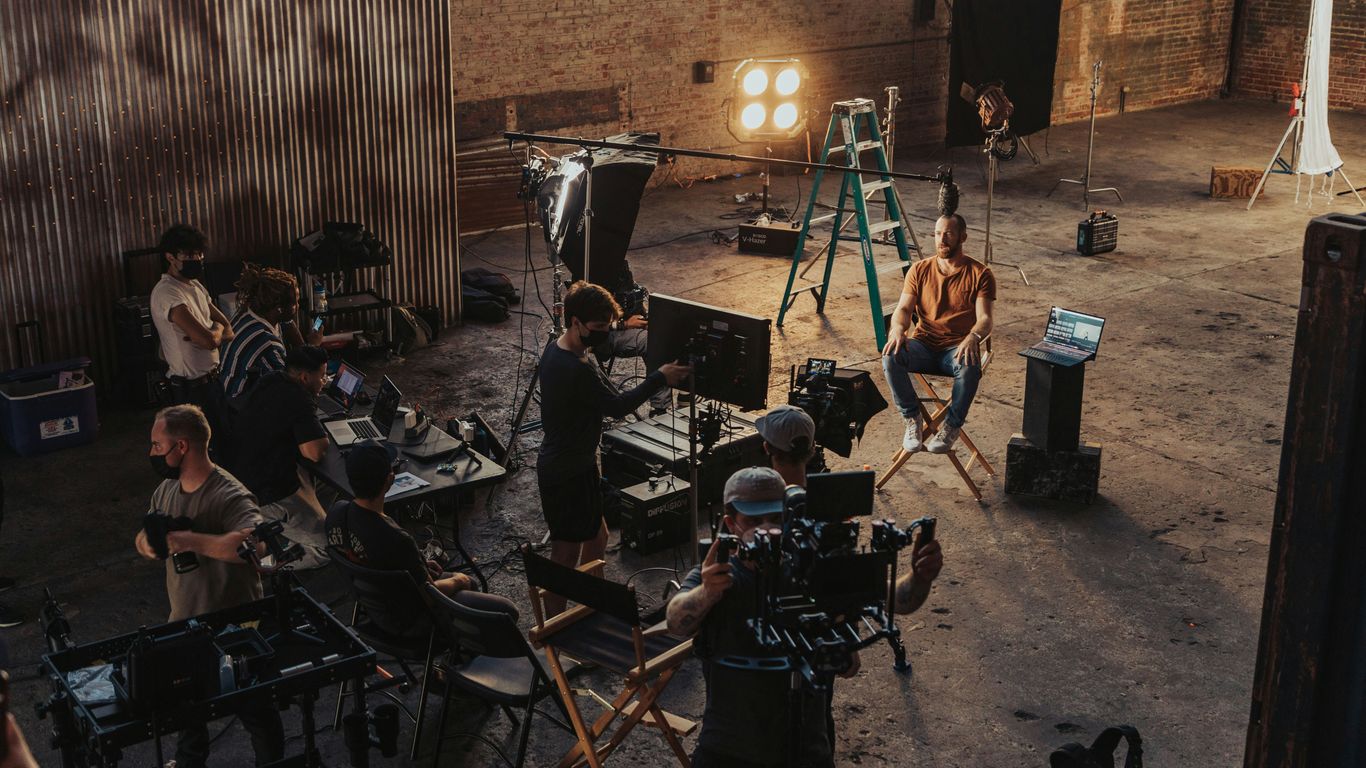
Look for examples that resemble your project in audience, tone, setting, or format. A polished montage can show visual quality, but full examples reveal more about pacing, storytelling, and how clearly a message comes through. Ask what part the provider handled and whether they have experience with the practical needs of your industry.
Compare creative approach and production capabilities
Ask how the provider would approach the brief, what they need from your team, and how production choices will serve the intended audience. Comparing proposals is easier when the criteria are concrete rather than based on taste alone. This simple guide can help structure the conversation:
| What to compare |
Useful question |
Why it matters |
| Creative approach |
How will the concept communicate the key message? |
Shows whether the idea fits the goal and audience. |
| Production plan |
Who will handle filming and what resources are included? |
Makes the working scope easier to understand. |
| Post-production |
Which edit elements and versions are part of the proposal? |
Helps avoid assumptions about finishing work. |
| Project management |
Who gathers feedback and coordinates approvals? |
Clarifies how decisions and revisions will move forward. |
The answers should make it possible to compare providers on more than the final look. Pay attention to whether the proposed process feels suited to your needs and whether the boundaries of the work are clear.
Clarify communication, timelines, and revision limits
Ask who will be your day-to-day contact and when you should expect updates or review links. Timelines depend on the project scope and on how quickly stakeholders can provide decisions, so a realistic schedule should include review time. Clarify how many revision rounds are included, what counts as a revision, and how additional changes are handled.
Check deliverables, usage rights, and service area
Before signing, confirm the final file types, aspect ratios, caption needs, and any raw footage or project files included. Discuss where and how the video may be used, including any relevant rights or licensing terms. Also confirm location logistics: VG Creations lists a Miami studio and identifies Palm Beach County as a service area, details a local client may want to discuss when planning a shoot.
What affects promo video pricing and timelines
There is no single price or turnaround that fits every promo video. Cost and schedule depend on the creative scope, filming requirements, post-production, and the number of people involved in approvals. A useful estimate makes these assumptions visible so you can compare proposals on similar terms.
Scope, runtime, and number of final versions
A longer video may call for more interviews, scenes, or editing, but runtime alone does not determine the workload. The number of final versions matters too: a main edit plus platform-specific cutdowns can require additional editing and review. Define the core deliverable first, then list any variations that should be included.
Crew size, locations, and production complexity
A simple shoot with one location and a small number of participants has different logistical needs from a project involving multiple sites, event coverage, or several production setups. Travel, access windows, scheduling, and specialized equipment can affect both cost and calendar time. Share these details early so an estimate can reflect the real conditions of the shoot.
Editing, animation, and other post-production needs
Editing effort can vary with the volume of footage and the desired finish. Captions, graphics, sound mixing, color work, and animation may add steps, particularly when they need multiple rounds of review. Be specific about which elements are essential and which are optional so the proposal prioritizes the work that matters most.
Review cycles and turnaround expectations
The production schedule is shaped by more than the shoot date. Stakeholder availability, legal or brand review, and the time needed to consolidate feedback can all affect delivery. A clear review calendar and a named approver help keep the process moving without rushing important decisions.
How to get more value from a promotional video
A video becomes more useful when it is planned as part of a broader communication effort rather than treated as a one-time deliverable. That means deciding how it will be used, preparing for distribution, and choosing meaningful ways to evaluate it. Plan for reuse early so the original shoot can support more than one placement where appropriate.
Match the format to the platform and audience
Think about how people will encounter the video and what they need to understand in that moment. A website visitor may be willing to watch a more complete explanation, while a social viewer may need context immediately. The point is not to force every message into the shortest possible cut, but to make the format suit the viewer and setting.
Plan distribution before production begins
Decide which channels matter, who will publish the video, and what action should follow a view. Those choices can inform runtime, captions, calls to action, and delivery formats while the project is still being planned. A distribution plan also makes it easier to plan video marketing around business goals, format, publishing, and performance measurement.
Repurpose footage into shorter content
When planning permits, interviews and shoot footage may yield additional edits for different uses. Discuss this before filming, since the crew may need to capture extra answers, details, or framing to make those versions work. VG Creations provides video editing services that include short-form reels and platform-ready exports, so clients can ask which edits are available for their project.
Track engagement, leads, and other campaign KPIs
Choose measures that reflect the purpose of the video. Views can indicate reach, while watch time, clicks, inquiries, or conversions may offer more context depending on the campaign. Compare results with the goal and distribution plan, and use what you learn to make practical adjustments to future videos.
Conclusion
Choosing promo video services is ultimately a matter of matching the creative work to a real business need. Define the audience and message, compare providers on relevant work and clear project terms, and plan distribution before filming begins. With expectations aligned from the start, a promotional video can become a useful asset rather than a file that gets published once and forgotten.
Frequently Asked Questions
What are promo video services?
Promo video services are professional support for planning and producing a video intended to promote a business, product, service, event, or idea. Depending on the provider and scope, the work may include creative planning, filming, editing, and delivery.
What should a promotional video include?
It should include a clear message suited to its audience and purpose. The specific content may include interviews, product footage, workplace scenes, event moments, or graphics, depending on the format and brief.
How long should a promotional video be?
There is no universal ideal runtime. Choose a length that communicates the message clearly for the platform and audience, and consider creating different versions when the video has several distinct uses.
How much do promo video services cost?
Pricing depends on the scope, production requirements, number of versions, post-production needs, and review process. Request a proposal that states what is included, what is optional, and how extra work is priced.
How long does it take to produce a promo video?
The timeline varies with planning, shoot logistics, editing, and feedback. A provider can give a more useful estimate once the deliverables and review schedule are defined.
What should I ask a video production provider?
Ask about relevant portfolio examples, the production plan, included deliverables, revision rounds, timelines, usage rights, and communication. Make sure the proposal explains what your team needs to provide and approve.
Can one shoot produce videos for several platforms?
It may be possible, but it should be discussed during planning. The crew may need to capture material in ways that support different aspect ratios, runtimes, or edits, and those versions should be listed in the project scope.