Key Takeaways
Short educational content offers a streamlined way to convey complex information while maintaining viewer attention. Implementing a deliberate strategy can help educators and organizations build deeper connections, increase clarity, and achieve consistent learning outcomes.
- Prioritize micro-learning to improve student retention rates.
- Use story-driven visuals to contextualize difficult material.
- Implement interactive elements to keep learners engaged.
- Establish a clear production workflow to maintain quality.
- Utilize analytical data to refine future video projects.
The pedagogical benefits of short-form educational content
Enhancing knowledge retention through micro-learning
Breaking down broad subjects into smaller, focused segments helps align information with the natural attention spans of modern learners. By utilizing short educational videos for students, instructors can create high-impact moments that focus on specific learning objectives without overwhelming the audience. This method ensures that critical concepts are delivered efficiently, often resulting in higher rates of material absorption.
Improving accessibility for diverse learning styles
Different students process information in unique ways, making the adaptability of video essential for inclusive classroom environments. Video content allows learners to review complex explanations at their own pace, which supports both visual and auditory processing styles more effectively than static lectures alone. Ensuring that content is accessible requires attention to pacing and clarity, similar to how VG Creations approaches professional video design to maximize reach and utility.
Reducing cognitive load for complex topics
When we simplify dense educational material into byte-sized visual narratives, it becomes significantly easier for students to synthesize abstract ideas. Strategic editing removes unnecessary fluff, allowing the core instructional message to shine through during the viewing process. By managing sensory input closely, creators help students maintain focus on the intended lesson rather than getting distracted by peripheral clutter.
Increasing student engagement in digital environments
Maintaining active participation in a digital classroom requires visuals that capture interest immediately. When content is optimized for brevity, students feel more empowered to engage with the material rather than feeling pressured by long-form demands. This creates a supportive environment where learners feel confident tackling new topics because the medium itself is approachable.
Essential elements of effective educational videos
Defining clear learning objectives for each clip
Every piece of content must have a singular purpose to ensure students know exactly what they are expected to learn. When the objective is identified early, the creator can strip away non-essential information and tailor the script to hit the target outcomes directly. This level of intentionality is essential when developing brand-aligned assets, much like how a VG Creations strategist would recommend mapping out goals prior to production.
Using visual storytelling to reinforce conceptual understanding
Abstract ideas often fail to translate well when presented only as text or audio tracks. Integrating imagery, metaphors, and clear transitions creates a narrative flow that helps students visualize how concepts connect in the real world. This approach makes even the most daunting topics feel grounded and understandable to a younger or less familiar audience.
Incorporating interactive elements to encourage active participation
Passive watching rarely leads to deep learning, which is why adding interactive layers can bridge the gap in student comprehension. Whether through integrated quiz questions or reflective prompts within a media player, interactive elements force the brain to recall information immediately. This active recall process strengthens memory and helps instructors identify what students honestly grasp versus what they might still find confusing.
Maintaining a consistent tone that resonates with the target age group
Consistency in voice and visual style builds trust over time, keeping the student focused on the education rather than the production quality. A friendly, reliable tone makes it easier for students to connect with the instructor, and having a standardized look for videos creates a familiar environment. By keeping the delivery style stable across multiple lessons, learning providers ensure that the content remains the focal point for their audience.
Pre-production and planning for student-focused content
Drafting a script that prioritizes brevity and clarity
The script serves as the backbone of every educational project, determining how effectively a message will land with the viewer. Concise writing avoids the pitfalls of jargon and excessive preamble, keeping the lesson moving forward at a pace that encourages sustained attention. Consider the following structural components when you begin drafting your next lesson plan:
| Production Phase |
Key Focus Area |
Goal |
| Research |
Audience Knowledge |
Empathy |
| Drafting |
Core Objective |
Clarity |
| Feedback |
Structural Flow |
Value |
After finalizing the script, creators can move forward knowing that each scene serves a deliberate purpose in the student’s journey. This structured preparation helps ensure that technical efforts are focused on the most important segments of the presentation, improving the overall quality of the final export.
Storyboarding visuals to outline the instructional flow
Visual planning allows instructors to see the rhythm of their lesson before a single camera starts recording. Mapping out transitions and graphic placements ahead of time ensures that the final video feels cohesive and professional. It prevents the need for excessive re-shoots later in the process and creates a predictable path for the viewer to follow from start to finish.
Selecting appropriate locations or studio setups for higher production value
Where you record impacts how seriously your audience takes the content being shared. A clean, organized, and adequately lit environment minimizes visual distractions, allowing the instructor to become the focus of the lesson. For organizations looking to mirror professional standards, VG Creations emphasizes that studio space should be as functional as it is aesthetic, supporting both equipment efficiency and viewer concentration.
Preparing pedagogical props and on-screen graphics
Visual aids that reinforce the spoken word help cement the lesson in the student’s mind. Whether using physical demonstrations or digital overlays, these elements bring theoretical points to life in a more tactile way. When students see a concept written clearly or explained through a prop, their understanding tends to deepen significantly.
Best practices for post-production and editing
Implementing pacing techniques to keep students focused
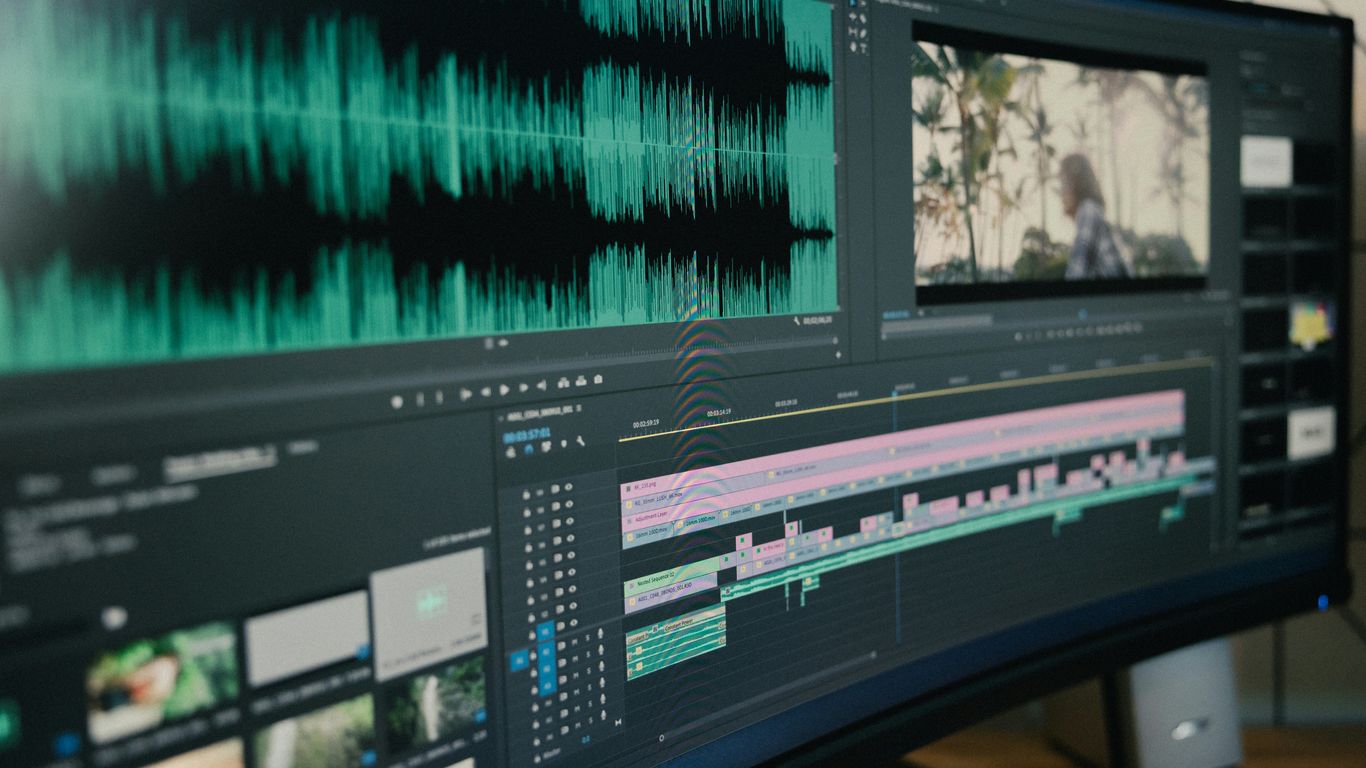
Editing choices significantly influence how long a student stays engaged with a particular lesson. Rapid cuts can build energy, while longer, steady shots allow complex definitions space to sink in. Master editors often use a deliberate, rhythmic approach that keeps the lesson moving without forcing the viewer to sprint through vital information.
Using text overlays to highlight key definitions and terminology
Auditory memory is often supported by strong visual reinforcement through on-screen text. By displaying key terms as they are mentioned, teachers account for diverse learning preferences and reinforce proper spelling and technical vocabulary usage. This is particularly helpful when introducing complex subjects where the vocabulary is as important as the concept itself.
Incorporating high-quality audio to ensure clear information delivery
Poor sound quality is the fastest way to lose an audience, regardless of how great the visuals are. Clear audio ensures that instructions are heard without effort, preventing listener fatigue. When sound is crisp and balanced, the viewer is free to focus on the educational value instead of straining to hear the speaker.
Applying dynamic b-roll to maintain visual interest throughout the lesson
Shifting the visual focus periodically prevents student minds from wandering during long stretches of talking-head footage. B-roll clips provide vital context, supporting the lesson with examples that illustrate the point being discussed. When executed well, these transitions feel natural and serve to deepen the overall narrative rather than simply acting as filler.
Incorporating short-form video into modern curricula
Integrating video clips into existing lesson plans
Embedding video into a broader syllabus creates a multi-modal learning experience that keeps students active. Instead of relying on a lecture-only format, teachers can use video to introduce a new topic, provide a breakdown of historical context, or offer a visual summary after a discussion. This makes the classroom feel dynamic and responsive to different learning needs throughout the school year.
Using videos to introduce new units or bridge complex curriculum gaps
Sometimes a new unit needs an emotional or historical hook to grab students’ attention right away. A well-produced short film can provide that spark, simplifying the bridge between familiar material and new territory. This helps students feel confident that they have the background knowledge necessary to succeed in their upcoming studies.
Creating accessible libraries of content for student review
Building a persistent library of lessons allows students to revisit material at their convenience, reinforcing their mastery of previous topics. Having an accessible bank of resources means that learning does not stop when the class ends. This self-paced review is fundamental for students who need more time to digest complex technical details, ensuring no one is left behind.
Leveraging videos for flipped classroom models
In a flipped model, students consume instructional content as homework and engage in practical, collaborative problem-solving during class time. This reverses the traditional workflow and turns the classroom into a hub of deeper inquiry. High-quality, short instructional videos make this model possible by ensuring that the primary teaching happens in an engaging, time-efficient way before students even walk through the door.
Measuring learner engagement and educational outcomes
Tracking view completion rates to identify drop-off points
Analytics provide concrete data on whether your content is actually holding the attention of your students. If students consistently stop watching at a specific timestamp, it is time to reassess the script or production value of that section. This data-driven approach is essential for long-term improvement, as it validates what works and what needs adjustment.
Using assessment data to evaluate comprehension of video content
When combined with low-stakes testing, video analytics help measure the link between viewing time and subject mastery. The goal is to see if students who watch fully are demonstrably better at answering questions than those who do not. Evaluating this performance allows for more targeted curriculum design and provides a path to verify the utility of your digital materials.
Gathering qualitative feedback from students on clarity and utility
Sometimes the best way to understand if a lesson is effective is simply to ask those experiencing it. Student surveys or simple check-ins can reveal frustrations with pacing or tone that analytics might miss. Qualitative input provides the human context that builds a better, more supportive educational strategy moving forward.
Analyzing long-term performance trends across different subject areas
Beyond individual lessons, looking at long-term engagement trends reveals how different types of content resonate over the semester. This helps determine which visual styles or instructional strategies are most impactful for specific topics. Understanding these patterns ensures that your educational strategy remains robust, scalable, and genuinely student-centric for years to come.
Conclusion
Developing high-impact educational content is a process of balancing pedagogical goals with the need to keep students engaged. By focusing on brevity, visual clarity, and data-driven improvements, you can build a repository of resources that support genuine academic growth. Consistency is key when providing these materials, ensuring that every piece of media serves the broader goal of fostering an environment of curiosity and academic success.
Frequently Asked Questions
What is the ideal length for a short educational video?
Most evidence suggests that segments between three and eight minutes are the most effective for keeping students focused. This length allows for deep enough exploration of a sub-topic without taxing the student’s attention span.
Should I focus more on production quality or content accuracy?
Both are vital, but content accuracy must always be the foundation. Higher production quality helps with perception and engagement, but it cannot make up for information that is incorrect or poorly structured.
How often should I update my educational video library?
Reviewing your library annually is a good baseline to ensure information remains current. As curricula change or new feedback arrives, you might find specific clips require updates to keep them relevant.
Are interactive elements distracting to students?
When properly integrated, interactive elements enhance focus rather than distracting from it. The goal is to design prompts that help the student process the information they just heard, rather than interrupting the natural flow of the material.
How can I make my videos accessible for all students?
Including closed captions is essential for accessibility and also helps students who learn better while reading. Ensuring your visual contrast is high and avoiding overly cluttered scenes also improves the experience for a wide range of needs.
Is it better to use professional equipment or DIY gear?
Equipment choice should depend on your goals and the scale of your project. While high-end gear can provide a polished look, a simple setup with excellent audio is often sufficient for most day-to-day educational content.
Can students be involved in the creation process?
Including students in the creative process is a fantastic way to increase engagement and ownership. Giving them creative input allows them to understand the concepts from a new angle and empowers them to help shape their own learning materials.