Key Takeaways
Launching a successful podcast requires a blend of intentional planning, professional gear, and strategic post-production to ensure your message resonates with your audience. Here are the core pillars of a high-quality show:
- Define your target demographic to tailor content that builds genuine authority.
- Use cinema-grade lighting and clean audio capture to establish immediate credibility.
- Implement a modular episode structure that balances informative segments with engaging narrative flow.
- Leverage post-production workflows to transform raw recordings into polished, short-form marketing assets.
- Monitor performance data periodically to adapt your content strategy based on listener behavior.
Defining the studio 2 podcast format
Developing a specialized format for your studio 2 podcast requires more than just picking a subject and starting a microphone. You must intentionally design the flow to keep listeners engaged and ensure your brand voice remains consistent across every release. By clarifying your objective, you turn an audio recording into a reliable asset that reinforces your company identity.
The evolution of the interview-based episode
Interviews have transitioned from simple Q&A sessions into dynamic conversations that reveal expertise and humanize your brand. Unlike traditional radio styles, modern interview-based productions prioritize active listening and organic flow over rigid scripts. This evolution favors deep dives where the guest’s unique insights become the real value proposition for your audience.
Identifying the target audience and niche
Defining your specific listener group prevents your content from becoming too broad to be effective. When you understand exactly who you are speaking to—whether they are industry peers, potential clients, or specific demographic segments—you can curate topics that directly solve their problems or address their interests. Focusing on a narrow niche, as explored in tools like the production needs guide, ensures that every episode speaks directly to the needs of your ideal audience.
Setting the tone and narrative style
Choosing a tone that matches your brand personality is essential for long-term consistency. Your narrative style might lean toward educational and formal or casual and conversational, but it must remain steadfast to earn listener trust. VG Creations helps businesses align this tone with their broader marketing goals by ensuring the presentation style is congruent with their professional identity.
Key elements that distinguish professional productions
Professional shows rely on high-quality delivery and a predictable experience for the audience. The difference between a hobby project and a professional production often comes down to the quality of the technical execution and the structural integrity of the content. You can master these foundations by reviewing the steps outlined in the podcast production guide to ensure a high-quality output.
Essential equipment for a professional-grade setup
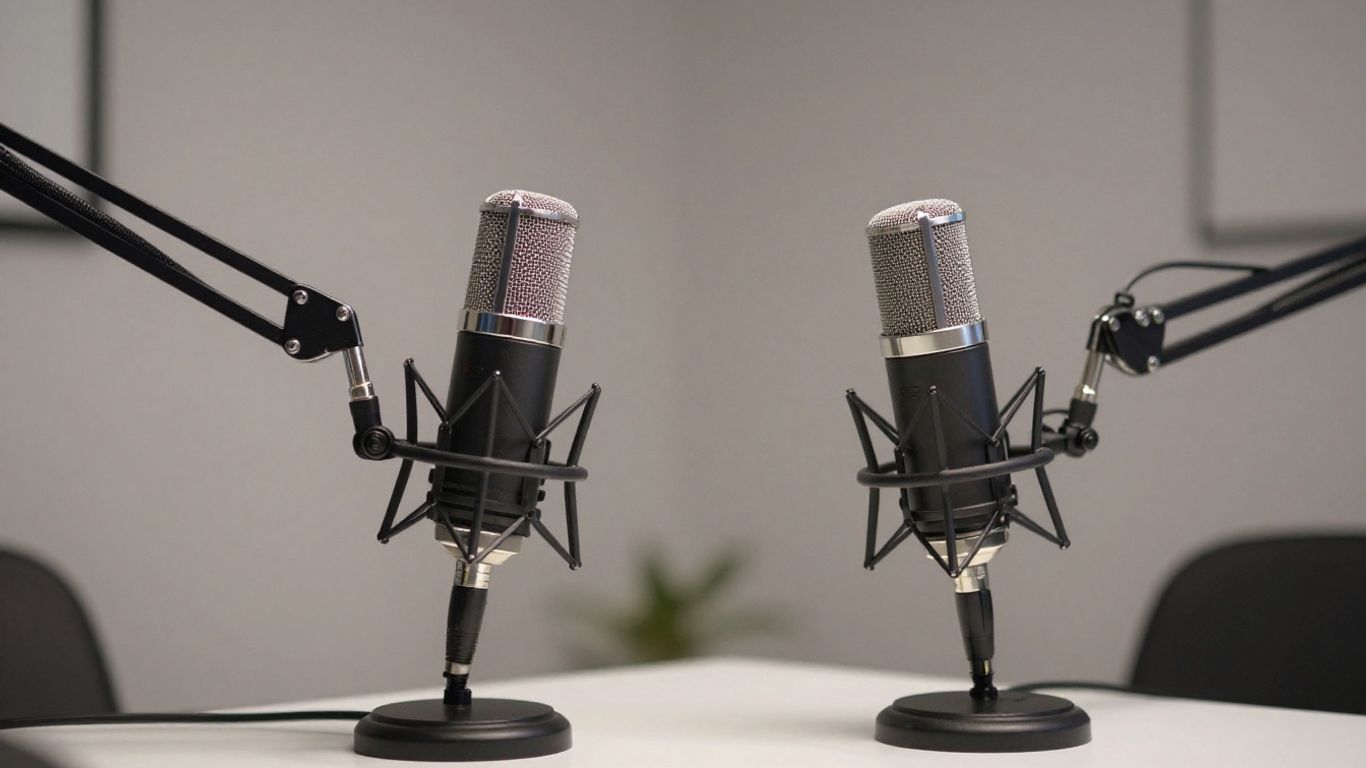
Selecting the technology behind your recordings directly impacts how effectively your message reaches the listener. A professional setup prioritizes reliability and audio-visual clarity, as these technical choices define the final output’s quality. VG Creations emphasizes that your hardware choices should support your strategic objectives rather than just providing status.
Choosing the right microphones for crisp audio
Great sound is non-negotiable for a podcast. Dynamic microphones are often the preferred choice for studio environments because they are excellent at rejecting background noise and capturing the richness of human speech. Integrating a high-quality audio interface further ensures that this clarity reaches your digital files without degradation.
Camera systems for multi-angle video recording
Today, visual elements are as important as sound. Establishing a multi-angle recording setup allows for a more dynamic viewing experience, letting you switch between wide shots and close-ups to mirror the rhythm of the conversation. Proper video capture creates additional content opportunities, such as short-form clips for social media promotion.
Lighting setups for a cinematic look
Lighting is what separates amateur home videos from a cinematic broadcast. Using a standard three-point lighting system—key, fill, and backlighting—adds depth and avoids harsh shadows. For those searching for aesthetic upgrades, the collection available from pendant lights can provide both functional illumination and visual appeal for your studio setting.
Audio interfaces and mixing boards for reliability
Reliability in your signal chain keeps the production phase smooth. A stable audio interface provides the necessary conversion to ensure that your digital files maintain high fidelity throughout the recording session. Organizations often find that coordinating their hardware requirements requires a methodical approach, much like the steps covered in the training video production guide.
Designing your recording environment
Building a space that sounds as good as it looks is central to successful production. Your recording environment affects both the technical quality of the raw tracks and the comfort levels of the individuals participating in the conversation. By investing in the physical space, you can reduce the amount of time spent on remedial post-production.
Acoustic treatment for studio-grade sound
Sound treatment prevents echoes and ensures your audio is dry and clean. Utilizing foam panels, bass traps, and heavy fabrics transforms a room by absorbing reflections that otherwise create amateurish sound quality. Treating your environment creates a more intimate, professional auditory result that translates well for listeners.
Aesthetic considerations for visual branding
Your studio environment is a visual extension of your brand, and every background detail contributes to the overall impression. Curating your set, from wall accents to furniture placement, helps establish trust with your audience. When planning your aesthetic, keep these branding considerations in mind:
| Element |
Purpose |
Impact on Audience |
| Background Design |
Reinforces Identity |
Higher perceived quality |
| Color Palette |
Mood Setting |
Increased brand recognition |
| Lighting Quality |
Visual Focus |
Improved viewer retention |
By ensuring these elements are consistent with your overall professional videography tips, you can create a space that feels intentional and authoritative.
Ergonomic furniture for host and guest comfort
Comfortable guests are significantly more engaged and better at articulating their thoughts. Providing ergonomic seating ensures that participants can focus on the discussion rather than physical discomfort. When your guests are physically relaxed, the recording process feels less like a task and more like a productive conversation.
Managing cables and power distribution for a clean look
Visible cables and tangled power strips detract from your studio professionalism. Integrating cable management systems—such as floor channels or under-desk organizers—maintains a tidy environment that looks great on camera. A clean, organized space speaks to a meticulous approach to production which is vital for any growing brand.
Pre-production and planning your episodes
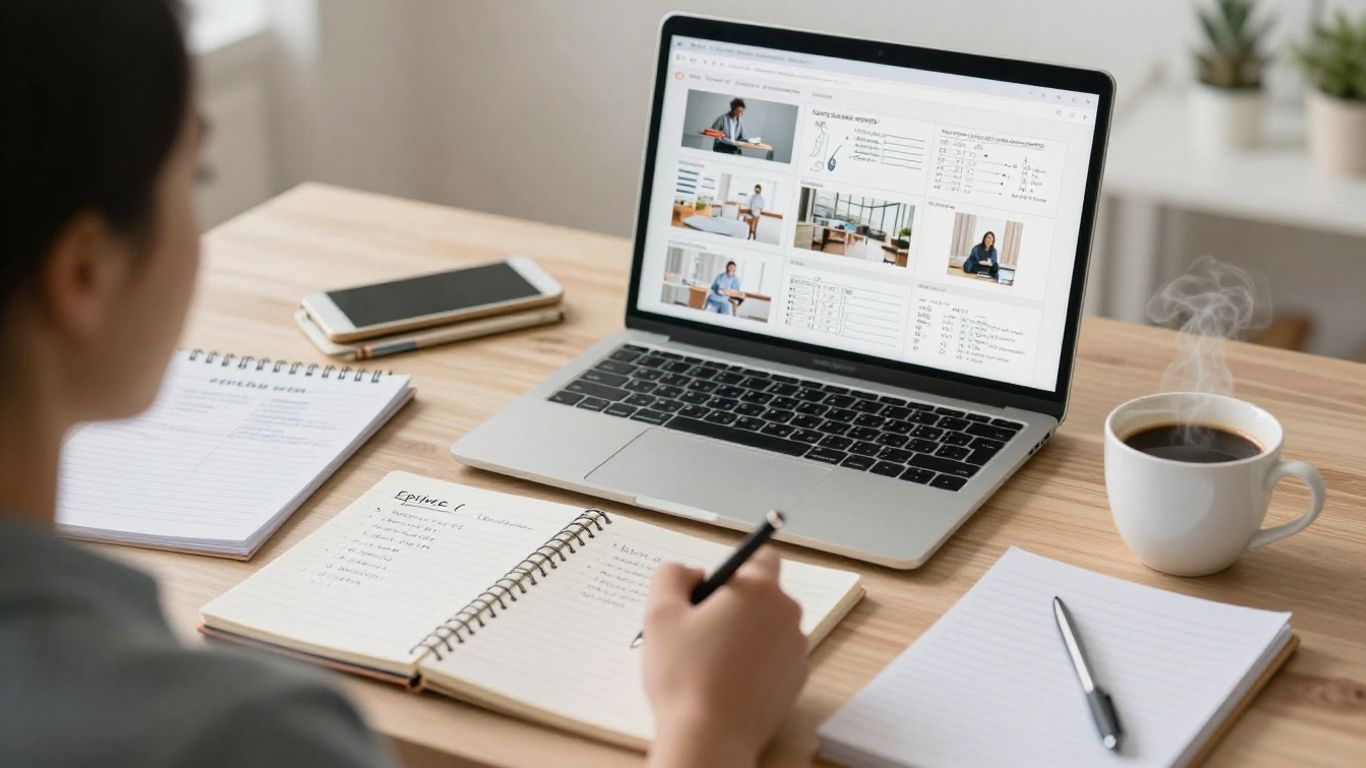
Planning your episode content before hitting the record button is the best way to ensure your time is used effectively. Many creators miss the mark by jumping into production without a clear agenda, leading to disjointed interviews that offer little value. VG Creations suggests that every recording should be viewed as a building block in your overall content strategy.
Developing consistent episode structures
Consistency provides the framework for audience growth. By maintaining a standard structure, listeners know what to expect and can easily follow the flow of information. You might consider an outline that covers the following core components:
- Welcome and context setting to establish topic relevance.
- Main segments designed for deep-dive discussions.
- Summary of takeaways or actionable advice.
- Final wrap-up and information on resources.
Adopting this type of structure ensures your recordings stay on track during every productive session.
Crafting engaging and thought-provoking interview questions
Questions serve as the bridge between surface-level answers and deep insights. By preparing open-ended questions ahead of time, you guide the conversation toward topics that are useful and entertaining for your audience. Well-crafted questions demonstrate that you have done your research, building a deeper connection with your guest.
Scheduling guests and managing recording logistics
Logistics can be a major hurdle if not handled early. Managing guest schedules, confirming technical setups, and ensuring guests understand the goal of the podcast all contribute to a smooth recording. Proactive communication minimizes delays and allows you to maintain momentum across your publishing calendar.
Creating show notes and supplementary digital content
Show notes provide an opportunity to capture value long after an episode ends. By summarizing key points and linking to additional resources, you help listeners apply what they have learned. Effective show notes also provide SEO benefits, making your studio 2 podcast discoverable for new audiences who search for your expert topics.
Mastering post-production for audience retention
Post-production is the final stage where your raw potential becomes a polished asset. The goal of this phase is to eliminate distractions and enhance the clarity of the message, ensuring the final deliverable speaks with the authority your brand deserves. Leveraging professional post-production techniques enables you to maximize the value of your existing content library.
Advanced audio editing and leveling techniques
Cleaning up audio involves more than just removing mistakes; it requires balancing volumes so that both the host and guests sound clear. Normalizing audio levels helps maintain an even listening experience, preventing the audience from having to adjust their volume while listening. Consistent sound quality is a hallmark of professional production excellence.
Color grading for a polished and professional video output
Color grading balances your footage to ensure colors look natural and consistent across your episodes. A subtle grade can add a cohesive "look" that matches your brand’s color palette, creating a more visually engaging experience. This extra step helps transform standard footage into high-authority video content.
Adding motion graphics and branding elements
Motion graphics elevate the production value by providing visual structure, such as lower-thirds identifying guests or intro transitions. These branded elements keep the viewer oriented and reinforce your logo and identity. When you strategically add these touches, your episodes look and feel like refined media products.
Preparing short-form video clips for social media promotion
Short-form clips are powerful tools for driving traffic back to your full-length episodes. Extracting the most engaging moments into short, vertical videos makes it easier for your audience to discover your brand on social platforms. Using this strategy is essential for social media marketing success, often reflecting the insights provided in effective social media plans.
Distributing and growing your podcast
Once your production is finalized, distribution becomes the focus. Reaching your audience requires more than just uploading a file; it involves choosing the right platforms and optimizing your presentation to stand out in a crowded market. VG Creations supports this by helping you define how each asset fits into your overall business strategy.
Selecting the right hosting and distribution platforms
Your choice of hosting platform determines how your RSS feed is managed and how listeners experience your show. Reliable platforms provide the metrics you need to understand performance and facilitate wide distribution across major directories. Matching your platform to your growth goal ensures your content is accessible where your audience already spends their time.
Optimizing your feed for discoverability and SEO
Optimization starts with descriptive titles, keywords, and accurate show notes that help algorithms categorize your content correctly. By integrating relevant search terms into your episode descriptions, you simplify the process for new listeners to discover your show. This discovery is a central piece of building a larger brand authority.
Strategies for building a loyal and engaged fan base
Building engagement involves responding to comments, acknowledging your listeners, and ensuring your community feels part of the conversation. Authenticity forms the foundation of this connection, allowing you to move beyond passive listeners and toward active community members. You can find guidance on deepening these connections through social media content strategies.
Leveraging analytics to refine your content strategy
Analytics provide the feedback loop required to improve. Metrics like retention rate and listen-through percentage reveal what parts of your episodes resonate and where you might need to adjust your format. By regularly reviewing performance, you ensure your future episodes continuously deliver more value to your audience.
Conclusion
Launching a high-quality studio 2 podcast involves balancing technical technical rigor with an intentional focus on your strategic goals. By preparing your environment, equipping your studio effectively, and planning your narrative, you ensure that every episode contributes to building authority and trust with your brand audience. Through persistent effort and thoughtful distribution, you create a resource that serves your business and provides lasting value to your community.
Frequently Asked Questions
How often should I release a new episode?
Consistency is more important than raw frequency, so choose a schedule you can maintain indefinitely while focusing on content that provides genuine value to your listeners.
Do I need a full studio to start?
While high-end gear assists with quality, professional results are attainable with a quiet, treated environment and focus on standard, clear audio and video fundamentals.
How long should each podcast episode be?
Episodes should be as long as necessary to cover the topic well, but most listeners appreciate focused content between 30 and 45 minutes.
What are the most important metrics to track?
Focus on completion rates, subscriber growth, and listener feedback to understand which topics gain the most traction with your target audience.
Can guests participate remotely?
Remote interviews are effective with high-quality cameras and microphones, provided you maintain a stable internet connection and guide your guests on basic technical hygiene.
How do I encourage listener engagement?
Ask clear questions during your recording, invite feedback in your show notes, and consistently involve your community through social media platforms.
Is video necessary for a podcast?
While audio-only is possible, adding video allows you to generate multi-platform content assets which significantly increases your discoverability and audience reach.
