Key Takeaways
Optimizing your video strategy ensures your success in building brand authority and driving long-term growth. Follow these five primary takeaways to improve your approach.
- Prioritize authentic customer stories that highlight genuine results over scripted testimonials.
- Use controlled lighting and clear audio to ensure your high-quality content appears professional.
- Incorporate B-roll footage to provide visual context that keeps the viewer engaged throughout.
- Distribute testimonial content strategically across websites, email campaigns, and social media platforms.
- Partner with experts who treat video production as a growth strategy to maximize your return on investment.
The importance of testimonial videos in modern marketing
Marketing in a crowded digital space requires more than just high-quality graphics and clever copy. Modern audiences seek human-to-human connection and reliable proof before making a buying decision, making the testimonial video a vital asset. By capturing a genuine voice, businesses can bridge the trust gap more effectively than with any other medium. At VG Creations, we focus on helping brands create testimonial video production services that turn stories into long-term strategic assets.
Building trust through authentic social proof
Authenticity sits at the heart of every successful customer story because it validates a brand promise through an independent voice. Viewers are quick to spot staged or insincere content, so prioritizing the genuine experience of your client is essential for building real rapport. When a customer speaks from their own perspective, they provide a layer of social proof that no traditional advertisement can replicate.
How video impacts consumer purchasing decisions
Video content bridges the gap between initial interest and final purchase by providing a tangible demonstration of value. Many potential clients visit a website seeking not just information, but the reassurance that they are making the right choice for their specific needs. By showing a customer achieving success, you effectively reduce the perceived risk for new prospects.
Increasing brand credibility over text-based reviews
While written testimonials are useful, they lack the emotional resonance and personal credibility that a visual record provides. When a viewer sees the speaker’s body language and hears their tone, the information becomes far more persuasive. This method of Video testimonials captures nuance that mere text cannot convey, signaling to the world that your brand stands behind its work.
Preparing your strategy for a testimonial video shoot
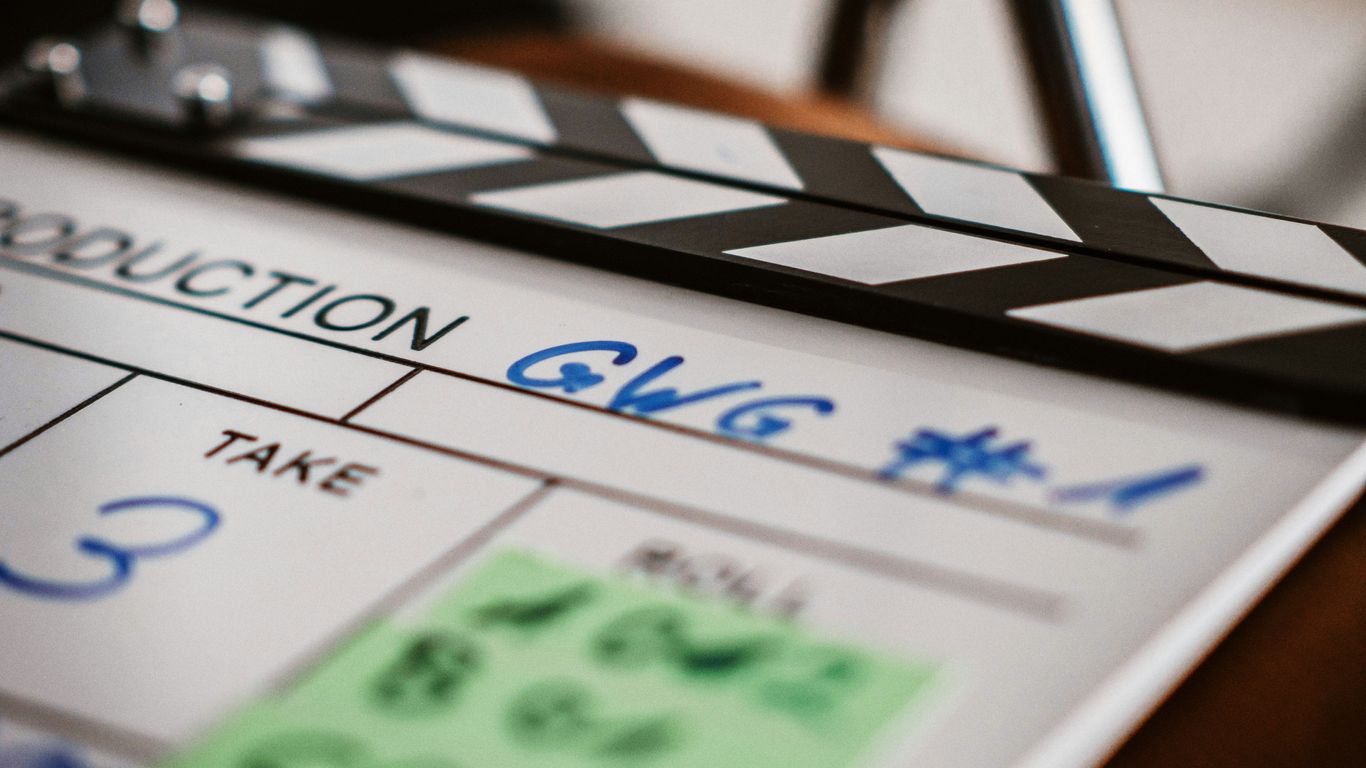
Successful production begins long before a camera is ever turned on or a light is switched to full power. Establishing a clear strategy prevents common pitfalls and ensures that the narrative you capture aligns perfectly with your marketing goals. Without a pre-planned objective, you risk ending up with disorganized footage that fails to highlight your unique value proposition. Taking the time to coordinate your goals with a professional production team creates a smoother experience for everyone involved.
Defining your core message and target audience
Before heading into the field, decide exactly what message you want your ideal customers to hear. Focus on the specific challenges your product solves rather than just listing features, keeping the narrative mapped to the needs of your audience. When the message is sharp and defined, the final piece of content acts as a powerful tool that guides users through your sales funnel.
Selecting the right clients to feature
Choosing a client who is truly willing to share their story with honesty and passion is the difference between a weak video and a masterpiece. Look for individuals who have walked a clear path with your business and experienced meaningful, tangible results they want to share. A client who felt their initial struggle and the subsequent resolution will provide a more compelling emotional hook than one who was only satisfied.
Planning the interview flow to extract compelling stories
Think of your interview as a guided conversation designed to uncover the journey from problem to solution. Structure your flow so it allows the interviewee to introduce themselves organically, recount their initial challenges, and finally discuss their success with your brand. Avoid rigid, scripted questions that force the speaker into unnatural language, opting instead for a path that encourages natural, enthusiastic storytelling.
Best practices for conducting testimonial interviews
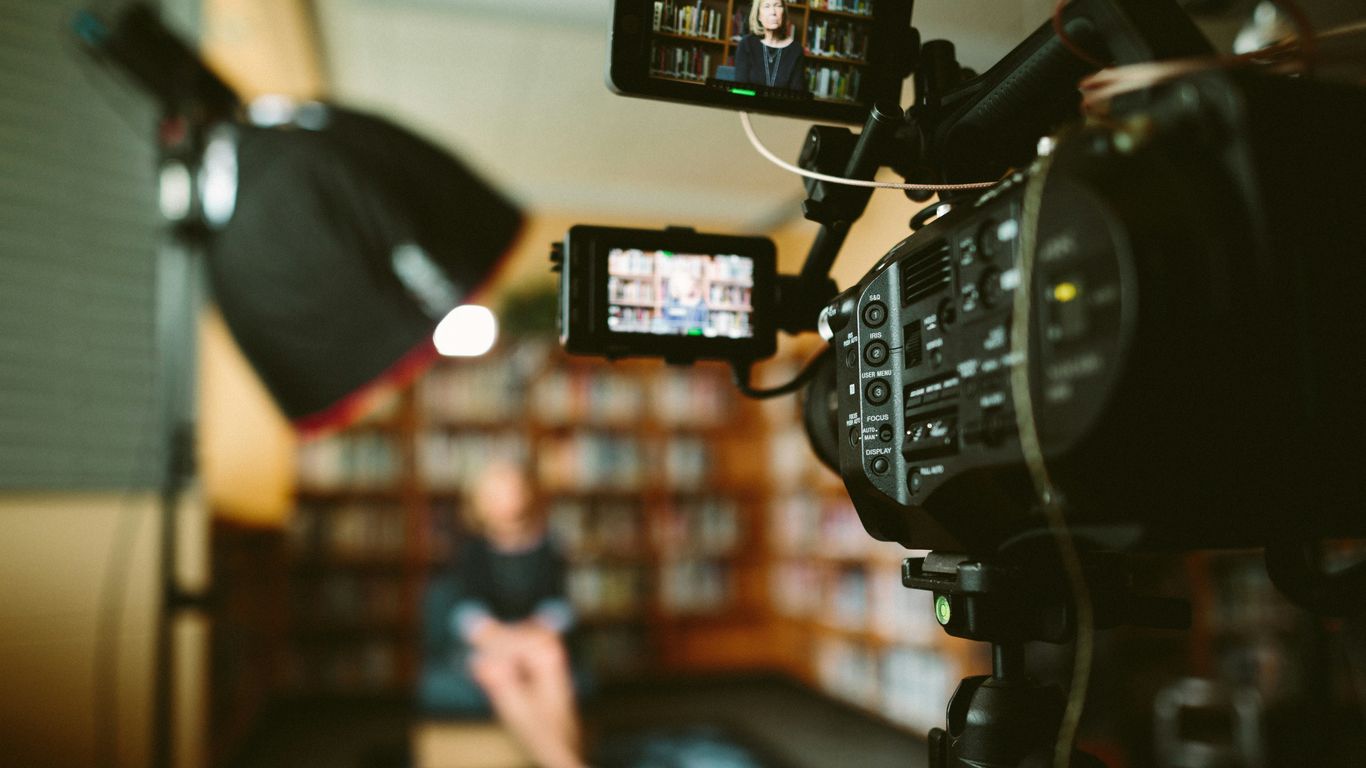
Conducting a great interview relies heavily on your ability to make the other person feel at home in front of the lens. A relaxed interviewee leads to a significantly better, more natural performance that viewers will find relatable and engaging. When we work with clients at VG Creations, we prioritize an environment where the focus remains on the story, not the production equipment.
Creating a comfortable environment for the interviewee
Physical comfort leads to mental clarity, which is crucial for a smooth and conversational interview session. Keep the gear discreet when possible and offer plenty of encouragement throughout the process to lower any potential anxiety. Providing a clear roadmap of the interview flow early on also helps the participant feel prepared rather than put on the spot.
Asking open-ended questions to encourage storytelling
Use questions that require more than a simple yes or no answer to evoke descriptive, emotional responses. Ask about how they felt before discovering your solution or what changed in their business immediately following the implementation of your services. By guiding the conversation this way, you allow the interviewee to weave a cohesive narrative that carries the weight of their real experiences.
Managing the interview pacing to keep responses natural
Focus on letting the interviewee finish their complete thought before jumping to the next question in your outline.
Pacing ensures that the flow feels like a real conversation rather than a series of disconnected soundbites. Taking brief pauses between questions allows the speaker to reflect and adds a natural cadence that makes the final edit easier to structure and more pleasant to watch.
Essential production techniques for professional results
Professional production quality serves as a silent indicator of your brand’s commitment to excellence in everything you do. Elements like lighting, sound, and composition are fundamental pillars for building authority with every single video you release. When the visual and audio quality reach a high standard, the focus stays squarely on the message, not on distractions or background noise.
Framing and composition for visual engagement
Proper composition helps guide the viewer’s eyes to the most important parts of the frame, emphasizing the speaker’s expressions and intent. Think about framing in a way that respects the environment while creating a clean, professional aesthetic. Below is a breakdown of how different production adjustments improve your viewer’s experience:
| Technical Adjustment |
Impact on Video Quality |
| Depth of Field |
Adds a cinematic focus |
| Color Balancing |
Ensures natural skin tones |
| Audio Levels |
Eliminates unwanted background hiss |
These adjustments, when balanced correctly during the capture stage, ensure your final product looks and sounds world-class. Consistent professionalism throughout your marketing content is a direct reflection of your business standards.
Controlling lighting to achieve a polished look
Lighting is not just about visibility; it is about creating a mood that enhances the professional tone of your testimonial. Aim for soft, flattering light that minimizes harsh shadows on the interviewee’s face, or use light to separate the subject from the background. Precise control over your environment ensures that even a basic interview setup appears highly intentional and sophisticated.
Capturing high-quality audio for maximum clarity
Clear, crisp audio is non-negotiable for high-performing testimonials because the story lives in the words being spoken. An audience will forgive slightly less-than-perfect visuals, but they will immediately disengage if the audio is muddy or distracting. Investing in dedicated professional microphones and monitoring your levels throughout the shoot will guarantee that every client quote lands with the impact you planned.
Editing and formatting for maximum impact
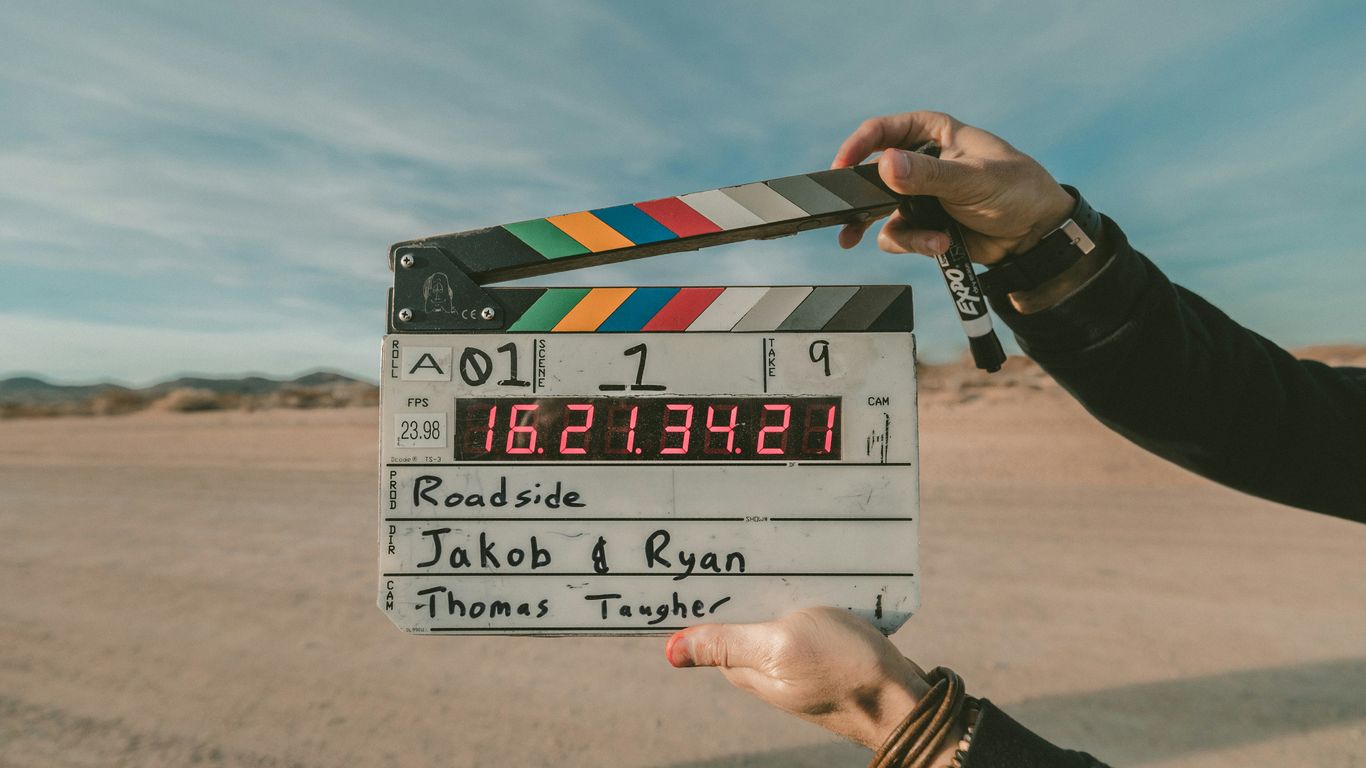
Editing is where the raw, scattered thoughts from an interview become a cohesive, persuasive narrative that aligns with your brand. At VG Creations, we believe that an effective edit respects the viewer’s time by delivering a punchy, clear story that emphasizes only the most relevant moments. Whether you are using YouTube or social platforms, your final edit should be polished and ready to serve your conversion strategy.
Crafting a narrative structure from raw footage
Start your edit by identifying the strongest emotional beat of the interview and building the rest of the narrative around that core point. You should aim to weave the problem and the solution together in a tight, logical path that holds attention from the first second to the last. This Strategic video content creation process helps ensure every cut supports a key business objective.
Incorporating B-roll to visualize the customer experience
B-rollfootage is the perfect way to provide visual evidence of what the speaker is discussing while keeping the video dynamic. Use shots of your team in action, your workspace, or the client using the product to add texture and depth to their spoken claims. It prevents the interview from becoming static and helps prove that the client’s experience is embedded in your day-to-day work.
Optimizing video length for different social media platforms
Different channels require different pacing to catch the viewer’s attention during their short windows of interest. A long-form testimonial might live perfectly on your website or YouTube, but your social media cuts should focus on short, high-energy clips. Understanding where your video will appear allows you to edit with platform-specific expectations in mind, maximizing the engagement on every channel.
Distributing your testimonial video for better ROI
Distributing your content wisely is the final step in ensuring that your investment pay dividends throughout the year. Placing these videos in high-impact areas makes it easier for potential customers to find the social proof they need right when they are deciding to reach out. By ensuring your hard work remains discoverable for months, you can capture leads across a variety of touchpoints.
Leveraging social proof on landing pages and websites
Embedding your testimonial videos on high-traffic landing pages directly increases the likelihood of a conversion. Prospective buyers who are on the fence often turn to these videos to get an authentic sense of what it is like to partner with your team. Having a video featured prominently where decision-making happens transforms your site into a more persuasive environment.
Using clips for targeted email marketing campaigns
Email recipients respond better to personalized, visual content than they do to plain text blocks filled with promises. By including a short, high-value clip from a successful testimonial in an email, you invite them to see your effectiveness firsthand. This approach keeps your brand relevant and reminds existing subscribers of the success stories you have facilitated.
Scaling distribution across multiple social media channels
Repurpose your primary testimonial across your social media channels to reach a wider audience throughout the working week. Whether it is a quote-based clip on LinkedIn or a snippet on an industry-focused channel, consistent placement builds authority over time. By maintaining a presence on platforms where your clients already share content, you turn a single testimonial shoot into a comprehensive library of reusable assets.
Conclusion
Creating an impactful testimonial video requires a balance of strategic planning, empathetic interviewing, and high-quality production standards. By following this framework, you can produce content that not only showcases your expertise but also builds genuine, lasting connections with your target audience. Remember that every production is a step toward refining your brand’s voice and amplifying the success of your clients in a way that feels both authentic and effective.
Frequently Asked Questions
How long should a typical testimonial video be?
Most high-impact testimonial videos are between 60 and 90 seconds in length to ensure they keep the viewer’s full attention while still communicating a complete story.
Do I need to provide my client with a script?
It is better to provide a list of discussion themes or questions rather than a script, as scripted responses often sound artificial and lose the authenticity that makes testimonials powerful.
What should I look for in a testimonial speaker?
Look for a customer who is articulate, has a clear understanding of the challenges they faced, and is visibly passionate about the positive results they achieved after using your service.
Is lighting equipment really necessary for these shoots?
Proper lighting is essential to achieve a clean, professional look that builds trust with your audience, ensuring your brand appears consistent and polished across all platforms.
How often should I update my testimonial collection?
Updating your library every six to twelve months ensures that your content remains current and reflects the latest successes and growth within your organization.
Can I use testimonial videos on social media?
Social media is one of the most effective places to share testimonial clips, as they provide high-value, authentic content that tends to perform very well in news feeds.
How do I measure the ROI of a testimonial video?
You can track ROI by observing metrics like website conversion rate increases, lead quality improvements, and the volume of engagement the video receives on your social channels.