Key Takeaways
The strongest testimonial videos are shaped around a real person’s experience, not a polished sales pitch. These ten formats offer different ways to make that experience clear and memorable.
- Build a customer success story around a specific challenge and a credible outcome.
- Keep social clips focused on one useful, memorable thought.
- Use before-and-after stories to show change with context, not just contrast.
- Choose a format that suits the person, setting, and audience.
- Let the customer’s own words carry the story.
1. The customer success story
A customer success story gives viewers a fuller picture than a quick endorsement: what the customer needed, what they tried, and what changed. The most compelling versions make the customer the central character, while the business stays in the background. VG Creations produces strategic testimonial videos, a natural fit for stories built around authentic client experiences. For anyone planning a first interview, a guide to shaping an authentic story can help turn a broad topic into a focused conversation.
A simple structure can keep the story clear without making it feel scripted. Think of each part as a prompt, not a line the customer has to recite. This quick map shows how a few familiar story beats can work together:
| Story beat |
What the viewer learns |
Prompt to consider |
| The starting point |
The customer’s context or challenge |
What were you trying to solve? |
| The decision |
Why they chose a particular approach |
What made this feel like the right next step? |
| The experience |
What working through it was like |
What stood out along the way? |
| The change |
What is different now |
What can you do now that you couldn’t before? |
The strongest answers are usually specific but not over-rehearsed. Leave room for a pause, a small detail, or a change of direction; those moments often make a story feel human. A clear turning point also helps the viewer follow the arc without turning the video into a hard sell.
2. The short social media testimonial
A short social testimonial is built for a quick encounter: someone sees a clip in a feed, catches a useful thought, and decides whether to keep watching. That calls for focus rather than speed for its own sake. One honest observation, delivered in the customer’s natural voice, can carry more weight than several claims squeezed into a few seconds.
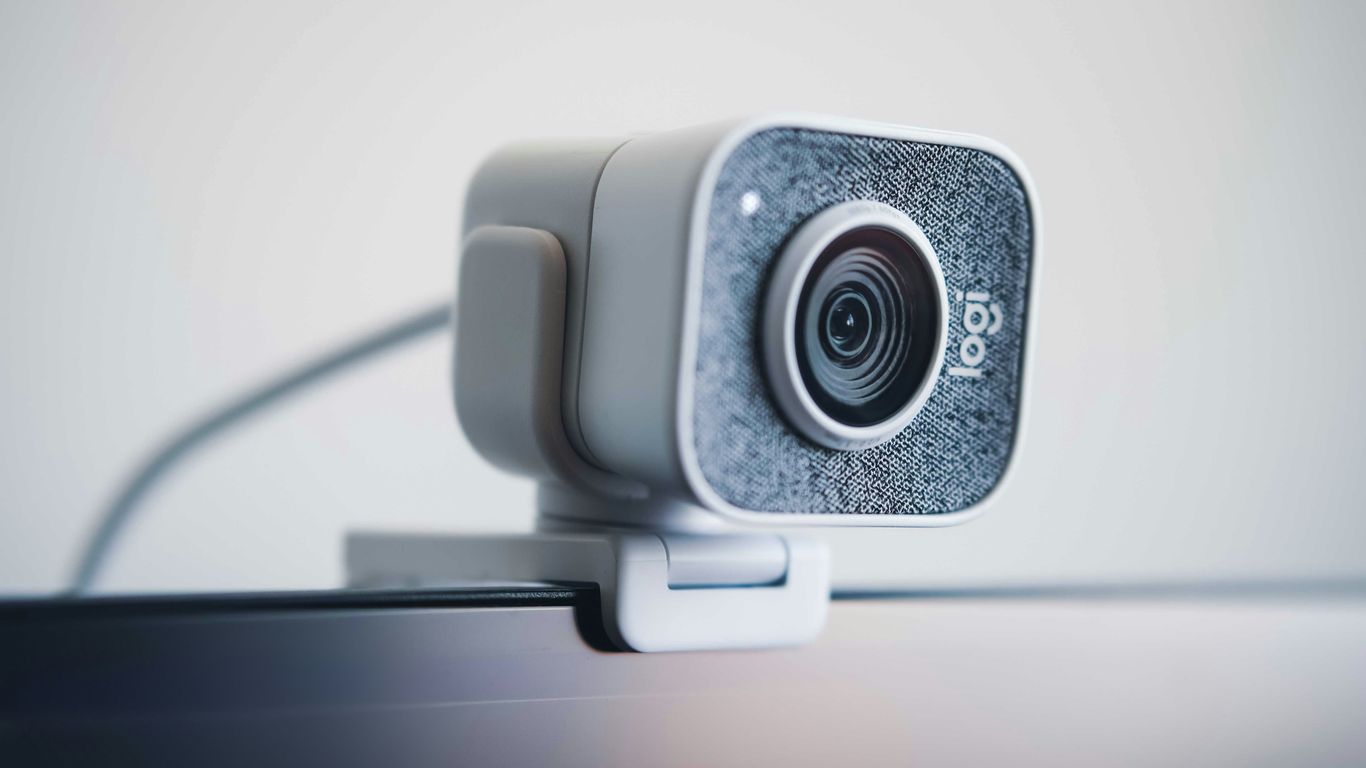
Keep the framing close and the question simple. Ask the customer to describe one moment, result, or reason they would recommend the experience, then edit around the answer rather than forcing a prewritten line. For more inspiration on how format and tone can vary, browse these testimonial video examples and consider which approach best fits the audience you want to reach.
A short clip still needs context: a name or role where appropriate, a readable caption, and enough information for viewers to understand what they are seeing. If the thought needs a longer explanation, let it become a longer story instead of cutting away the nuance. The aim is not to say everything; it is to make one credible idea easy to remember.
3. The before-and-after transformation
A before-and-after video makes change visible, but the contrast alone is not the story. Viewers need to understand what the person was experiencing at the start and what contributed to the difference. Without that middle, the result can feel like a claim without a reason to believe it.
When preparing this format, gather details from both sides of the change. A few carefully chosen questions can help the customer explain the shift in their own words:
- What did the situation look like before you began?
- What was the first sign that something was changing?
- Which part of the experience made the biggest difference?
- What does the result mean in your day-to-day life or work?
The answers should supply the context that images cannot. If there is a visual comparison, use it to support the customer’s explanation, not to imply more than their account establishes. A measured, specific story often feels more persuasive than a dramatic reveal because viewers can see how the person understands the change themselves.
4. The product experience review
A product experience review stays close to the customer’s actual use: what they expected, what they noticed, and how the experience fits into their routine. The aim is not to turn a testimonial into a feature tour. Instead, give viewers a grounded sense of what it is like to live with the product or service from one person’s perspective.

Choose prompts that invite concrete examples, such as the moment the customer first tried it or a detail they found especially useful. VG Creations lists video editing services among its offerings, and thoughtful editing can help a review stay focused while preserving the speaker’s natural cadence. Keep any on-screen claims aligned with what the customer actually says and what the video shows.
A good review makes room for the customer’s own judgment, including a little complexity where it belongs. Avoid asking them to speak for every kind of buyer or to make claims they cannot personally support. When the testimony is specific about one person’s experience, prospective customers can decide for themselves whether that experience is relevant to them.
5. The client interview
An interview gives a customer space to tell a story in their own words, while a skilled interviewer helps the conversation find its shape. The questions matter, but so does the listening: follow an unexpected detail rather than rushing to the next item on a list. VG Creations lists interview videos among its services, making this format a direct match for a conversational customer story.
A useful interview often begins with context before it gets to the outcome. Ask about the customer’s role, what prompted them to look for a solution, and what they remember about the experience. Open questions tend to bring out fuller answers than prompts that can be answered with a quick yes or no.
Preparation should make the customer comfortable, not make the conversation sound memorized. Share the broad themes in advance, explain how the footage may be used, and let them know they can pause or ask to repeat an answer. The final piece can be concise even when the conversation is generous; careful editing preserves the thread without flattening the person behind it.
6. The team or employee testimonial
A team or employee testimonial shifts the perspective from a customer to someone inside an organization. It can help a viewer understand how people experience a workplace, a service relationship, or a shared project. The most engaging versions are not corporate speeches; they are personal accounts tied to a particular moment or point of view.
Think about whose perspective will be most useful to the audience. A colleague describing how a team works together may tell a different story from a new employee reflecting on their first months. Give each speaker a distinct angle so the finished video does not repeat the same general praise in several voices.
Above all, participation should feel voluntary and comfortable. Explain the purpose of the video and where it may appear, then invite people to speak naturally rather than prescribing the right answer. A relaxed setting, clear questions, and room for individual detail can make the finished piece feel more genuine than a string of identical talking points.
7. The healthcare patient story
A healthcare patient story can make an experience more understandable by letting a person describe it in their own terms. Care, privacy, and accuracy must guide the process from the first conversation to publication. The story should never suggest that one person’s experience predicts what another patient will experience.

Before filming, make sure the patient understands the purpose of the video, how it may be shared, and what participation involves. Consider whether identifying details are appropriate, and follow the organization’s review and consent practices. Questions should invite a personal account without asking the speaker to make medical claims or disclose more than they wish.
A thoughtful edit preserves the patient’s meaning and avoids turning vulnerable moments into spectacle. Use plain language and enough context for viewers to understand the person’s perspective, while keeping individual outcomes distinct from general information. Trust comes not from making a story sound universal, but from presenting one person’s experience with care and clarity.
8. The event attendee testimonial
An event attendee testimonial captures an impression while the experience is still fresh. It might reflect what someone learned, who they met, or what they plan to do next. The setting can lend energy to the footage, but the attendee’s own observation should remain the center of the story.
VG Creations lists event and conference video among its services, a relevant fit for capturing stories in an event environment. A brief conversation just after a session can produce a useful first reaction, while a quieter spot nearby can make the audio easier to follow. A simple question about one memorable moment is often enough to get the conversation moving.
Be considerate of people’s time and surroundings. Ask permission before recording, avoid interrupting important conversations, and make sure the attendee can hear the question clearly. In the edit, combine the testimonial with only the event details that help viewers understand the moment; a few purposeful images can add atmosphere without distracting from what the speaker says.
9. The customer montage
A customer montage brings together several individual voices to show a range of experiences. It works best when each person adds something distinct, rather than repeating the same praise in slightly different words. The format can feel lively, but it still needs an idea connecting the speakers.
Start by choosing a thread that makes sense for the audience: a shared challenge, a memorable part of the experience, or different ways people use a service. Then invite each participant to answer a related question from their own perspective. The result can feel cohesive without making every speaker sound alike.
Editing is where the pattern becomes clear. Let a meaningful answer breathe, use transitions that keep the viewer oriented, and make sure each customer is represented accurately. A montage is not a substitute for a detailed case story; it offers a wider collection of individual impressions, each with its own limits and value.
10. The founder and customer conversation
A founder and customer conversation brings two perspectives into the same frame: the person who built or leads a business and someone who has experienced its offering. The format can feel warm and candid when both people are curious, rather than treating the exchange as a disguised pitch. Let the customer speak freely, including when their point takes the conversation somewhere unexpected.
The founder can set the scene, ask what prompted the customer to get involved, and explore the details behind an answer. A few prepared themes help the discussion stay useful, but a verbatim script can make it feel stiff. The most revealing moments often come from a genuine follow-up question rather than a polished statement.
To keep the conversation balanced, give the customer space to explain their own perspective and avoid putting words in their mouth. A simple setup, attentive listening, and an edit that retains the exchange’s natural rhythm can make the result engaging. Across all ten testimonial videos examples, the same principle holds: make the person’s experience the reason to watch.
Conclusion
A testimonial video can be brief, cinematic, conversational, or built from many voices, but its foundation is the same: a real person sharing a specific experience with care and clarity. Choose the format that suits the story, prepare thoughtful prompts, and leave enough room for the speaker to sound like themselves.
Frequently Asked Questions
What makes a testimonial video feel authentic?
Authenticity comes from a real person describing a specific experience in their own words. Clear context, thoughtful questions, and an edit that does not distort the meaning all help.
How long should a testimonial video be?
There is no single ideal length. A short social clip may focus on one memorable point, while an interview or customer story may need more time to explain the context and change.
What questions should you ask in a customer testimonial?
Ask open questions about the person’s situation, what they experienced, and what stands out to them now. Follow-up questions can help bring out useful detail without suggesting a preferred answer.
How do you help a customer feel comfortable on camera?
Explain the purpose and process beforehand, make the setting welcoming, and allow time to settle in. A conversation usually feels more relaxed when the speaker is not expected to memorize a script.
What should a before-and-after testimonial include?
It should explain the starting point, the experience in between, and what changed from the customer’s perspective. Any visual comparison should support that account rather than imply an unsupported result.
Can a testimonial video be used on social media?
Yes. A longer story can be edited into shorter clips when each clip still has enough context to make sense. Captions and a focused central thought can help viewers follow along.
How should healthcare patient stories be handled?
Use clear consent, respect privacy, and follow the organization’s review practices. Keep the story specific to the individual and avoid presenting one person’s experience as a typical outcome.