Key Takeaways
Choosing a video production company is easier when the creative decision follows a clear business need. Define the audience, compare capabilities, inspect the process, and agree on value before production begins.
- Start with the business result, not the camera package.
- Match the format and distribution plan to the audience.
- Review relevant work for storytelling, sound, and visual consistency.
- Clarify scope, revisions, licensing, timelines, and ownership in writing.
- Choose a collaborative partner that can support both the first project and future content.
Define your video goals and audience
A strong production begins before anyone writes a script or books a location. First decide what the video needs to accomplish, who should respond to it, and where that response should happen. A brand film, customer testimonial, event recap, and short social clip may all look polished, but they serve different jobs. The clearer the brief, the easier it becomes to compare a video production company on useful criteria rather than surface appeal.
Match the video format to your marketing objective
The format should follow the action you want the viewer to take. A commercial may support awareness, a corporate video can explain the organization, a testimonial can build trust, and event coverage can extend the life of an experience beyond the room. If the goal is education, a well-structured interview or podcast may be more effective than a highly stylized montage. The best choice is the one that makes the desired message easy to understand and act on.
Identify your target audience and distribution channels
Describe the viewer in practical terms: their role, concerns, level of familiarity, and reason for paying attention. Then decide whether the finished piece will live on a website, sales presentation, event screen, email campaign, YouTube, or social platforms. Aspect ratio, runtime, captions, opening seconds, and calls to action can all change with the channel. This audience-and-context work is also covered in this video strategy guide, which is useful when stakeholders are still aligning on the project.
Set measurable KPIs for video performance
A view count is only one possible signal, and often not the most useful one. Choose metrics that reflect the job of the video, such as qualified inquiries, watch-through rate, landing-page actions, event registrations, or completion of an internal training module. Establish a baseline where possible and decide when the results will be reviewed. A measurable objective keeps taste from becoming the only judge of whether the production worked.
Create a clear creative brief
Bring the essentials into one document: objective, audience, core message, proof points, tone, visual references, required participants, distribution channels, deadline, and approval team. Include what the video must not say or show, especially in regulated industries. A useful brief gives the production team room to solve creatively without making them guess about business priorities. It also gives internal reviewers a shared standard when feedback begins.
Evaluate the video production company’s services
A company may describe itself as full service, but that phrase means little until you understand what it actually handles. Ask how the team moves from strategy and planning through filming, editing, delivery, and any specialized production needs. Compare the proposed services with your brief rather than collecting the longest list of capabilities. The right fit may be a focused specialist or a partner that can support several related formats over time.
Compare pre-production planning and strategy
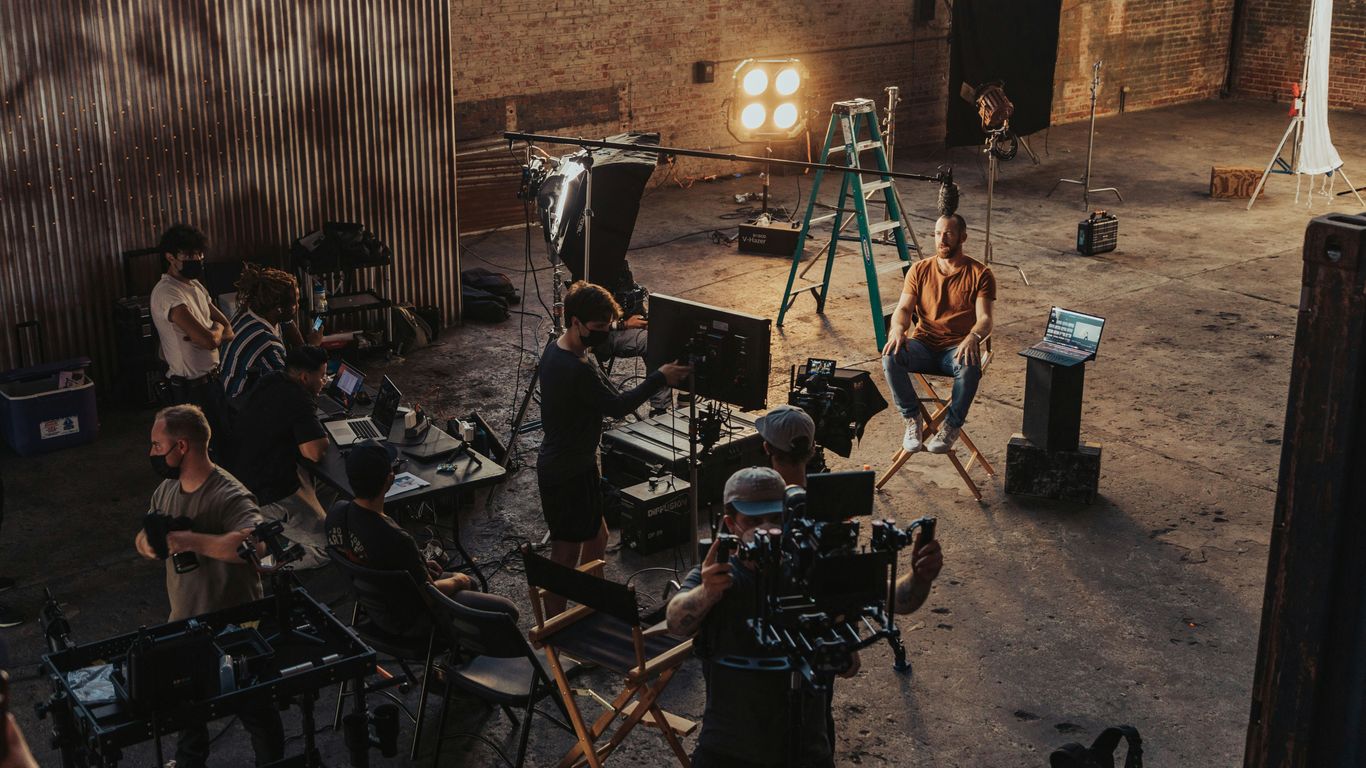
Pre-production should make the project more focused, not merely more scheduled. Ask whether the team helps with discovery, concept development, scripting, interview preparation, story structure, locations, shot lists, and production design. A thoughtful planning conversation can expose missing information before it becomes an expensive change on set. It should also show whether the company understands the commercial purpose behind the video.
Review filming and cinematography capabilities
Look beyond attractive frames and ask how the team achieves them. Review examples for lighting, composition, camera movement, sound capture, pacing, and the way real people are directed. If your project includes executives, customers, or subject-matter experts, ask how the crew helps them feel natural on camera. Cinematography should support clarity and credibility, not distract from the message.
Assess video editing and post-production services
Post-production is where structure, tone, and emotional emphasis are shaped. Confirm whether the proposed service includes editing, color treatment, sound mixing, captions, graphics, thumbnail or still-image needs, and export versions. Ask to see work at different lengths, since a polished long-form edit does not automatically translate into effective short-form content. A clear post-production scope also prevents a low initial quote from expanding later.
Look for specialized production options
Specialized needs deserve specific questions. Depending on the brief, you may need event and conference coverage, healthcare video production, e-commerce video production, documentary production, interview videos, podcast production, or photography alongside the main video. VG Creations lists these kinds of services, including corporate videos, commercials, event and conference work, podcast production, documentary production, interview videos, and video editing services. Evaluate only the options your project can realistically use, and ask for relevant examples rather than assuming every listed service has equal depth.
Consider live streaming and social media content
Live work introduces different demands from a conventional shoot, including reliability, platform planning, monitoring, and contingency preparation. Ask how the team handles stream setup, audience interaction, recordings, and post-event edits if livestream production is part of the brief. Social content may require multiple hooks, vertical versions, captions, and a faster approval rhythm. A partner that can plan these outputs early may help you get more value from one production day.
Review portfolios and relevant experience
A portfolio is evidence of judgment, not just a gallery of attractive shots. Study projects that resemble your audience, subject matter, scale, and distribution needs. Look for consistency across the work, while leaving room for a visual approach that can adapt to your brand. If you need a broader reference point, these video production categories show how varied the field can be, from commercial work to smaller local studios.
Look for work in your industry
Industry familiarity can shorten the learning curve, particularly when the subject involves technical language, privacy, compliance, or sensitive interviews. Look for examples where the company made a complicated message understandable without flattening it into generic claims. Ask what the production team learned from similar projects and which parts of your brief would still require discovery. Relevant experience is helpful, but it should support fresh thinking rather than produce a repeated template.
Assess storytelling, visuals, and production quality
Watch each sample with the sound on and off. Does the story have a clear beginning, useful development, and satisfying close? Do interviews feel purposeful, or are they surrounded by disconnected b-roll? Check whether lighting, dialogue, music, color, and graphics work together. Technical polish matters, but storytelling is what helps viewers remember why the subject matters.
Check experience with corporate and commercial videos
Corporate and commercial projects often require different balances of information, personality, persuasion, and brand control. Ask to see work that reflects the tone you need, whether that is an executive message, brand story, recruitment piece, product promotion, or customer-facing campaign. Discuss how the team handles approvals and brand guidelines. A portfolio should demonstrate that the company can make business content feel human without losing accuracy.
Review testimonials, interviews, and event projects
Testimonials reveal how a crew works with nonprofessional participants, while interviews show whether the edit can find a coherent story in a longer conversation. Event projects reveal timing, coverage choices, low-light judgment, and the ability to capture atmosphere without interrupting the experience. Review client feedback for clues about communication and reliability, not only praise for the final images. Ask for context around any project that looks especially similar to yours.
Understand the production process
A smooth process is not rigid, but it is visible. You should know when decisions are made, who approves them, what happens if the brief changes, and how the final files will be delivered. Ask for a simple project map and identify the points where your team must provide information or feedback. Clear stages protect the creative work from avoidable delays.
Learn how discovery and concept development work
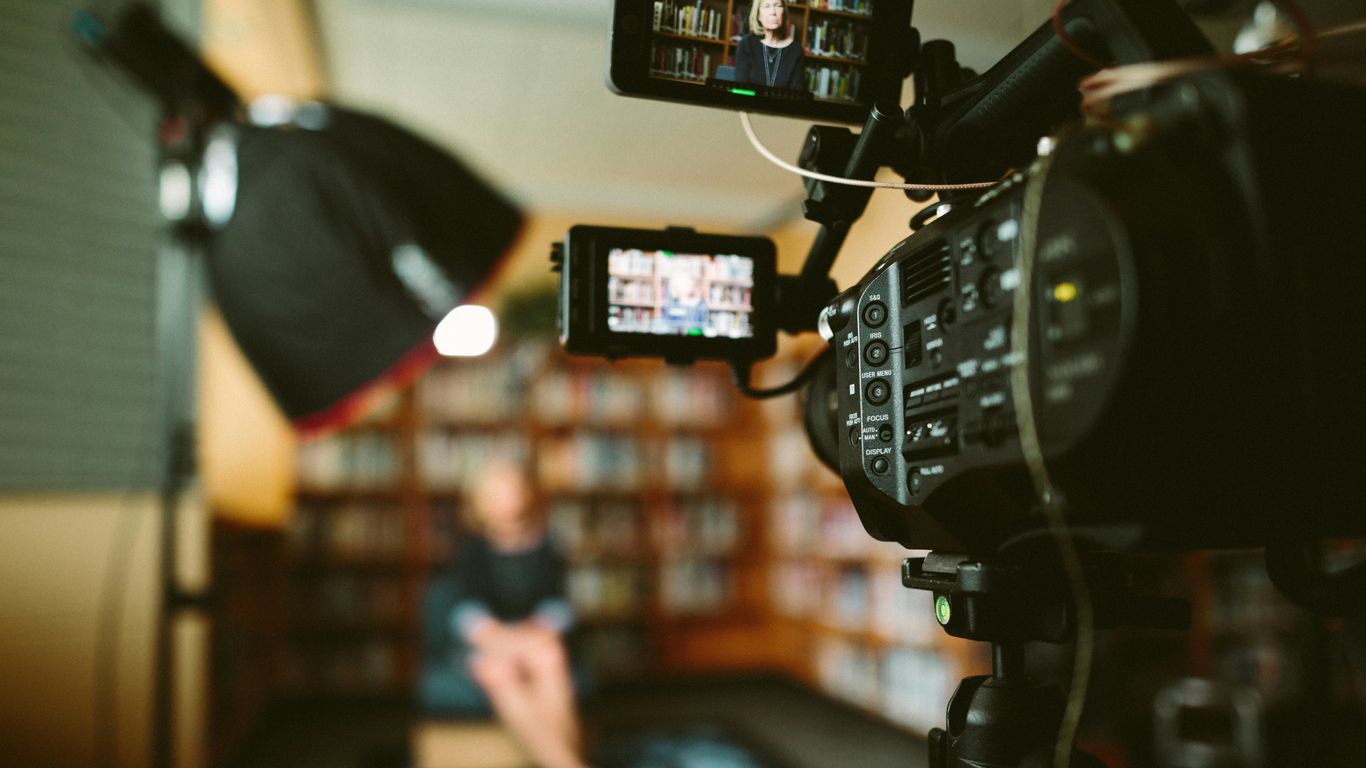
Discovery should connect your business objective to a story the audience can follow. Ask what the first meeting covers, who attends, how research is handled, and when the company presents concepts or treatments. You should leave this stage with a shared understanding of the message, visual direction, participants, and intended outputs. If the concept is still vague, production is probably being discussed too early.
Confirm the planning and scheduling workflow
Ask who handles permits, locations, call sheets, releases, travel, equipment, participant availability, and weather contingencies. Confirm how changes are communicated and who has authority to make decisions when timing gets tight. A planning workflow should be detailed enough to reassure you without burying the project in unnecessary administration. It should also account for the realities of your team’s calendar.
Ask how filming days are managed
A production day benefits from a calm, clearly led set. Ask who directs the work, how interview subjects are prepared, how breaks are handled, and what happens if a key shot or answer needs another take. Discuss the expected schedule and the role your internal team will play. Good on-set management protects both the quality of the footage and the comfort of the people appearing in it.
Understand review rounds and revision policies
Revision language should be specific. Find out how many review rounds are included, who consolidates feedback, what counts as a revision, and how script or scope changes are priced. One organized decision-maker is often more helpful than a large group sending separate comments. Written review rules keep creative disagreement from turning into an open-ended timeline.
Check delivery formats and turnaround times
Confirm the master format, web versions, vertical or square cuts, caption files, audio requirements, and any stills or thumbnails included in the delivery. Ask when the first cut arrives and how long each review window lasts. If you plan to publish across several channels, discuss those exports before filming rather than after the edit is complete. The final handoff should be usable by the people responsible for publishing it.
Compare pricing and production value
Price comparisons are meaningful only when the scopes are comparable. Two proposals may differ because one includes more planning, crew time, edit versions, licensing, or contingency support. Read the estimate as a production plan, not just a number at the bottom. The goal is to understand what you are buying and what may create additional cost.
Identify what the production quote includes
Request a line-item estimate covering pre-production, production days, post-production, travel, equipment, crew, locations, talent, music, graphics, captions, revisions, and delivery. Ask which assumptions the quote relies on, such as a specific number of interviewees or filming hours. Make sure the proposal reflects your actual distribution plan. A detailed quote makes an inexpensive option easier to compare with a more comprehensive one.
Account for crew, equipment, locations, and talent
Crew size should serve the brief. A simple interview may need a different setup from a multi-location commercial, live event, or production involving several participants. Location fees, permits, insurance, transportation, wardrobe, hair and makeup, and professional talent can all affect the budget. Ask the company to separate required costs from optional enhancements so you can make deliberate trade-offs.
Compare editing, music, graphics, and licensing costs
The edit may include more than assembling the footage. Music licensing, voiceover, animation, motion graphics, archival material, sound design, captions, and color finishing can materially change the final value and price. Confirm whether the license covers the channels, territory, and duration you need. If several versions are planned, ask whether they are included or priced separately.
Balance budget with long-term content value
A video can be expensive and still be poor value if it has a short useful life or cannot be adapted. Consider whether the production creates a primary asset plus practical cuts for sales, social media, recruiting, events, or internal communication. VG Creations positions its work around strategic video content that builds trust, strengthens authority, and supports measurable business results. Use that kind of long-term thinking to judge the investment, while keeping expected outcomes specific to your own campaign rather than treating them as guarantees.
| Cost question |
Why it matters |
What to clarify |
| How many production days are included? |
Extra days can change the estimate quickly. |
Schedule, overtime, and reshoot terms |
| Which edits and formats are delivered? |
A master file may not serve every channel. |
Lengths, aspect ratios, captions, and exports |
| Who owns the footage and final files? |
Rights affect future reuse. |
Ownership, license period, and archival access |
| What happens after the included revisions? |
Feedback can expand the scope. |
Round limits, approval process, and hourly rates |
After reviewing these answers, compare the usable output rather than the headline price. A proposal with a slightly higher fee may offer more strategic planning, stronger coverage, or assets that remain useful well beyond the launch date.
Assess communication, team expertise, and location
The people involved can matter as much as the equipment. You are choosing a working relationship that may include sensitive information, busy executives, customer interviews, and several rounds of judgment. Pay attention to how clearly the team listens and explains trade-offs during the sales process. That early behavior is often a useful preview of production communication.
Identify your main point of contact
Ask who owns day-to-day communication and who steps in for creative, production, and financial decisions. One clear contact reduces duplicated feedback and helps your team know where questions belong. Confirm expected response times and how urgent changes are handled. The arrangement should feel accountable without requiring you to manage every specialist directly.
Review the producer, director, and cinematography team
Request names and roles for the people expected to work on the project. Review their relevant work, especially if the proposal depends on a particular director, cinematographer, editor, or producer. Ask whether the people you meet will be present during filming and post-production. A polished company reel is useful, but the assigned team will shape your actual experience.
Decide whether local or remote production is best
Local production can simplify location scouting, travel, reshoots, and in-person collaboration. Remote coordination may make sense when participants or locations are spread out, but it needs stronger planning for interviews, files, approvals, and technical consistency. Choose based on the project’s real constraints rather than assuming proximity is automatically better. A remote arrangement still needs a clear on-site plan.
Confirm service areas and travel requirements
Ask where the company regularly works and how travel is billed. Discuss mileage, flights, lodging, equipment transport, permits, and weather contingencies before approving the estimate. VG Creations identifies Miami and West Palm Beach locations and states that it is available worldwide, so a prospective client should still confirm the specific crew, travel plan, and service details for the project. Precision here prevents an otherwise avoidable surprise.
Evaluate responsiveness and collaboration style
Notice whether the team answers the question you asked, documents next steps, and raises risks without becoming defensive. A good partner can explain why a creative recommendation supports the objective while still making room for your expertise. Collaboration should feel candid and practical. You want enough structure to keep momentum and enough openness to improve the idea.
Choose a partner and prepare for production
By this point, the decision should be based on fit rather than excitement alone. Compare the proposals, people, process, portfolio, and likely long-term usefulness of the content. Then make the agreement detailed enough that everyone can work with confidence. Preparation on your side will help the production team spend more time creating and less time untangling preventable issues.
Compare proposals from shortlisted companies
Use the same questions for every finalist: What is included? Who is assigned? What will be delivered? How many review rounds are planned? What rights transfer? Compare the creative approach as well as the cost, and note where an estimate depends on assumptions. A simple scoring sheet can help a committee distinguish genuine fit from the most persuasive presentation.
Ask questions before signing a contract
Ask about cancellation, postponement, reshoots, confidentiality, insurance, music and talent licensing, storage, accessibility, and dispute handling. Confirm how change requests are approved and billed. If there are several stakeholders, decide who has final approval before the contract is signed. Small uncertainties are easier to resolve before the schedule and crew are committed.
Confirm timelines, deliverables, and ownership rights
Put the milestones in writing, including discovery, concept approval, filming, first cut, revisions, final delivery, and publication support. List every promised output and specify ownership or usage rights for footage, music, graphics, and photography. Clarify how long project files are retained and how they can be retrieved. This documentation becomes especially valuable when the video will be reused across campaigns.
Prepare your team, location, and on-camera participants
Give participants a short briefing on the audience, subject, wardrobe, arrival time, and interview style. Prepare the location by checking noise, light, access, signage, privacy, and power. Gather brand assets, approved facts, releases, products, and examples the crew may need. The more calmly these details are handled, the more natural the final performances tend to feel.
Build a plan for publishing and repurposing the video
Decide who will upload, caption, schedule, measure, and respond to the finished piece. Plan the supporting copy, landing page, email placement, sales enablement use, event playback, and social cutdowns before delivery. Ask the production partner to capture footage that can support future edits where appropriate. A clear distribution plan turns one production into a useful collection of brand assets instead of a file that sits unused.
Conclusion
The right video production company will fit your objective, audience, working style, budget, and expectations for future content. Define the business purpose first, then examine the portfolio, process, people, pricing, rights, and delivery plan with equal care. When the partnership is chosen on evidence rather than a reel alone, the finished video has a better chance of earning attention and continuing to serve the brand.
Frequently Asked Questions
What should I look for in a video production company?
Look for relevant portfolio work, clear planning, strong storytelling, transparent pricing, defined revision terms, reliable communication, and a team that understands your audience and distribution goals.
How much does professional video production cost?
Cost varies with the concept, crew, filming days, locations, talent, equipment, editing, graphics, music licensing, travel, and number of deliverables. Request itemized proposals so you can compare equivalent scopes.
How long does a video production project take?
A project may take anywhere from a few weeks to several months depending on discovery, approvals, scheduling, filming complexity, revision rounds, and delivery requirements. Ask for a milestone-based timeline.
Should I choose a local video production company?
Local teams can simplify location work, in-person planning, and travel. A remote or traveling team may still be suitable when its experience, process, and logistics match the project better than proximity alone.
How many revisions should a video project include?
The contract should define a reasonable number of review rounds and explain what counts as a revision. Consolidated feedback from one approval group usually keeps the process efficient.
Who owns the video footage and final files?
Ownership and usage rights depend on the contract. Clarify rights for final edits, raw footage, music, graphics, photography, and future versions before production begins.
How can I get more value from one video shoot?
Plan related outputs in advance, such as short social clips, alternate aspect ratios, stills, captions, interview excerpts, event edits, or sales assets. The additional deliverables should be scoped before filming so the crew can capture what they need.