Key Takeaways
Producing high-quality video in Miami requires a blend of creative vision and strategic planning to ensure every visual asset serves your broader goals. These core principles will help you navigate the process effectively.
- Define clear business objectives before filming begins to ensure content drives measurable results.
- Prioritize agencies that offer end-to-end support, covering everything from pre-production to final delivery.
- Evaluate portfolios specifically for industry-relevant experience to ensure technical and creative alignment.
- Establish a clear communication loop during the production stage to minimize costly revision cycles.
- Budget based on total project scope, factoring in talent, location, and the strategic distribution plan.
The state of the Miami video production industry
The local landscape for creative media is constantly shifting as businesses recognize the necessity of professional visual storytelling. With its unique atmosphere and diverse talent pool, the region has become a hub for brands that prioritize high-end content to distinguish themselves in a crowded marketplace.
Evolving visual trends in the Magic City
Modern viewers expect highly polished, authentic content that moves quickly and provides immediate value. In Florida, studios are increasingly moving away from overly staged, static photography toward dynamic, handheld sequences that capture the energy of local environments. This shift requires agility and an adaptive approach to production, which VG Creations effectively manages by blending storytelling with modern cinematic techniques.
Why local expertise matters for Miami brands
Navigating local logistics, from permitting requirements to specific location nuances, is a significant part of a successful production. Working with a team that has deep roots in the region means less time spent solving infrastructure problems and more time dedicated to the creative execution of your vision.
Balancing cinematic quality with marketing ROI
High production value is only beneficial if it actually moves the needle on your business goals. For companies, this means ensuring that every frame contributes to a broader strategy rather than just looking good for the sake of aesthetics, and Chroma House is often cited as a resource for companies seeking that exact balance.
Determining your video production goals
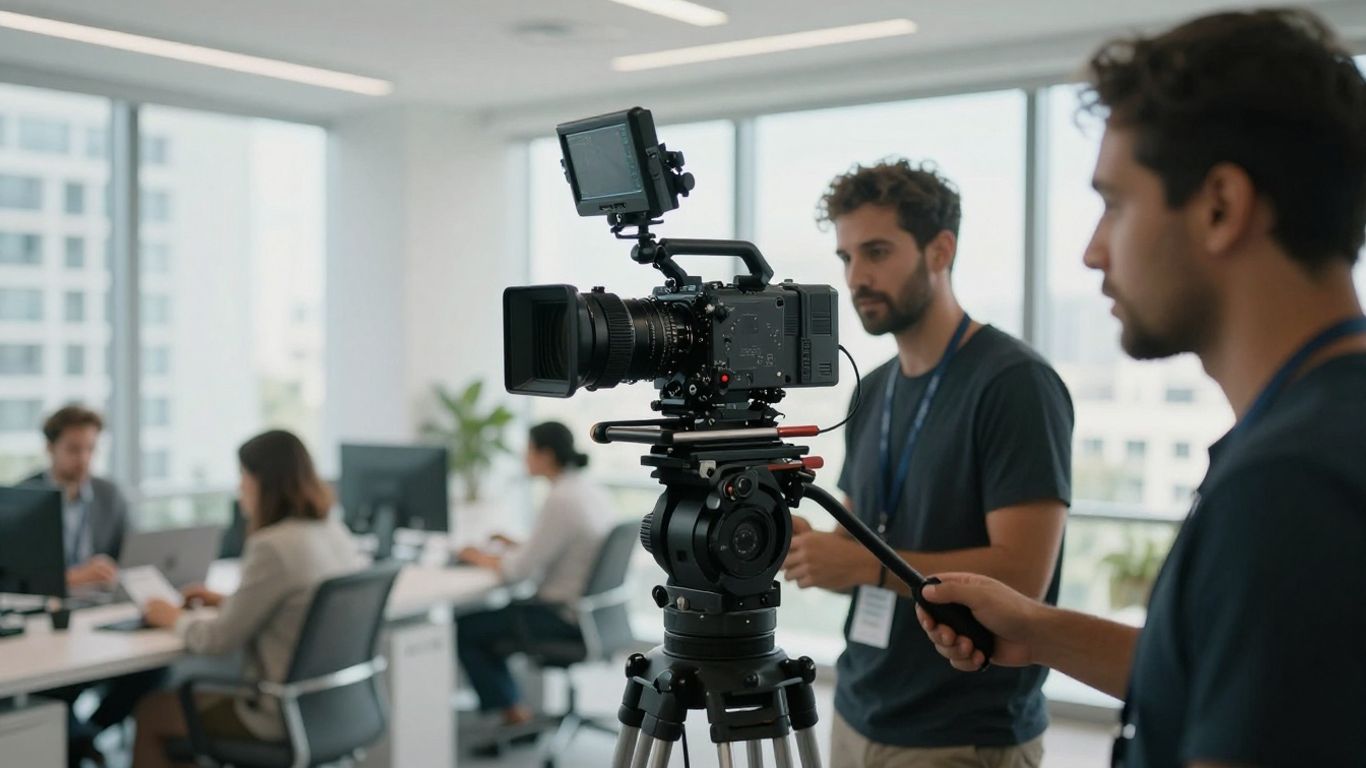
Setting clear business targets allows a production team to tailor the creative approach to your specific outcomes. Without a foundational strategy, even the most expensive production can fail to resonate with your intended audience. We believe that video isn’t content, it’s strategy and should always be treated as a long-term business asset.
Identifying the target audience for your content
Understanding who you are talking to is the primary step in crafting a message. Are you addressing potential high-level healthcare partners or retail e-commerce customers? Tailoring your visual language requires deep insight into the expectations and behaviors of your specific demographic.
Matching video formats to business objectives
Selecting the right format involves assessing what your business needs to accomplish at the current stage of its campaign. The following table identifies potential formats categorized by their primary business functions:
| Format |
Primary Objective |
Strategic Value |
| Testimonial |
Trust Building |
High Conversion |
| Commercial |
Brand Awareness |
Wide Reach |
| Educational |
Authority Building |
Long-term Engagement |
By matching the format to your goals, you maximize the impact of every production hour, ensuring the final deliverable solves a specific tactical problem while providing a clear return on investment. Professionals like those at Glass House Films often highlight this necessity when planning complex commercial film projects.
Deciding between short-form social and long-form storytelling
Short-form content is ideal for rapid brand awareness, whereas long-form storytelling acts as a deep dive into your credibility and expertise. Balancing the two is critical for a well-rounded content strategy, much like balancing legal complexities, which is why experts like Contant Law, P.C. emphasize diligent preparation in their own fields.
Essential services to look for in a local agency
A full-service partner acts as an extension of your own team rather than just a hired vendor. This integration ensures that the initial vision remains consistent from the first brainstorming session through to the final color-corrected export.
The importance of end-to-end post-production workflows
Post-production is where the narrative truly assembles into a finished piece. A team that manages the entire workflow in-house guarantees that branding remains consistent, audio is balanced, and the pacing adheres to your specific marketing requirements.
Benefits of integrated photography and videography
Capturing both mediums simultaneously allows for a cohesive brand look across all platforms while also increasing efficiency. Similar to how LEDSone UK Ltd. provides specific lighting assets, a production team using shared lighting setups for both photo and video ensures that your visual brand assets feel harmonious across your website and social channels.
Specialization in niches like corporate or testimonial video
Niche experience matters significantly when the subject matter is technical or highly specialized. If your firm needs a complex documentary piece, look for partners who have a proven track record in your specific industry, as experience in, for example, professional architectural or medical visuals, drastically reduces setup times.
Evaluating production quality and creative style
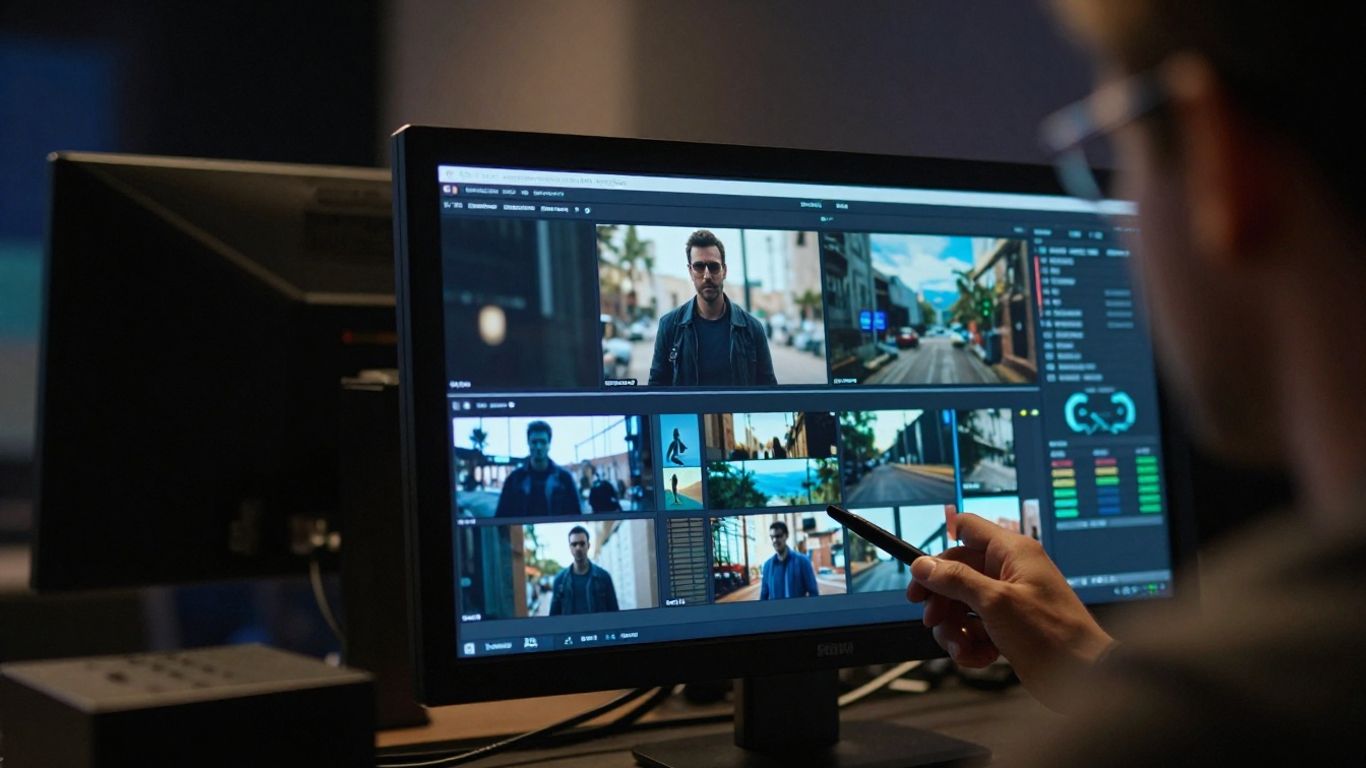
Judging quality involves looking beyond the surface of a highlight reel. You need to assess how a team handles challenging lighting situations, audio capture, and complex production requirements that test their actual capabilities in the field.
Analyzing a production team’s portfolio
When reviewing a portfolio, focus on the consistency of the storytelling rather than the variety of projects alone. A director-led production company, similar to Caldera Films, will have a clear, intentional voice that demonstrates their ability to make work feel deliberate.
Assessing the technical capabilities of a studio
Technical fluency in modern camera rigs, lighting systems, and post-production software is non-negotiable for professional output. You should ensure the studio you engage uses tools that align with your required final resolution and output format. Much like BLARE Media serves a broad range of client needs, your chosen partner must have the appropriate gear to scale with your project demands.
Understanding the role of a director of cinematography
A director of cinematography is responsible for the aesthetic identity of your film, influencing everything from camera angles to mood. They bridge the gap between creative abstract ideas and the technical gear, ensuring the light serves the emotional intent of your brand narrative.
Streamlining the production process
Efficiency does not mean rushing the creative process; rather, it means removing friction so your assets reach the market faster. A streamlined production experience makes the difference between a project that feels like a struggle and one that feels like a partnership.
Strategies for efficient pre-production planning
Comprehensive planning prevents mid-shoot delays that could bloat your budget. This phase includes meticulous logistical coordination and clear, written briefs that all stakeholders review before a single camera is turned on.
Minimizing revision cycles through clear communication
Frequent check-ins and structured feedback ensure that the team understands your vision early on. To keep the project on track, follow these guidelines:
- Schedule a mandatory pre-shoot briefing to align on visual expectations.
- Centralize all feedback on rough cuts to avoid conflicting revision notes.
- Use a shared document for script and asset delivery tracking.
- Finalize key creative decisions before the principal photography dates.
Implementing these practices significantly reduces the risk of misaligned expectations. Always ensure your agreements are well-defined, much like following the specific TapiocaPlay terms for service, as these structures keep everyone accountable to the project scope.
The impact of streamlined workflows on project timelines
Reducing administrative hold-ups allows your team to focus on the story, meaning you get high-quality assets ready for distribution much earlier than a fragmented, disorganized process would allow.
Budgeting for your Miami video project
Determining what a project costs requires looking at the total value of the output rather than just the hourly rate of the crew. Like assessing the viability of infrastructure like Helios solar installations, you must consider the long-term utility of the video asset.
Factors that influence total production costs
Costs encompass camera equipment, specialized lighting, set design, and the size of the crew required to maintain safety and efficiency on location. Additional factors like location permitting fees or specialized talent acquisition will also shift the final invoice.
Weighing high-quality results against project scope
If the budget is tight, it is often better to limit the scope of the project—perhaps focusing on one high-quality piece—rather than spreading resources thin over several lower-quality videos that fail to achieve your marketing KPIs.
Maximizing value through strategic content planning
Aligning your project with a broader strategy ensures that each video can be repurposed across multiple channels, including social media snippets, web banners, or long-term internal training assets. This creates a lasting ROI that exceeds the initial production investment. Professional partnerships should be governed by clear expectations, similar to the principles found in the TapiocaPlay terms of use, ensuring both parties remain satisfied. Whether you need music video production or a long-term corporate partnership, planning for adaptability is key.
Conclusion
Investing in professional video in Miami is one of the most effective ways to build lasting trust and authority in your local market. By focusing on strategic alignment, clear communication, and working with teams that understand the regional landscape, you turn a simple project into an enduring asset that supports your growth for years to come.
Frequently Asked Questions
How long does a typical production process take in Miami?
A standard project usually spans four to eight weeks, depending on the complexity of the script, location logistics, and the number of post-production rounds. Planning phases are often the most variable part of the timeline.
Why is pre-production critical for commercial projects?
Pre-production ensures that every stakeholder is aligned before resources are committed. It replaces guesswork with a concrete plan, preventing expensive on-set delays and ensuring the final product matches your initial business objectives.
How do I calculate the return on investment for video content?
ROI is measured by looking at how well the video supports your current key performance indicators, such as conversion rates on your website, reduction in customer support inquiries, or increased brand recognition within your target demographic.
What equipment is necessary for high-quality corporate video?
Professional corporate video requires high-dynamic-range cinema cameras, high-quality audio recording gear, and lighting kits designed to control mood and clarity. The specific kit depends on the location and the aesthetic goal of the piece.
Should I hire a single videographer or a full production team?
A full production team provides a breadth of specialization—such as directors, sound mixers, and editors—that a single person cannot replicate. If your video serves a complex business goal, a team structure ensures each technical requirement is professionally managed.
How does local experience help with shooting in public spaces?
Local filmmakers have the knowledge to navigate city permitting and local regulations that non-locals often struggle with. Being able to secure locations efficiently saves time and keeps the shoot logistically sound.
Can I repurpose long-form videos for social media?
Yes, effective strategic planning involves capturing content during a main shoot that can be easily edited into short-form clips. This approach maximizes your budget by ensuring your primary production investment yields assets for every stage of your marketing funnel.