Key Takeaways
The strongest video testimonials feel like useful stories, not polished sales pitches. The format should match the customer journey, the proof you can show, and the channel where people will watch.
- Customer stories build trust by showing a believable journey.
- Before-and-after videos make change easy to understand.
- Interviews work best when questions invite specific, personal answers.
- Short-form clips and event footage extend a testimonial’s reach.
- Strong planning turns one customer conversation into several useful assets.
1. Customer success story videos
A customer success story follows a clear arc: the situation before, the decision to act, and what changed afterward. It gives a prospect enough context to recognize their own problem without forcing the featured customer into a scripted endorsement. Among the most useful video testimonials examples, this format stands out because the customer remains the main character.
The story does not need a dramatic rescue narrative. A shift in confidence, a smoother process, or a clearer path forward can be just as persuasive when the details feel true. Ask the customer to describe what life or work looked like before the engagement, what made them choose a solution, and what they can do now that was harder before.
A thoughtful production also captures the surroundings that make the story credible: the workplace, the people involved, and the ordinary moments around the result. A testimonial video guide can help with planning the interview, directing the conversation, and shaping the final edit without sanding away the customer’s natural voice. The finished piece should leave viewers with both an emotional impression and a practical reason to keep watching.
2. Before-and-after testimonial videos
Before-and-after videos make progress visible. They are especially useful when a customer can point to a noticeable change in appearance, workflow, confidence, or performance, as long as the comparison is fair and the claims are supported. The visual contrast gives the viewer an immediate anchor, while the customer explains what caused the change.
The “before” portion should do more than show a problem. Let the customer describe the frustration, uncertainty, or limitation in their own words so the starting point has some human texture. Then show the “after” through a combination of direct commentary, relevant footage, and specific examples rather than relying on a vague statement that everything is better.
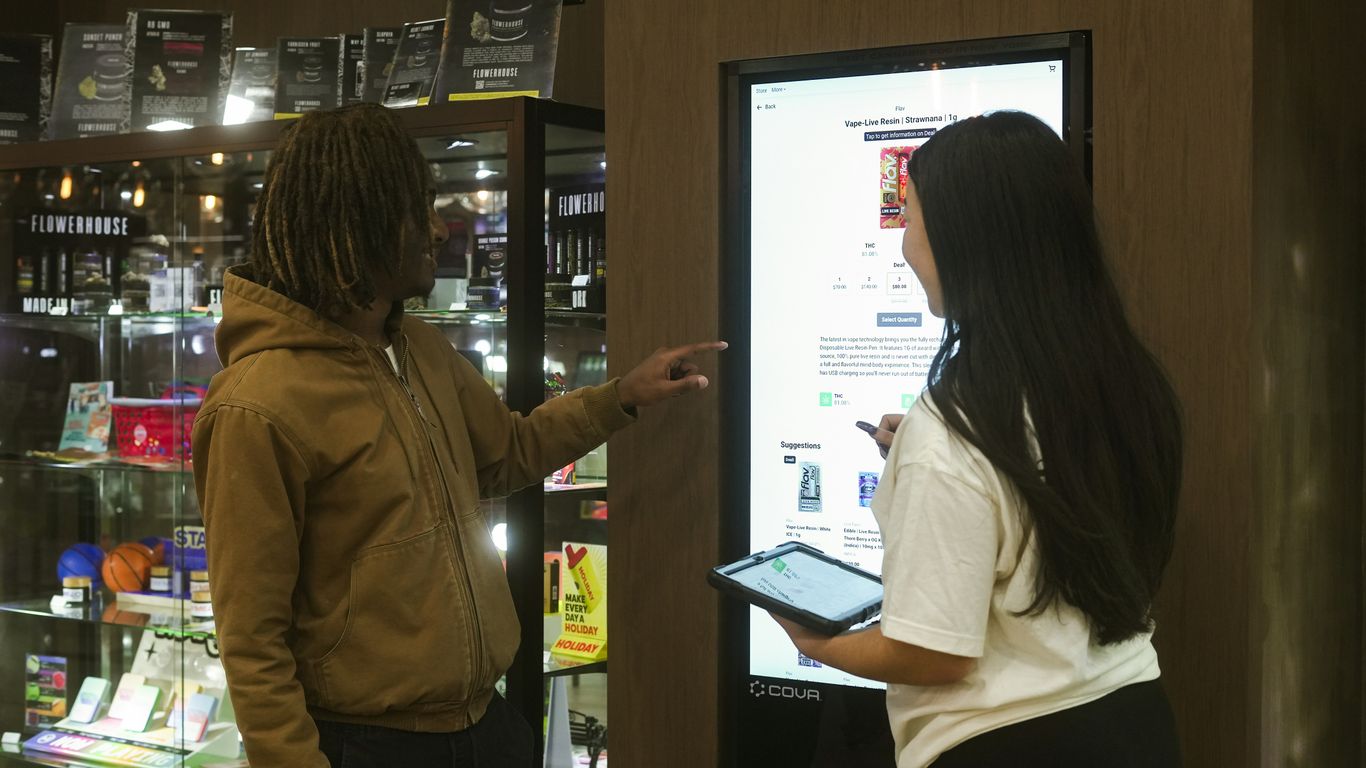
A restrained edit usually works better than an exaggerated reveal. Use consistent framing when visual comparison matters, disclose relevant context, and avoid implying that one customer’s experience is a universal result. The most convincing transformation is one the audience can follow from beginning to end.
3. Interview-style video testimonials
An interview-style testimonial is often the simplest format to produce and one of the easiest to make feel authentic. A relaxed conversation gives the customer room to remember details, change direction, and explain what mattered to them. The interviewer’s job is not to perform; it is to listen closely enough to ask the next useful question.
Good questions are open-ended and grounded in experience. Instead of asking whether the customer liked the service, ask what surprised them, which concern disappeared first, or what they would tell someone facing the same decision. Those prompts create answers with texture, and they help the edit move beyond generic praise.
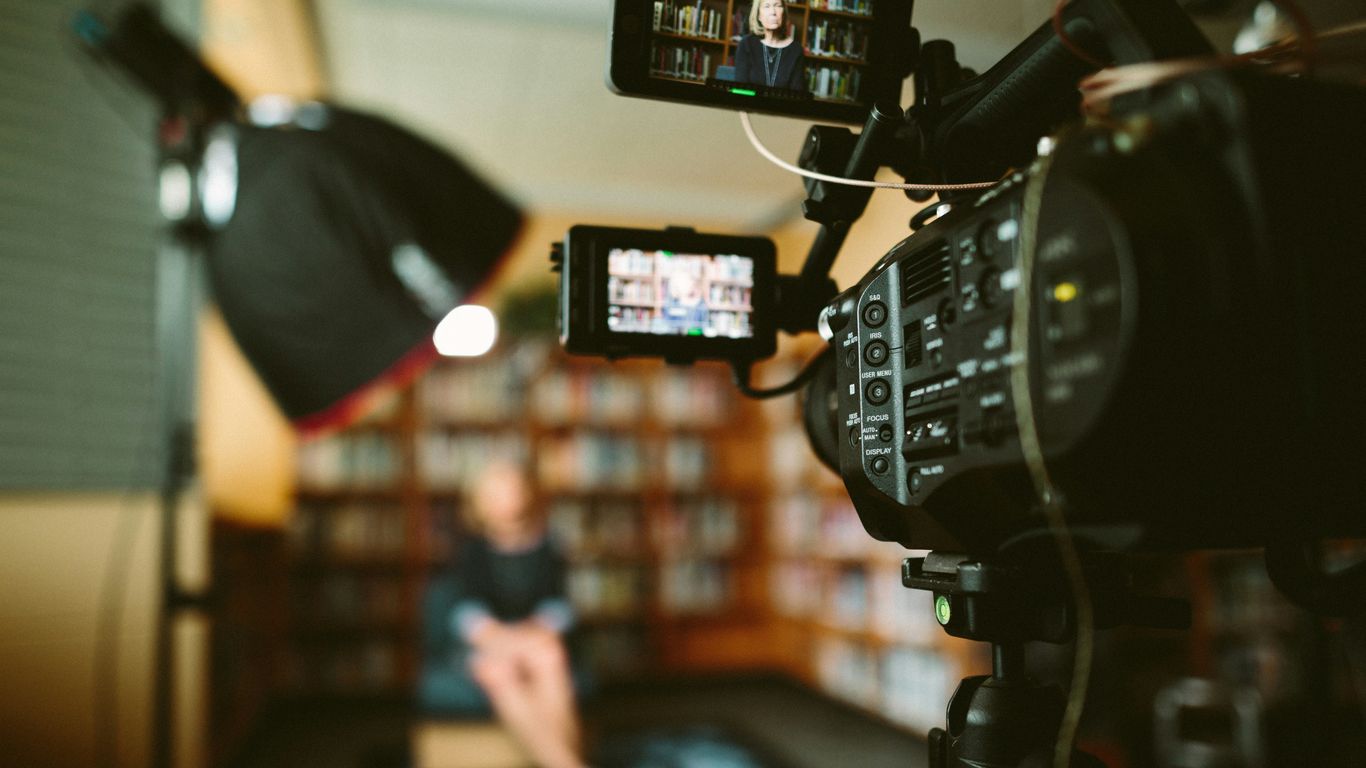
The visual treatment can be polished without becoming stiff. A considered frame, clean sound, and natural pauses make the speaker easier to trust, while a few cutaways prevent the piece from feeling like a static deposition. VG Creations provides Interview Videos, a documented service that fits this format when a business wants a professionally produced conversation centered on a customer’s experience.
4. Product experience testimonial videos
A product experience testimonial focuses on how something fits into a customer’s real routine. Rather than listing features, it shows the moments in which the product becomes useful: the first setup, a recurring task, a point of friction, or a small improvement that adds up over time. This approach helps viewers imagine using it themselves.
The customer should explain what they expected, what they actually encountered, and which part of the experience made the biggest difference. Specific details build confidence because they give the audience something concrete to assess. A few honest qualifications can make the praise feel more credible, too; perfection is rarely what buyers expect from a real product experience.
A simple structure keeps the story moving from expectation to use to reflection. The table below offers a practical way to match each stage with footage and a useful editorial question.
| Story stage |
Footage to consider |
Editorial question |
| Expectation |
Customer setting up or introducing the need |
What did they hope would improve? |
| First use |
Product in its normal environment |
What was immediately clear or useful? |
| Routine use |
Repeated task or workflow footage |
Where does it save effort or reduce friction? |
| Reflection |
Customer speaking directly to camera |
Who would benefit from this experience? |
That structure keeps the product in context instead of turning the testimonial into a feature sheet. It also gives the editor natural places to trim, rearrange, and create shorter versions for different audiences.
5. Case study testimonial videos
A case study testimonial combines a customer’s voice with enough background to explain the business challenge and the work that followed. It can be longer than a social clip because the viewer is being guided through a decision, not just shown a reaction. The best versions are clear about the starting point, the approach, and the evidence behind the outcome.
Strong case studies balance narrative and proof. Include the customer’s original concern, the steps taken, and the result they observed, while making clear that the result belongs to that particular client. Supporting footage, documents, process shots, or on-screen context can help the audience understand the scale and substance of the work.

A case study can become a durable sales asset when it answers questions a prospective buyer is already asking. Who was involved? What obstacles appeared? What did the customer value most? For more perspective on selecting clients, shaping interviews, and capturing quality visuals, explore this professional testimonial production guide. The goal is not to claim that every client will see the same outcome, but to make one customer’s experience easy to evaluate.
6. Short-form social media testimonials
Short-form testimonials are built around one memorable thought rather than a complete customer history. They may feature a direct recommendation, a quick answer to a common objection, or one specific moment of relief. Because the viewer may encounter the clip mid-scroll, the opening needs to establish the subject quickly and sound like a person speaking, not a slogan.
A longer interview can provide the raw material for several short pieces, each with its own purpose. Keep the edits focused and let captions carry key context when sound is off. VG Creations provides Social Media Marketing, which aligns with the documented service area of creating social-focused video content and gives businesses a natural home for these concise testimonial cuts.
When planning a batch, sort potential clips by the question they answer rather than by the order in which they appeared in the interview. Useful categories often include:
- The problem the customer needed to solve
- The moment their expectations changed
- The result they noticed first
- The advice they would give another buyer
After the list is shaped, review each clip for a complete thought, readable captions, and a clear next step. A short video does not need to say everything; it needs to make the next piece of attention feel worthwhile. A guide to social media video strategy can help connect these clips to broader channel goals without making every post sound identical.
7. Event and on-location testimonial videos
Event and on-location testimonials borrow energy from a real setting. A customer speaking at a conference, inside a facility, or immediately after an experience can bring a sense of presence that a controlled interview sometimes lacks. The location also gives viewers a quick understanding of the community, environment, or occasion surrounding the story.
Timing matters. Conversations should be planned around the event schedule, with a quiet nearby space available when clean audio is essential. Ask concise questions, capture identifying details in the background, and get permission for any attendees or materials that appear on camera. The result should feel timely without becoming disposable.
VG Creations provides Event & Conferences, a documented service that suits testimonial coverage gathered in active event environments. A strong on-location edit can work as a quick reaction piece, a longer customer story, or part of an event recap. In each case, preserve the setting while keeping the speaker’s experience easy to hear and understand.
Conclusion
The right testimonial format gives a customer’s experience the shape it needs without taking over the story. Whether the piece follows a transformation, a product routine, a thoughtful interview, or an event moment, clear preparation and honest editing matter more than excessive polish. Choose the format that best matches the proof available, then create versions that meet people where they are.
Frequently Asked Questions
What makes a video testimonial believable?
Specific experiences, natural language, relevant context, and balanced editing make a testimonial feel believable. Viewers respond to clear details more readily than broad praise.
How long should a testimonial video be?
It should be as long as necessary to make the story understandable and no longer. A detailed case study may need several minutes, while a social clip may work in under a minute.
Should customers use a script?
A short outline can help a customer remember important points, but a word-for-word script often makes the delivery sound rehearsed. Conversation prompts usually leave more room for genuine answers.
What questions should an interviewer ask?
Ask about the customer’s starting problem, decision process, experience, turning point, and observed result. Open-ended questions tend to produce more useful answers than yes-or-no prompts.
Where should testimonial videos be published?
Publish them where the relevant audience is already making decisions, such as landing pages, sales emails, social channels, presentations, and event follow-ups. Adapt the edit and captioning to each placement.
How can one interview create multiple videos?
Record a complete conversation, then identify sections that answer distinct questions. Those sections can become a primary story, short clips, quote-led edits, and supporting material for other campaigns.
How should businesses discuss customer results?
Describe the individual customer’s experience accurately and provide context for any figures or comparisons. Avoid presenting one testimonial as a promise that every customer will achieve the same result.