Key Takeaways
A thoughtful video project starts with a clear purpose and a production partner who understands the work behind the camera as well as the goals in front of it.
- Choose a video format that fits your audience and business objective.
- Review relevant work and ask how planning, filming, and editing are handled.
- Clarify deliverables, usage rights, and revision expectations before filming.
- Plan for locations, talent, timing, permits, weather, and sound.
- Repurpose finished footage thoughtfully, then measure how people respond.
Video services available in Palm Beach
Palm Beach businesses use video for everything from explaining what they do to capturing an event as it unfolds. The right format depends on the story, the audience, and where the finished work will appear. For a videographer palm beach search, it helps to begin with the kinds of stories you need to tell.
Brand films that tell your company’s story
A brand film can introduce the people, purpose, and point of view behind a business. Rather than trying to cover every detail, decide which part of your story a viewer should remember afterward. A few specific moments, a natural voice, and scenes of the work itself can make a company feel easier to understand.
Commercials and corporate videos for marketing
Commercials often need a concise message and a clear next step, while corporate videos may explain an organization, a service, or an internal initiative in more depth. VG Creations offers commercial videos and corporate videos in West Palm Beach, along with event coverage and social media visuals. You can review its local video production services while considering which format best suits your marketing plan.
Event coverage, interviews, and video podcasts
An event video can preserve key moments and give a marketing team material to use after the room has emptied. Interviews and podcasts have a different rhythm: thoughtful questions and clean, intelligible sound matter as much as the visuals. VG Creations lists Video Podcast Production among its services, including production from setup through post-production.
How video can support your business goals
A video is most useful when it has a job to do, whether that means helping a prospective customer understand an offer or giving a team a consistent resource. The same shoot can support several goals, but it helps to choose a primary one before production begins. That focus gives the creative decisions somewhere to land.
Build trust with customer testimonials
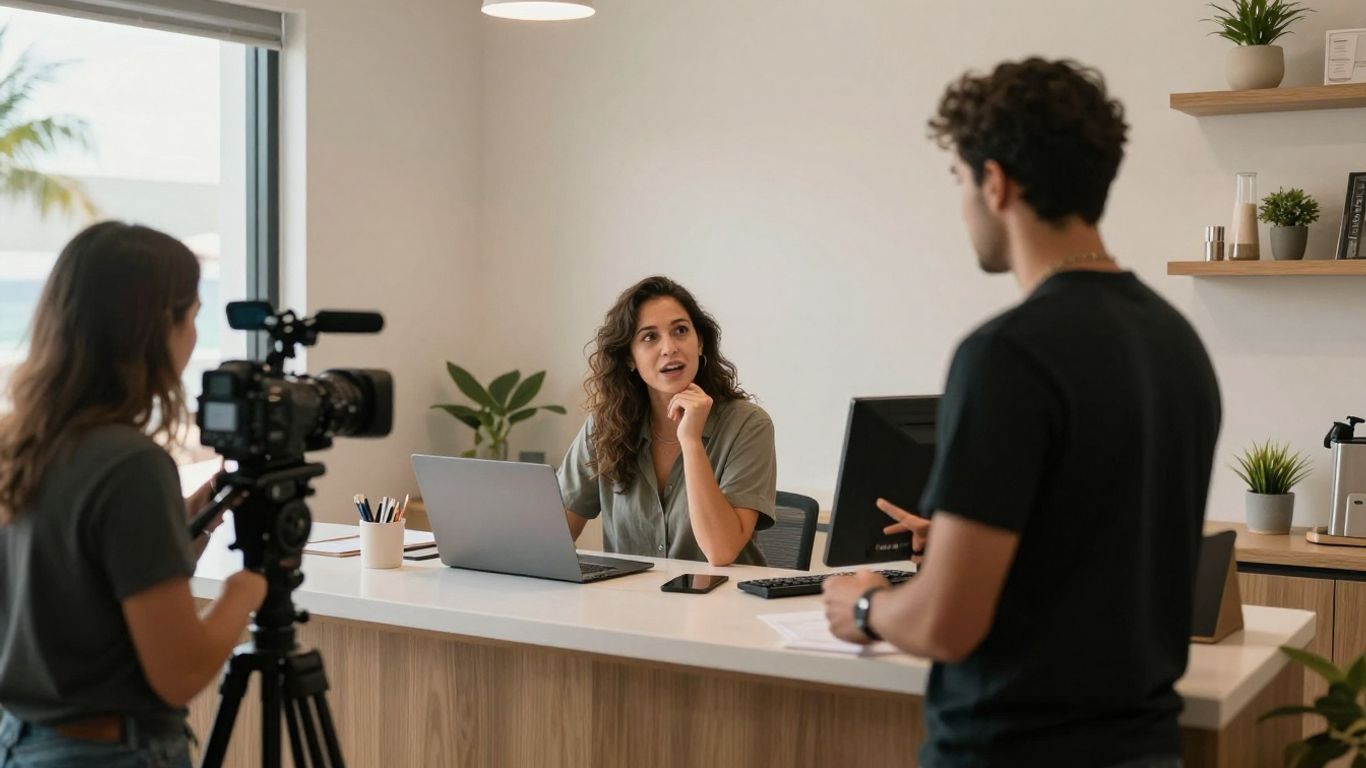
A customer testimonial can give a prospective buyer a clearer sense of what working with a business is like. The strongest conversations tend to feel specific and unforced: ask about the situation before, the experience, and what changed, without scripting a customer’s answer. VG Creations lists Testimonial Video Production as a service; any testimonial should still reflect the individual customer’s genuine experience, not imply a promised result for everyone.
Create social media content from a planned shoot
A planned shoot can gather more than one useful piece of footage, provided the team knows in advance where the material may appear. Think about the intended platforms and audiences before filming, then discuss framing, pacing, and the moments worth capturing. Plan for reuse early so the finished work is easier to adapt rather than trying to retrofit every clip later.
A simple content plan can help keep that shoot focused:
- Identify the main message for the session.
- Note the moments or questions that support it.
- Decide which platforms and audiences matter most.
- Set aside time for a few alternate shots or short takes.
That preparation creates options without turning one shoot into a jumble of unrelated ideas. Choose only the variations that genuinely serve the audience.
Use training videos to share knowledge consistently
Training videos can help teams revisit procedures, explanations, or demonstrations at the time they need them. Before recording, separate information that changes often from guidance that is likely to remain useful, so updates are easier to plan. A clear speaker, a well-ordered outline, and examples from the actual work can make the material easier to follow.
What to consider when choosing a videographer
A good fit is not only a question of attractive images. You also want a partner who understands the subject, communicates clearly, and can explain what happens between the first conversation and final delivery. The following checks can make the selection process more grounded.
Review portfolios for style and relevant experience
Look for work that has a tone and pace suited to your own project, then ask whether the portfolio includes examples with similar audiences or settings. Consider how interviews sound, whether the story is easy to follow, and how the edit handles detail. Even if your project is for a business, browsing wedding videographer portfolios can be a useful reminder that style and on-camera comfort shape the viewing experience.
Ask about planning, production, and editing
Ask what information the production team needs before filming and how it turns that information into a creative plan. It is also reasonable to discuss who will be on site, what the filming day involves, and how the edit will be reviewed. A clear workflow makes it easier to prepare your staff, location, and schedule without guessing.
Confirm deliverables, usage rights, and revision terms
Before booking, get the practical details in writing. A short discussion can clarify what files you will receive, where you may use them, and how feedback will be handled; these are separate questions, even when they are bundled into one estimate.
| Topic |
What to clarify |
Why it matters |
| Deliverables |
Final edits and file formats |
Helps you plan how the video will be used |
| Usage rights |
Where and for how long the video may appear |
Avoids uncertainty after delivery |
| Revisions |
Review rounds and feedback process |
Sets expectations for finishing the edit |
Once these points are clear, compare proposals on the same basis rather than judging only by the initial price. A written scope gives everyone a shared reference during the project.
Planning a Palm Beach video shoot
Good planning helps a shoot feel calm and purposeful, even when the location is busy or the schedule is tight. Start with the message, then work outward to the people, places, and practical details needed to capture it. Local conditions can shape a shoot, so leave room for a plan B.
Define your audience, message, and desired action
Be precise about who the video is for and what you want that person to understand or do next. A broad goal such as “raise awareness” becomes easier to work with when paired with a particular audience and one useful takeaway. If several messages compete for attention, decide which one should lead and let the others support it.
Choose locations, talent, and timing
Choose a location that makes sense for the story and is practical for the people being filmed. Consider how staff or customers will feel on camera, how much time they can set aside, and whether the space can be prepared before filming starts. A quieter time of day can help with both concentration and sound.
Account for permits, weather, and ambient noise
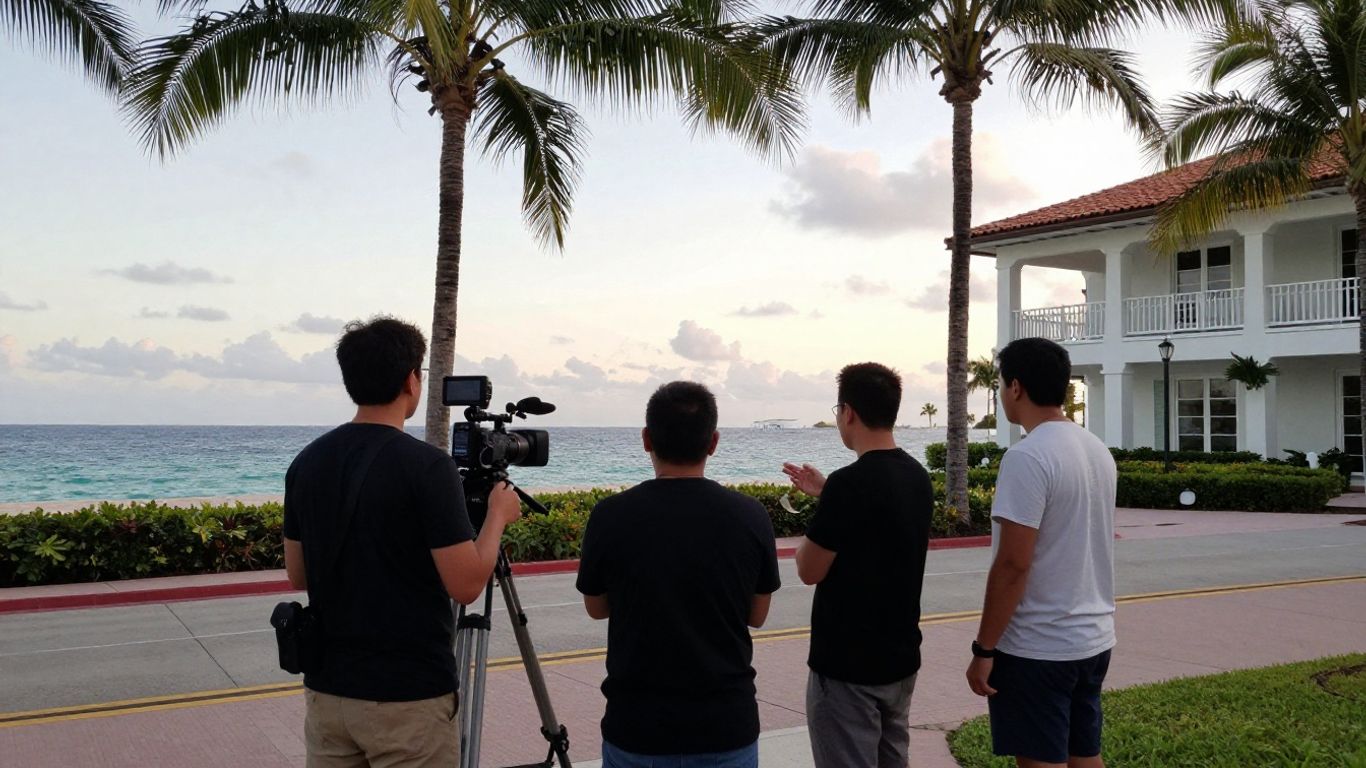
Outdoor filming can bring changing light, heat, rain, and unexpected background noise, so check the forecast and identify a covered alternative. Confirm whether a location requires permission before the crew arrives, especially if filming in a public or managed space. If the shoot includes a conversation, listen for air conditioning, traffic, and nearby activity that may compete with the speaker.
What to expect from the production process
A production usually moves through planning, filming, and editing, with decisions made at each stage affecting the next. The details vary by project, but a shared plan can keep the work organized and reduce avoidable surprises. Ask questions early if any part of the process is unclear.
Start with a discovery call and creative plan
The first conversation is a chance to explain your goals, audience, timing, and any constraints. From there, a creative plan can outline the story, filming needs, and intended deliverables. VG Creations describes a process that begins with a discovery call with its director of cinematography, followed by creating a plan and executing the strategy.
Coordinate filming around your schedule and location
Once the plan is set, confirm the shoot date, access to the location, and who needs to be present. Share any practical instructions with participants in advance, including where to arrive and what they should prepare. On the day, a little breathing room between setups can help the team adjust without rushing people through their parts.
Review edits and prepare final files for each platform
When reviewing an edit, focus first on whether the main point comes through and whether the story feels accurate. Gather feedback in one place and distinguish necessary corrections from optional preferences. Before delivery is complete, confirm the final file versions and formats you agreed on for the intended platforms.
Getting more value from your finished video
A finished video can continue to be useful after its first release, but reuse works best when it is deliberate. Consider where the audience may encounter it and what context they need in each setting. Then pay attention to whether the content is doing the job you planned for it.
Adapt the main edit for social channels and ads
The main edit can serve as the source for shorter versions, provided each cut still makes sense on its own. Select moments that communicate a complete thought, and avoid trimming away context simply to meet a length target. A social post and a paid ad may need different openings or calls to action, so decide what each version should accomplish.
Add captions and clear calls to action
Captions make spoken content easier to follow in settings where viewers may not have sound on, and they help people keep track of names or key details. Review them for accuracy rather than relying on an automatic transcript without checking. A clear call to action should tell the viewer what to do next, using language that fits the goal of that particular video.
Track engagement and business results
Choose a few measures that relate to the original purpose, then review them over a sensible period rather than reacting to a single early signal. Views may indicate reach, while completed views, inquiries, or other relevant actions can offer different clues. Use what you learn to inform the next project, not to assume one video alone explains a business result.
Conclusion
A strong Palm Beach video project brings together a clear message, thoughtful planning, and a production process that suits the business and its audience. Start with what viewers need to understand, make the practical details explicit, and give the finished work a role beyond its first release. Those choices help turn a shoot into a more useful part of your communication.
Frequently Asked Questions
How do I choose a videographer in Palm Beach?
Review work that fits your desired style, ask about relevant experience and workflow, and compare written scopes for deliverables, rights, and revisions.
What types of business videos can I make?
Common options include brand films, commercials, corporate videos, testimonials, interviews, event coverage, training content, and video podcasts.
How much should I budget for a business video?
Costs depend on the scope, crew, locations, filming time, editing needs, and deliverables. Ask for a written estimate that explains what is included.
How long does video production take?
Timing varies with planning, scheduling, filming, review, and editing. Discuss deadlines early and allow time for participants to review the edit.
What should I prepare before a video shoot?
Prepare the main message, audience, location, participants, schedule, and any permissions needed. It also helps to identify likely sound or weather challenges.
Can one shoot create content for multiple platforms?
Often, a planned shoot can capture material for more than one use. Discuss platform requirements and intended versions before filming so the crew can plan accordingly.
What should I look for when reviewing a video edit?
Check that the story is accurate, the central message is clear, the sound is understandable, and the agreed deliverables are present. Consolidated feedback can make revisions easier to manage.