Key Takeaways
Producing high-quality video content requires a thoughtful collection of gear that balances technical capability with creative flexibility. Mastering these essential tools helps professionals and businesses transform raw concepts into compelling visual stories.
- Professional cameras form the foundational core of your visual storytelling workflow.
- High-quality lenses allow you to dictate the mood and depth of each frame.
- Stable support and stabilization tools ensure your footage remains cinematic and smooth.
- Proper lighting modifiers transform simple environments into professional broadcast settings.
- Reliable storage and post-production hardware protect your raw data and streamline the final edit.
1. Professional cinema cameras
Selecting a camera is perhaps the most significant step in your production journey, as it dictates the base resolution, dynamic range, and color science of your footage. Many creators begin with mirrorless systems, which provide a compact yet powerful entryway into high-end acquisition. These devices are often versatile enough to handle both narrative storytelling and fast-paced event coverage, making them mainstays in modern kits.
However, moving into a dedicated cinema camera often provides hardware features that simplify life on set. These cameras are built for long recording times and feature professional inputs for syncing with external audio gear. Understanding the specific needs of your project—whether you are capturing high-speed action or static interviews—will guide you toward the right sensor format and mount system.
Integrating the right hardware is where VG Creations excels, focusing on technologies that yield high-quality visual results. By choosing a sensor that aligns with your specific distribution goals, you ensure that every frame maintains clarity and detail. The choice between full-frame and Super 35 formats remains a critical decision that influences your entire aesthetic approach.
2. Versatile prime and zoom lenses
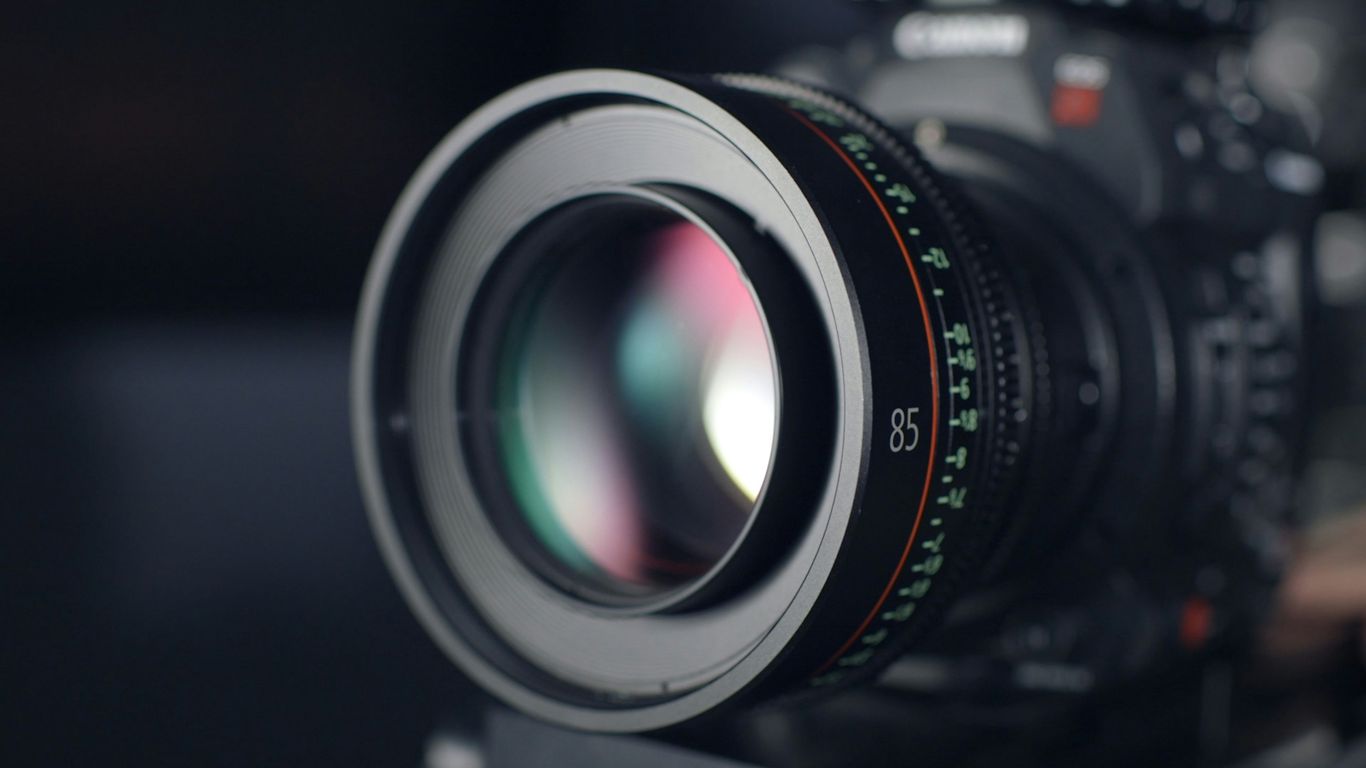
Lenses act as the eye of your camera, determining not just the field of view but also the character of your images. A sharp prime lens with a wide aperture creates those beautiful, blurred backgrounds that draw viewers into the subject, while a zoom lens adds the speed required when covering unpredictable events. Having a comprehensive set ensures you are ready for any lighting condition or compositional move.
Professionals prioritize glass that minimizes distortion and chromatic aberration, keeping images crisp. When you pair a high-quality lens with a capable sensor, the result is a distinct look that separates professional projects from hobbyist efforts. Consider the focal lengths that define your style, focusing on wide angles for establishing shots or tight telephoto reach for intimate portraits.
| Lens Type |
Best Use Case |
Key Advantage |
| Prime 35mm |
Documentary handheld |
Low light performance |
| Zoom 24-70mm |
Corporate events |
Unmatched versatility |
| Macro 100mm |
Product close-ups |
Extreme detail reach |
Selecting the right optic is all about matching the lens to your story, as different focal lengths change how the audience perceives space in the frame. By investing in quality glass, you effectively Future-proof your kit for many years of production excellence.
3. Stable tripod and support systems
Stability is the silent partner of every great shot, preventing the distracting jitters that can immediately reveal a production as amateur. A professional-grade tripod utilizes a smooth fluid head, which allows for buttery pans and controlled tilts that feel second nature to a viewer. This level of control is vital for interviews or long-form presentations where steadiness is paramount.
Beyond basic tripods, modular support systems provide the flexibility needed for various shooting angles. Many creators take advantage of Ikan International to enhance their production quality through reliable grip accessories. These tools allow for quick adjustments during fast-paced scenarios, ensuring that you never miss a moment because your gear couldn’t keep up.
When choosing support, prioritize weight capacity and set-up time. A tripod that takes seconds to deploy allows you to focus on directing the subject and framing the action. Solid support isn’t just about weight; it is the backbone of high-quality cinematography, ensuring your framing remains deliberate throughout the shoot.
4. LED lighting and modifiers
Proper lighting separates high-quality productions from average clips. LED panels offer a precise, flicker-free light source that is easy to manage on set, often allowing for adjustable color temperature to match ambient surroundings. When you pair these lights with softboxes or diffusion panels, you can create a flattering, soft-light quality that makes your subjects look natural and professional.
Modifiers are truly where the magic happens, as they shape the behavior of your light. Utilizing grids, snoots, or large umbrella reflectors helps you direct the beam exactly where it needs to be, avoiding spill that might ruin a carefully composed dark scene. Understanding how to sculpt light allows you to craft a specific atmosphere for different types of content.
One common mistake is relying on mixed color temperatures from practical lights in a room. By using a consistent set of professional LEDs, you exert control over the environment and save hours in post-production. Mastering this balance is essential for achieving the polished, cinematic aesthetic required in today’s visual media.
5. High-fidelity audio recording sets
Visuals only carry half the story; poor audio can devastate the credibility of an otherwise perfect video. A professional kit includes a mix of shotgun microphones for directional dialogue and lavalier systems for clear, hands-free personal audio. Ensuring that your signal is clean and free of noise floor issues is a non-negotiable standard for any project.
If you are serious about sound, consider using external recorders that provide individual channel control. Setting proper gain levels during the recording stage prevents digital clipping, which is often impossible to repair after the fact. Recording crisp audio is often the secret to engaging audience retention over long-form viewing.
Following a set recording process ensures your audio remains consistent across multiple takes. Whether you are producing a corporate interview or a complex documentary, treating sound as a standalone priority ensures a better end product. High-fidelity sound is a core requirement for any video production checklist you might follow for your upcoming projects.
6. Reliable gimbal or stabilizer rigs
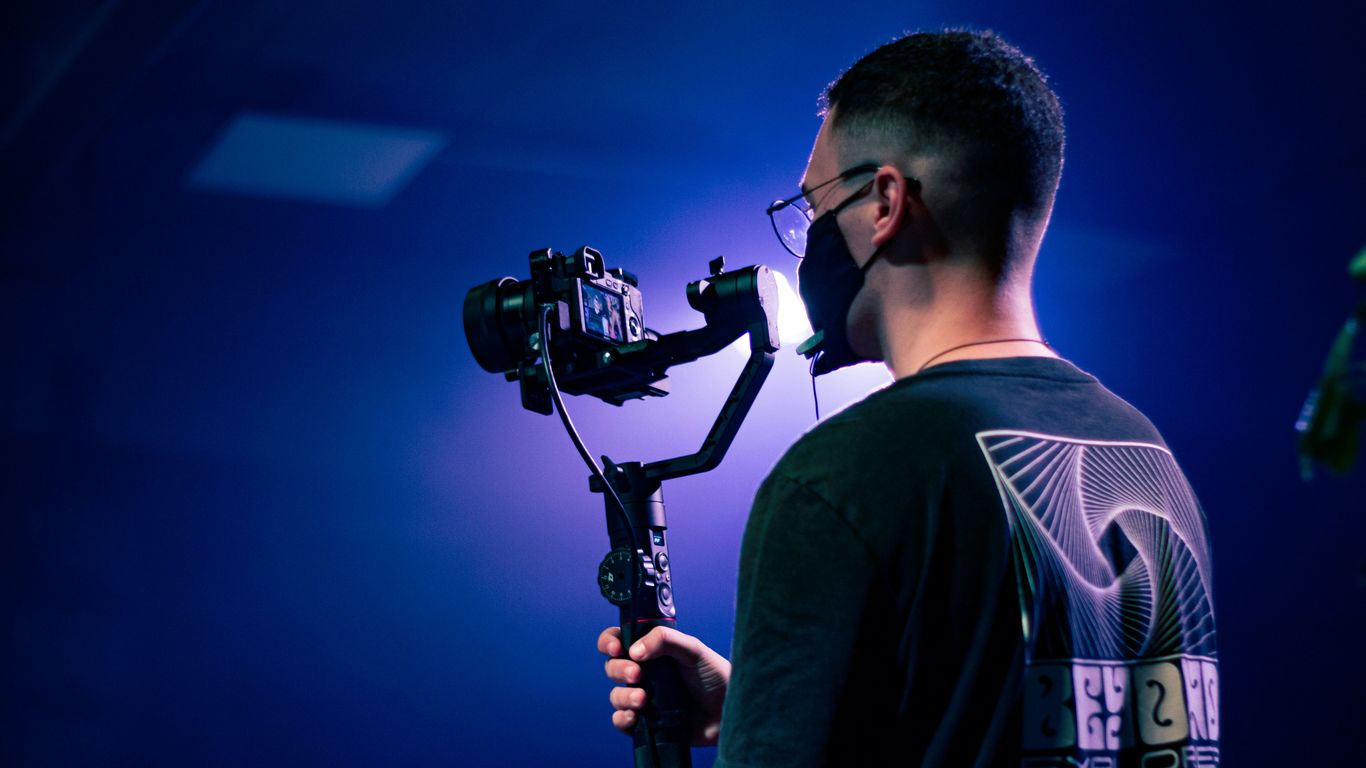
Advanced stabilizers, such as powered gimbals, allow for active, flowing camera movements that resemble high-end movie production. By negating small shakes and allowing for smooth tracking shots, they give your footage a professional polish that is difficult to replicate with handheld technique alone. They excel in environments where you need to move quickly, such as covering events or following a subject through a building.
When selecting a rig, consider the weight of your camera and lens combination. A balanced rig reduces physical strain and ensures that the motors operate within their optimal range. Many creators use tools from Glide Gear to achieve cinematic shots that would otherwise require much heavier dollies or tracks, offering a significant gain in production efficiency.
Integrated stabilization is about finding the right balance between mobility and control. You do not need to use a gimbal for every shot; sometimes, the natural movement of a tripod or handheld is exactly what the story requires. However, having it available means you are prepared for dynamic sequences that demand movement.
7. Fast and secure storage solutions
High-bitrate footage consumes space at an incredible speed, making rapid and reliable storage a necessity. Using high-speed SSDs allows you to offload data in minutes rather than hours, reducing the time your camera sits idle. Backup strategy is equally important, as failing drives should never result in the loss of critical client material.
Organize your media with clear naming conventions and folder structures from the very first day. This simple habit saves immense amounts of time during the edit, preventing the frustration of hunting for missing files. Secure storage is the foundation of a modern video editing workflow, ensuring your archives remain safe and accessible.
- RAID systems for real-time redundancy.
- Portable SSDs for on-location backups.
- Cloud storage for off-site disaster recovery.
- LTO tape for long-term project archival.
Maintaining a multi-layer backup plan provides peace of mind that your work is protected. The investment in high-quality drives is an investment in the security of your business and the professional reputation you build with every delivery.
8. Professional external video monitors
Camera screens are rarely large enough or color-accurate enough to make definitive creative decisions during a shoot. An external field monitor provides a much larger image, making it easier to check focus, see subtle exposure fluctuations, and review composition in real-time. This extra visual fidelity is essential when working with complex lighting or shallow depth of field.
Many monitors also include professional tools such as zebras, false color, and scope readouts. These assist you in mapping your exposure precisely, ensuring that highlights are not blown out and shadows contain detail. Relying on your eye alone can be misleading, especially in bright outdoor conditions where the sun hides details on built-in screens.
Investing in a good monitor transforms how you approach the set. It allows the director or client to see exactly what the sensor is seeing, reducing miscommunication. It acts as a bridge between the camera and the final vision, ensuring everyone is on the same page regarding the look of the project.
9. Essential post-production hardware
Editing modern video projects requires significant processing power, especially if you are working with 4K or RAW footage. A machine with a robust CPU, massive RAM, and a high-performance GPU turns the edit into a creative process rather than a technical bottleneck. If your software stutters while applying effects, your rhythm and flow are inevitably broken.
Beyond the computer itself, your display monitor plays a critical role in color grading accuracy. A screen that covers a high percentage of the color space ensures that what you see while editing is actually what your client will see on their displays. Achieving this consistency is a standard hallmark of professional cinematography for web and TV alike.
- High-speed NVMe drives for software performance.
- Ergonomic keyboards with mapped shortcuts.
- Color-calibrated monitors for accurate grading.
- Tablets for precision rotoscoping work.
By simplifying your technical setup, you allow your brain to focus on the story. When hardware doesn’t stand in the way, you can polish transitions, clean up audio, and grade colors with confidence. Proper post-production hardware is the key to delivering the polished final result that meets high client expectations.
10. Durable camera bags and travel gear
Your equipment is an investment, and having a system to protect it during transit is vital. A high-quality bag offers impact protection, water resistance, and an organizational layout that lets you access specific pieces of gear without unpacking the entire kit. Choosing the wrong carrier often results in damaged gear or wasted time during setup.
Consider the types of shooting locations you frequent. If you are regularly flying to locations, look for cases that meet airline carry-on requirements. For local work, a simple backpack might offer enough comfort, but always look for modular dividers that can be customized as your kit inevitably evolves and grows.
Finally, don’t overlook basics like extra batteries and charging cables. An empty rig is useless, regardless of how much you paid for the camera. Keeping your accessories in dedicated pouches within your bag ensures you are always ready for the day ahead, letting VG Creations keep the focus squarely on moving the story forward.
Elevate Your Visual Strategy
We would love to help you plan your next production. Get a quote for your business project to ensure you have the video strategy that drives results.
Conclusion
Building a professional-grade set of equipment is a deliberate journey that enhances not just the look of your projects, but the efficiency of your workflow. By prioritizing items like stable support, quality glass, and clear audio, you ensure that every production meets a professional standard that resonates with your audience. As you expand your kit, always remember that technology serves the story; the best gear is that which keeps you focused on your creative mission without adding technical friction.
Frequently Asked Questions
What camera should a beginner start with?
Beginners should look for mirrorless cameras that offer a balance between high-quality video resolution and easy-to-use autofocus, as these features allow you to focus on learning composition without being overwhelmed by technical specs.
Why is a tripod essential for beginners?
A tripod provides the necessary stability to produce professional-looking footage, eliminating the shaky, handheld aesthetic that can often make a video appear unpolished or distracting to the viewer.
Do I need to buy professional lights immediately?
While natural light can be beautiful, adding at least one dedicated LED light with diffusion can drastically improve your interior shoots, helping you maintain consistency and control regardless of the available ambient light.
How important is external audio?
External audio is essential because viewers are more forgiving of poor image quality than they are of poor sound; crisp, clear audio is the primary factor that keeps an audience engaged throughout your video.
How often should I back up my video files?
You should back up your files as soon as you stop filming, using a multi-layer strategy such as keeping one copy on a local drive and another in a secure cloud or off-site location to ensure data safety.
Can I edit video on a standard laptop?
While many modern laptops can handle basic tasks, high-resolution or multi-camera projects require significant processing power and high-speed memory to run properly without stuttering, so a dedicated editing workstation is usually preferred.
What is a lens aperture and why does it matter?
The aperture controls how much light enters the lens and the depth of field; a wider aperture allows for lower-light performance and a dreamy, blurred background, which helps focus the viewer’s attention on your subject.