Key Takeaways
Creating compelling video content relies on a disciplined approach that spans preparation, technical execution, and efficient editing. Whether you are a brand or an individual creator, these foundational elements determine the quality and impact of your output.
- Proper planning through Pre-production planning ensures every shoot has a clear purpose and efficient timeline.
- Mastering your camera settings for specific lighting conditions remains the best way to ensure visual consistency.
- Audio capture is often the most overlooked part of videography but significantly impacts viewer retention.
- A organized workflow for post-production prevents common delays and allows for faster delivery of finished assets.
- Strategic movement and lighting choices help direct audience attention to the most important parts of your brand story.
Pre-production planning
Defining the video strategy and brand goals
Successful projects start long before you press record on your camera. By clearly defining what you aim to achieve, you provide a roadmap for every decision made on set, from equipment choice to visual tone.
Developing a cohesive storyboard and shot list
Mapping out your vision helps in identifying exactly which shots are necessary to tell your story effectively. When you work with a social media video content agency, they often emphasize these guides to ensure that no vital angle is missed during a shoot.
Scouting locations for optimal visual impact
Finding the right setting involves looking for lighting potential and background noise interference. Professional teams verify these factors early on to prevent logistical nightmares on the day of production.
Coordination and logistics for production day
Managing a team requires clear communication and detailed schedules so that nothing is left to chance. Coordination represents the backbone of event video production, allowing a filmmaker to focus on capturing the action instead of chasing down props or microphones.
Mastering camera settings and composition
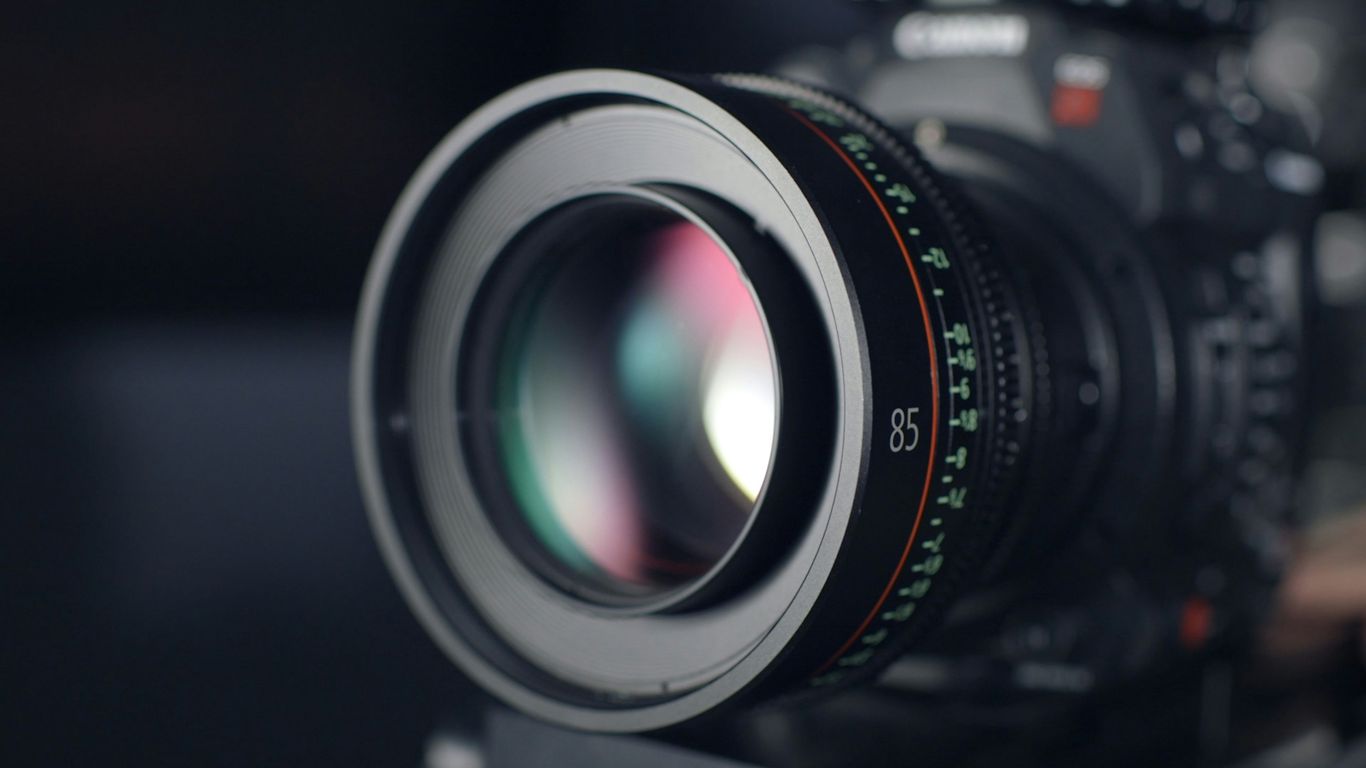
Utilizing the rule of thirds and leading lines
Composition is about guiding the viewer’s eye through the frame in a purposeful way. By using the rule of thirds, you place subjects strategically, which is one of the 19 essential videography tips that beginners often learn first to immediately improve their framing.
Balancing aperture, shutter speed, and ISO for cinematic footage
Managing your exposure triangle requires fine-tuning each variable to fit the lighting environment. This table provides a quick reference for standard creative adjustments during variable lighting situations:
| Setting |
High Light |
Low Light |
| Aperture |
Narrow (F/8) |
Wide (F/1.8) |
| Shutter Speed |
1/100 |
1/50 |
| ISO |
100 |
800+ |
These adjustments directly influence the depth of field and the amount of noise present in your raw footage.
Selecting the right frame rate for your brand message
Choosing between 24fps and 60fps changes the emotional resonance of your work. Higher frame rates create smooth, crisp motion, while a traditional 24fps frame rate provides that familiar, classic movement seen in cinema.
Understanding focal lengths and depth of field
Focal length dictates how much of your scene is visible and how compressed the background appears. Mastering these basic techniques allows you to separate your subject from the environment, creating a professional look that keeps the viewer focused on the narrative.
Lighting techniques for professional quality
Utilizing natural light versus artificial lighting setups
Natural light offers a beautiful, soft quality when positioned correctly in relation to the subject. Artificial lighting, however, provides the consistency required for complex, staged video productions where you cannot control the position of the sun.
Mastering three-point lighting for interviews and corporate videos
VG Creations utilizes this foundational setup to ensure corporate subjects appear balanced and professional. A complete setup typically includes three primary components:
- Key light placed at a 45-degree angle to provide the main source of illumination.
- Fill light positioned to soften shadows on the side of the face opposite the key.
- Backlight used to separate the subject from the background by highlighting their profile.
This method keeps your subject looking distinct and prevents them from blending into a dark backdrop.
Controlling shadows and highlights for a cinematic look
Managing contrast helps define the mood of your scene, moving shots from flat to high-impact. Properly exposing your footage allows for more flexibility during color grading, ensuring highlights don’t clip and shadows retain detail.
Adapting lighting for different environments and brand moods
Different brand voices call for varying light intensities. A warm, high-contrast light might fit a personal story, while bright, uniform light is often better for technical or instructional content to ensure every detail is perfectly clear.
Audio capture and sound design fundamentals

Choosing the right microphone for specific shooting scenarios
Capturing clear audio is non-negotiable for professional production. Whether you are using a lapel mic for interviews or a shotgun mic for run-and-gun movement, the hardware must be selected based on the proximity to the source.
Techniques for capturing clean dialogue in noisy environments
Getting close to the source is the simplest hack for better audio, but you should also use techniques like wind-muffs outdoors or positioning yourself against noise sources. When audio is clean, viewers stay engaged longer. Clear sound builds audience trust throughout your entire video production process.
Managing audio levels and monitoring during production
Always wear headphones while recording. Monitoring audio in real-time allows you to catch clipping or background buzzing immediately, which saves hours of frustration during the edit.
Importance of ambient sound and room tone
Recording ten seconds of dead air in every location provides a texture bed for your edit. This room tone helps bridge gaps between dialogue clips during the post-production stage, making edits sound natural rather than jarring.
Advanced cinematography and movement
Smooth camera movement using stabilizers and gimbals
Modern gimbals allow for cinematic tracking shots that were once only possible with expensive equipment like dollies. Smooth camera work adds a layer of sophistication to your footage, making even static scenes feel dynamic.
Incorporating handheld motion for creative storytelling
Handheld movement introduces a sense of realism and energy. When you shift the camera while the subject is stationary, you influence how the audience perceives the intensity of a particular moment.
Pacing and shot variety for viewer retention
Variety is essential, but it should be purposeful. Mixing wide establishing shots with tight inserts keeps the viewer guessing and ensures the story progresses without feeling stagnant.
Using camera blocking to direct audience attention
Planning how a subject moves within the frame helps guide where the viewer looks. By using e-commerce video production techniques like strategic blocking, you can draw eyes to products or key information without relying on text overlays.
Streamlining your post-production workflow
Organizing project files for efficiency and speed
Saving time in post-production starts with a consistent folder structure. When VG Creations handles complex edits, they keep assets categorized clearly to ensure that projects flow through the pipeline fast.
Best practices for color grading and look consistency
Color grading ties a video together, turning raw, flat footage into a cohesive piece of art. Consistency across multiple camera angles is what separates an amateur edit from a polished brand asset.
Editing to the beat and narrative flow
Matching cuts to music beats can subconsciously improve how the audience feels about your video. Editing isn’t just about removing mistakes; it is about setting a rhythm that keeps the audience watching until the very end.
Ensuring fast turnaround times without compromising quality
Automation and templates are tools that great studios use to move fast. By optimizing your export settings and keeping a clean timeline, you can deliver high-quality content much faster than a cluttered setup would allow.
Conclusion
Moving your video content to a professional standard requires a blend of technical preparation and creative storytelling. If you prioritize audio clarity, stable composition, and strategic planning, you will find that your content resonates far more deeply with your audience. We invite you to book a consultation and see how VG Creations turns stories into assets.
Frequently Asked Questions
Do I need expensive gear to create professional videos?
No, modern smartphones are often capable of capturing exceptional results if you master lighting and audio. It is the understanding of your equipment, rather than the price of it, that matters most.
What is the most important part of videography?
Audio is widely considered the most critical component, as viewers will forgive slightly lower video quality but will rarely stick around for a video with muffled, echoing, or distracting sound.
Why does my indoor footage look grainy or dark?
Grain is usually a result of high ISO settings, implying your camera is struggling to find enough light. You should add more light to your subject rather than cranking up your sensor settings.
How long should my social media videos be?
These vary by platform, but shorter is usually better for reaching new viewers. Focus on capturing attention within the first four seconds to keep your audience engaged.
What is the purpose of a shot list?
It acts as a checklist to ensure you capture every angle needed to craft a coherent story, reducing the risk of realizing you missed a essential shot after you have already left the location.
How can I make my footage look more cinematic?
Incorporating proper lighting, using shallow depth of field, and keeping your camera movements smooth are the core ingredients of a cinematic look that distinguishes professional work from hobbyist clips.
Does frame rate matter for every project?
Yes, it determines how reality is captured; 24fps gives a natural, cinematic motion blur, while higher frame rates like 60fps are preferred for sports or slow-motion sequences.