Key Takeaways
A strong visual plan helps the west palm beach marriott hotel communicate more than what a room looks like. It can give future guests, meeting planners, and event hosts a clearer sense of the stay before they arrive.
- Define audiences, booking moments, and measurable campaign goals before filming.
- Use cinematic room footage to explain layout, comfort, and useful details.
- Capture the property’s atmosphere without interrupting guests or staff.
- Build event, photography, and short-form assets that can be reused across channels.
- Review performance data and refresh creative based on audience response.
Define the hotel’s visual marketing goals
Visual marketing works best when it begins with a clear business question. For a hotel, that question might involve filling rooms during a slower period, attracting conference planners, or helping leisure travelers picture an entire stay. The answer should guide the locations, people, formats, and timing of the production. A thoughtful plan also keeps the final library from becoming a collection of disconnected pretty shots.
Identify priority audiences and booking moments
Start by separating the people the hotel wants to reach. A couple planning a weekend away will notice different details than a corporate coordinator comparing meeting spaces, while a family may care most about room configuration and ease of arrival. Map each audience to the moment when visual proof could reduce uncertainty, such as researching accommodations, comparing event venues, or deciding whether to request a proposal.
The West Palm Beach video production guide offers a useful local reference point for thinking about how business video can serve different objectives. Applied to hotel content, the same principle means making every scene answer a practical question for someone close to booking.
Align content with the hotel’s brand positioning
A hotel’s visual identity should feel consistent from the first exterior frame to the final event highlight. Decide whether the tone should feel relaxed, polished, energetic, intimate, or some careful combination of those qualities. Then carry that choice through color, pacing, music, camera movement, wardrobe, and the way people interact with the spaces.
The goal is not to make every image look identical. It is to create a recognizable point of view, so a viewer can understand the character of the property even when the content moves from a guest room to a ballroom or lobby.
Choose measurable campaign objectives
Before production, connect each content group to a useful signal. Awareness assets may be judged by reach and completed views, while room content can be compared through engagement with accommodation pages or booking-path behavior. Event material might support inquiry volume, proposal requests, or time spent on meeting-space pages.
A clear measurement plan also keeps creative decisions grounded. Instead of asking whether a video simply looks good, the team can ask whether it attracts the intended audience, answers a booking concern, or encourages the next step.
Build a practical production timeline
Work backward from the publishing date and identify when rooms, event setups, staff, talent, and shared spaces will be available. Build in time for weather changes, guest privacy, audio checks, editing, internal review, and any required revisions. A modest schedule with realistic buffers is usually more useful than an ambitious shot list that cannot be completed cleanly.
For a broader checklist of production decisions, the Palm Beach videographer planning guide can help organize objectives, logistics, style, and budget before a crew arrives. The same preparation is especially valuable in a hotel, where access can change throughout the day.
Showcase rooms and suites with cinematic video
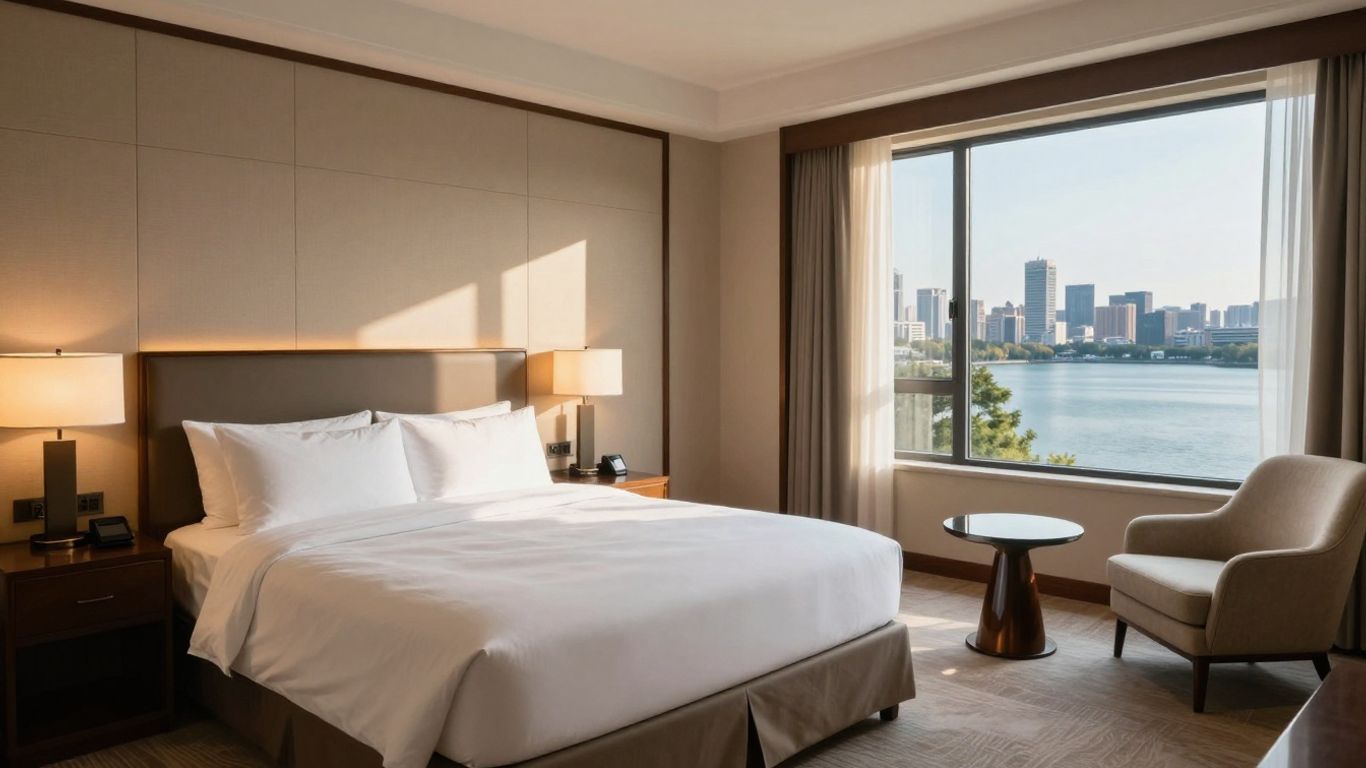
Room footage should help viewers understand how a stay might feel, not merely prove that furniture exists. A strong walkthrough gives the eye a natural path through the space while allowing enough time for viewers to notice proportions, views, storage, lighting, and bathroom details. For the west palm beach marriott hotel, a visual library can also distinguish room categories without making each video feel repetitive.
Plan room walkthroughs that highlight layout and amenities
Begin with the route a guest would naturally take: entry, sleeping area, sitting or work space, bathroom, and view. Use a consistent structure for different room types so viewers can compare them easily, then add moments that make each category distinct. Wide shots establish scale, while slower passes over useful features help the audience understand how the room functions.
A visual reference such as the hotel room and suite gallery can help identify the range of spaces worth covering, including guest rooms, suites, accessible bathrooms, the concierge lounge, and the business center. The production should translate that range into an easy-to-follow experience rather than a hurried montage.
Use lighting and camera movement to create an inviting atmosphere
Natural light can give a room a fresh, open feeling, but it needs to be observed throughout the day. Schedule key shots when windows, lamps, and practical fixtures work together instead of fighting one another. Gentle camera movement can lead viewers through the room, while a locked-off frame may be better for showing a bathroom layout or work surface.
Movement should have a reason. A slow approach toward a window can establish the view; a measured pan can reveal how the bed relates to the seating area. Keeping the camera calm makes the room feel accessible rather than staged for spectacle.
Capture details that influence booking decisions
Small details often carry practical value. Film the width of walkways, the position of outlets, the texture of linens, the available seating, and the way daylight enters the room. Include bathroom fixtures and accessible features accurately, with enough context for viewers to understand their placement.
The best detail shots are selective. A short sequence of genuinely useful views can build more confidence than a long reel of decorative close-ups with no sense of scale.
Adapt room footage for websites, social media, and advertisements
One room shoot can support several edits when framing is planned in advance. Capture horizontal compositions for room pages and longer walkthroughs, then reserve clean vertical compositions for short-form channels. Leave enough visual space for platform interfaces and avoid cutting away before a viewer understands what is being shown.
Create versions with different openings, durations, and calls to action while preserving the same visual language. That approach gives the marketing team flexibility without requiring a separate shoot for every placement.
Highlight guest experiences throughout the property
A hotel is experienced as a sequence, beginning before the guest reaches the room. Visual storytelling should follow that sequence through arrival, welcome, dining, wellness, recreation, and the quieter transitions in between. These scenes provide emotional context that room footage alone cannot supply, while still leaving room for authentic, unhurried moments.
Film arrival, check-in, and lobby moments
Arrival footage should make the first few minutes feel easy to imagine. Show the approach to the property, the entry, the rhythm of the lobby, and the welcome at the desk without turning service into a staged performance. A few carefully framed interactions can communicate warmth, clarity, and calm.
Use wide frames to establish the lobby’s character and closer shots for gestures, luggage movement, or a guest settling into a seating area. The sequence should feel like an invitation, not a surveillance reel.
Feature dining, wellness, and recreation spaces
Each amenity deserves a visual story built around how it is used. Dining footage might move from preparation to a shared table, while wellness content can focus on quiet, texture, and unhurried movement. Recreation scenes benefit from a clear sense of space and energy, especially when the viewer needs to understand whether the setting suits a quick break or a longer stay.
Plan transitions between these areas so the property feels connected. Light, sound, and pacing can shift subtly while the overall edit remains cohesive.
Capture service interactions without disrupting guests
Schedule service scenes during controlled windows whenever possible. Coordinate with staff so the crew knows where to stand, which actions can be repeated, and when a space must remain fully operational. Use a small footprint, quiet equipment, and longer takes to reduce the need for repeated interruptions.
Guest privacy should shape the shot list from the beginning. Obtain appropriate permissions, avoid identifiable bystanders when releases are not available, and be prepared to change framing if an unplanned guest enters the scene.
Balance staged scenes with authentic atmosphere
Staged scenes can clarify the experience, but they should retain natural behavior. Ask talent to move through the property as a real guest might, with simple direction rather than rigid choreography. Then capture ambient sequences—doors opening, morning light in the lobby, a server resetting a table—to give the edit texture.
A useful balance lets viewers see the intended experience while still sensing that the property is alive. That mix is often more persuasive than either a perfectly controlled commercial or an unstructured collection of candid clips.
Create engaging event and conference content
Event content has two jobs: preserve what happened and help future planners imagine what could happen next. The camera should document the room before guests arrive, the energy during the program, and the details that make the gathering feel considered. For a hotel, that means showing both the physical flexibility of the venue and the quality of the experience around it.
Document meeting spaces and event setups
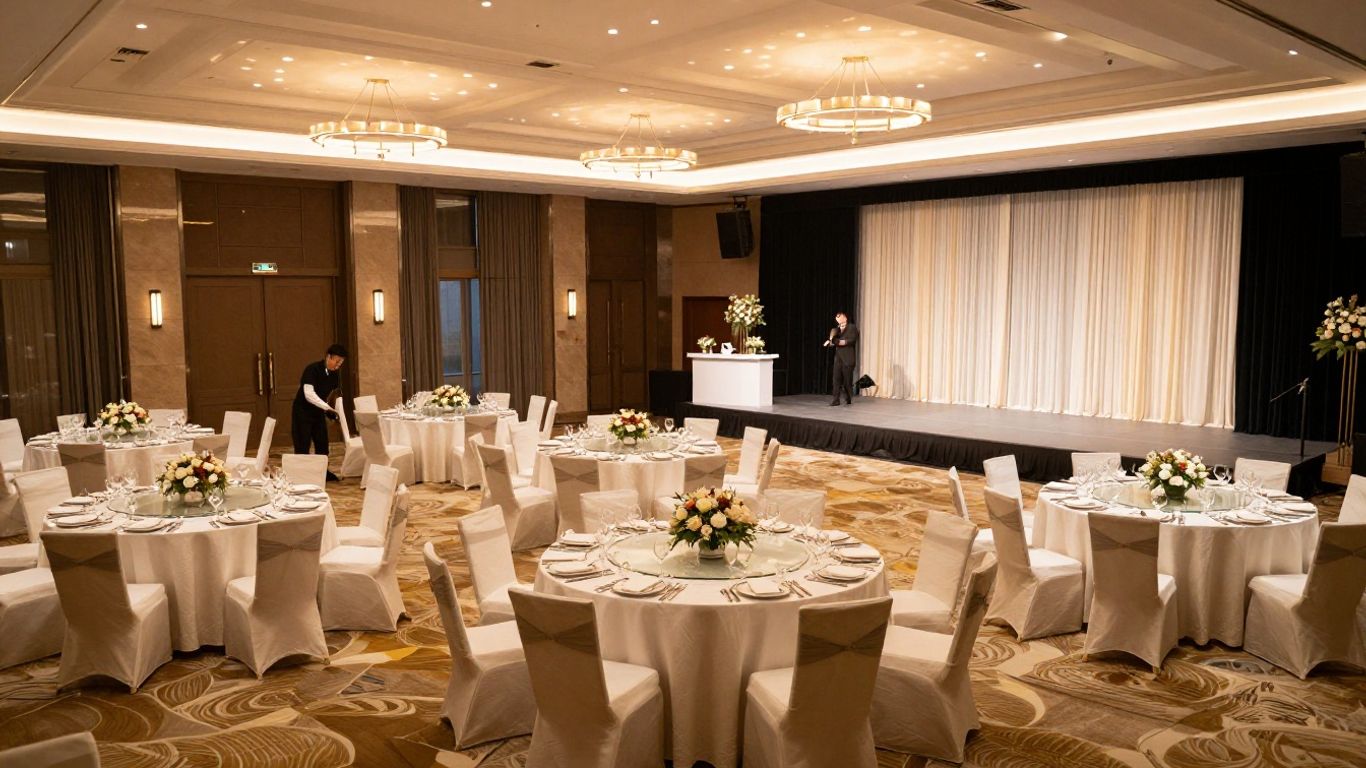
Photograph and film rooms before attendees enter, then return after the setup is complete. Show different seating arrangements, staging, table details, lighting, registration areas, and circulation paths. A planner needs to understand not only how the room looks, but also how people move through it.
Use establishing frames first and detail shots second. That order gives viewers a sense of scale before they focus on floral design, place settings, screens, or branded elements.
Produce promotional videos for planners
A planner-facing video should answer operational and emotional questions in a concise way. Show the room, the arrival experience, the supporting spaces, and the types of gatherings the property can host without promising details that have not been confirmed. Interviews with organizers or staff can add context when they are prepared around specific, verifiable points.
The edit should be easy to reuse in proposals, venue pages, sales presentations, and social posts. Build a version that establishes the property broadly, then shorter cuts focused on atmosphere, setup, or planner considerations.
Capture weddings, conferences, and corporate gatherings
Different event types call for different visual priorities. Weddings may benefit from anticipation, movement, and intimate details, while conferences need clear coverage of speakers, audiences, branding, and networking. Corporate gatherings often sit between the two, requiring polished documentation alongside a sense of genuine connection.
Capture reactions and transitions as carefully as headline moments. A speaker taking the stage matters, but so does the room settling, colleagues speaking between sessions, or guests moving from one part of the event to another.
Coordinate filming around event schedules and privacy needs
The production plan should be built around the run of show, not placed on top of it. Confirm access windows, restricted areas, speaker preferences, music and audio conditions, and whether attendees may appear on camera. Assign one point of contact who can make quick decisions when the schedule changes.
A compact kit and a clearly communicated crew route can keep filming unobtrusive. When the team respects the event’s pace, it is more likely to capture natural moments without making guests feel observed.
Use photography and short-form social media content
Photography and short-form video extend the value of a larger production. Still images can support room pages, listings, proposals, and editorial placements, while vertical clips create frequent reasons for audiences to revisit the property online. The strongest libraries are planned as a system, with enough variety to stay useful across seasons and campaigns.
Create a balanced library of photos and vertical videos
Build a capture list that includes wide property views, medium scenes, detail images, people in context, and clean room documentation. For video, record both brief action clips and longer moments that editors can shape into several versions. Keep compositions consistent enough that photos and video feel like part of one collection.
VG Creations provides photography and social media visuals alongside cinematic brand content, commercial videos, and event coverage. For a hotel project, those capabilities fit naturally into a coordinated library rather than separate one-off assignments.
Develop reels, stories, and behind-the-scenes clips
Short-form content works when each clip has one simple point. A reel might guide viewers through a room, show an event transformation, or follow a quiet morning across shared spaces. Stories can carry timely updates, while behind-the-scenes footage can introduce the people and process behind a polished final piece.
Keep the first seconds visually clear and use captions where sound may be off. A repeatable set of formats makes it easier for the hotel team to publish consistently without forcing every post into the same template.
Showcase seasonal experiences and local attractions
Seasonal content gives the library a reason to change. Plan around weather, holidays, conferences, dining moments, and nearby experiences that matter to the intended audience. Local context can help a prospective guest picture a complete itinerary rather than an isolated night indoors.
The story should remain accurate and current. Confirm availability, opening times, and event details before publishing, especially when a clip may stay online beyond the season in which it was filmed.
Maintain consistent branding across every platform
Create simple rules for color, type treatment, framing, music, captions, and logo use. Then adapt the rules to each channel instead of copying one edit everywhere. A booking-page video may need more explanation, while a social clip can move faster and rely on a strong visual hook.
Consistency should make the property recognizable, not make the content feel mechanical. Leave room for different moods while keeping the same standards for image quality and factual accuracy.
Plan an efficient hotel video production process
Hotel production involves more moving parts than a typical single-location shoot. Guests arrive, events change, rooms turn over, and staff must keep serving people while the camera is present. A clear process protects the experience on site and gives the editor better material to work with afterward.
Prepare shot lists, schedules, and location permissions
Break the project into location blocks and identify what must happen at each one. Include room availability, event access, sound conditions, natural-light windows, parking or loading needs, and alternate plans for weather or unexpected occupancy. Confirm permissions for shared areas, exterior views, and any location where filming may affect operations.
A shot list should guide the team without becoming a cage. Mark essential shots clearly, then leave room for unplanned details that genuinely improve the story.
Coordinate talent, staff, and guest releases
Decide early who will appear on camera and what role each person will play. Provide staff and talent with simple expectations about wardrobe, timing, movement, and consent. For guests, use a documented release process and clear boundaries around identifiable footage.
Keep a record of permissions alongside the production notes. This small administrative step can prevent confusion during editing and publishing.
Minimize disruption during filming
Use crew members who understand how to work around live operations. Film in short windows, keep equipment organized, and communicate before entering guest-facing areas. When a scene requires a reset, make sure the team knows how quickly the space must return to normal.
VG Creations describes a streamlined production experience built around a quote and discovery call, a plan, and strategy execution. For a hotel project, that sequence can help turn a broad content request into a coordinated production conversation without adding unnecessary complexity.
Organize editing, approvals, and revisions
Set expectations for deliverables before filming begins. Define aspect ratios, approximate runtimes, music direction, caption needs, file formats, review responsibilities, and the number of revision rounds. Gather feedback in one place so the editor is not asked to reconcile scattered notes from several conversations.
A practical review process protects the schedule and the quality of the work. It also makes it easier to approve a full library while the locations, people, and campaign details are still fresh.
Measure the impact of visual hotel marketing
Visual content should be reviewed as part of the broader booking journey, not judged only by views. Different assets perform different jobs, and a quiet room walkthrough may be more useful to a serious booker than a widely shared atmosphere clip. Measurement becomes more meaningful when each format has a defined role.
Track engagement across social media channels
Review reach, watch time, completion rate, saves, shares, profile visits, and meaningful comments by platform. Compare similar clips rather than treating every post as equivalent. A short event transformation, a room detail, and a behind-the-scenes clip may attract different behaviors from different audiences.
Look for patterns over several posts. One unusually strong or weak result can be useful, but it should not dictate the entire content strategy on its own.
Evaluate website behavior and booking-page performance
Connect video placement to page-level behavior where analytics allow. Examine engagement with room pages, event inquiries, time on page, clicks toward booking steps, and assisted conversions. Add clear naming conventions to files and campaigns so the team can identify which creative was seen.
Use the rooms and suites information as a model for the kind of practical detail viewers may need after watching inspirational content. The visual asset creates interest; the page should help answer the next question.
Compare creative formats and audience responses
A simple comparison table can keep testing focused and prevent vague conclusions. Review the intended audience, the job of each asset, and the signal that matters most.
| Content format |
Primary audience |
Main job |
Useful signal |
| Room walkthrough |
Leisure and business travelers |
Explain space and comfort |
Room-page engagement |
| Event highlight |
Meeting and event planners |
Show atmosphere and capability |
Inquiry activity |
| Vertical short-form clip |
Social audiences |
Build attention and familiarity |
Completion and shares |
| Property photo set |
Researchers and sales teams |
Support comparison and proposals |
Clicks and reuse |
The table is a starting point, not a substitute for judgment. Read the numbers alongside comments, sales feedback, and the questions guests or planners ask repeatedly.
Refresh content based on campaign results
Keep the strongest evergreen material available, but update anything tied to a season, service, room configuration, or event calendar. If viewers consistently drop before a key feature appears, change the opening or pacing. If planners respond to setup footage more than generic beauty shots, give that subject greater weight in the next production.
A useful review rhythm might be monthly for short-form content and quarterly for larger room, event, and property assets. Over time, these observations create a more informed creative system instead of a series of isolated campaigns.
Conclusion
For the west palm beach marriott hotel, visual content can connect rooms, service, shared spaces, and events into one credible story. The strongest approach starts with a defined audience, respects the reality of hotel operations, and measures whether each asset helps someone move closer to a decision. With careful planning, one well-produced shoot can become a durable library for booking pages, event sales, social media, and future campaigns.
Frequently Asked Questions
What should a hotel video show first?
Begin with a clear establishing view or an immediately useful guest moment. The opening should quickly communicate the property’s atmosphere and give viewers a reason to continue.
How long should a hotel room walkthrough be?
The ideal length depends on the platform and the room’s complexity. It should last long enough to explain the layout and meaningful details without repeating similar views.
Should hotel videos include people?
Yes, when people help communicate scale, service, or atmosphere. Use appropriate releases and direct talent naturally so the scenes feel believable rather than overly staged.
How can hotels film while remaining considerate of guests?
Schedule controlled windows, use a small crew, communicate clearly with staff, and avoid filming identifiable guests without permission. The production plan should always allow operations to take priority.
What content is useful for event planners?
Event planners typically benefit from room dimensions in context, setup variations, arrival flow, staging, networking areas, and examples of how the property feels when occupied.
Why create both photos and videos?
Photos are easy to reuse in listings, proposals, pages, and social posts, while video communicates movement, atmosphere, and sequence. Together, they give the marketing team more flexible coverage.
How often should hotel visual content be updated?
Review content regularly and update it when rooms, amenities, branding, seasons, or event offerings change. Performance data can also indicate when an otherwise accurate asset no longer earns attention or supports the intended goal.