Key Takeaways
A brand video uses moving images and sound to communicate what a business does and what it stands for. The right format depends on the audience, message, and next step you want viewers to take.
- Brand videos can tell a company’s story, explain an offering, or introduce its people and culture.
- Different formats serve different needs, from testimonials to event recaps and social clips.
- A focused message, authentic storytelling, and consistent branding help a video feel relevant.
- Planning goals, audience, budget, and distribution before filming can make production more purposeful.
- Views and engagement matter, but business outcomes help show whether a video is doing its job.
What a brand video is and what it does
A brand video is a video made to help people understand a business: its identity, its work, and the value it offers. It might tell a story, introduce a service, or give viewers a closer look at the people behind the company. To answer the question “what is a brand video,” it helps to think of the format as a way to communicate a brand’s character, not just its products.
How brand videos tell a company’s story
A company story video gives viewers a narrative to follow, rather than a list of claims. It may show how a business began, what guides its work, or how its team approaches a challenge. The details should be specific enough to feel real and relevant to the people watching. For ideas on different approaches, browse these brand video examples, then consider which kind of story fits your own organization.
What sets brand videos apart from commercials
A brand video can be promotional, but it does not have to focus on a direct sale. A commercial is typically built around a particular product, service, offer, or campaign, while a brand video may spend more time establishing identity and context. The distinction is useful, but the formats can overlap: a commercial can still carry a larger brand story, and a brand video can include a clear offer.
Who brand videos are made for
The audience might be prospective customers, existing clients, employees, future hires, or event attendees. A video intended for new prospects may introduce the company and its work, while an internal culture video can give employees a shared point of reference. Defining the viewer early keeps the story from trying to speak to everyone at once.
How brand videos fit into a broader marketing strategy
A video works best when it has a place in the wider marketing plan: what it supports, where people will encounter it, and what they might do afterward. It can introduce a company on a website, complement a campaign, or give a sales team a visual way to explain an idea. Treating video as a planned asset—not an isolated deliverable—makes it easier to connect creative decisions with business goals.
Common types of brand videos
“Brand video” describes a purpose, not one fixed style. The finished piece could be a polished company profile, an interview, a customer account, or a quick social clip. Choose a format based on what viewers need to understand and the setting where they are likely to watch.

Company story and culture videos
Company story videos introduce the business through its people, purpose, or history. Culture videos focus more closely on the working environment and the people who shape it. Both can help viewers picture the organization, especially when the people on camera speak naturally instead of reciting broad claims. VG Creations offers corporate videos, a format that can be used to present a company and its work.
Customer testimonials and case studies
Testimonials let a customer describe their own experience in their own words. A case study can add context by explaining the challenge, the work involved, and the outcome, while keeping the customer’s account distinct from a general promise. VG Creations offers Testimonial Video Production, a service that fits this kind of customer-led storytelling.
Product, service, and commercial videos
These videos make an offering more tangible by showing it, explaining it, or placing it in a use context. A commercial may focus on an offer or campaign, while a service video can help viewers understand what a company does. The format can be matched to the communication job:
| Format |
Useful when viewers need to… |
Typical emphasis |
| Company story |
Understand who the business is |
People, purpose, and history |
| Testimonial |
Hear a customer perspective |
Experience and context |
| Product or service video |
See what is offered |
Features, process, or use |
| Commercial |
Notice an offer or campaign |
A memorable message and next step |
These are practical distinctions, not strict rules. A single video may combine a customer story with an explanation of a service, as long as the central message remains easy to follow.
Event, interview, and social media videos
Event videos can capture moments and ideas from a gathering, while interviews give a subject room to explain a point of view. Social media videos are often shaped for brief viewing and a specific platform, so a useful opening and focused idea matter. The same interview or event footage may also support several pieces of content when it is edited thoughtfully.
Benefits of creating a brand video
Video combines images, spoken language, sound, and pacing in one experience. That can make a message easier to follow and give people a more immediate sense of a company’s personality. Results depend on the video, the audience, and how it is distributed; the format itself is not a guarantee of attention or sales.

Building awareness and recognition
A clear visual style and repeated message can help people recognize a company across different touchpoints. A video may introduce the business to someone encountering it for the first time, or reinforce what an existing audience already knows. Recognition is more likely to build over time when the story and presentation feel consistent across campaigns.
Making a brand feel more human
Seeing and hearing people can bring a business closer than a page of descriptions alone. A founder explaining a decision, a team member describing their work, or a customer sharing an experience can make an organization feel more approachable. Natural delivery tends to serve this purpose better than language that sounds memorized or overly polished.
Explaining products or services clearly
Some offerings are easier to understand when viewers can watch a process unfold or see an example. A video can pair a short explanation with supporting visuals, helping viewers connect an idea with what it looks like in practice. The goal is clarity: include enough detail to be useful without crowding the story with every feature.
Supporting engagement and conversions
A video can give an interested viewer a reason to stay with a message and a clear route to the next step. That step could be learning more, contacting a business, or considering an offer. To make the intended response straightforward, connect the video’s message to the page or action that follows it.
What makes a brand video effective
An effective video does not need to be elaborate; it needs to suit its purpose. A strong idea can be weakened by an unclear audience, mismatched tone, or an ending that leaves viewers unsure what to do. Each creative choice should support the central message rather than compete with it.
A focused message and audience
Start by naming one primary audience and one main thing you want that audience to understand. A video designed for prospective clients, for instance, may need to explain what the company does before it asks for a response. A single clear purpose gives the script and visuals a useful filter: if a detail does not help viewers understand or act, it may not belong.
Authentic storytelling and visuals
Authenticity comes from choosing a story the business can stand behind and presenting it in a way that feels credible. This does not mean every video must be casual; it means the voice, people, and setting should fit the company and the subject. Visuals can add atmosphere, but they should also help viewers follow the story rather than distract from it.
Consistent branding and tone
A video should feel connected to the rest of the company’s communication. Consider its language, colors, logo use, music, and pacing, then make deliberate choices that fit the brand’s established tone. Consistency helps a video sit comfortably alongside a website, campaign, or sales presentation without making every piece look identical.
A clear call to action
A call to action tells viewers what to do next. It should fit the purpose of the video and ask for a reasonable next step, such as visiting a page, requesting information, or watching another resource. Keep the closing instruction simple, and make sure the destination is ready to receive the viewer.
How to plan and produce a brand video
Good production begins before anyone presses record. A clear brief connects the business goal to the audience, message, format, and delivery plan. For a practical overview of the process, use this brand video planning guide as a companion while shaping the project.
Set goals, audience, and budget
Decide what the video should accomplish and how you will recognize progress. The goal could be awareness, a clearer explanation of a service, stronger confidence in a team, or support for a particular campaign. Identify the audience and viewing context, then set a budget that accounts for the production needs and the intended distribution.
Develop the concept, script, and production plan
Once the goal is clear, shape a concept that can carry the message in a way viewers will want to follow. A script or interview outline can organize the story without making people sound stiff. Before filming, write down the decisions that will keep the team aligned:
- The main message and the audience it is meant for
- The format, length, and intended viewing context
- The people, locations, and visuals needed to tell the story
- The schedule, budget, and review process
- The planned destination and call to action
These choices turn a general idea into a workable production plan. They also give everyone a shared reference when questions come up during filming or review.
Film with the right people, locations, and equipment
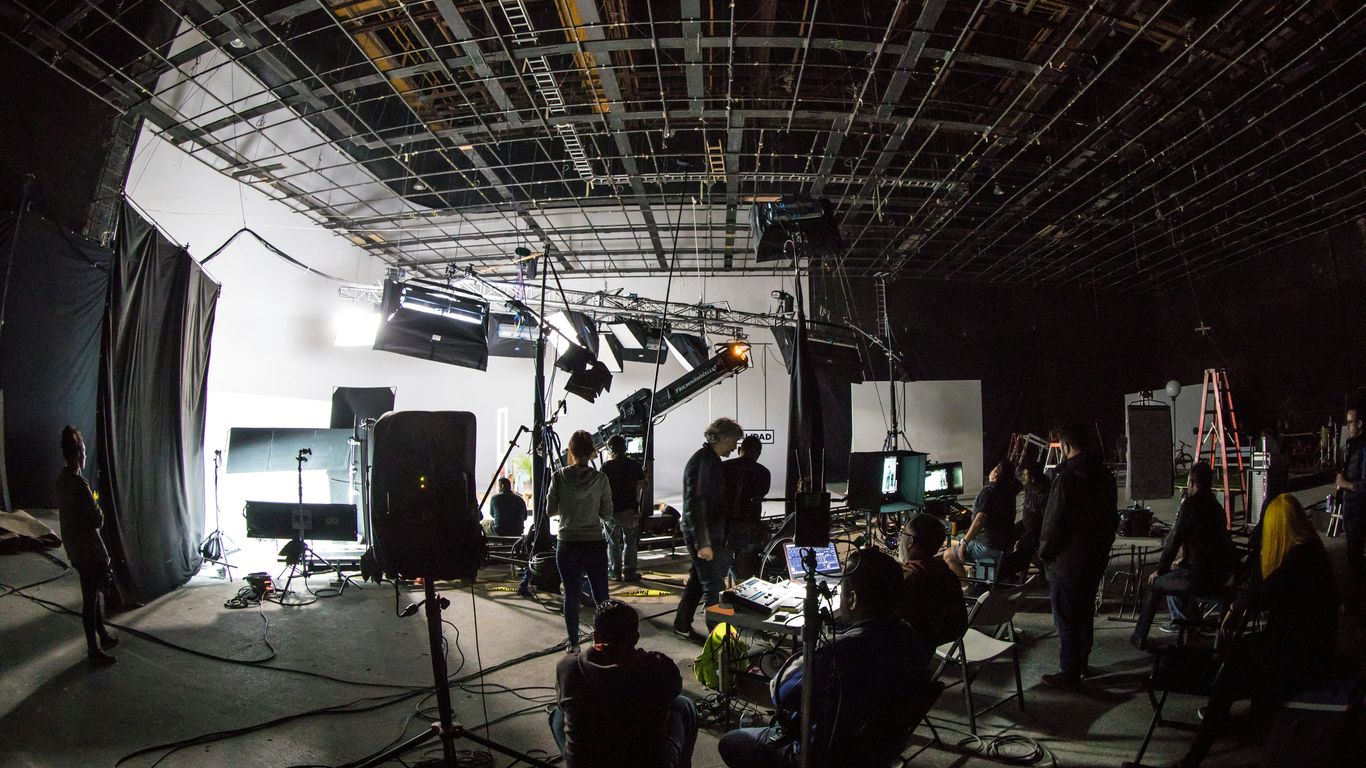
Choose people who can speak meaningfully to the story, and select a location that supports the subject rather than competing with it. Production needs vary: a sit-down interview calls for a different setup than event coverage or a product demonstration. The important thing is to make the recording environment comfortable and ensure the picture and sound support the message.
Edit, review, and prepare versions for each channel
Editing gives the footage its final structure, pace, and tone. Review the cut for accuracy, clarity, and consistency, and confirm that the call to action and any on-screen details are correct. If the video will appear in different settings, prepare versions that suit those placements while preserving the central story.
How to share and measure a brand video
Distribution is part of the project, not an afterthought. A video made for a website may need a different presentation from a short social post, and the audience’s expectations can vary by channel. Decide where the video belongs before production is finished so the final asset is ready for its intended use.
Choose channels that match your audience
Start with the places your audience already visits and the role the video needs to play there. A company introduction may belong on a website or in a sales presentation, while event material may be most useful to attendees and colleagues. VG Creations lists Social Media Marketing among its services; whichever channel you choose, make sure the video’s purpose and audience are clear.
Adapt the video for websites and social platforms
A good adaptation respects the viewing context. On a website, the video can sit beside supporting information, while a social post may need a concise opening and captions that help viewers follow along without sound. Keep the core message consistent even when length, framing, or accompanying text changes.
Track views, engagement, and business outcomes
Views can show whether a video is being seen, but they do not explain everything about its value. Depending on the goal, also look at completion, audience response, click-throughs, inquiries, or other relevant business actions. Choose measures that connect to the original purpose rather than treating one number as a universal verdict.
Use performance insights to improve future videos
Review what happened alongside the context: where the video appeared, who it reached, and what action it asked viewers to take. If people watched but did not continue, the next step may have been unclear; if few people found the video, distribution may need attention. Apply those observations to the next brief, keeping what worked and revising what did not.
Conclusion
A brand video is a flexible way to introduce a company, share a customer perspective, explain an offering, or give viewers a sense of its people and purpose. Start with a clear audience and goal, choose a format that serves them, and plan distribution and measurement before production begins. When each choice supports the story, the finished video has a better chance of being useful beyond its first viewing.
Frequently Asked Questions
What is a brand video?
A brand video is a video created to communicate a company’s identity, story, offerings, or values to a particular audience. It can take many forms, from a company introduction to a product video or customer testimonial.
How long should a brand video be?
There is no single ideal length. Keep it as long as the story needs to be clear, while considering where people will watch and how much information the video must convey.
What is the difference between a brand video and a commercial?
A commercial usually centers on a product, service, offer, or campaign. A brand video may focus more broadly on a company’s identity, though a single video can serve both purposes.
What should a brand video include?
It should include a clear message for a defined audience and details that make that message understandable. Depending on its purpose, it may also include a story, supporting visuals, consistent branding, and a call to action.
What types of brand videos can a business make?
Common options include company story and culture videos, testimonials, case studies, product or service videos, commercials, interviews, event videos, and social media clips. The best fit depends on the audience and communication goal.
How much does it cost to produce a brand video?
Costs vary with the scope of the project, including the concept, filming needs, locations, people involved, editing, and number of deliverables. Defining the goal and requirements first makes it easier to set a realistic budget.
How can a business measure whether a brand video is working?
Choose measures that match the intended goal. Views and completion can indicate exposure and attention, while clicks, inquiries, or other relevant actions can help show whether the video supported a business outcome.